

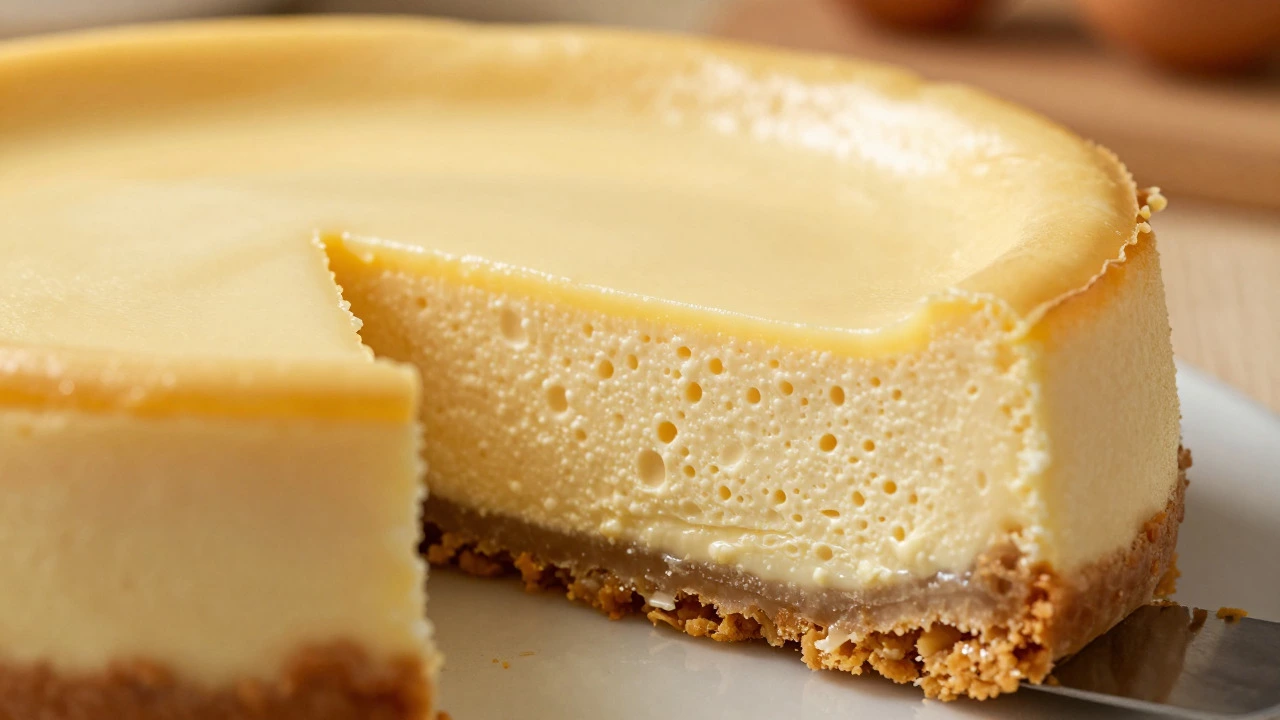
Eggless Cheesecake Recipe Calculator
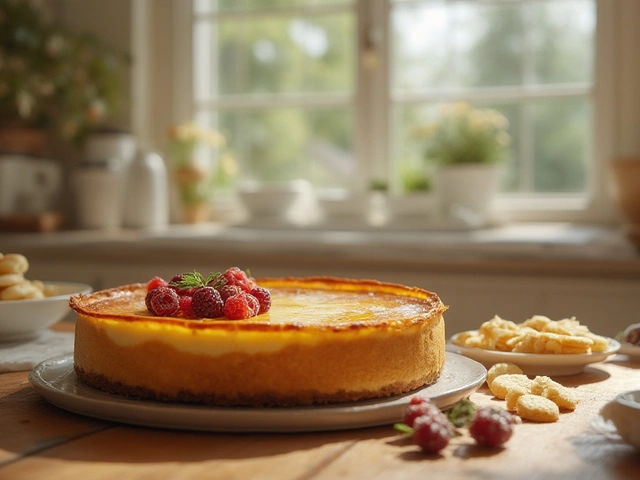
Ever stared at a cheesecake recipe and thought, "Do I really need the eggs?" Maybe you're out of them, maybe you're avoiding allergens, or maybe you just want to understand what those yellow yolks are actually doing in your pan. The short answer is: yes, it changes everything. But does it ruin it? Not necessarily. Eggless cheesecake is a variation of traditional cheesecake that relies on alternative binders like cornstarch, gelatin, or extra cream cheese to achieve set without poultry products. It’s a legitimate culinary path, but it requires different techniques than the standard New York style.
The Role of Eggs in Baked Cheesecake
To understand what happens when you remove an ingredient, you first have to know what it does. In a classic baked cheesecake, eggs serve three critical functions. First, they act as a binder. The proteins in the egg white and yolk coagulate during baking, creating a structural matrix that holds the soft cream cheese filling together. Second, they provide leavening. As the water content in the eggs turns to steam, it creates tiny air pockets, giving the cake its slight lift and fluffy interior. Third, they add richness and color. Yolks contribute fat and emulsifiers that help blend the sugar and cream cheese into a smooth, cohesive batter.
When you bake a cheesecake with eggs, you are essentially making a custard pie with a crust. The heat sets the proteins, locking the moisture in place. This process is delicate. Too much heat, and the proteins tighten too aggressively, causing cracks. Too little, and the center stays jiggly. The egg provides a predictable endpoint for this setting process.
What Changes When You Remove the Egg?
If you simply take a standard recipe and swap out the eggs for nothing, you will end up with a liquid mess. Without the protein structure to hold the fat and sugar together, the filling has no way to solidify on its own. Cream cheese is soft; sugar dissolves; heavy cream is liquid. At room temperature, these ingredients remain a thick paste. In the oven, they might thicken slightly due to evaporation, but they won't set into a sliceable cake. They will remain a dense, wet mass that collapses under its own weight once removed from the pan.
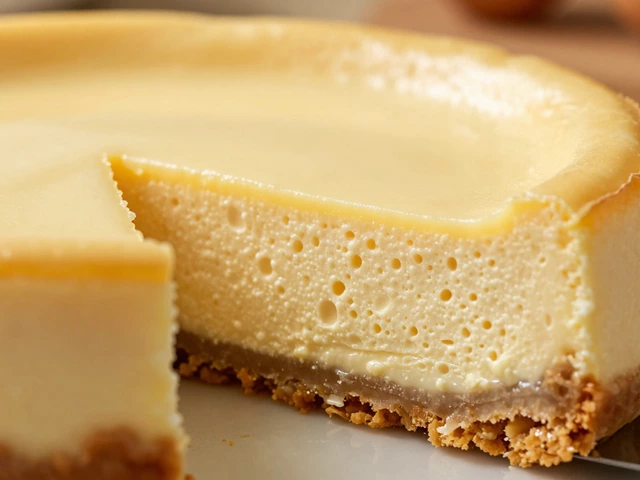
However, if you replace the eggs with functional substitutes, the outcome is quite different. The texture shifts from airy and light to denser and more custard-like. An Egg-free filling tends to be heavier because it lacks the air incorporation that egg whites provide. It resembles a thick panna cotta or a firm custard rather than a spongy cake. This isn't bad-it's just different. Many people actually prefer this denser, fudgier texture because it feels more substantial and less fragile.
Best Substitutes for Eggs in Cheesecake
You can't just skip the eggs; you have to replace their binding power. Here are the most effective alternatives used by bakers worldwide:
- Cornstarch or Arrowroot: These starches gelatinize when heated, creating a firm set. A tablespoon per cup of cream cheese usually works well. This method results in a very stable, sliceable cheesecake that doesn't crack easily because there's no protein tightening up. It’s the closest mimic to the structural role of eggs.
- Gelatin: Unflavored gelatin dissolved in warm milk or water adds elasticity. This is common in no-bake cheesecakes. It gives a wobbly, Jell-O-like consistency that firms up in the fridge. It’s great for fruit-topped varieties but less ideal for dense, baked-style textures.
- Extra Cream Cheese: Increasing the ratio of cream cheese to other liquids helps the filling set through natural cooling. High-fat cream cheese (like Philadelphia) contains enough solids to hold shape when chilled thoroughly. This method requires patience-48 hours in the fridge is not uncommon.
- Flour or Potato Starch: Similar to cornstarch, these absorb moisture and create a dough-like set. Potato starch is particularly good for gluten-free versions as it’s neutral in flavor and highly absorbent.
| Substitute | Texture Result | Baking Requirement | Best For |
|---|---|---|---|
| Cornstarch | Dense, firm, sliceable | Baked or No-Bake | Classic look, easy slicing |
| Gelatin | Soft, wobbly, custard-like | No-Bake only | Fruit toppings, quick chill |
| Extra Cream Cheese | Rich, heavy, slow-set | No-Bake preferred | Pure dairy lovers, long chilling |
| Potato Starch | Smooth, opaque, stable | Baked or No-Bake | Gluten-free diets |
Baked vs. No-Bake: How Method Matters
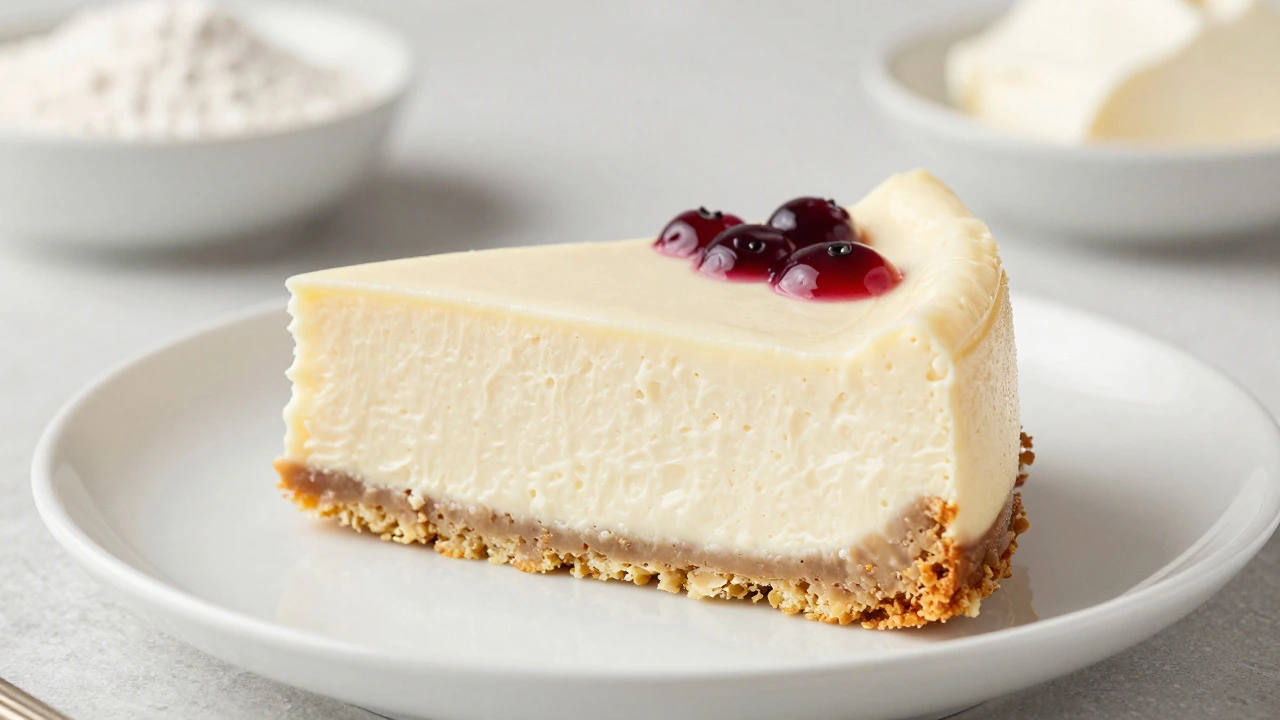
The biggest difference between using eggs and not using them lies in the cooking method. Traditional egg-based cheesecakes are almost always baked. The heat triggers the chemical reaction that sets the structure. If you remove the eggs but keep the baking step, you must rely on starches (like cornstarch) to set via gelatinization. This works, but you must be careful with temperature. Since there are no egg proteins to overcook and crack, you can bake at a lower temperature for a longer time, which often results in a smoother surface.
On the other hand, if you go the no-bake route, you eliminate the risk of cracking entirely. No-bake cheesecakes typically use gelatin or rely solely on the chilling of fats. If you’re skipping eggs, a no-bake approach is often easier and more forgiving. You mix the cream cheese, sugar, vanilla, and your chosen binder (gelatin or cornstarch mixed with a bit of liquid), pour it over a pre-baked crust, and refrigerate. The result is a dessert that slices cleanly after several hours of chilling. It lacks the caramelized top of a baked version, but it makes up for it in simplicity and reliability.
Common Pitfalls and How to Avoid Them
Even with the right substitutes, things can go wrong. Here’s what to watch out for:
- Too Much Liquid: If you replace eggs with milk or cream to maintain volume, you increase the water content. This dilutes your binder. Always reduce other liquids slightly if adding significant amounts of milk.
- Insufficient Chilling Time: Eggless cheesecakes, especially those relying on cream cheese alone or gelatin, need more time to set. Don’t judge them after two hours. Give them at least 6-8 hours, or overnight, for the best texture.
- Crust Separation: Without the weight and binding of a baked egg mixture pressing down, the crust can sometimes separate. Press your graham cracker or biscuit crust firmly into the pan and blind-bake it until golden before adding the filling. This creates a sturdy barrier.
- Grainy Texture: If using cornstarch, make sure it’s fully incorporated. Lumps of raw starch will taste chalky. Whisk the cornstarch into a small amount of cold liquid first to create a slurry, then mix that into the cream cheese base.
Flavor Implications
Eggs add a subtle savory depth and richness that some people miss in eggless versions. To compensate, boost your flavor profile. Use high-quality vanilla extract, add a pinch of salt to enhance sweetness, or incorporate zest from citrus fruits. Lemon juice not only brightens the flavor but also helps stabilize the emulsion in cream cheese fillings. If you find the texture too heavy, a splash of sour cream or Greek yogurt can lighten the mouthfeel without needing eggs.
Is It Worth Trying?
Absolutely. Whether you’re allergic, vegan (using plant-based creams), or just curious, eggless cheesecake is a viable and delicious option. It’s not the same as a New York style cheesecake, but it doesn’t need to be. Think of it as a distinct category: a rich, creamy, no-bake (or low-bake) dessert that prioritizes ease and stability over fluffiness. With the right binder and enough patience in the fridge, you’ll get a slice that holds its shape perfectly and tastes incredibly satisfying.
Can I freeze an eggless cheesecake?
Yes, eggless cheesecakes freeze very well. Because they lack the delicate protein structure of egg-based cakes, they are less prone to becoming grainy or watery upon thawing. Wrap individual slices tightly in plastic wrap and foil. Thaw in the refrigerator for 4-6 hours before serving.
Why did my eggless cheesecake turn out runny?
This usually happens if the binder was insufficient or the cheesecake wasn't chilled long enough. If using cornstarch, ensure it was cooked properly if baked, or mixed thoroughly if no-bake. If using gelatin, check that it bloomed correctly in warm liquid. Finally, give it more time in the fridge; 24 hours is often necessary for full set.
Does eggless cheesecake taste different?
Slightly. It lacks the specific savory note of cooked egg. However, with added vanilla, lemon zest, or strong flavors like berry coulis, the difference is minimal. The texture is denser and more custard-like, which many people find preferable to the lighter, airier texture of egg-based versions.
Can I use applesauce instead of eggs?
Applesauce is a common egg replacer in cakes, but it’s tricky in cheesecake. It adds too much moisture and acidity, which can cause the cream cheese to curdle or prevent the filling from setting firmly. It’s better to stick with starches like cornstarch or arrowroot for reliable results in this specific application.
How do I prevent cracking in eggless baked cheesecake?
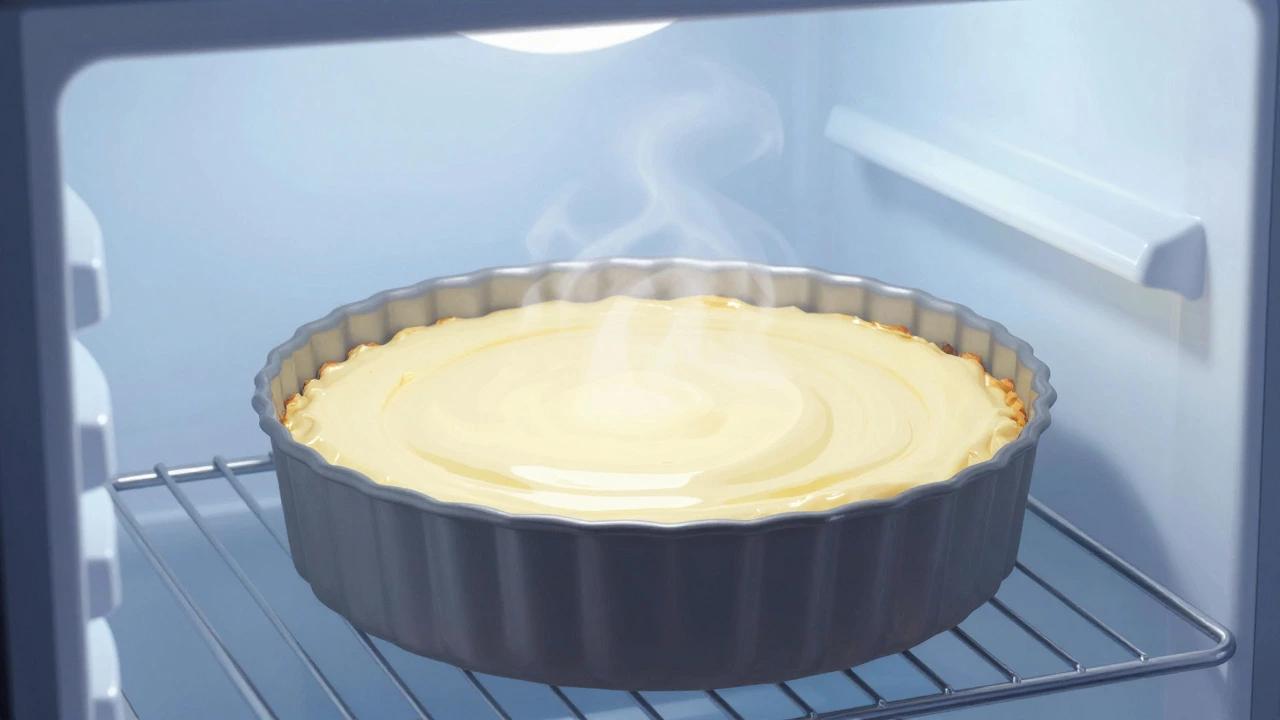
Cracking is rare in eggless baked cheesecakes because there are no egg proteins to contract sharply. However, if it happens, it’s usually due to rapid temperature changes. Use a water bath (bain-marie) to keep the environment humid and even. Turn off the oven and let the cheesecake cool inside with the door cracked open. This gradual cooling prevents surface tension issues.
Write a comment