

Brownie Batter Decision Tool
Configure your settings to get the perfect baking advice.
The Great Brownie Debate: To Wait or Not to Wait?
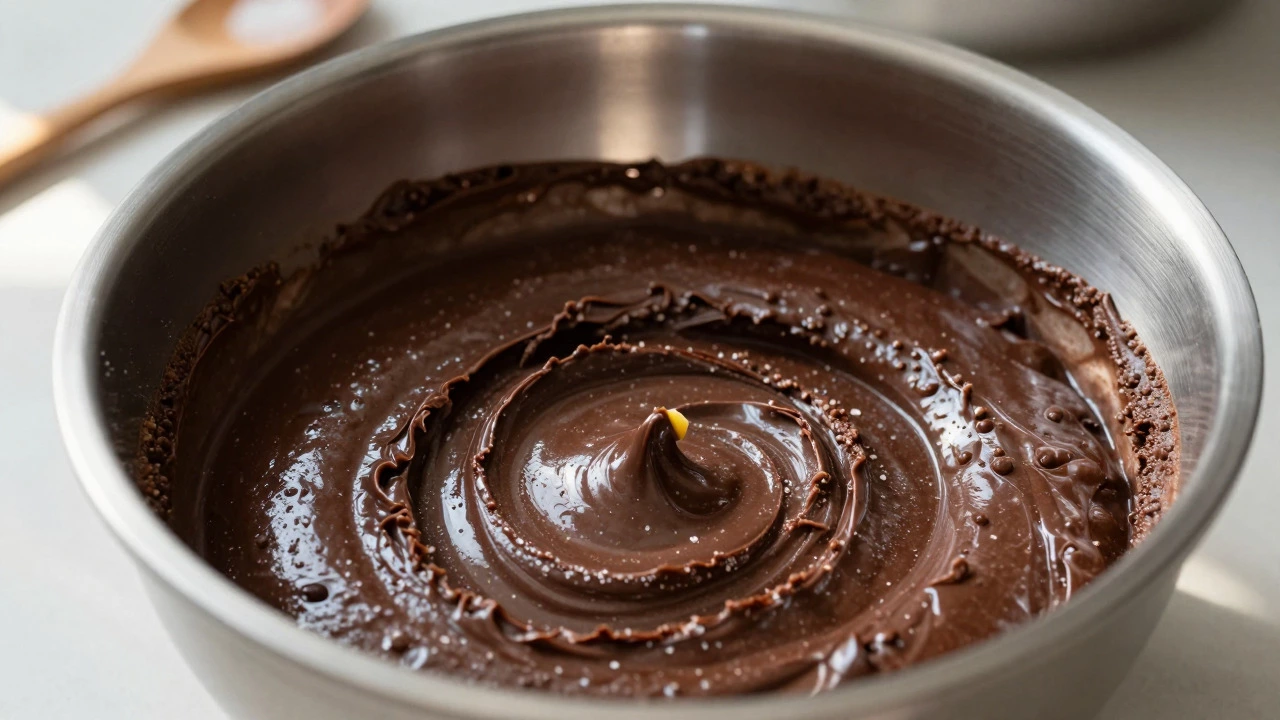
You’ve just finished mixing your brownie batter, that rich, glossy mixture of melted chocolate and butter. It smells incredible. Your oven is preheating. But then a voice in your head-or maybe a recipe you read online-whispers: "Let it rest." Should you actually leave that bowl sitting on the counter for 30 minutes before pouring it into the pan? Or is that just another internet myth designed to make baking harder than it needs to be?
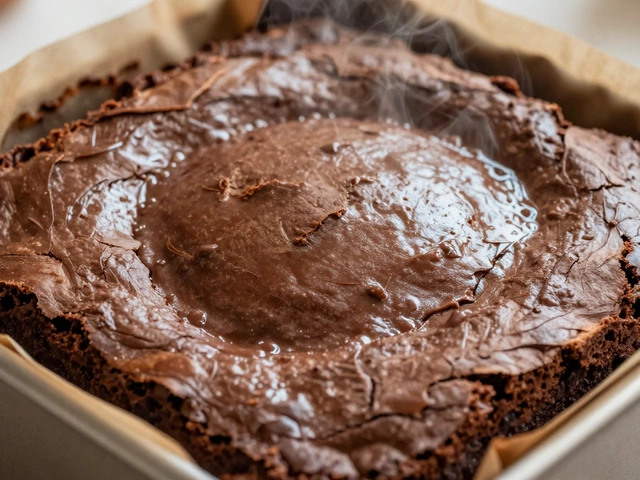
Here is the short answer: For most standard homemade brownies, resting the batter is optional. It won’t ruin them if you skip it. However, letting the batter sit can subtly change the texture, making the final product slightly denser and more fudgy. If you are chasing that specific, ultra-rich mouthfeel, waiting might be worth your time. If you just want a delicious treat right now, go ahead and bake.
What Actually Happens When You Let Batter Rest?
To understand why some bakers swear by resting their batter, we have to look at what’s happening inside that bowl. Brownie batter isn't like bread dough. Bread relies on yeast fermentation, which absolutely requires time to develop flavor and structure. Brownies rely on chemistry between fat, sugar, eggs, and flour.
When you mix flour into your wet ingredients, the proteins in the flour (glutenin and gliadin) start to bond with water to form gluten. In cakes, we usually try to minimize this to keep things tender. In brownies, we want a little bit of structure, but not too much. If you overmix, you get chewy, cake-like brownies instead of fudgy ones.
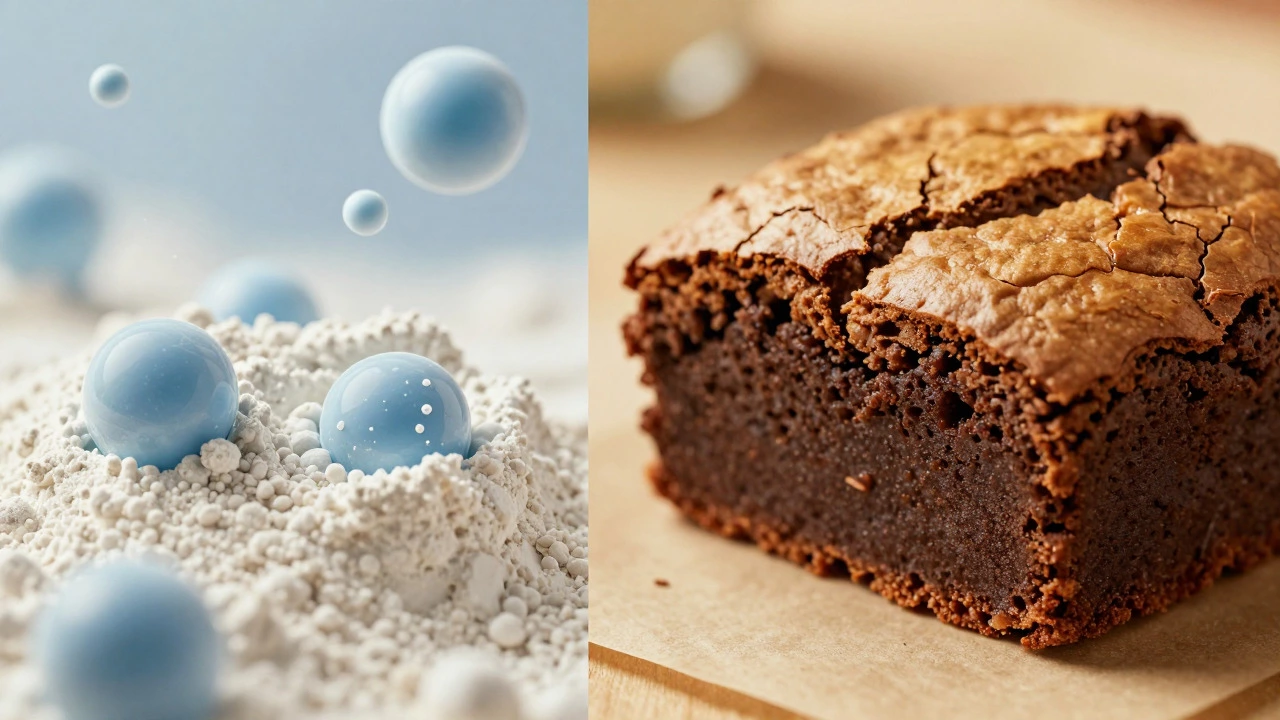
Resting the batter allows the flour particles to fully hydrate. Think of it like soaking dried pasta before cooking; the starches absorb the liquid evenly. This hydration process ensures that when the batter hits the heat of the oven, the moisture is distributed uniformly. The result? A smoother crumb and a more consistent texture throughout the batch.
The Science of Fudginess: Why Time Matters
If your goal is the densest, most fudgy brownie possible, resting helps. Here is why:
- Sugar Hydration: Brownies are packed with sugar. Sugar loves water. During the rest period, the sugar continues to dissolve into the egg and butter mixture. Better dissolved sugar means a glossier top and a softer interior.
- Fat Distribution: Melted butter or oil coats the flour particles. Given time, this coating becomes more uniform. This prevents the flour from absorbing too much liquid during baking, which keeps the center moist and gooey rather than dry and crumbly.
- Temperature Equilibrium: If you melt your chocolate and butter, they are hot. If you add room-temperature eggs, the batter temperature fluctuates. Letting it sit brings everything to a stable room temperature. Consistent starting temperature leads to even baking.
However, don’t expect miracles. Resting for 15 minutes will not turn a cakey recipe into a fudge bar. The ratio of sugar to flour and the amount of fat are the primary drivers of texture. Resting is just the cherry on top.
When You Should Skip the Rest
Not every situation calls for patience. There are times when you should pour that batter into the pan immediately:
- You Are Using Fresh Eggs: Food safety is paramount. While 30 minutes at room temperature is generally safe for baked goods, if you are worried about salmonella or if your kitchen is particularly warm (above 75°F / 24°C), it’s better to bake sooner rather than later.
- You Want Cakey Brownies: If you prefer a lighter, airier texture, resting might work against you. The extra hydration can lead to a denser product. Immediate baking preserves some of the air bubbles incorporated during mixing, contributing to lift.
- You Are in a Rush: Let’s be honest. Sometimes you just want chocolate. Waiting adds friction to the process. Most home bakers find that the difference between immediate baking and a 10-minute rest is negligible to the average eater.
How Long Is Too Long?
If you decide to rest your batter, there is a limit. Leaving brownie batter out for hours is a bad idea. The eggs can spoil, and the butter might separate if the environment is too warm. Furthermore, if your recipe includes leavening agents like baking powder, those chemicals start working as soon as they hit moisture. If you wait too long, the gas escapes before the batter goes into the oven, resulting in flat, dense bricks.
The sweet spot is between 15 to 30 minutes. Any longer than an hour offers diminishing returns and increases food safety risks. If you need to step away for longer, cover the bowl tightly with plastic wrap and refrigerate it. Just know that cold batter will take longer to bake, so you may need to adjust your oven time slightly.
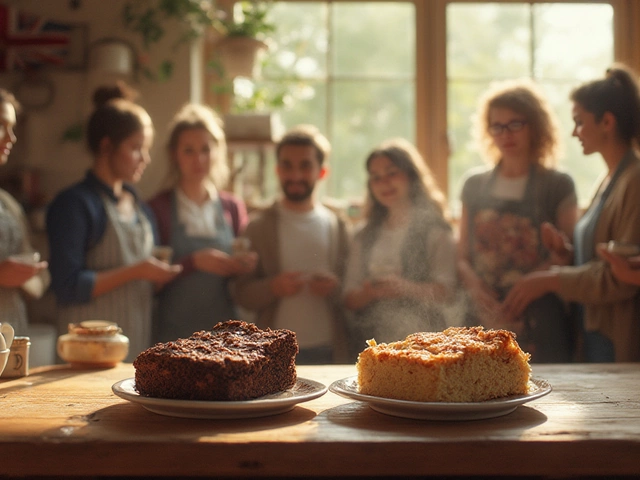
Comparison: Rested vs. Unrested Batter
| Factor | Immediate Baking | Rested (15-30 mins) |
|---|---|---|
| Texture | Slightly lighter, potentially uneven crumb | Denser, more uniform, fudgier |
| Moisture Retention | Good, but edges may dry faster | Better overall moisture distribution |
| Flavor Intensity | Standard chocolate taste | Slightly deeper, more integrated flavors |
| Risk Factor | Low (if mixed properly) | Medium (food safety if left too long) |
| Best For | Cakey brownies, quick snacks | Fudgy brownies, special occasions |
Pro Tips for Perfect Brownies Without the Wait
If you don’t want to wait around, you can still achieve bakery-quality results by focusing on other variables. Here is how to maximize texture without resting:
- Melt, Don’t Boil: When melting your butter and chocolate, use low heat. Overheating burns the sugars in the chocolate, leading to a bitter taste that no amount of resting can fix.
- Use Dark Chocolate: Higher cocoa content (60% or more) provides a richer flavor and better structural integrity. Milk chocolate makes brownies sweeter but often cakier.
- Don’t Overmix: Once you add the flour, mix gently until just combined. Streaks of flour are okay; they will disappear in the oven. Overmixing develops gluten, which makes brownies tough.
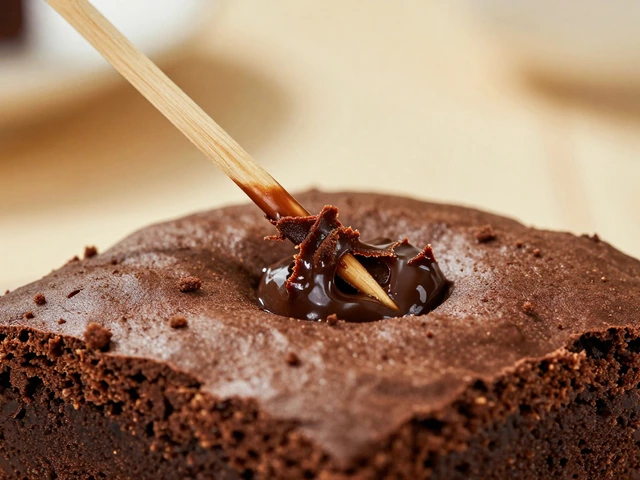
- Underbake Slightly: The center should still look a bit wet when you pull them out. They continue to cook from residual heat as they cool. This is the secret to fudginess, regardless of whether you rested the batter.
Troubleshooting Common Issues
Did your brownies come out wrong? Here is how resting (or not resting) might have played a role:
Problem: Dry, Crumbly Brownies
This is rarely caused by skipping the rest. It’s usually due to overbaking or too much flour. Measure your flour by weight, not volume. A cup of scooped flour can weigh 30% more than a cup of spooned-and-levelled flour.
Problem: Gummy or Raw Center
If the middle never sets, you might have underbaked them, or your oven temperature is lower than it says. An oven thermometer is a cheap investment that saves many batches. Resting doesn’t cause this, but a very thick, dense batter from excessive resting might require a few extra minutes in the oven.
Problem: Tough, Chewy Edges
This suggests too much gluten development. You likely overmixed the batter. Next time, fold the flour in gently and stop as soon as it disappears.
Final Verdict: Do It If You Have Time
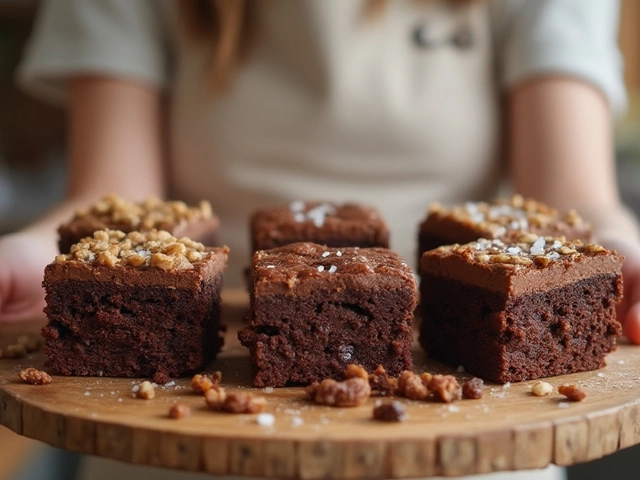
So, should you let your brownie batter rest? If you have 20 minutes to kill and you want the absolute densest, most luxurious fudgy experience, yes, let it sit. Cover the bowl and let the flour hydrate. If you are hungry now and want a great-treating snack, bake it immediately. The difference is subtle enough that your friends probably won’t notice, but you might appreciate the slight improvement in texture.
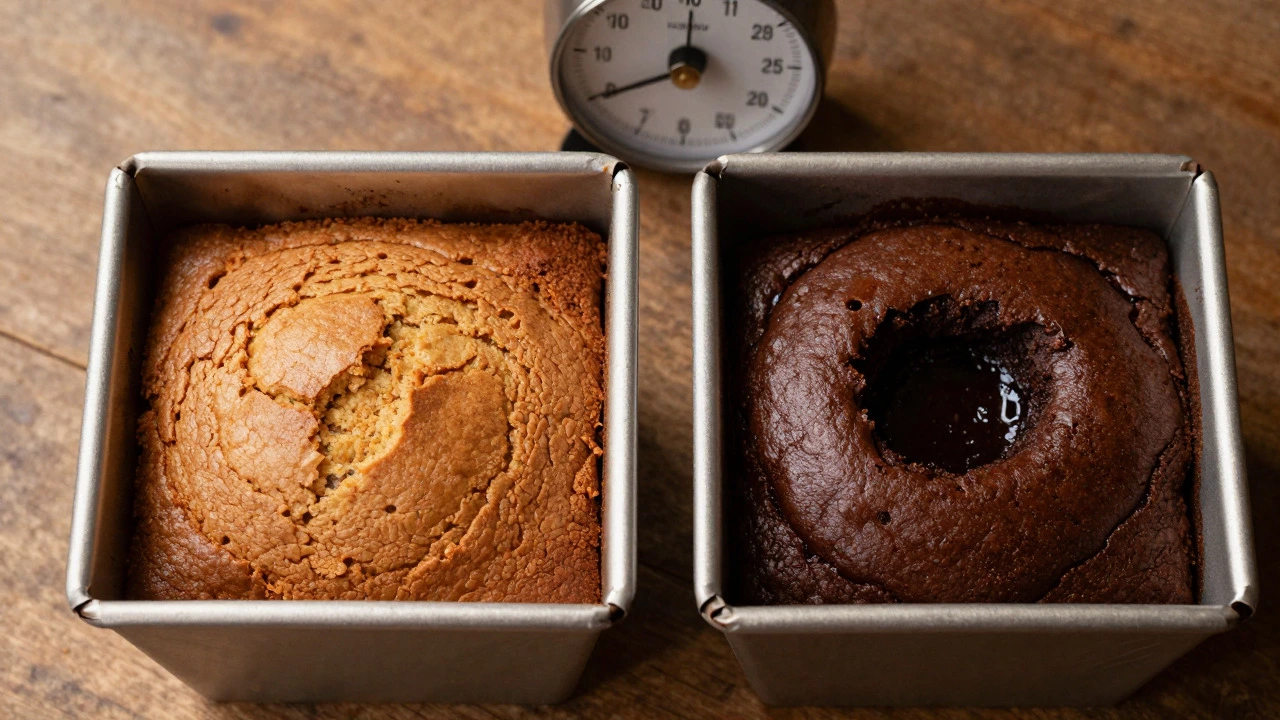
Baking is about experimentation. Try one batch today without resting. Save half of your next batch to rest for 30 minutes. Compare them side-by-side. That is the only way to know what works best for your palate, your oven, and your preferred style of brownie.
Does resting brownie batter make them fudgier?
Yes, resting can contribute to a fudgier texture. By allowing the flour to fully hydrate and the sugar to dissolve completely, the batter becomes more uniform. This leads to a denser, moister crumb in the final baked good, which is characteristic of fudgy brownies.
How long should I let brownie batter rest?
The ideal resting time is between 15 and 30 minutes at room temperature. Longer than an hour is unnecessary and may pose food safety risks due to the eggs in the batter. If you need to rest it longer, refrigerate it covered, but allow extra baking time for cold batter.
Can I bake brownie batter immediately after mixing?
Absolutely. Most standard brownie recipes do not require a resting period. Baking immediately is perfectly fine and will yield delicious results. The texture might be slightly less dense than a rested batch, but it will still be tasty.
Why does my brownie batter look separated?
Separation often occurs if the butter and eggs are at vastly different temperatures or if the chocolate was overheated. Gentle stirring usually fixes this. If you let the batter rest, the emulsion may stabilize further, but vigorous mixing right before baking can also help recombine the fats and liquids.
Does resting affect the rise of brownies?
Resting can slightly reduce the rise because any air bubbles incorporated during mixing may escape over time. If you prefer cakey, puffy brownies, bake immediately. If you want flat, dense fudge bars, resting helps eliminate excess air.


Write a comment