

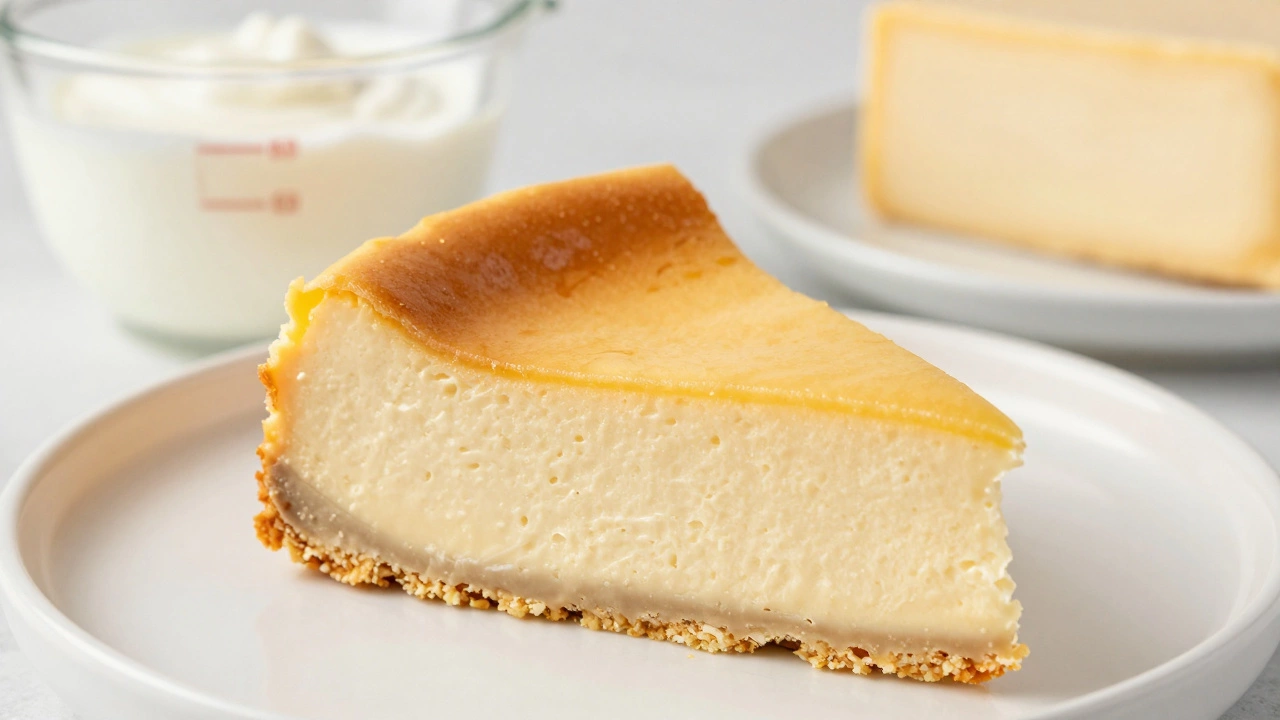
Cheesecake Dairy Impact Estimator
Select Your Ingredient
Compare how different dairy choices change your cheesecake's outcome.
Heavy Cream
High Fat • Rich Texture
Impact Analysis
- Smooth, tender crumb
- Rich, neutral, sweet
- Prevents cracking
Best for classic, luxurious textures where moisture retention is key.
Have you ever pulled a cheesecake out of the oven, only to find it cracked like a dry riverbed or dense enough to anchor a boat? If so, the culprit might be missing one simple ingredient: heavy cream. While many classic recipes rely solely on cream cheese and eggs, adding heavy cream changes the game entirely. It isn't just about making the batter richer; it’s about controlling how that batter behaves under heat.
You might wonder if heavy cream is strictly necessary. The short answer is no-you can make cheesecake without it. But if you want that specific, melt-in-your-mouth consistency found in high-end bakeries, understanding what heavy cream does is crucial. It acts as a buffer against toughness, a stabilizer for structure, and a carrier for flavor. Let's break down exactly why this ingredient deserves a spot in your mixing bowl.
The Science of Fat: Why Heavy Cream Softens Texture
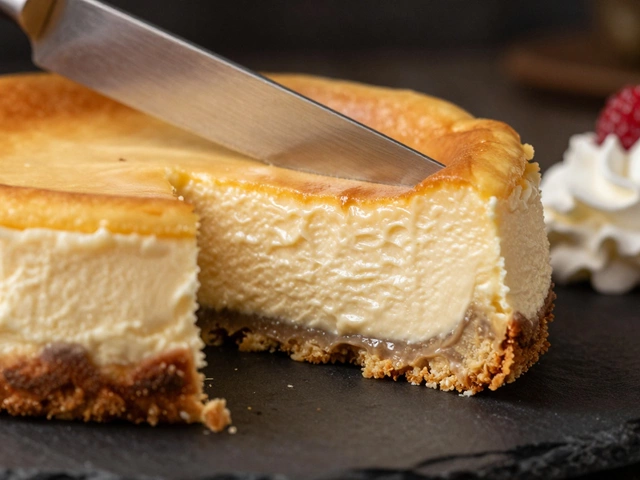
To understand what heavy cream does, you first need to look at what cheesecake is made of. At its core, a cheesecake is a custard. Custards set when proteins coagulate. In cheesecake, those proteins come primarily from eggs and, to a lesser extent, the milk proteins in cream cheese. When these proteins heat up, they tighten and squeeze out moisture. This tightening process is what causes cracking and a rubbery mouthfeel.
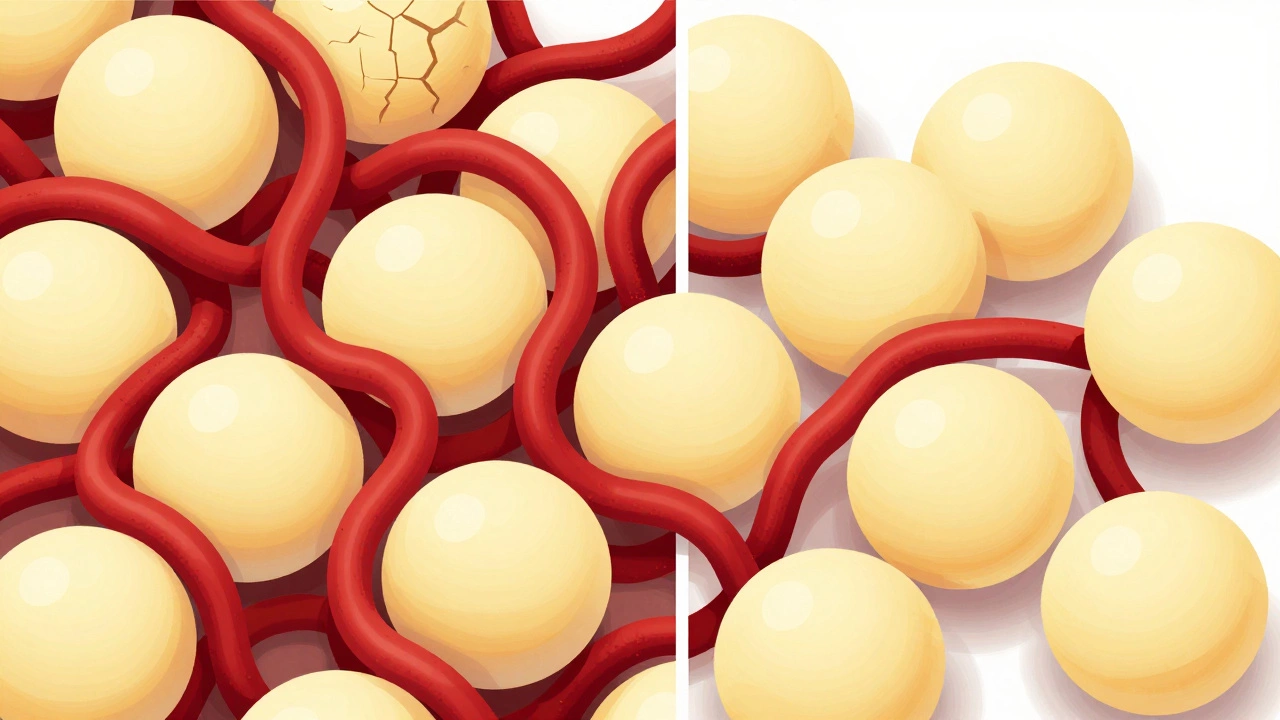
Heavy cream is defined by its high fat content, typically ranging between 36% and 40%. Unlike water or milk, fat does not coagulate. It doesn't tighten or shrink when heated. By introducing heavy cream into the mix, you are diluting the concentration of protein. Think of it like adding more seats to a crowded bus; there’s less pressure on everyone to stand shoulder-to-shoulder. The fat molecules sit between the protein strands, preventing them from linking up too tightly. This results in a crumb that is tender rather than tough.
If you swap heavy cream for whole milk, you lose this benefit. Milk is mostly water with only about 3.5% fat. Water evaporates during baking, leaving behind a denser network of protein. Heavy cream stays put, keeping the cake moist and loose. This is why New York-style cheesecakes, which often use sour cream or buttermilk, can feel heavier and more substantial, while French-style or lighter variations using heavy cream feel airy and delicate.
Stabilizing the Batter: Preventing Cracks and Separation
One of the biggest fears for any baker is the dreaded crack across the top of their cheesecake. Cracks usually happen because the cake expands rapidly in the oven and then shrinks quickly as it cools. The structural integrity of the cake relies on the balance between liquid, fat, and solid ingredients.
Heavy cream helps stabilize this structure in two ways. First, its viscosity is higher than milk but lower than butter. This allows it to blend smoothly into the cream cheese without creating lumps. Lumps in the batter create weak points where cracks can start. Second, the emulsion in heavy cream-where fat globules are suspended in water-helps distribute heat evenly throughout the batter. Even heating means even setting. When the center sets at the same rate as the edges, the stress that leads to cracking is minimized.
Furthermore, heavy cream reduces the risk of curdling. If you add too much acid (like lemon juice) or heat the mixture too aggressively, the proteins in cream cheese can separate from the fat, resulting in a grainy texture. The additional fat in heavy cream acts as a protective shield, allowing the batter to withstand higher temperatures or acidic additions without breaking apart. This is particularly useful if you’re experimenting with fruit-based cheesecakes that require extra citrus.
Flavor Carrier: Enhancing Taste Without Overpowering
We often think of sugar as the primary flavor agent in desserts, but fat is actually the vehicle that carries aromatic compounds. Many flavor molecules are lipophilic, meaning they dissolve in fat rather than water. Vanilla extract, almond extract, and even the natural tang of cream cheese have complex aromatic profiles that need a fatty medium to shine.
When you bake a cheesecake with only cream cheese and eggs, the flavors can sometimes taste muted or one-dimensional. The strong, tangy profile of the cream cheese dominates everything else. Adding heavy cream softens this tang. It doesn’t remove the acidity, but it rounds it out, creating a smoother, more balanced flavor profile. The result is a dessert that tastes creamy and luxurious rather than sharp and acidic.
Consider the difference between eating plain yogurt and eating a yogurt parfait with full-fat cream. The yogurt alone is tart and refreshing. Add the cream, and the experience becomes richer and more satisfying. Similarly, heavy cream in cheesecake allows secondary flavors-like chocolate, strawberry, or coffee-to integrate seamlessly rather than sitting on top of the base flavor. It creates a unified taste experience where every bite feels cohesive.
Heavy Cream vs. Other Dairy Alternatives
Not all dairy products perform the same function in a cheesecake. If you don’t have heavy cream on hand, you might be tempted to substitute it with something else. However, each alternative brings different properties to the table. Understanding these differences helps you choose the right tool for the job.
| Ingredient | Fat Content | Texture Impact | Flavor Profile |
|---|---|---|---|
| Heavy Cream | 36-40% | Light, smooth, tender | Rich, neutral, sweet |
| Sour Cream | 14-20% | Denser, moister | Tangy, sharp |
| Whole Milk | 3.5% | Softer, but prone to weeping | Mild, watery |
| Greek Yogurt | 0-10% | Thick, slightly grainy | Tangy, light |
| Buttermilk | 1-2% | Very tender, flat | Sharp, acidic |
As the table shows, heavy cream offers the highest fat content among common liquids used in cheesecake. Sour cream is a popular alternative, especially in traditional New York recipes. It adds moisture and tang, but because it has less fat and more water, it can make the cake denser. Greek yogurt is great for a lighter, healthier option, but it lacks the richness that heavy cream provides. If your goal is maximum silkiness, heavy cream is the clear winner. If you want a tangier, heartier cake, sour cream might be better.
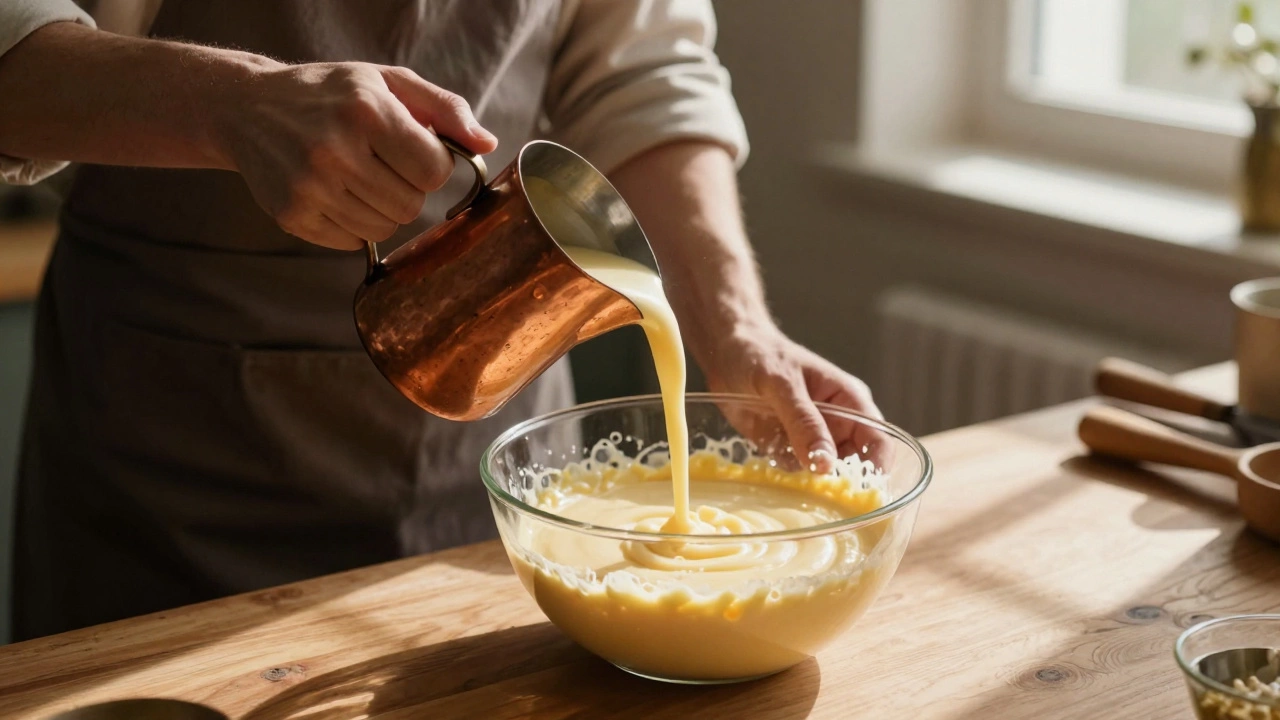
How to Incorporate Heavy Cream Correctly
Even the best ingredient can fail if used incorrectly. Adding heavy cream to your cheesecake batter requires a bit of technique to ensure it integrates properly. Here are the key steps to get it right:
- Temper the Cream: Never add cold heavy cream directly to room-temperature cream cheese. The temperature shock can cause the fat to seize, leading to lumps. Let the cream sit out for 15-20 minutes until it reaches room temperature.
- Beat Low and Slow: High-speed mixing incorporates air bubbles. These bubbles expand in the oven and then collapse, causing cracks. Mix the heavy cream into the batter on low speed just until combined. You want a smooth emulsion, not a whipped foam.
- Don’t Overmix: Once the cream is added, stop mixing as soon as the color is uniform. Overworking the batter develops gluten in any flour present (if used) and tightens the egg proteins, undoing the benefits of the cream.
- Sift if Necessary: If you notice small lumps after mixing, strain the batter through a fine-mesh sieve. This ensures a perfectly smooth texture before it goes into the pan.
A good rule of thumb is to replace about half of the liquid called for in a standard recipe with heavy cream if you want to boost richness without changing the volume too drastically. For example, if a recipe calls for 1 cup of milk, try using 1/2 cup milk and 1/2 cup heavy cream. This gives you the hydration of the milk with the textural benefits of the cream.
Troubleshooting Common Issues
Despite your best efforts, things can still go wrong. Here are some common problems related to dairy usage and how to fix them:
- Grainy Texture: This usually happens when the batter overheats or separates. Next time, ensure your cream cheese is fully softened and mixed smoothly before adding other ingredients. Lower your oven temperature by 25°F (about 15°C) to cook it more gently.
- Watery Surface: If your cheesecake releases a pool of liquid on top, it may contain too much free water. Heavy cream has less water than milk, so switching to cream can help. Also, avoid overfilling the pan, as excess batter can spill over and boil.
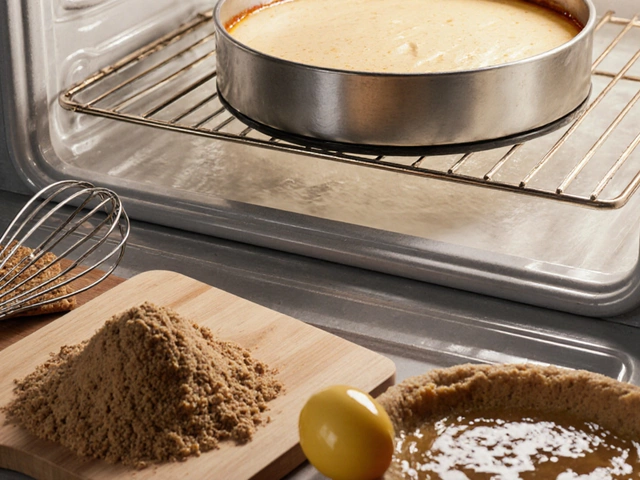
- Dry Crust: A dry crust often indicates the outside cooked faster than the inside. Using a water bath (bain-marie) helps regulate the temperature. The steam keeps the surface moist while the interior sets slowly.
Remember, baking is chemistry. Small changes in ingredients lead to big changes in results. By understanding the role of heavy cream, you gain control over the final product. You’re not just following a recipe; you’re engineering a dessert.
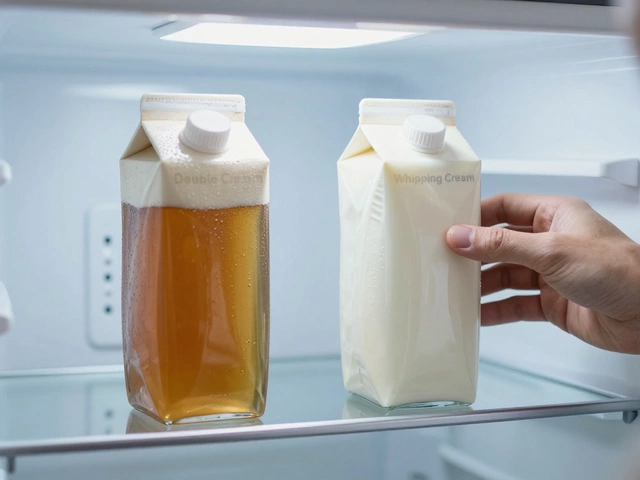
Can I use whipping cream instead of heavy cream?
Yes, whipping cream and heavy cream are essentially the same thing in most regions, including New Zealand and the US. Both have a fat content of around 35-40%. The terms are often used interchangeably in recipes. Just ensure you are using unpasteurized or pasteurized cream labeled for whipping, as ultra-pasteurized versions can sometimes behave differently due to longer shelf-life processing.
Does heavy cream make cheesecake healthier?
No, heavy cream is high in saturated fat and calories. It is added for texture and flavor, not nutritional value. If you are looking for a lighter option, consider using Greek yogurt or low-fat cottage cheese blended until smooth. These alternatives reduce fat content but will change the texture to be denser and less silky.
Why did my cheesecake crack even with heavy cream?
Cracking is rarely caused by just one factor. While heavy cream helps prevent it, other issues like overmixing, oven temperature fluctuations, or cooling the cake too quickly can still cause cracks. Ensure you mix on low speed, use a water bath, and let the cheesecake cool in the turned-off oven with the door ajar for an hour before removing it.
Can I freeze heavy cream cheesecake?
Yes, cheesecake freezes very well. The high fat content in heavy cream actually helps protect the texture during freezing and thawing. Wrap the cooled cheesecake tightly in plastic wrap and then foil. Thaw it in the refrigerator overnight. Avoid thawing at room temperature, as this can cause condensation and sogginess.
Is there a non-dairy alternative to heavy cream for cheesecake?
For vegan cheesecakes, coconut cream is the best substitute for heavy cream. It has a similar high fat content and provides a rich, creamy texture. Full-fat canned coconut milk, chilled and separated, works well too. Note that coconut cream will impart a slight coconut flavor, which pairs well with tropical fruits but may clash with berry flavors.



Write a comment