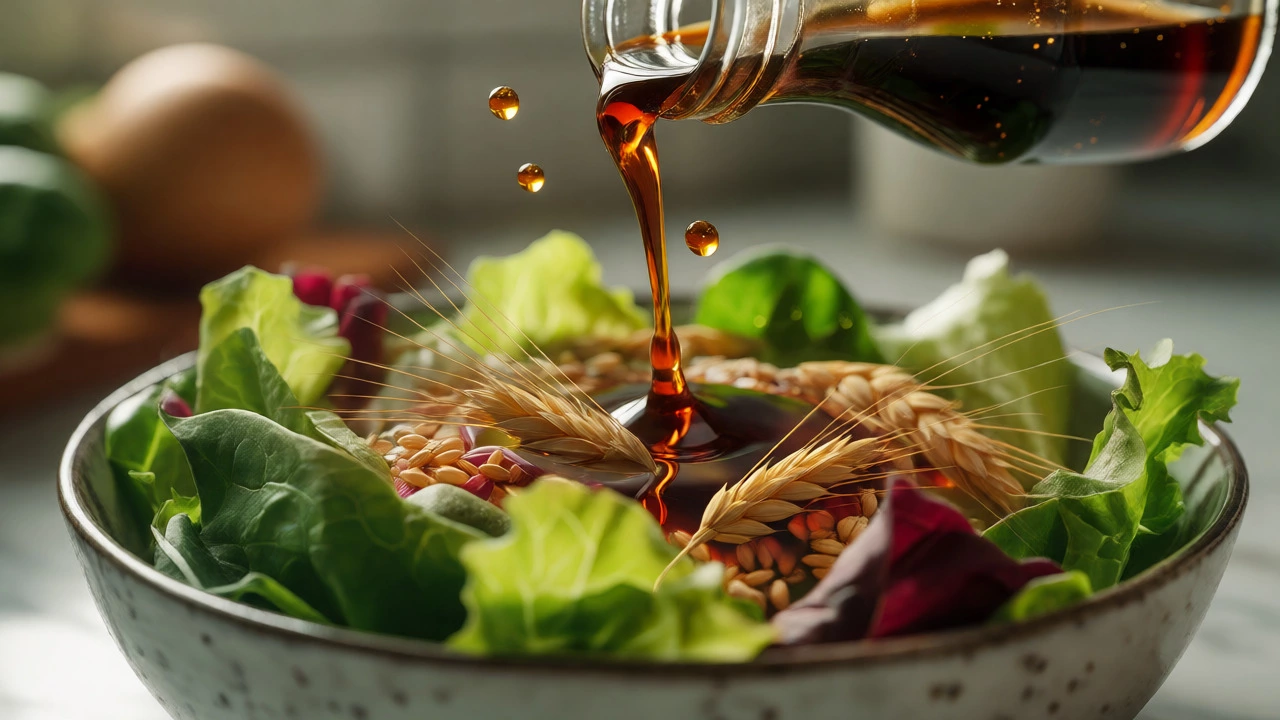
Worst Foods for Gluten Intolerance: A Practical Guide
Discover the worst foods for gluten intolerance, from hidden gluten in soy sauce to cross-contaminated oats. Learn practical tips to avoid triggers and stay safe.

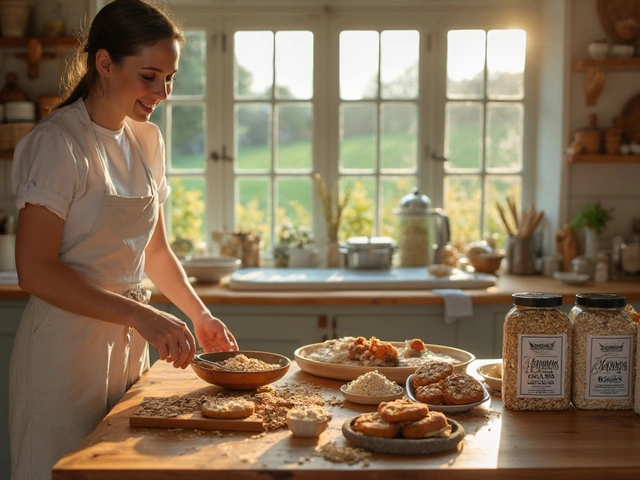
If you’ve ever stared at a regular cake mix and wondered, “Can I make this gluten free?”, you’re in the right place. Gluten free cakes aren’t a mystery – they just need a few smart swaps and a bit of know‑how. Below you’ll find the basics on safe flours, common hidden gluten, and quick tricks to keep your cakes light and tasty.
The biggest hurdle is replacing wheat flour. The most popular blend is a mix of rice flour, potato starch, and tapioca starch. This combo gives you structure without the chewiness gluten provides. If you want extra moisture, add a tablespoon of xanthan gum per cup of flour blend – it helps the batter hold together.
Other go‑to substitutes include almond flour for a nutty flavor, or chickpea flour for added protein. Just remember chickpea flour can taste a bit earthy, so pair it with sweet spices or cocoa to balance the flavor.
Even if you’ve swapped the flour, hidden gluten can ruin a cake. Check the labels on ingredients like cornstarch, oats, and even certain brands of peanut butter. Pure cornstarch is gluten free, but some packages process it near wheat, so look for a “gluten‑free” label.
Oats are naturally gluten free, but cross‑contamination is common. Buy certified gluten‑free oats if you want to add a hearty texture to your cake layers. The same goes for potato products – plain potatoes are safe, but mashed potato mixes often contain thickeners with hidden gluten.
Don’t forget the sweeteners. Some honey or maple syrups can be blended with wheat‑based additives. A quick glance at the ingredient list will save you a lot of trouble.
Beyond ingredients, keep your kitchen clean. Use separate mixing bowls, spatulas, and storage containers for gluten‑free baking. Even a tiny crumb from a regular flour can cause reactions for celiac folks.
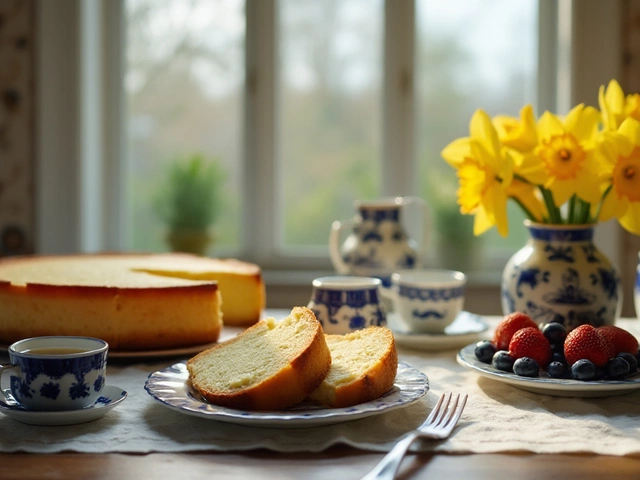
Now that you know what to watch for, let’s talk about a quick, go‑to recipe. Mix 1 cup of your gluten‑free flour blend, ½ cup almond flour, 1 tsp baking powder (gluten‑free), ¼ tsp salt, ¾ cup sugar, 2 eggs, ½ cup milk (or dairy‑free alternative), ¼ cup melted butter, and a splash of vanilla. Beat until smooth, pour into a greased pan, and bake at 350°F for 25‑30 minutes. The result is a soft, slightly dense cake that can be topped with fresh fruit or a simple glaze.
Want to add flavor without extra gluten risk? Try swapping part of the flour with chickpea flour for a protein boost, or blend in some cocoa powder for a chocolate twist. Both work well with the base recipe.
Finally, remember that gluten‑free baking is a learning curve. Don’t be afraid to experiment with different flour mixes, but always keep a note of what works best for you. With a few reliable substitutes and a vigilant eye on labels, you’ll be whipping up gluten‑free cakes that taste just as good as the classic versions.
Discover the worst foods for gluten intolerance, from hidden gluten in soy sauce to cross-contaminated oats. Learn practical tips to avoid triggers and stay safe.
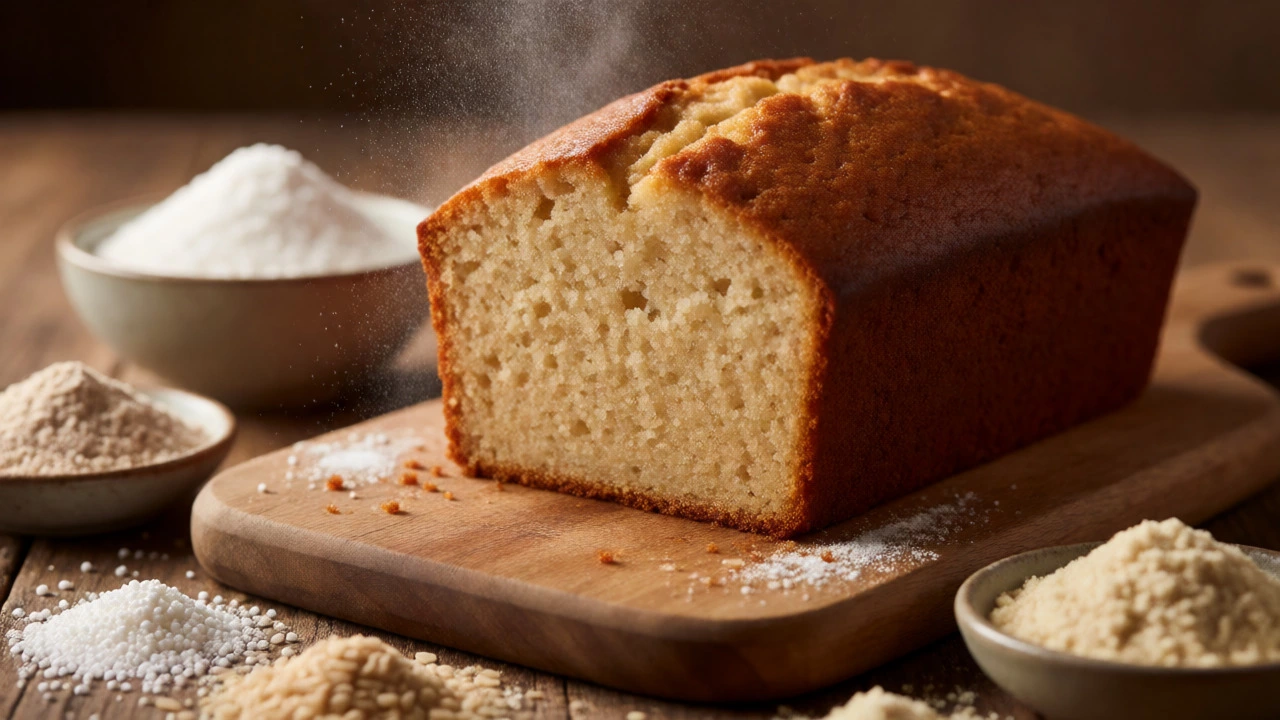
Struggling with dense gluten-free cakes? Learn the science behind rising, including the right flour blends, hydrocolloids, and baking techniques for fluffy results.
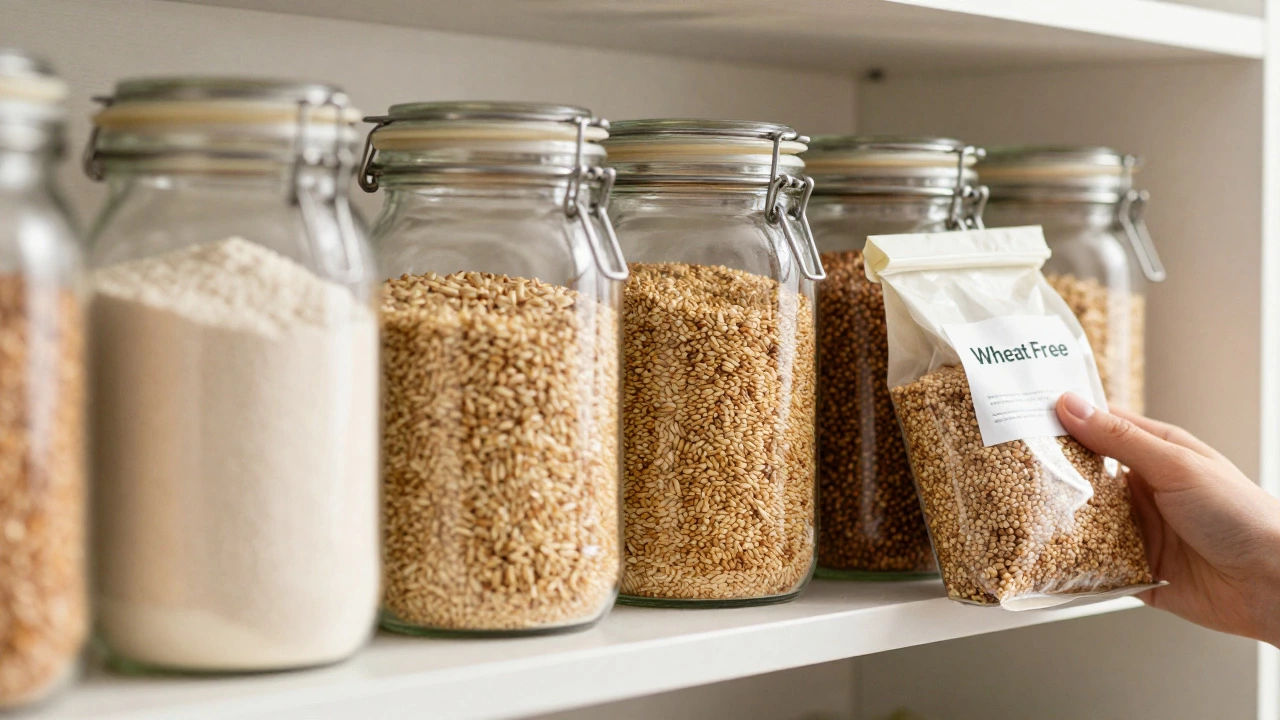
Discover 9 naturally gluten-free foods like rice, quinoa, and almond flour. Learn how to safely bake cakes and cook meals without gluten, avoiding hidden dangers and cross-contamination.
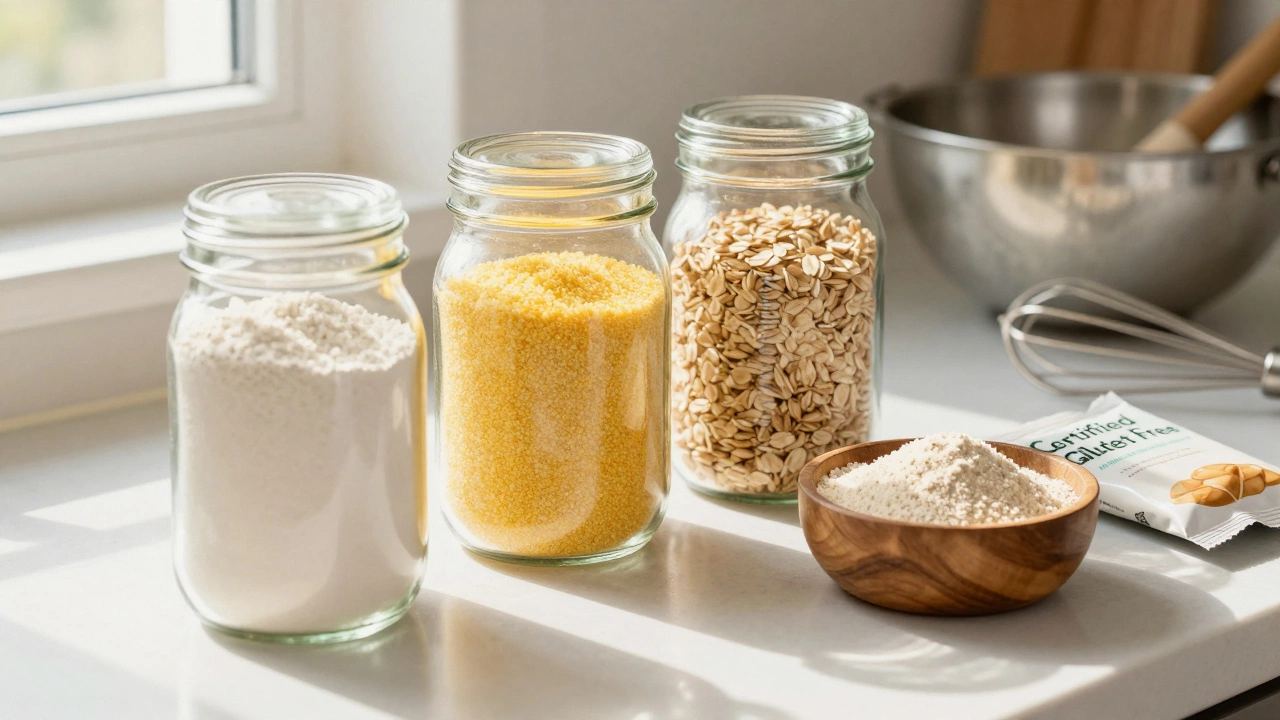
Discover the best gluten-free grains for baking delicious cakes. Learn about rice, oat, buckwheat, and almond flours, plus expert tips for blending and avoiding cross-contamination.
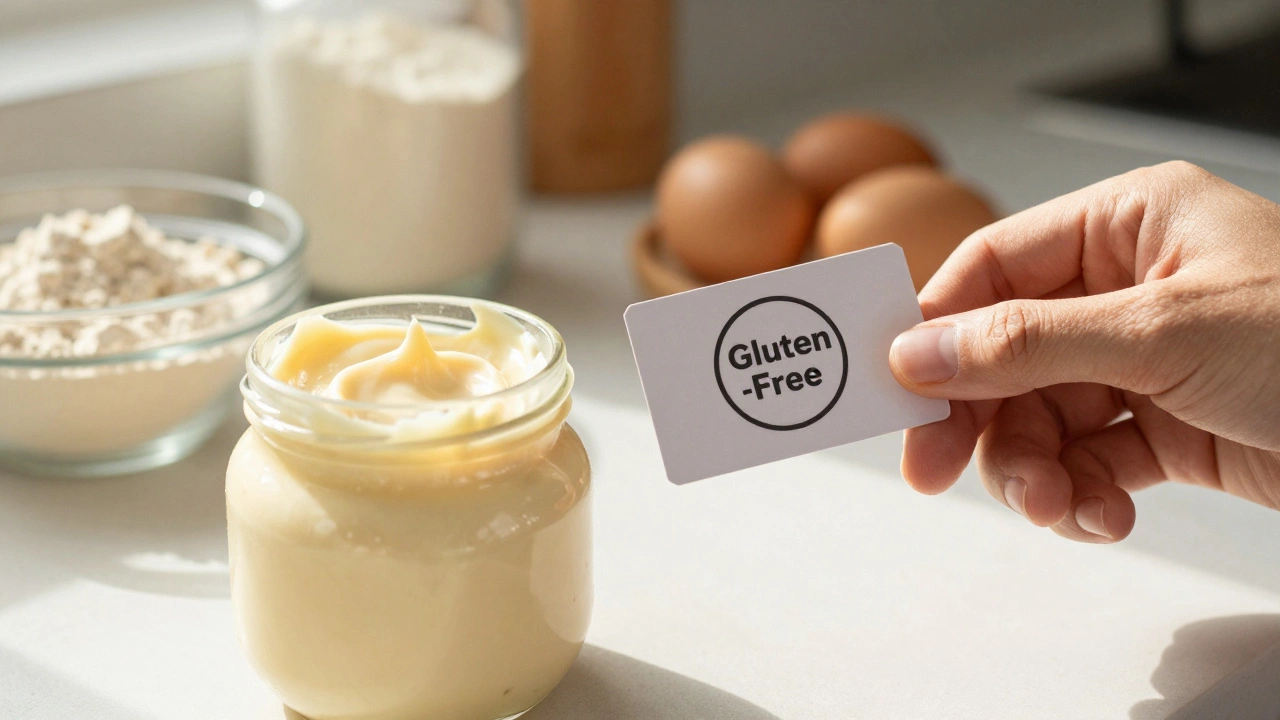
Discover if mayonnaise is gluten-free and safe for celiac diets. Learn to spot hidden gluten in ingredients, avoid cross-contamination, and use mayo safely in gluten-free cakes.

Accidentally ate gluten? Learn the best foods and drinks to help move gluten through your system faster and heal your gut lining for a quicker recovery.
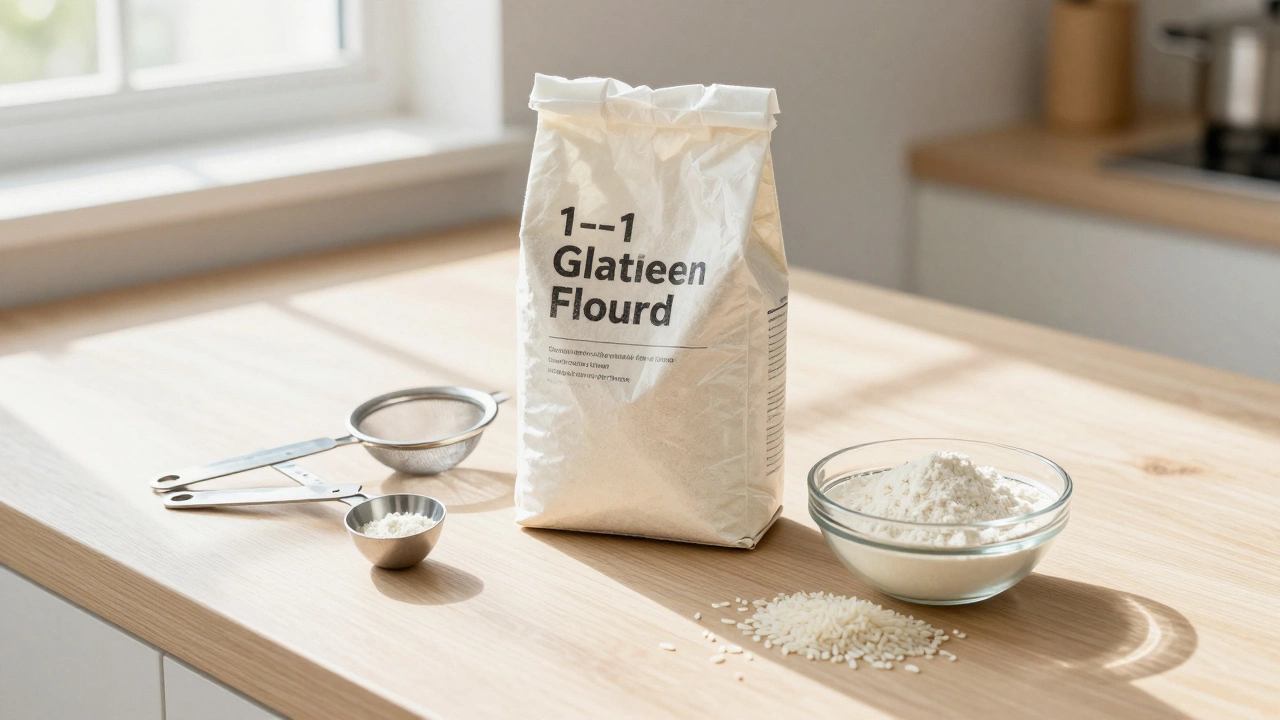
Discover the best gluten-free flour for baking cakes. Compare almond flour, rice blends, and oat flour to get the perfect crumb and moisture every time.
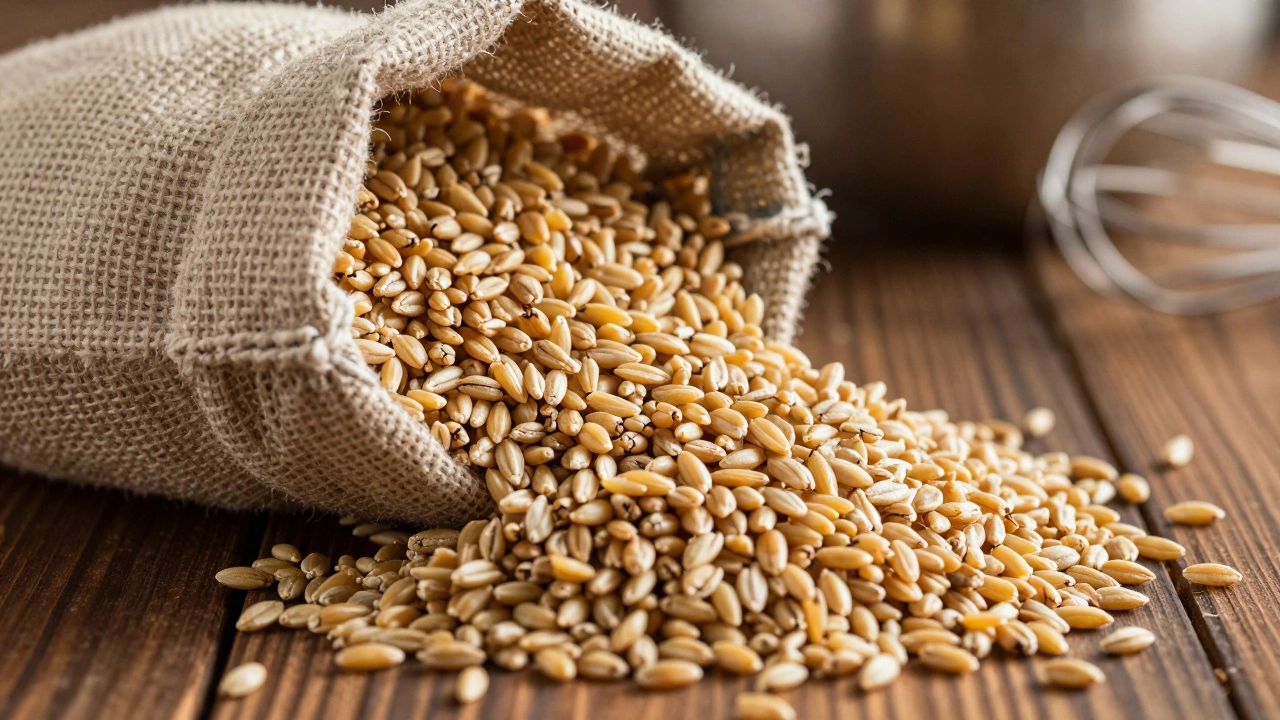
Is bulgur wheat gluten-free? Find out why this healthy grain is unsafe for celiac diets and discover the best gluten-free alternatives for baking and cooking.
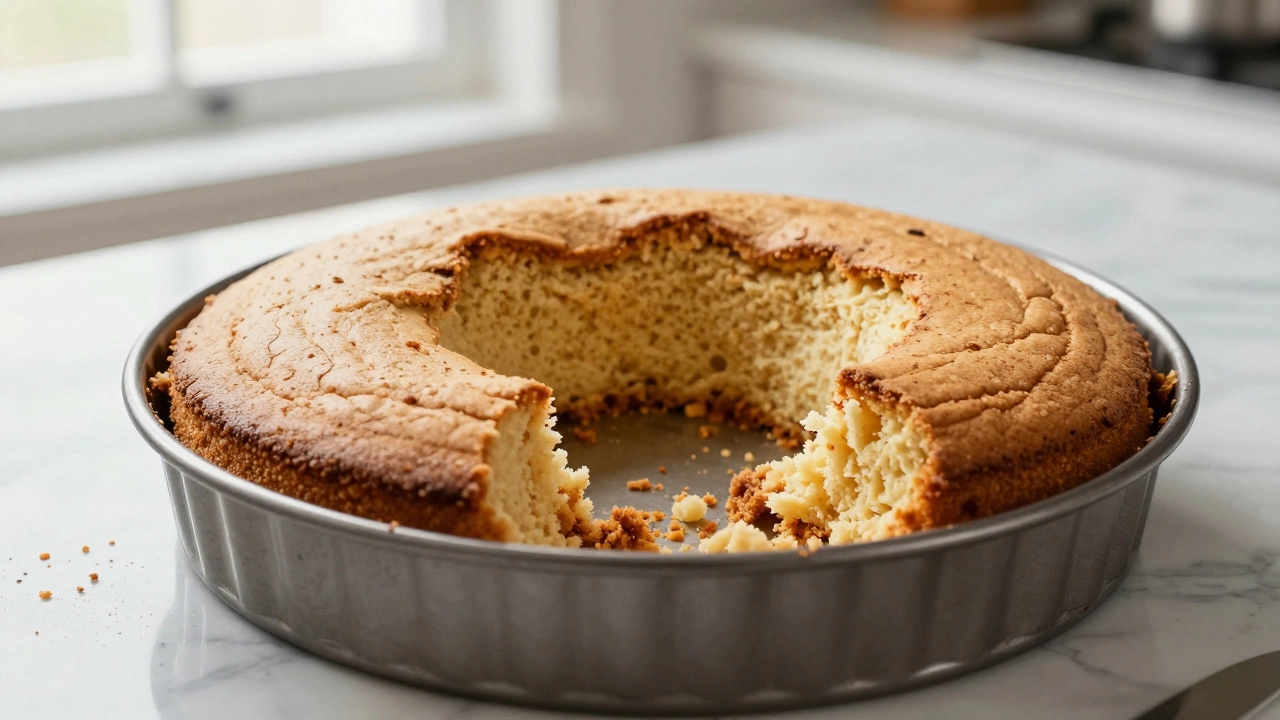
Discover why gluten-free cakes sink in the middle and learn how to fix it. We explore the chemistry of gluten, binders like xanthan gum, and oven tips for a perfect rise.
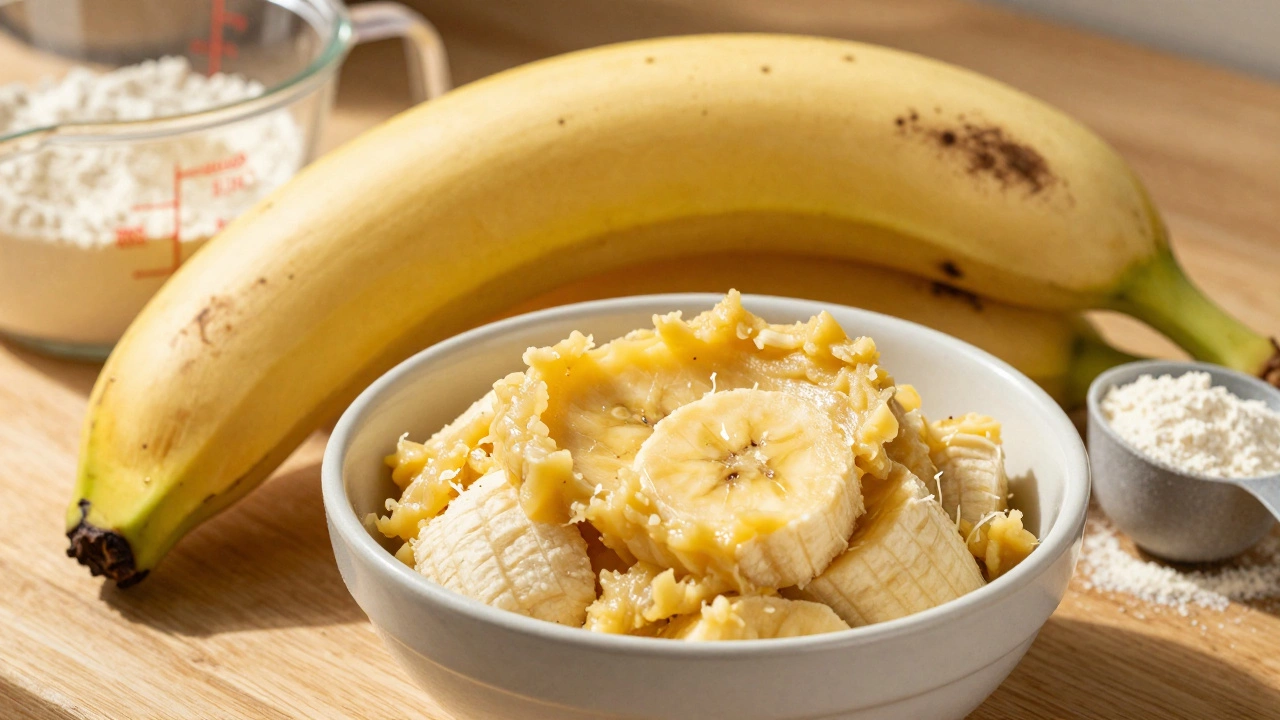
Bananas are naturally gluten-free and a staple in gluten-free baking. Learn how to use them safely in cakes, avoid cross-contamination, and choose the best ripe bananas for moist, delicious results.
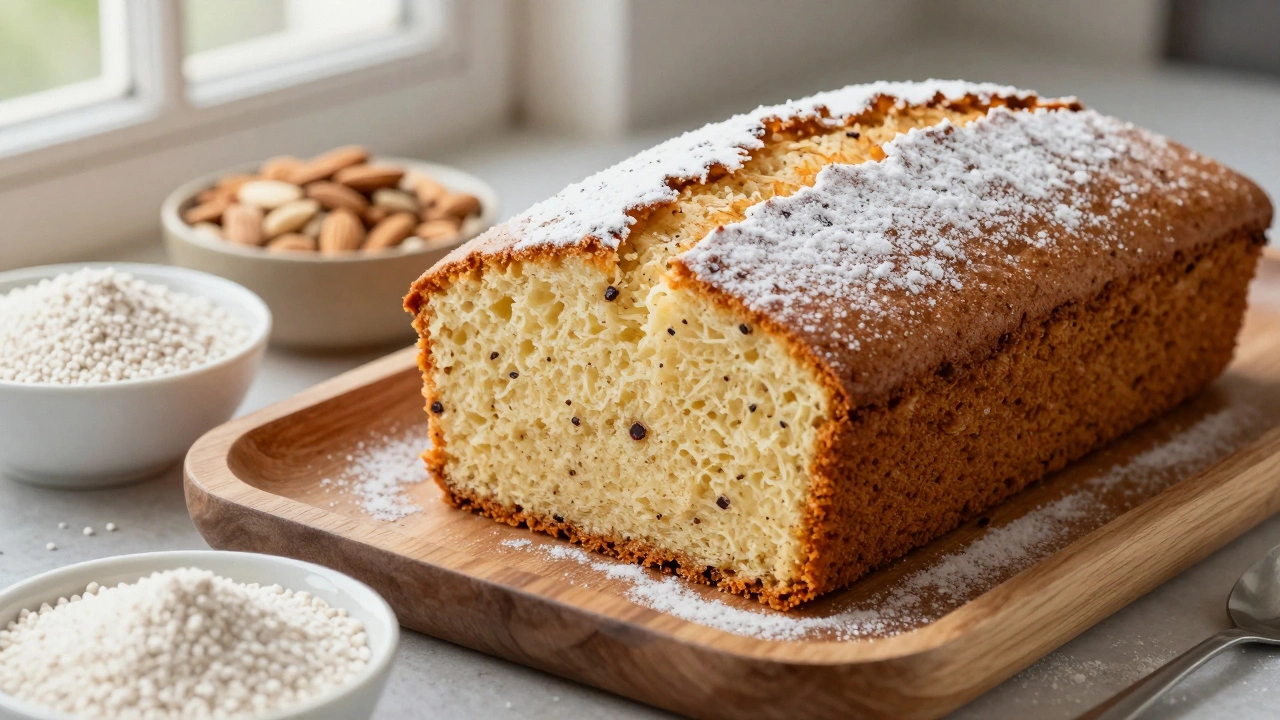
A gluten-free cake is baked without wheat, barley, or rye. It uses alternative flours and binders like xanthan gum to mimic texture. Moisture is key-add yogurt, oil, or syrup to prevent dryness. Certified blends and careful baking make it just as delicious as traditional cake.
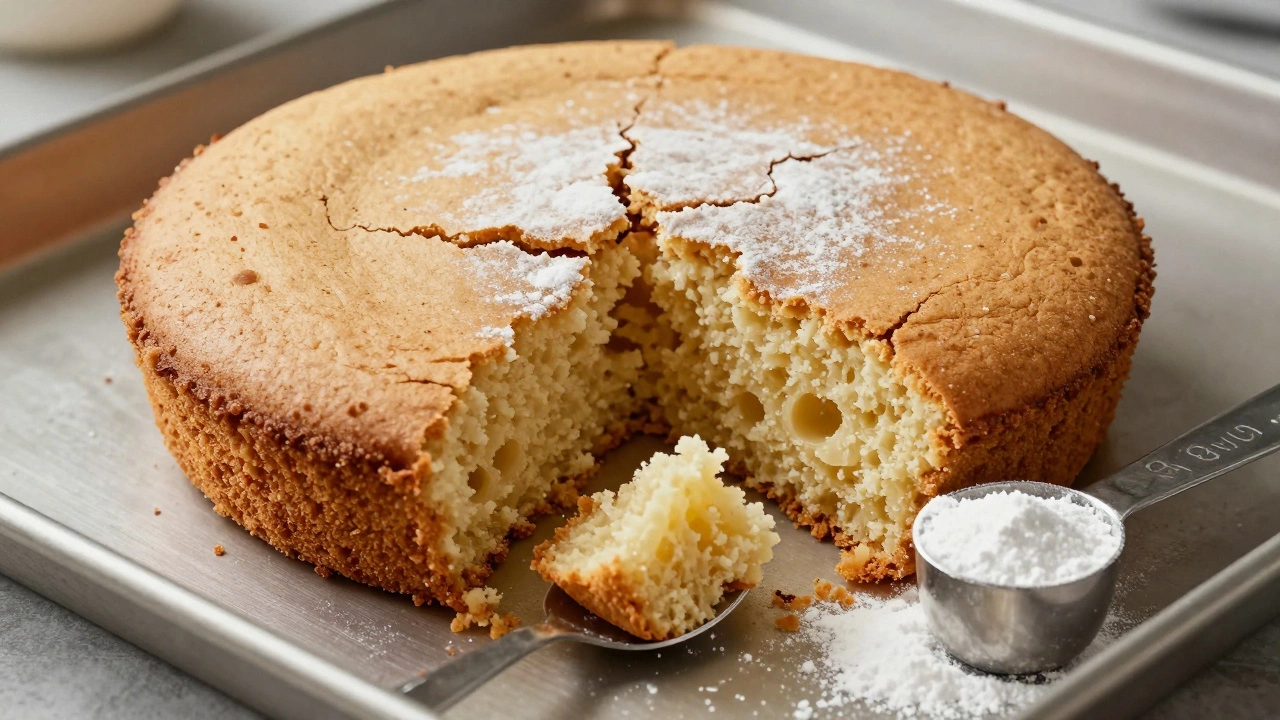
Gluten-free cakes don’t need more baking powder - they need better structure. Learn the real reasons cakes fall and what actually works to make them light and fluffy without bitterness or grit.