

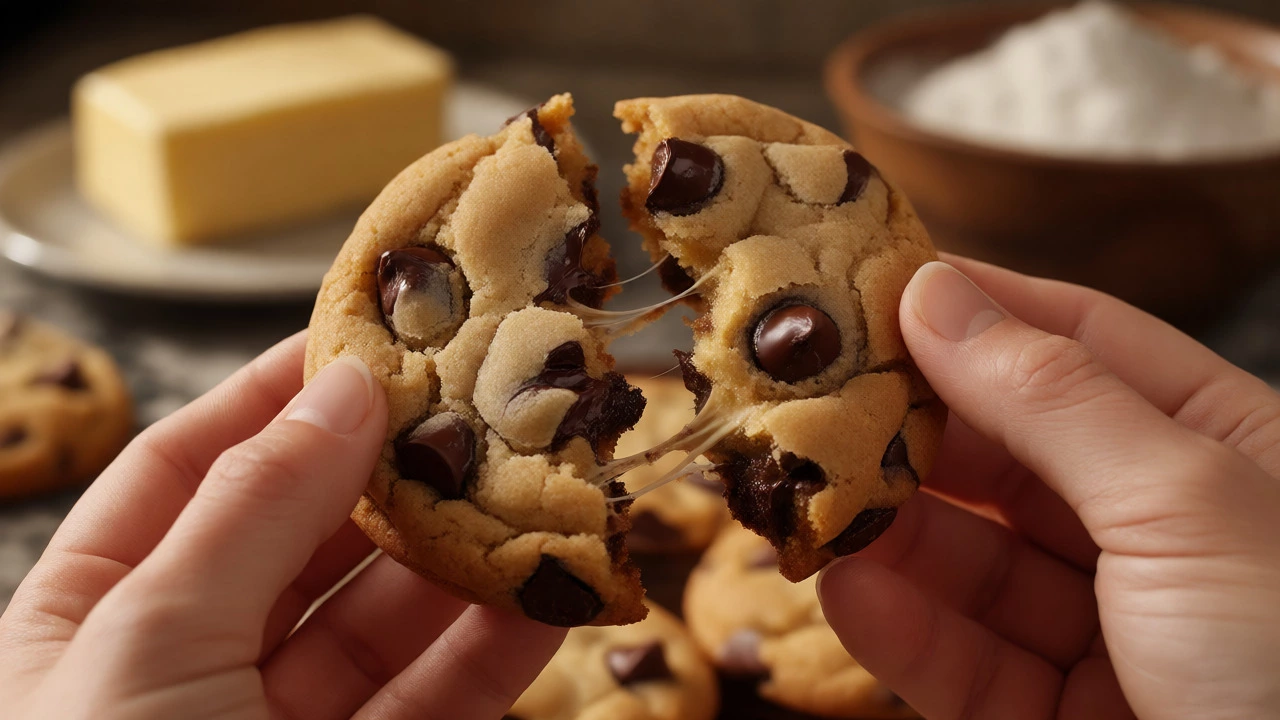
Cookie Texture Architect
Adjust the sliders below to see how changing the balance of key ingredients affects your cookie's final texture. Remember: Baking is chemistry!
Structure
Controlled by Flour Protein
Spread
Controlled by Butter Temp
Moisture
Controlled by Brown Sugar %
Your Cookie Profile: Classic Chocolate Chip
This combination yields a balanced cookie with moderate chew, standard spread, and good shelf life.
You pull a tray of cookies out of the oven. They look golden, they smell incredible, but when you bite into one, it’s either a rock-hard hockey puck or a greasy puddle that spread across the entire sheet pan. What went wrong? You followed the recipe. You measured carefully. So why does your friend’s batch turn out perfectly chewy while yours crumbles apart?
Here is the uncomfortable truth: there isn’t just one most important ingredient in a cookie. It depends entirely on what kind of cookie you are trying to make. If you want a crisp snap, one ingredient rules. If you want a soft, cake-like interior, another takes the lead. Understanding which ingredient controls the outcome gives you the power to tweak any recipe to match your preference.
The Real Answer Depends on Your Goal
Most baking guides will tell you flour is the backbone. That’s true for structure. But if you use too much flour, you get dryness. If you use too little, you get collapse. The "most important" ingredient changes based on whether you prioritize texture, flavor, or structure. Let’s break down the three heavy hitters and see who wins in different scenarios.
Which ingredient determines if a cookie spreads?
Butter is the primary driver of spread. Its melting point and temperature at the time of mixing dictate how far the cookie travels before the structure sets.
Flour: The Structural Skeleton
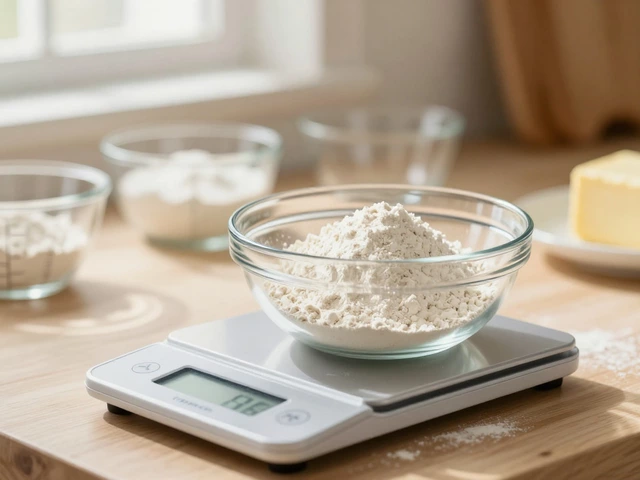
If you removed flour from a cookie, you wouldn’t have a cookie; you’d have a sweet, fatty custard. All-purpose flour is a wheat-based powder containing gluten-forming proteins (gliadin and glutenin) that create a network to trap gas bubbles during baking. This network provides the shape and chewiness we associate with classic chocolate chip cookies.
Not all flours are created equal. In New Zealand, our standard plain flour usually has a protein content of around 10-11%. This is moderate. If you want a tougher, chewier cookie (like those bakery-style giants), you might switch to bread flour, which sits at 12-14% protein. More protein means more gluten, which means more resistance to biting through. Conversely, using cake flour (8-9% protein) yields a tender, almost sandy texture because less gluten forms.
Here is a quick rule of thumb I use when testing new recipes:
- Too flat? Add 1-2 tablespoons of extra flour next time.
- Too cakey? Reduce flour by 1-2 tablespoons or swap half for cornstarch.
- Too tough? Stop overmixing once the flour is incorporated. Overworking develops too much gluten.
Butter: The Flavor and Texture Engine
If flour builds the house, butter makes it livable. It carries flavor, adds richness, and-crucially-controls spread. Unsalted butter is a dairy product consisting of approximately 80% fat, 16-17% water, and 1-2% milk solids. When you cream butter and sugar together, you’re actually trapping air bubbles in the fat matrix. These bubbles expand in the heat, giving lift.
But here is where home bakers mess up: temperature. Cold butter holds its shape longer in the oven, resulting in thicker, taller cookies. Melted butter leaks out faster, causing thin, crispy edges. Room-temperature butter (around 18-20°C in my Auckland kitchen) is the sweet spot for balanced chewiness.
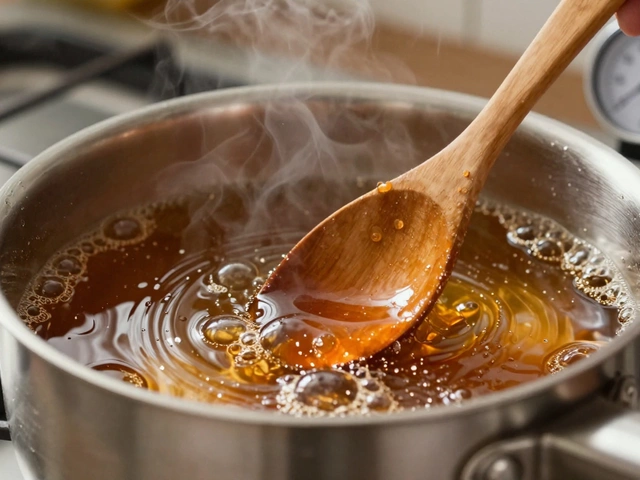
Want to change the game? Brown your butter. By heating the butter until the milk solids toast, you add nutty, toffee-like notes without changing the fat ratio significantly. Just remember to cool it back down to room temperature before mixing, or you’ll scramble your eggs.
Sugar: The Moisture Magnet
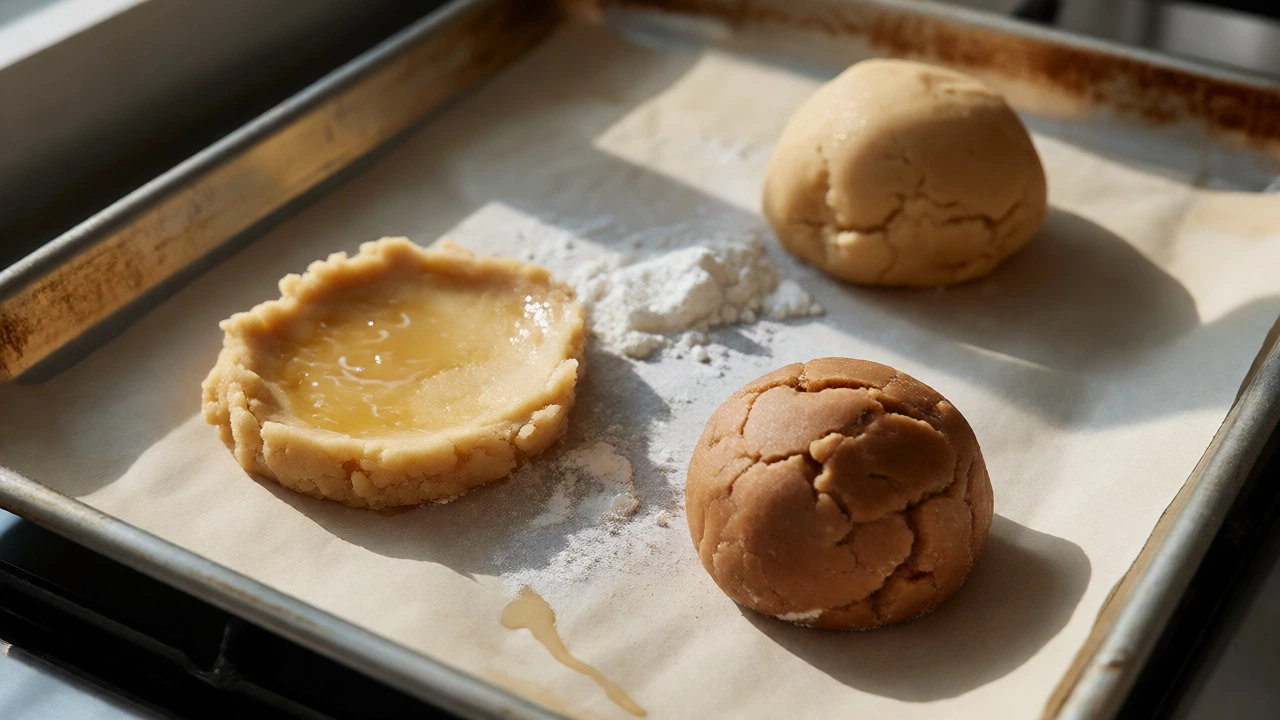
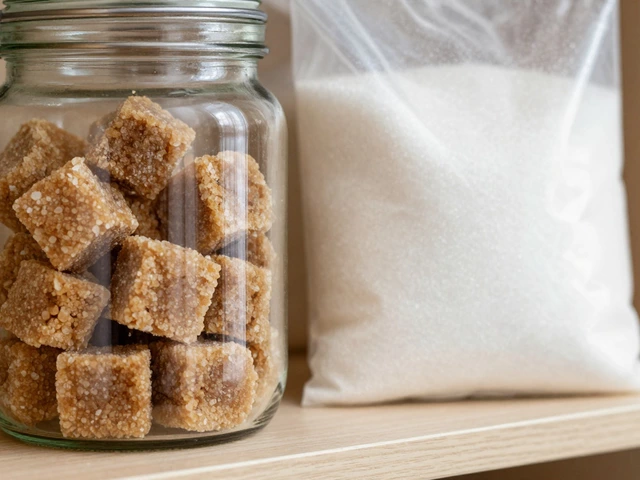
Sugar isn’t just for sweetness. It’s a humectant, meaning it attracts and holds onto moisture. This is why cookies made with brown sugar stay soft for days, while white sugar cookies go stale quickly.
Brown sugar is white sugar coated with molasses, which introduces acidity and hygroscopic properties. The acidity reacts with baking soda to create carbon dioxide, adding lift. The molasses also interferes with gluten formation, making the cookie tender.
Granulated white sugar is pure sucrose crystals that promote spreading and browning through caramelization. It creates crisp edges because it doesn’t hold water as aggressively as brown sugar.
A pro tip: If your cookies are always dry, increase the ratio of brown sugar to white sugar. Try a 2:1 ratio instead of the usual 1:1. You’ll notice a dramatic difference in chewiness within ten minutes of pulling them from the oven.
How Ingredients Interact: The Balance Sheet
You can’t tweak one ingredient without affecting the others. Baking is chemistry, not magic. Here is how the main players interact:
| Ingredient | Primary Role | Effect of Increasing Amount | Effect of Decreasing Amount |
|---|---|---|---|
| Flour | Structure & Chew | Thicker, drier, potentially tough | Spread more, fragile, gooey center |
| Butter | Richness & Spread | More spread, richer flavor, softer | Less spread, drier, more cake-like |
| Brown Sugar | Moisture & Chew | Softer, moister, darker color | Crispier, lighter color, less moist |
| Egg Yolks | Emulsification & Richness | Fudgier, richer, darker | Lighter, whiter, more cakey |
Common Mistakes That Ruin Cookies
Even with the right ingredients, technique matters. Here are three pitfalls I see constantly in home kitchens.
Overmixing after adding flour. Once the dry ingredients hit the wet ones, mix only until no streaks remain. Every extra stir develops gluten. If you want tender cookies, stop early. A few lumps are fine.
Using cold eggs in warm batter. If your butter is room temp but your eggs are fridge-cold, the batter can curdle. This breaks the emulsion, leading to greasy separation. Take eggs out an hour before baking, or place them in warm water for five minutes.
Ignoring oven hot spots. Not all ovens bake evenly. Rotate your sheet pan halfway through baking. Also, check your actual temperature with an oven thermometer. Many modern ovens run 10-15 degrees hotter than the dial says, burning the bottoms before the centers set.
Choosing Your Weapon: Which Ingredient Matters Most to You?
So, back to the original question. What is the most important ingredient?
- If you want structural integrity: Flour is king. Get the protein content right.
- If you want control over spread: Butter is queen. Manage its temperature and state.
- If you want long-lasting softness: Brown sugar is the secret weapon.
In reality, the "best" cookie comes from balancing these three. Start with a reliable base recipe, then adjust one variable at a time. Change only the flour type. Then try adjusting the sugar ratio. Keep notes. After three batches, you’ll know exactly which ingredient needs tweaking to get your perfect cookie.
Can I substitute margarine for butter in cookies?
Yes, but expect differences. Margarine often contains more water and less fat than butter. This can lead to excessive spreading and a slightly artificial taste. Stick to high-fat margarine blocks rather than tub spreads for better results.
Why do my cookies taste bland even though I added salt?
Salt enhances flavor, but it doesn’t add sweetness. If cookies taste bland, you likely need more vanilla extract or a pinch of salt sprinkled on top immediately after baking. Sea salt flakes provide a burst of contrast that elevates the perceived sweetness.
Does chilling dough really matter?
Absolutely. Chilling solidifies the fat, preventing rapid spread. It also allows the flour to hydrate fully and enzymes to break down starches, creating deeper flavors. Even 30 minutes in the fridge improves texture significantly.
Is cake flour better than all-purpose for cookies?
It depends on the style. Cake flour produces tender, delicate cookies suitable for drop cookies or shortbread. For chewy chocolate chip cookies, all-purpose or bread flour provides the necessary chewiness. Don’t swap blindly without adjusting liquid ratios.
What happens if I use melted butter instead of softened?
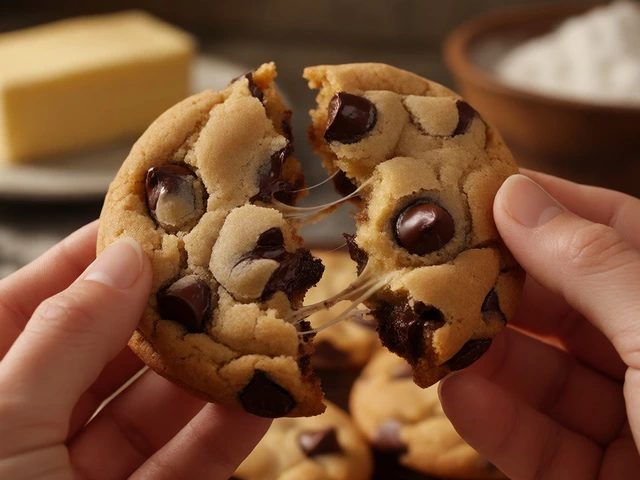
Melted butter creates denser, fudgier cookies with less air incorporation. They spread more initially but set quickly due to higher density. This is ideal for blondies or thick, gooey cookies, but bad for light, airy textures.

Write a comment