What is the Most Important Ingredient in a Cookie? The Science of Flour, Butter, and Sugar
Discover which ingredient truly controls your cookie's texture. Learn how flour, butter, and sugar interact to determine chewiness, spread, and flavor.

Cookies are the go‑to treat for almost every occasion. Whether you crave a soft, melt‑in‑your‑mouth bite or a crunchy snap, the basics stay the same: good ingredients, the right technique, and a bit of patience. This guide gives you the practical know‑how to bake better cookies without a science degree.
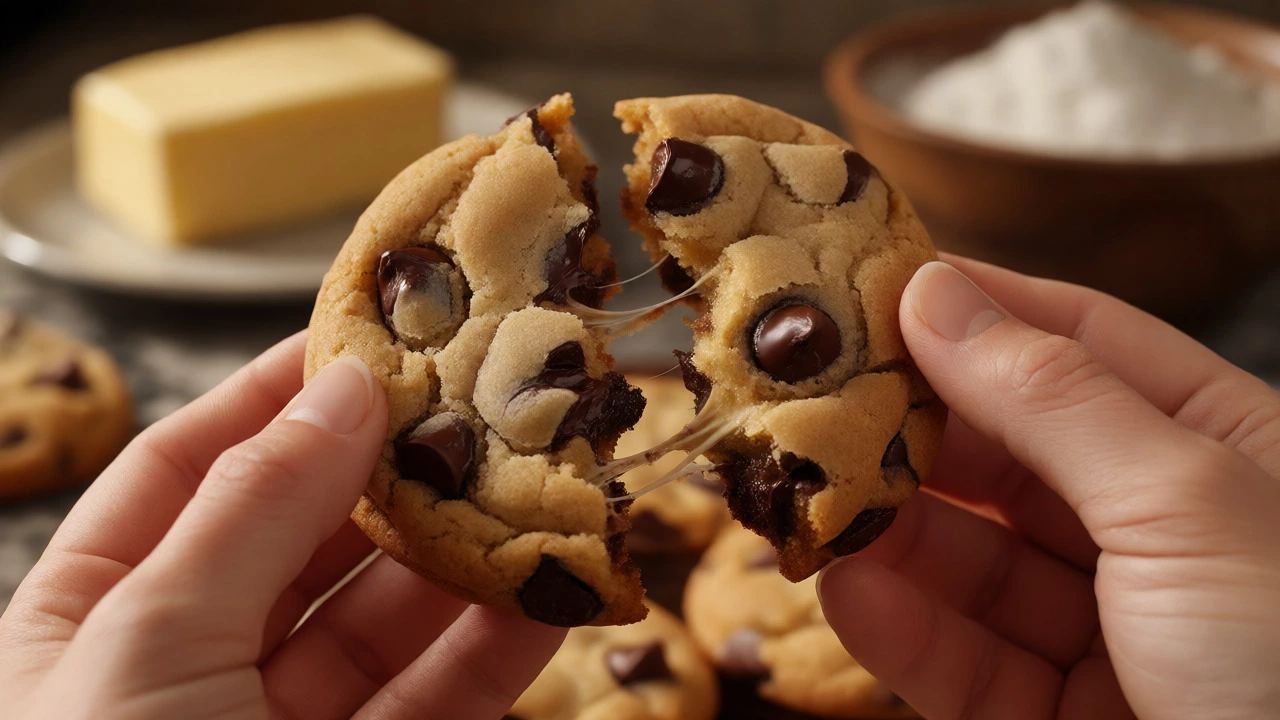
The biggest question most bakers face is why some batches turn out chewy while others end up crisp. The answer lies in three simple factors: sugar type, fat, and baking time. Brown sugar brings moisture and a slight caramel flavor, which keeps cookies soft. White sugar, on the other hand, encourages spread and a crisper edge. If you want a chewy center, balance the two – half brown, half white works for most recipes.
Fat also plays a big role. Butter melts quickly, creating that classic spread and a rich taste. Oil stays liquid longer, giving a flatter, denser cookie that stays soft longer. Swap half the butter for oil when you need a tender, cake‑like texture. Adjusting oven temperature by just 10‑15°F can make a huge difference too – lower heat lets the cookie set before it spreads too far, preserving a soft interior.
Stick to the basics: flour, sugar, fat, an egg, and a leavening agent. Each ingredient does a specific job. Flour provides structure, so don’t overmix or you’ll get tough cookies. An extra egg adds moisture and a bit of lift, perfect for a pillowy bite. Baking soda creates spread, while baking powder adds height. Knowing which one your recipe calls for helps you troubleshoot quickly.
Tools matter as much as ingredients. A sturdy mixing bowl, a silicone spatula, and a reliable oven thermometer are all you need. If you’re short on time, use a stand mixer on low speed – just enough to combine, not over‑beat. Chill the dough for at least 30 minutes before baking. Chilling firms up the fat, reduces spread, and lets flavors meld, resulting in a more consistent texture.
Now for some quick, actionable tips: scoop dough with a cookie scoop for even sizes, bake on parchment paper to prevent sticking, and rotate the tray halfway through the bake for uniform color. Let cookies cool on the sheet for two minutes before moving them to a wire rack – this finishes the cooking process without making them soggy.
When things go wrong, it’s usually easy to fix. Cookies that spread too much? Add a tablespoon of extra flour or chill the dough longer. Too hard? Reduce baking time by a couple of minutes or lower the temperature. Flat and cakey? Increase the butter ratio or add a pinch more baking soda. Small tweaks keep you from scrapping an entire batch.
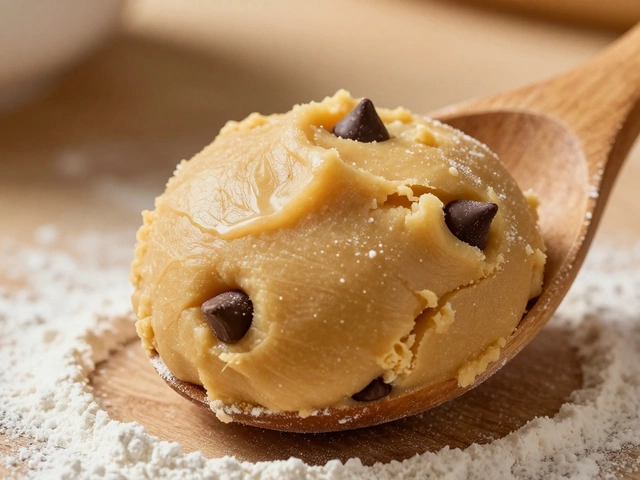
Experimenting is part of the fun. Try adding oats for chew, mix in chocolate chips for richness, or sprinkle sea salt on top for contrast. The more you play with flavors and textures, the better you’ll understand how each change impacts the final result.
Ready to bake? Grab a favorite recipe, follow these tips, and you’ll be pulling perfectly soft, chewy, or crisp cookies out of the oven in no time. Happy baking!
Discover which ingredient truly controls your cookie's texture. Learn how flour, butter, and sugar interact to determine chewiness, spread, and flavor.
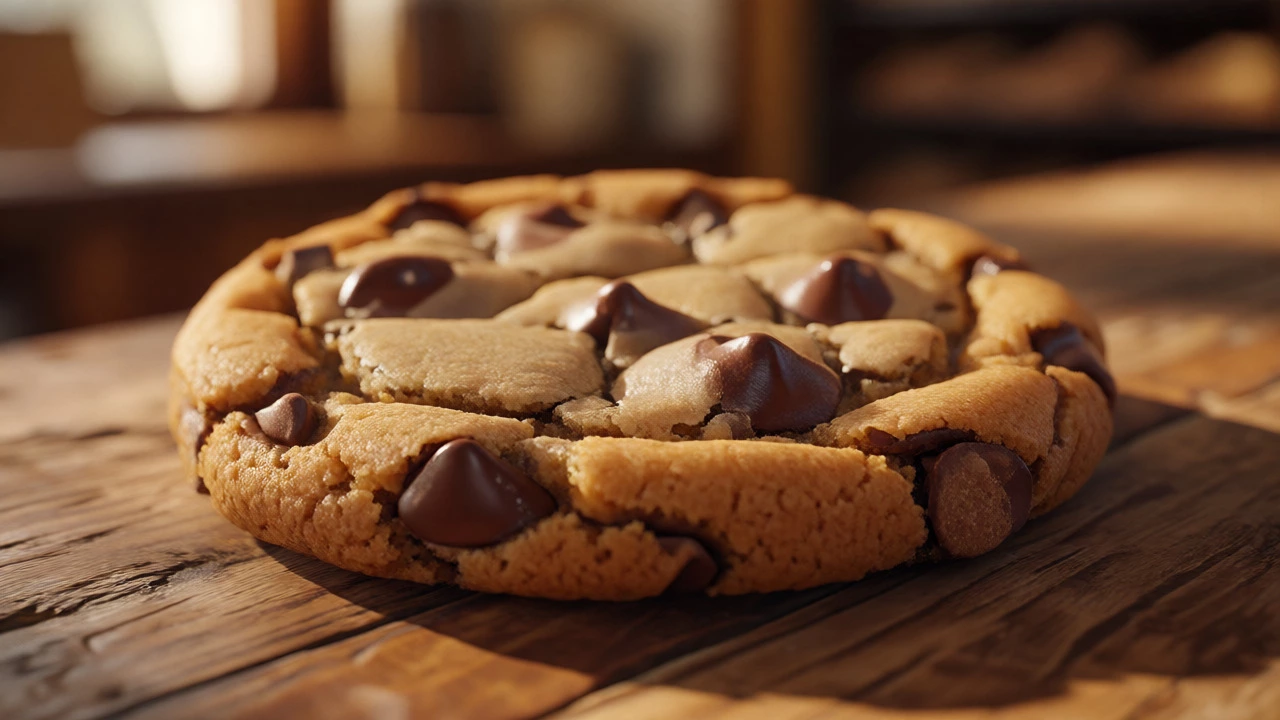
Discover the world's most popular cookie and why chocolate chips still reign supreme. Learn about regional favorites like Anzac biscuits and trending stuffed varieties.
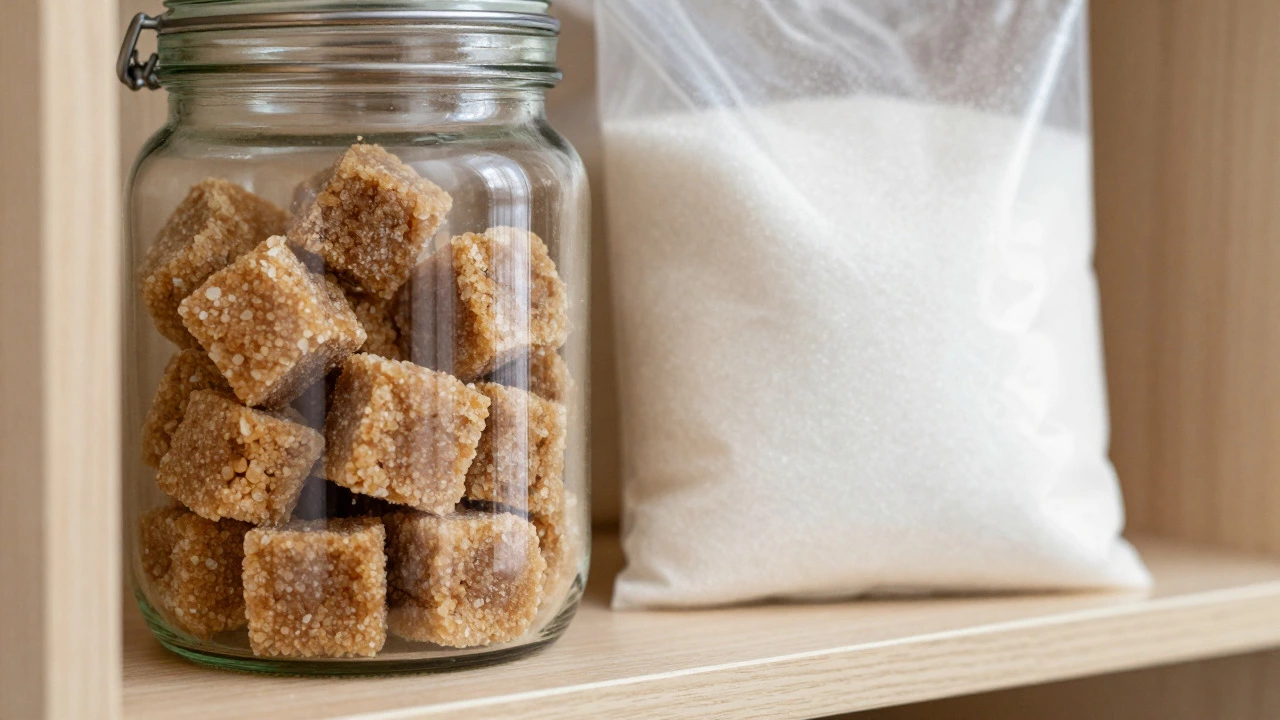
Wondering if you can skip brown sugar in cookies? Learn how it affects texture and flavor, plus easy substitutes like molasses or honey to keep your cookies soft and delicious.
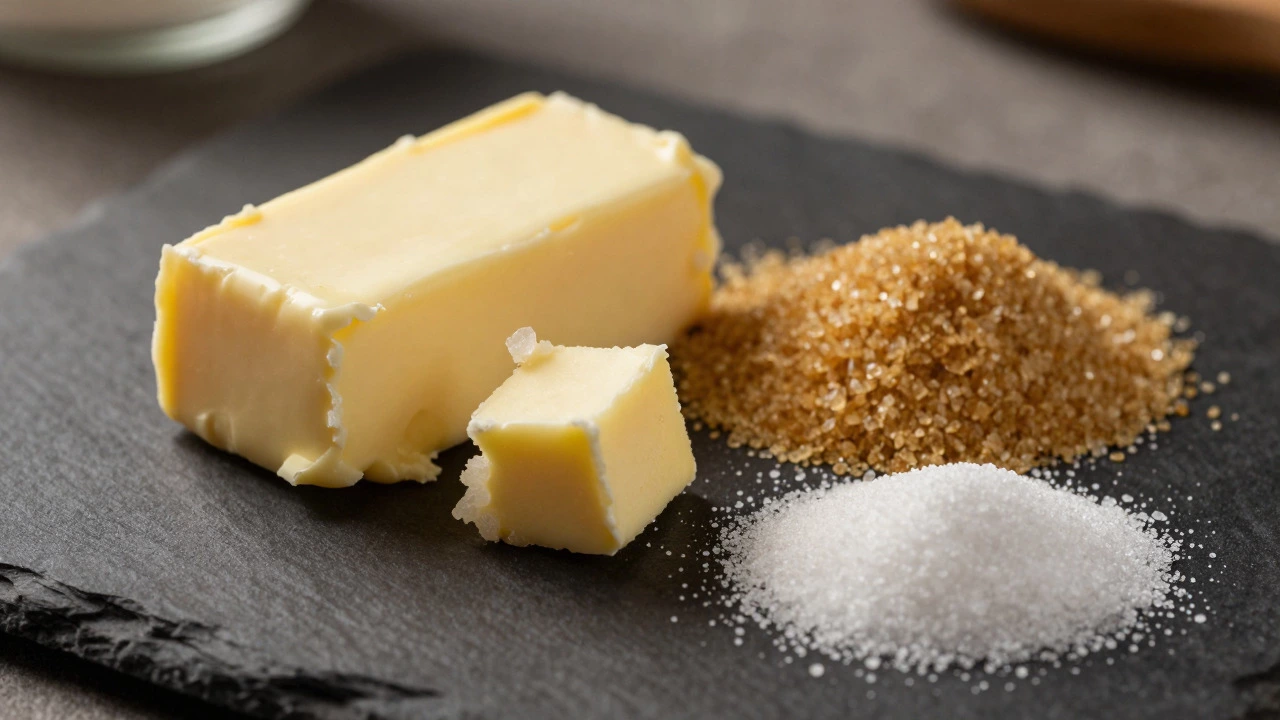
Discover the scientific secrets behind perfect homemade cookies. Learn how butter temperature, sugar ratios, and chilling techniques create chewy, crispy, or soft textures every time.
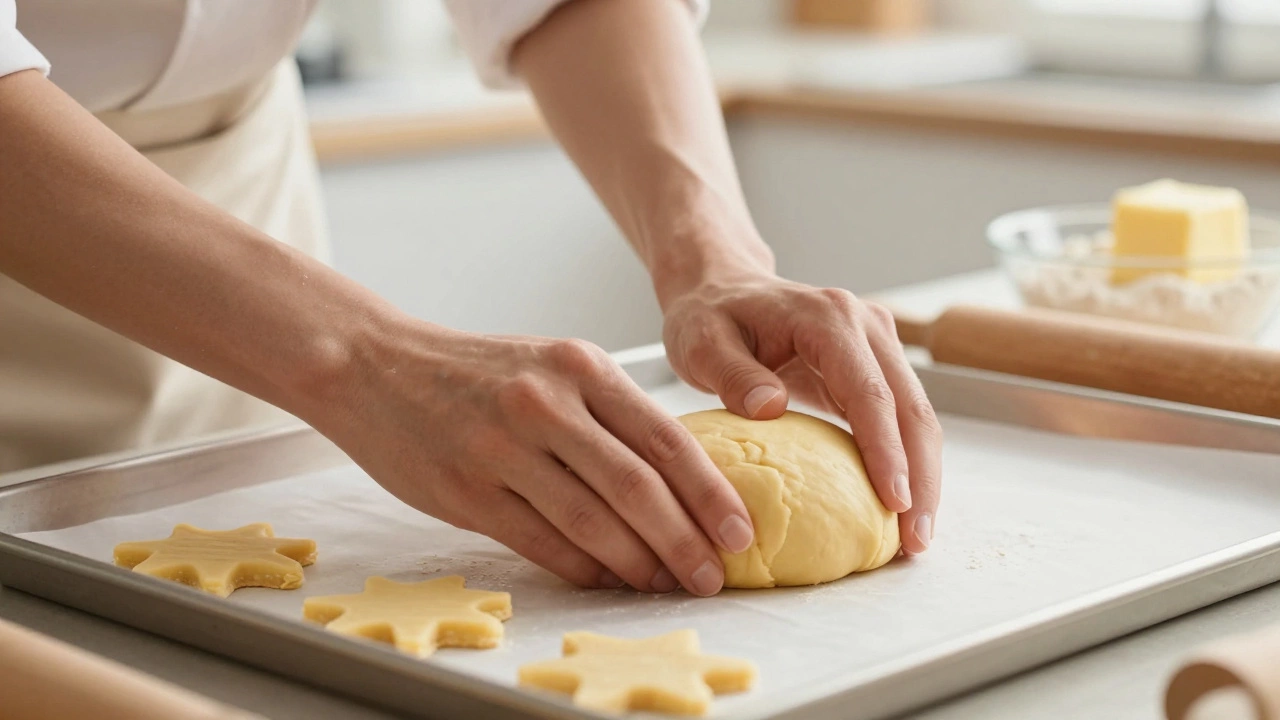
Discover whether you should flatten cookies before baking. Learn how dough temperature, cookie type, and desired texture influence this decision for perfect homemade treats every time.
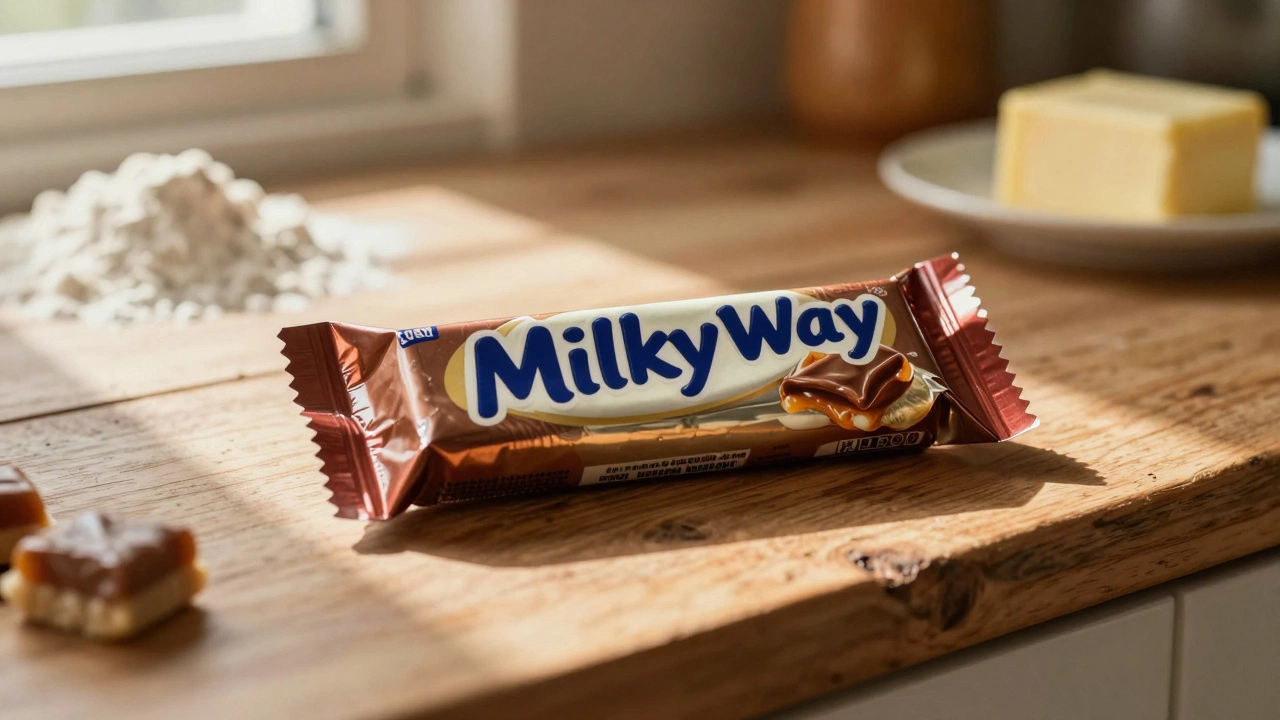
Discover the truth behind the 'Is Milky Way cookie a girl?' myth. Learn about the branding history of Milky Way bars and get a step-by-step recipe for baking delicious Milky Way cookies at home.
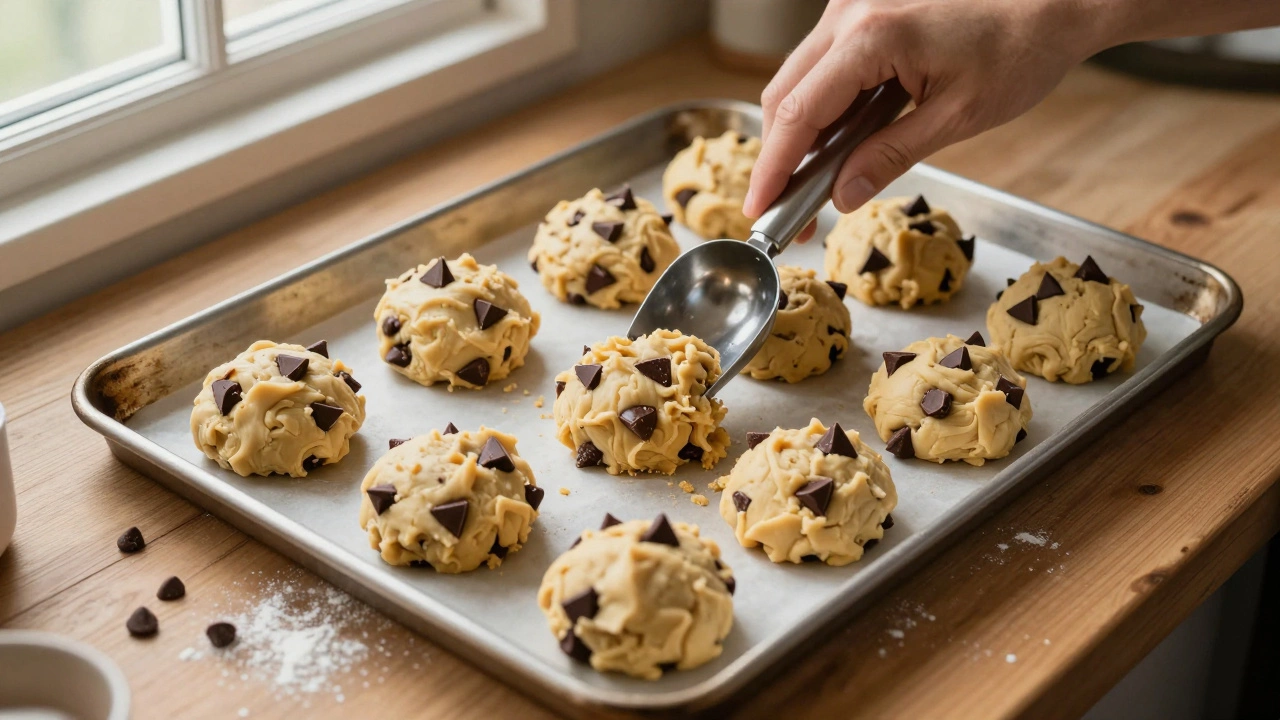
Discover the six fundamental types of cookies, from drop to molded. Learn the science behind their textures and pro tips to master every batch you bake.
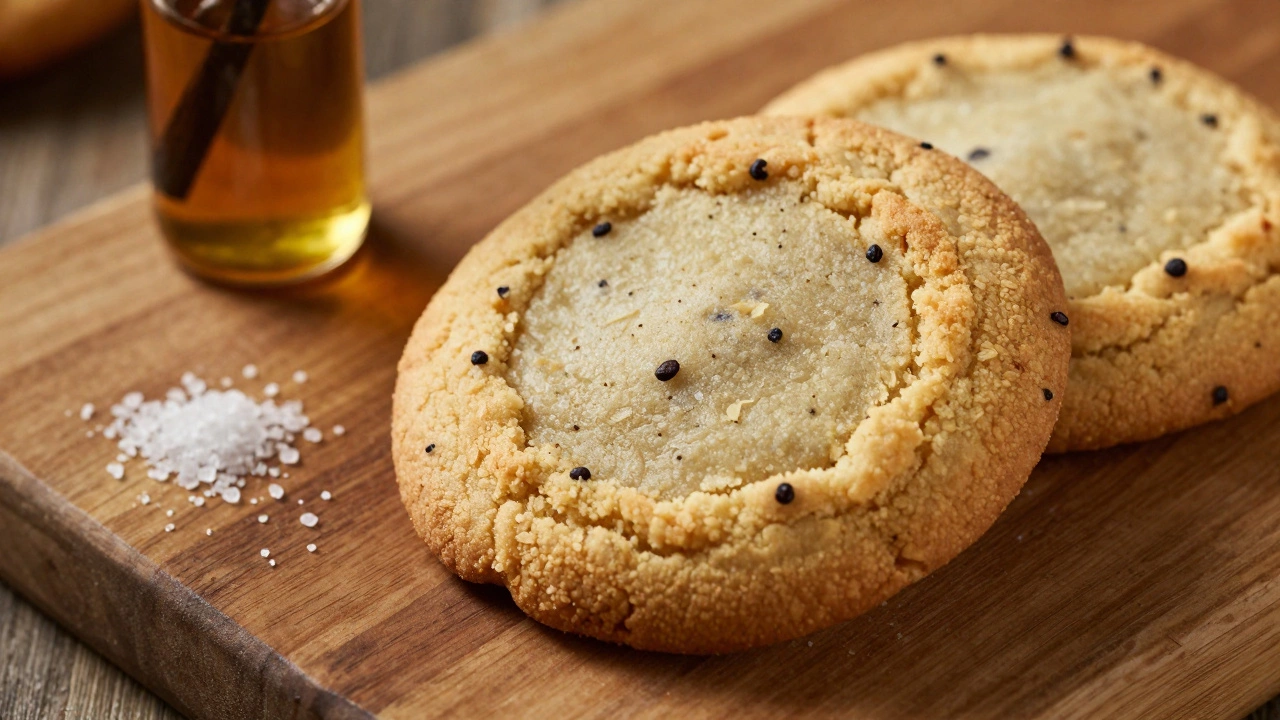
A pure vanilla cookie isn't blind - it's a celebration of real vanilla flavor. Learn why blind baking doesn't apply to cookies and how to make a truly aromatic, chewy vanilla cookie with simple ingredients.
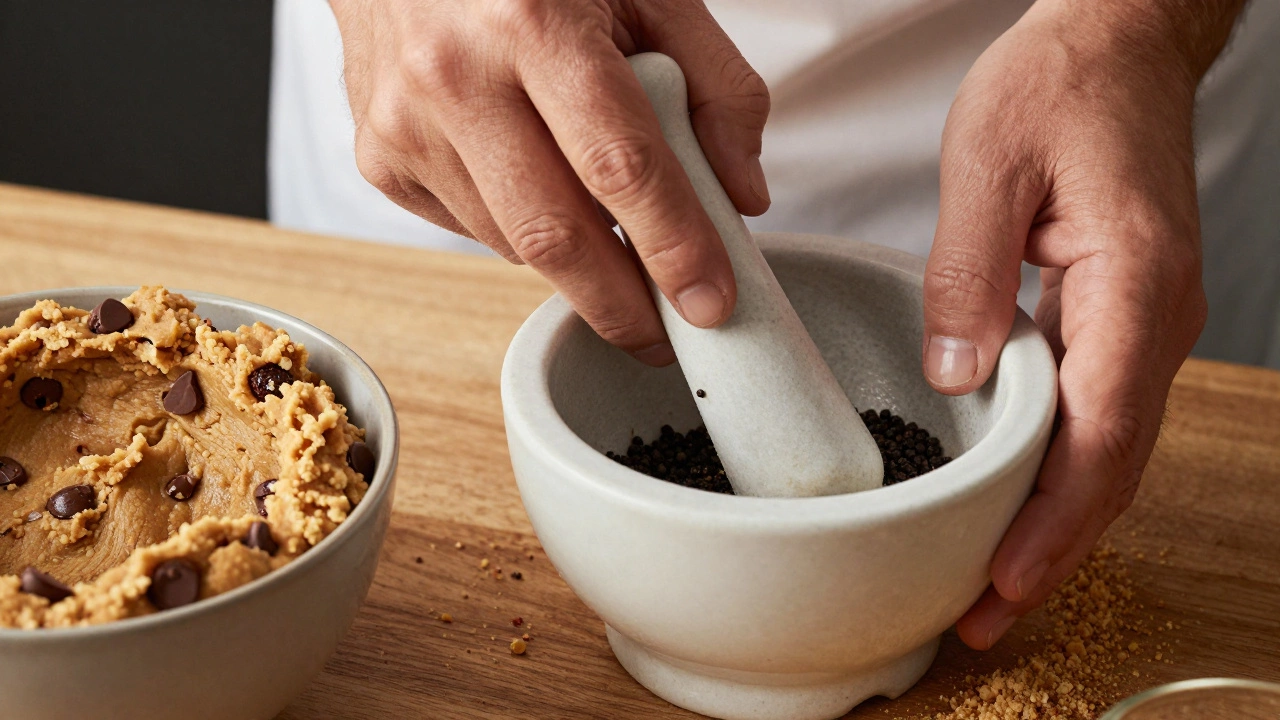
Gordon Ramsay uses black pepper, Ceylon cinnamon, sea salt, cardamom, nutmeg, and clove in his cookies-not for heat, but for depth. These spices don’t overpower; they reveal. Learn how to use them like a chef to transform ordinary cookies into unforgettable treats.
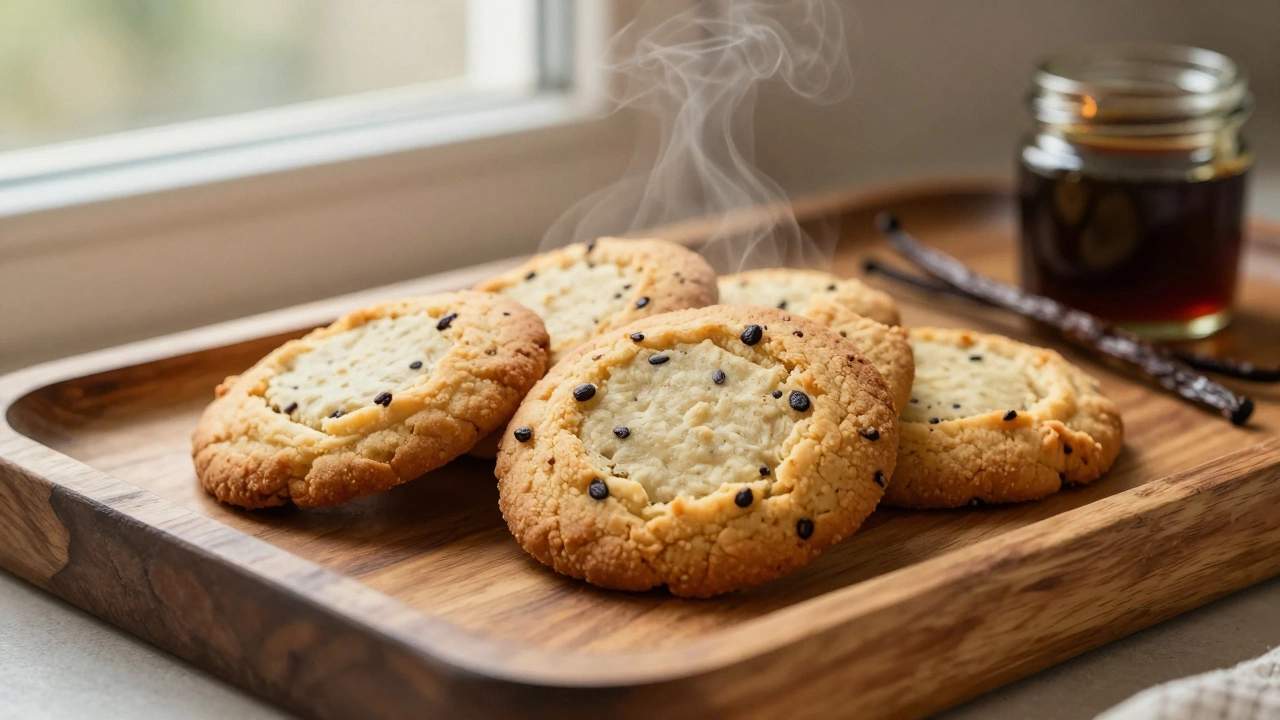
Learn how to make pure vanilla cookies with real vanilla extract or beans. No fake flavors. Just rich, buttery cookies that taste like homemade perfection.
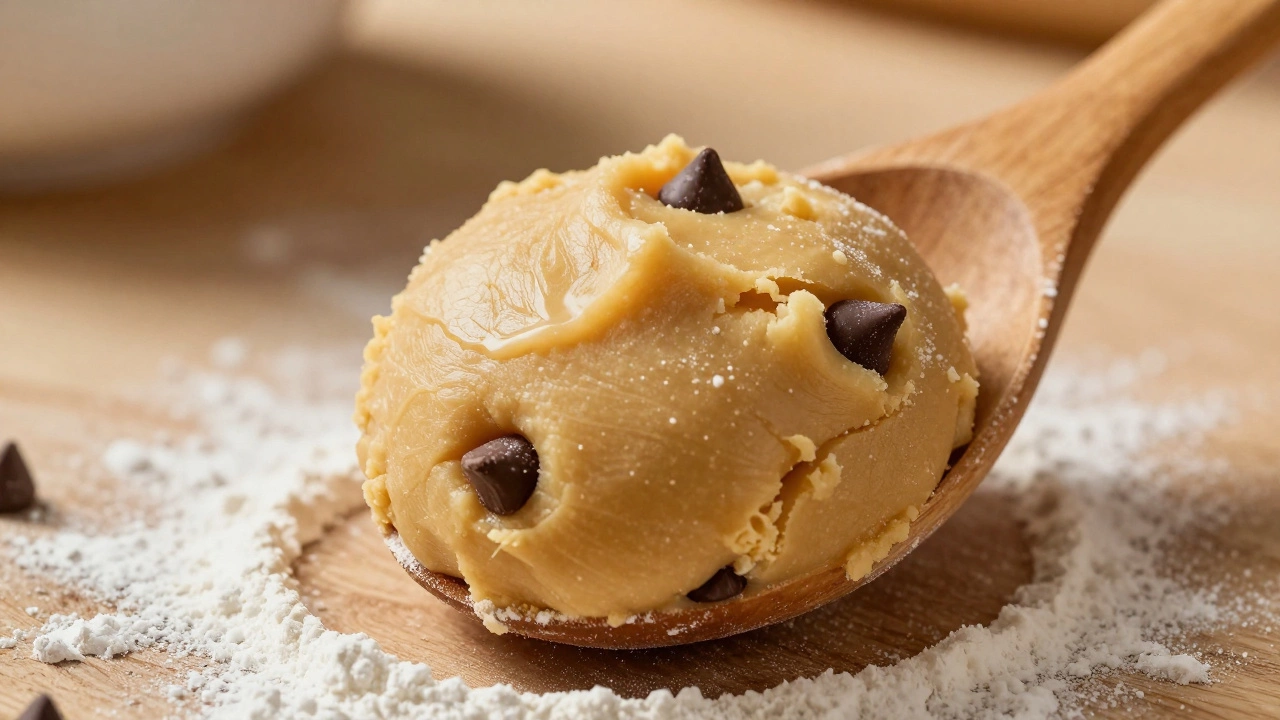
Most cookies are made from dough, not batter. Learn the key differences in texture, ingredients, and baking results so your homemade cookies turn out perfect every time.
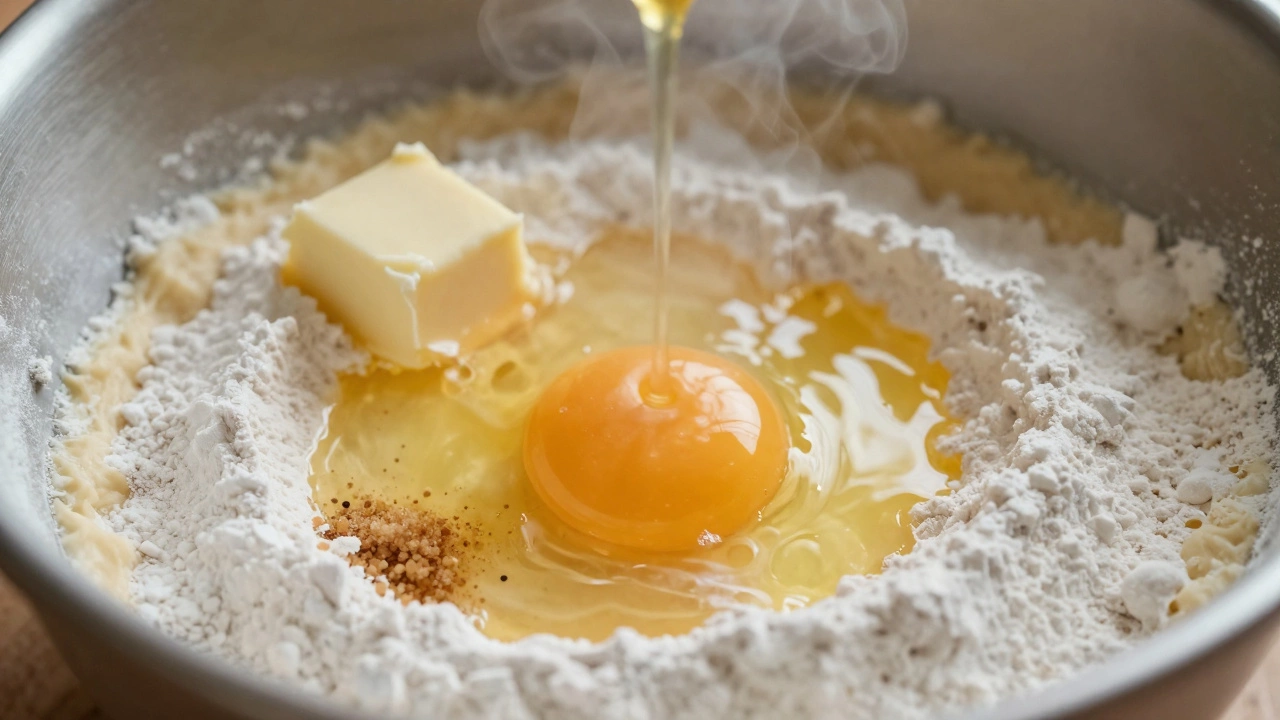
Discover the science behind why homemade cookies turn out crunchy or soft. Learn how sugar, fat, flour, and baking temperature control texture for perfect results every time.