

Cookie Texture Predictor
Select your method to see how it affects your final batch.
Predicted Cookie Profile
You’re standing in your kitchen, staring at a recipe that demands you cream the butter and sugar until fluffy. You’re tired. The mixer is noisy. And honestly? You just want to melt that stick of butter in the microwave and be done with it. But will your cookies turn out like sad, flat discs, or will they actually taste better?
Here’s the truth: you absolutely can melt butter instead of creaming it. In fact, for certain types of cookies, melted butter isn’t just an acceptable shortcut-it’s the secret weapon for getting that chewy, bakery-style texture everyone craves. But if you swap them blindly without understanding why, you might end up with a mess. It all comes down to air, moisture, and how fat behaves when it hits the heat.
The Science Behind the Creaming Method
To understand why melting works (or doesn’t), you first need to know what “creaming” actually does. When you beat solid, cold-but-pliable butter with sugar, you aren’t just mixing ingredients. You’re doing mechanical work. The sharp edges of the sugar crystals cut into the fat, creating tiny pockets of air. These air bubbles are trapped by the gluten network that forms later when you add flour.
When those cookies hit the oven, two things happen. First, the water inside the butter turns to steam, expanding those air pockets. Second, the leavening agents (baking powder or soda) release gas. This expansion gives the cookie height and a cake-like lift. If you skip this step, you lose that structural scaffolding. Your cookies won’t rise as much, but they also won’t spread as wildly because there’s no extra liquid fat rushing out to loosen the dough.
Why Melted Butter Changes Everything
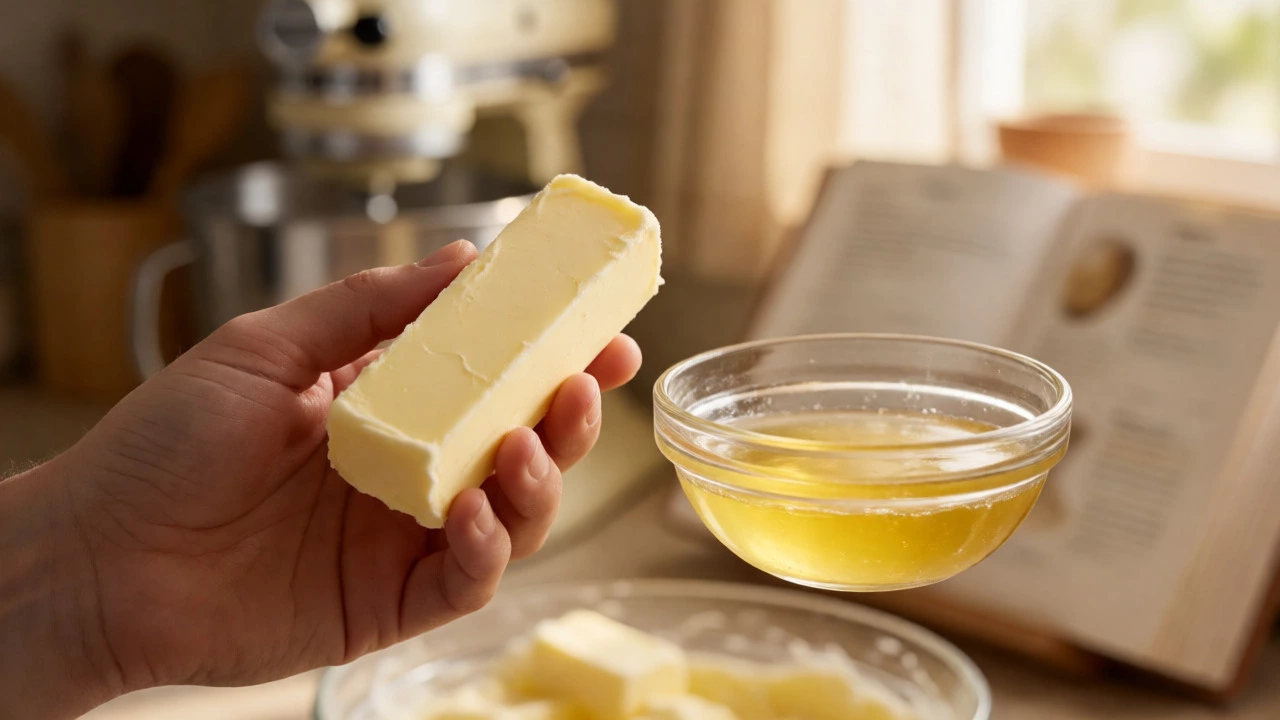
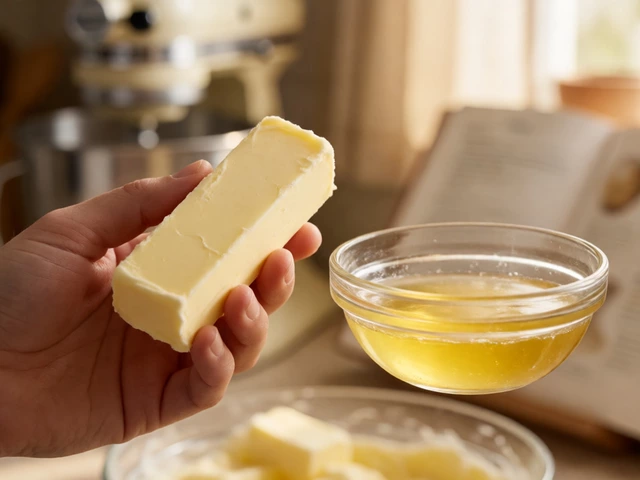
Melting butter breaks the emulsion. Solid butter is a suspension of water droplets in fat. When you melt it, that structure collapses. The water separates from the fat. Now, when you mix this melted liquid with sugar, you don’t get those airy pockets. You get a dense, glossy paste.
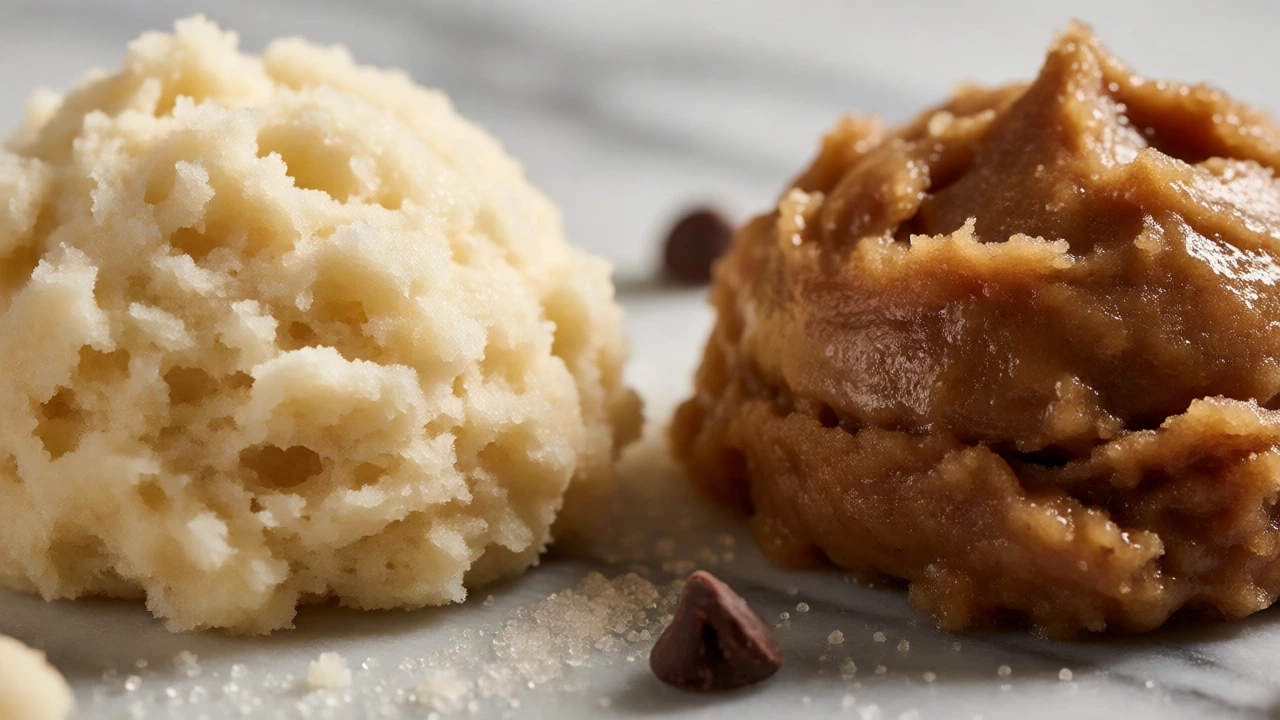
This density is exactly why melted butter cookies are so chewy. Without the air bubbles to expand upward, the dough spreads outward before the proteins set. The result is a thinner cookie with a higher ratio of browned butter solids to flour. Those milk solids toast faster, giving you deep nutty flavors that you simply cannot get from creaming cold butter. Think of classic chocolate chip cookies from Levain Bakery-dense, gooey centers, crisp edges. That’s often melted butter territory.
| Attribute | Creamed Butter | Melted Butter |
|---|---|---|
| Texture | Cakey, light, tender crumb | Chewy, dense, fudgy interior |
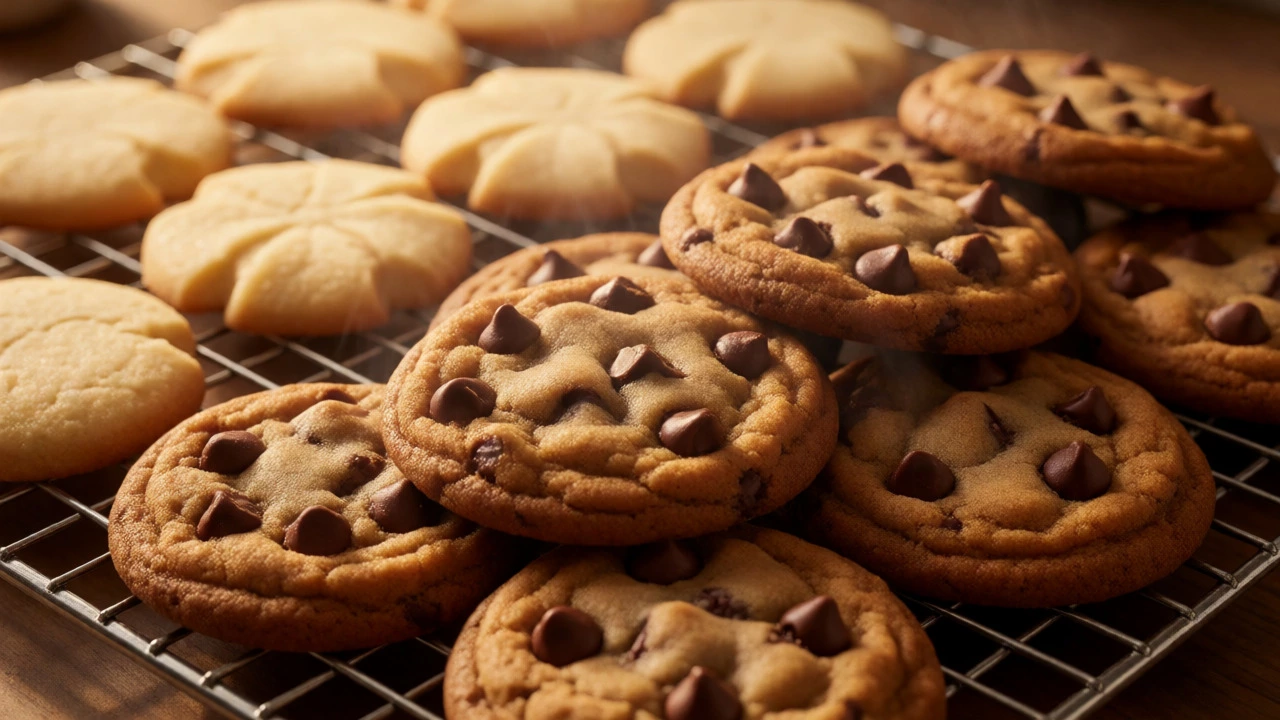
| Spread | Controlled, holds shape well | High spread unless chilled |
| Flavor Profile | Bright, dairy-forward | Nutty, toasted, complex |
| Best For | Sugar cookies, shortbread, snickerdoodles | Chocolate chip, oatmeal, blondies |
Which Cookies Love Melted Butter?
Not every cookie wants to be melted. Sugar cookies that need to hold intricate shapes for icing? Keep the mixer running. Shortbread, which relies on that sandy, crumbly texture from coating flour particles in solid fat? Definitely cream it.
But if you’re making chocolate chip cookies, drop cookies where flavor depth and chewiness are prized over height, melted butter is superior. The same goes for oatmeal raisin cookies. The oats absorb moisture differently when the fat is already liquid, leading to a more cohesive, less crumbly bite. Brownies and blondies also benefit massively from melted butter, especially if you brown it first. Browning adds Maillard reaction flavors-those savory, toasty notes-that elevate a simple sweet treat into something sophisticated.
How to Do It Right: Avoiding the Flat Cookie Disaster
If you just dump hot melted butter into your sugar and eggs, you’ll scramble the eggs and create a greasy puddle. Here is the workflow that saves your batch:
- Melt and Cool: Melt the butter gently. If you want brown butter, cook it until the milk solids turn amber and smell like nuts. Let it cool to room temperature. This is non-negotiable. Hot butter kills yeast (if using) and cooks eggs prematurely.
- Whisk, Don’t Beat: Since you can’t trap air by beating, use a whisk to combine the cooled melted butter with sugars. Whisk vigorously for about 1-2 minutes. You’re trying to dissolve the sugar slightly and create a smooth emulsion, not a foam.
- Add Eggs Carefully: Mix in eggs one at a time. Because the fat is liquid, the mixture might look curdled. Don’t panic. It will come together when you add flour.
- Chill the Dough: This is the critical fix for spread. Melted butter dough is softer and warmer than creamed dough. If you bake it straight away, it will flatten into pancakes. Refrigerate the dough for at least 30 minutes, preferably an hour. This re-solidifies the fat slightly, giving the cookies time to set their structure in the oven before spreading too far.
Troubleshooting Common Issues
Even with the best intentions, things go wrong. If your cookies came out oily, your butter was likely too warm when mixed, causing the fat to leak out during baking. Next time, ensure the butter is fully at room temp (around 20°C/68°F) before mixing.
If they were dry and hard, you probably over-mixed after adding flour, developing too much gluten, or baked them too long. Melted butter cookies bake faster because they are thinner. Pull them out when the edges are golden but the center still looks slightly underdone. They will firm up as they cool on the pan.
What if you want the best of both worlds? Try a hybrid approach. Cream half the butter with the sugar for structure, then fold in the other half melted for flavor and chew. This is a favorite trick among professional bakers who want lift without sacrificing density.
Final Verdict: Should You Switch?
Yes, if you prefer chewy, flavorful, rustic cookies. No, if you need delicate, cake-like textures or precise shapes. Baking is chemistry, but it’s also personal preference. Experiment with a small batch first. Note the differences in spread and taste. Once you understand how the state of your butter dictates the final product, you’ll never follow a recipe blindly again. You’ll bake with intention.
Can I substitute melted butter for softened butter in any cookie recipe?
Not in any recipe. While you can physically mix melted butter into most doughs, the texture will change significantly. Recipes relying on chemical leavening (baking powder/soda) and creaming for lift (like sugar cookies or snickerdoodles) may fail to rise properly. Drop cookies like chocolate chip or oatmeal usually improve with melted butter due to increased chewiness and flavor.
Why did my cookies spread too much when I used melted butter?
Melted butter dough is inherently softer and warmer than creamed dough. If you bake it immediately, the fat melts completely before the structure sets, causing excessive spread. To fix this, chill the dough in the refrigerator for at least 30-60 minutes before baking. This firms up the fat and allows the flour to hydrate, reducing spread.
Does browning the butter make a difference?
Yes, significantly. Browning butter involves cooking it past the melting point until the milk solids toast. This creates compounds that give cookies a nutty, caramel-like flavor profile. However, browning evaporates some water content, so you may need to adjust hydration slightly (e.g., adding an extra teaspoon of milk) if the dough feels too dry.
How do I prevent scrambled eggs when adding them to melted butter?
Ensure the melted butter has cooled to room temperature before adding eggs. If the butter is hot, it will cook the egg proteins instantly. Additionally, temper the eggs by whisking a small amount of the butter-sugar mixture into the beaten eggs first, then slowly incorporating that blend back into the main bowl while whisking constantly.
Will melted butter make my cookies greasy?
Only if the emulsion breaks or the dough is too warm. Properly mixed melted butter dough should feel tacky but not slick. If it feels oily, the fat has separated from the water phase. Chilling the dough helps re-emulsify the components and ensures even distribution of fat throughout the crumb.



Write a comment