

Gluten-Free Food Checker
Check Your Food
Why This Matters
Over 90% of plain popcorn is gluten-free, but 18% of pre-mixed spices contain hidden gluten. Always check ingredients!
Most people think gluten-free means giving up bread, pasta, and cakes. But what if I told you your pantry is already full of gluten-free foods you never thought to count? You don’t need to buy special labels or expensive substitutes to eat safely if you’re avoiding gluten. Many everyday foods are naturally free of gluten - and some of them might surprise you.
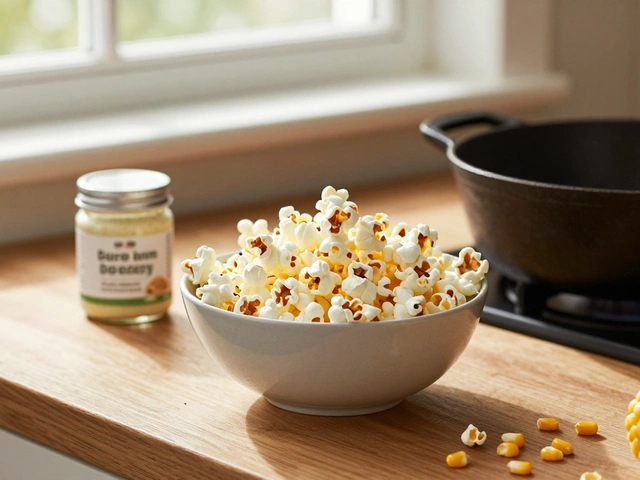
Popcorn Isn’t Just a Movie Snack - It’s a Gluten-Free Powerhouse
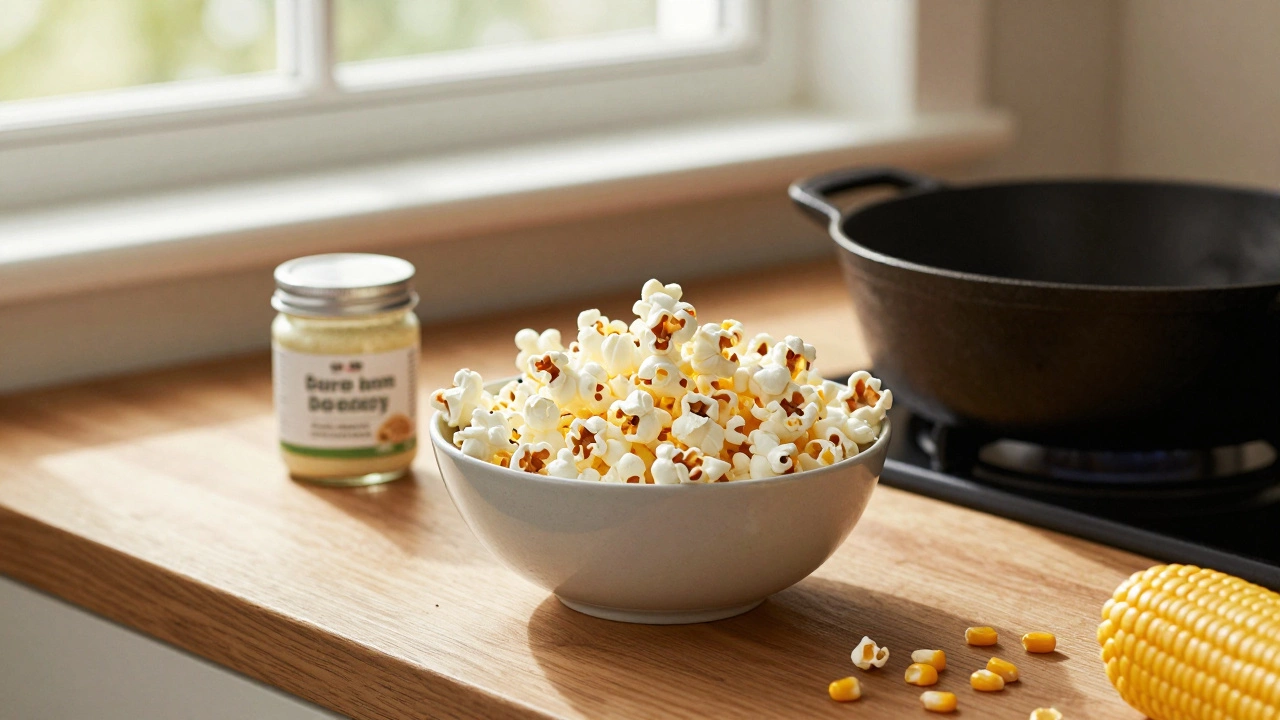
Plain popcorn, made from just corn kernels and oil, is one of the most overlooked gluten-free snacks. Corn is naturally gluten-free, and as long as you skip the flavored varieties with malt vinegar or barley-based seasonings, you’re good to go. A study from the Celiac Disease Foundation found that over 90% of plain air-popped popcorn contains no detectable gluten. Even better? It’s high in fiber and low in calories. Keep a bag of plain kernels on hand, pop them in a pot, and toss with a little salt or nutritional yeast. No gluten. No guilt.
Chocolate - Yes, Really
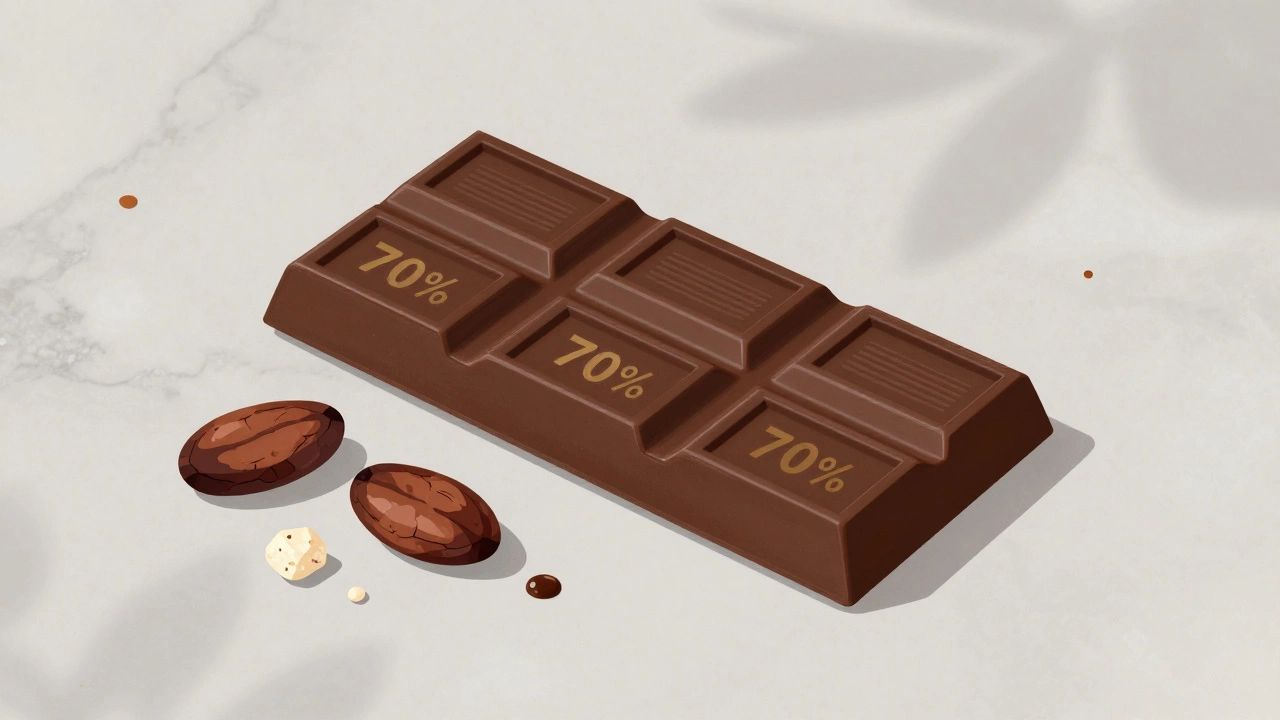
Dark chocolate, especially 70% cacao or higher, is often naturally gluten-free. The main ingredients? Cocoa solids, cocoa butter, and sugar. No wheat. No rye. No barley. But here’s the catch: cross-contamination happens. Many chocolate bars are made on shared equipment with cookies, cakes, or cereal bars that contain gluten. That’s why you need to look for a certified gluten-free label on the package. Brands like Green & Black’s, Lindt Excellence, and Alter Eco have dedicated gluten-free lines. Milk chocolate is trickier - some brands add barley malt or wheat flour as fillers. Stick to dark, check the label, and you’ve got a safe treat that doesn’t feel like a compromise.
Beans and Legumes Are Your Secret Weapon
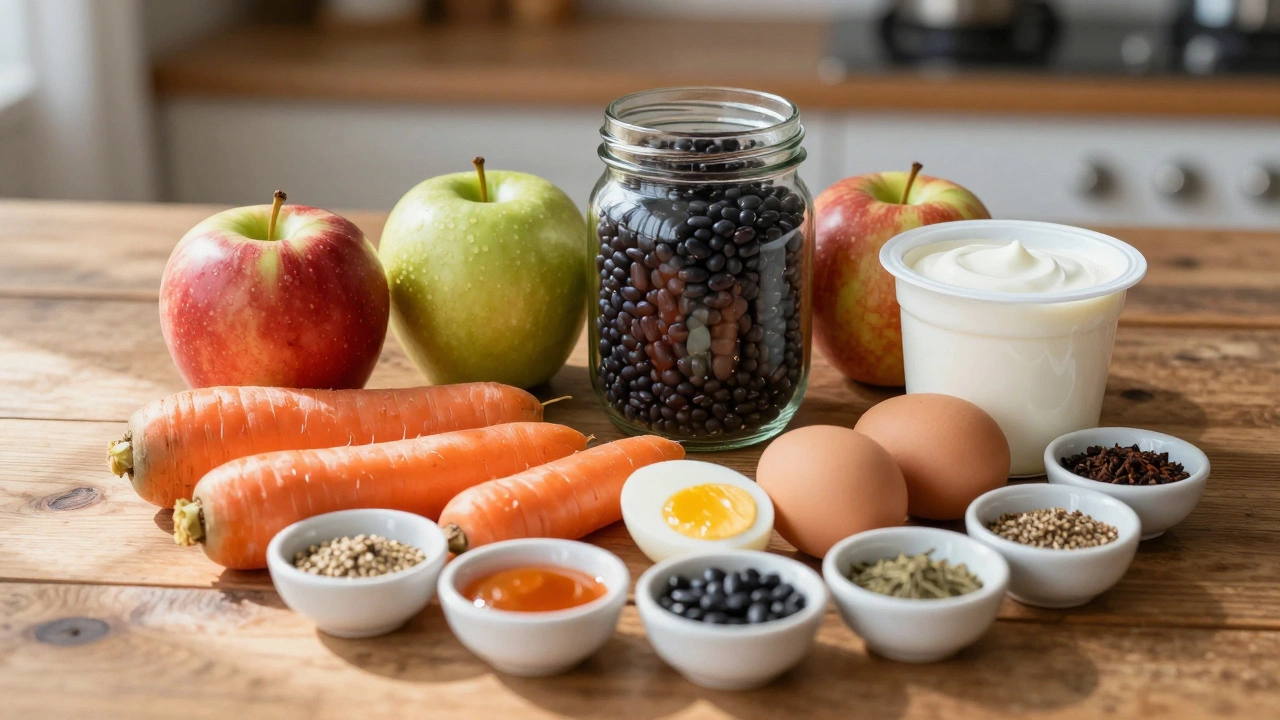
Black beans, lentils, chickpeas, kidney beans - these aren’t just for soups and salads. They’re packed with protein, fiber, and iron, and they’re naturally gluten-free. The problem? Canned beans sometimes come with additives like modified food starch or maltodextrin that can be derived from wheat. Always check the ingredient list. If it says “beans, water, salt,” you’re golden. If it says “beans, water, salt, modified food starch,” dig deeper. In the U.S. and EU, if starch comes from wheat, it must be listed as “wheat starch.” In New Zealand, food labeling is strict - if it’s not labeled as containing gluten, it’s safe. Cook your own from dry beans if you want total control.
Hard-Boiled Eggs? Totally Gluten-Free
It sounds too simple to be true, but plain boiled eggs are one of the most reliable gluten-free snacks. No processing. No additives. Just protein and healthy fats. The only risk? If you buy pre-peeled eggs from a deli counter, they might be dipped in a brine or wash that contains gluten. Stick to whole, unpeeled eggs you boil yourself. Keep a batch in the fridge. Grab one when you’re hungry. It’s quick, filling, and zero gluten.
Plain Yogurt and Cottage Cheese - Read the Fine Print
Plain, unsweetened yogurt and cottage cheese are naturally gluten-free. The cultures used in fermentation don’t contain gluten. But flavored versions? That’s where trouble hides. Some brands add granola, cookie bits, or thickeners like maltodextrin (which can come from wheat). Even “natural flavors” can be a red flag. Look for brands that list only milk and cultures. If you see “starch,” “modified starch,” or “malt,” skip it. In New Zealand, Fonterra’s Anchor Plain Yogurt and Mainland Cottage Cheese are both labeled gluten-free and widely available. Stick to those, and you’ve got a protein-rich snack that’s safe and satisfying.
Most Fruits and Vegetables - But Watch the Coatings
Apples, bananas, carrots, spinach, broccoli - all naturally gluten-free. But here’s what people miss: pre-cut veggies in plastic containers sometimes come with a light glaze or coating to keep them fresh. That glaze? Sometimes it contains wheat starch or modified starch. Same goes for frozen fruit with added syrups or sauces. Always check the ingredients on packaged produce. If it says “fruit, water,” you’re fine. If it says “fruit, water, modified corn starch,” that’s okay - corn is gluten-free. But “fruit, water, modified wheat starch”? That’s a no-go. Stick to whole, unprocessed fruits and veggies when possible.
Spices and Seasonings - The Hidden Trap
Here’s one that catches even experienced gluten-free eaters: spices. Pure ground spices like cumin, paprika, and cinnamon are gluten-free. But many spice blends - especially “seasoning mixes” - contain anti-caking agents made from wheat flour. A 2023 study by the University of Auckland’s Food Safety Lab found that 18% of pre-mixed taco seasonings and curry powders tested contained trace gluten, even when labeled “natural.” Always choose single-ingredient spices or brands that explicitly state “gluten-free” on the label. Simply Organic and Frontier Co-op both have gluten-free certified spice lines. If you’re unsure, grind your own from whole spices.
Alcohol? Yes - But Not All of It
Distilled spirits like vodka, gin, whiskey, and rum are gluten-free, even if made from wheat, barley, or rye. The distillation process removes gluten proteins. The Celiac Disease Foundation confirms this. So a gin and tonic? Safe. A shot of bourbon? Fine. But beer, malt liquor, and wheat-based ales? Not safe. Even “gluten-removed” beers aren’t reliable - they still contain gluten fragments that can trigger reactions. Stick to hard ciders, wine, or distilled spirits with mixers like soda water or fruit juice. And watch out for flavored vodkas - some add barley-based flavorings. Always check the label.
Butter, Oils, and Vinegar - The Quiet Heroes
Butter is just cream. Olive oil? Just olives. Coconut oil? Just coconut. All naturally gluten-free. Vinegar is trickier. White vinegar, apple cider vinegar, and balsamic vinegar are safe. But malt vinegar? That’s made from barley. It’s not gluten-free. Always read the bottle. If it says “malt vinegar,” avoid it. Also, some salad dressings use malt vinegar as a base. Stick to simple olive oil and lemon juice, or choose dressings labeled gluten-free. In New Zealand, brands like Zest and The Healthy Chef have clean, gluten-free dressing lines.
Ice Cream - The Sweet Surprise
Plain vanilla, chocolate, or strawberry ice cream made with milk, cream, sugar, and flavorings is usually gluten-free. But here’s where people get tripped up: mix-ins. Cookie dough, brownie chunks, cake pieces, and cereal swirls? All contain gluten. Even the cone. Stick to single-flavor tubs without mix-ins. Brands like NadaMoo! (coconut-based) and Ben & Jerry’s (many flavors are certified gluten-free) are safe bets. In Auckland, you can find gluten-free ice cream at The Ice Cream Parlor in Ponsonby and Gelato Messina - they even have a dedicated scoop for gluten-free flavors.
What to Do When You’re Not Sure
When in doubt, go back to basics. If a food has one or two ingredients you recognize and can pronounce, it’s likely safe. If it’s got a long list of chemicals or additives you can’t explain, dig deeper. Look for the “gluten-free” certification logo - it means the product was tested and contains less than 20 parts per million of gluten, the international safety standard. In New Zealand, look for the Coeliac New Zealand Tick. It’s your best guarantee.
Don’t Fall for the “Gluten-Free” Trap
Just because something says “gluten-free” doesn’t mean it’s healthy. Gluten-free cookies, cakes, and crackers are often loaded with sugar, fat, and refined starches like rice flour or potato starch. They’re not better for you - just free of gluten. Focus on whole, unprocessed foods first. Your body will thank you. And when you do crave a treat? Make your own. A simple flourless chocolate cake with eggs, dark chocolate, and butter? That’s naturally gluten-free, delicious, and way better than anything from a box.
Are potatoes gluten-free?
Yes, potatoes are naturally gluten-free. They’re a starchy vegetable, not a grain. But watch out for potato dishes that include flour as a thickener - like some mashed potato recipes or frozen hash browns with breading. Stick to plain boiled, baked, or roasted potatoes.
Is coffee gluten-free?
Plain black coffee is gluten-free. The beans themselves contain no gluten. However, some instant coffee blends or flavored coffee syrups may contain gluten additives. Always check the label if you’re unsure. Stick to plain ground or whole bean coffee for safety.
Can I eat soy sauce on a gluten-free diet?
Traditional soy sauce contains wheat. But tamari is a gluten-free alternative made without wheat. Look for “gluten-free soy sauce” or tamari labeled as such. In New Zealand, San-J and Kikkoman both make certified gluten-free versions.
Are nuts gluten-free?
Raw, unprocessed nuts are gluten-free. But roasted or flavored nuts often have wheat-based seasonings or are processed on shared equipment. Look for brands that label their nuts as gluten-free, or buy plain nuts and roast them yourself.
What’s the biggest mistake people make with gluten-free eating?
Assuming all “natural” or “healthy” foods are gluten-free. Things like oats, soy sauce, spice blends, and even some medications can contain hidden gluten. Always read labels - even on things you’ve eaten for years. Cross-contamination is real, and it’s not always obvious.
Start Simple. Build Confidence.
You don’t need to overhaul your whole diet overnight. Start by identifying five foods you already eat that are naturally gluten-free - eggs, apples, almonds, plain yogurt, and dark chocolate, for example. Keep them in your rotation. Slowly replace processed gluten-free products with whole foods. You’ll eat cleaner, save money, and feel better. Gluten-free isn’t about restriction. It’s about discovering what’s already safe - and delicious - in your kitchen.




Write a comment