

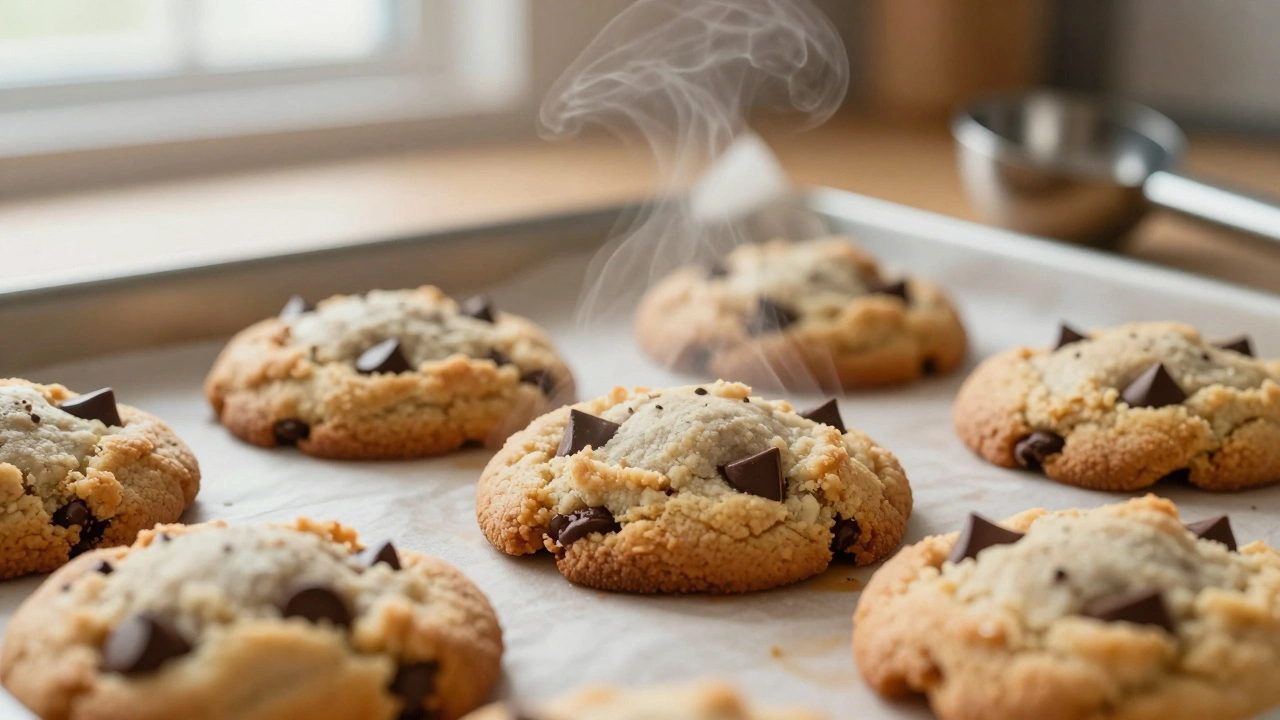
Fluffy Cookie Calculator
Create Your Perfect Batch
Adjust ingredients based on your desired cookie quantity using the science from the article.
Your Ingredients
| Butter (softened) | |
| Brown Sugar | |
| Granulated Sugar | |
| Baking Soda | |
| Eggs | |
| Flour |
Ever pulled a batch of cookies out of the oven, only to find they came out flat, hard, or worse - like little disks instead of pillowy bites? You’re not alone. Most people think cookies are simple: butter, sugar, flour, mix, bake. But the difference between a crisp cookie and a fluffy one isn’t luck. It’s science. And once you understand it, you’ll never make a flat cookie again.
It’s Not Just the Recipe - It’s the Ingredients
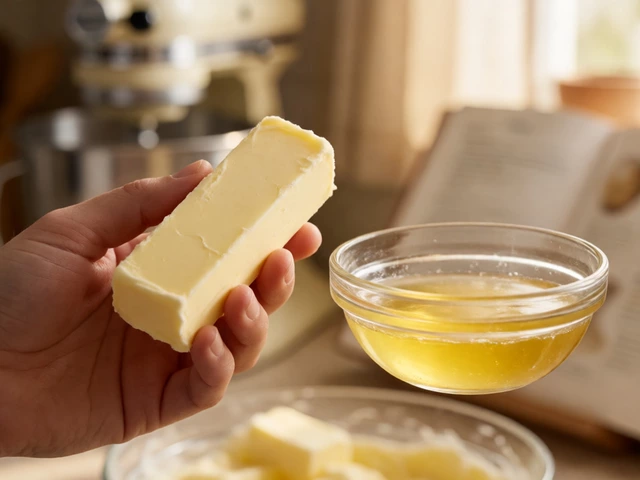
The secret to fluffy cookies starts long before you turn on the oven. It’s in what you put in the bowl. Let’s break it down.First, butter. Cold butter doesn’t cream well. Softened butter - at room temperature, not melted - traps air when you beat it with sugar. That trapped air expands in the oven, creating lift. If your butter is too warm, it turns greasy. No air pockets. No fluff. Just grease and sugar.
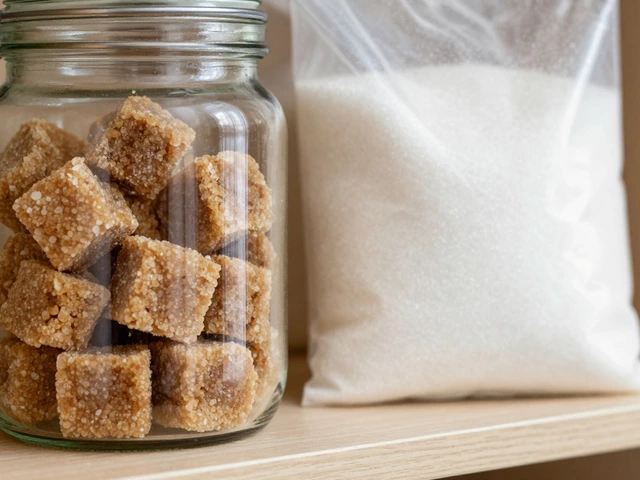
Then there’s sugar. Granulated sugar gives crispness. Brown sugar? It adds moisture and chew. But for fluffiness, you need both. A 50/50 mix is ideal. Brown sugar contains molasses, which holds water. That water turns to steam in the oven, puffing up the dough. Too much white sugar? You get crunch. Too much brown? You get dense.
Baking soda is your best friend. It reacts with acidic ingredients - brown sugar, honey, yogurt, or even butter - to produce carbon dioxide. That’s the gas that makes cookies rise. Baking powder works too, but it’s slower. For fluffy cookies, baking soda is faster and stronger. Use 1/2 teaspoon per cup of flour. More than that? You’ll taste it. And your cookies will turn gray.
And don’t skip the egg. One whole egg adds structure. An extra yolk adds richness. But if you use only egg whites, you’ll get airy, dry cookies that collapse. The yolk’s fat and emulsifiers help trap steam and hold the shape as it rises.
How You Mix Matters More Than You Think
Overmixing is the silent killer of fluffy cookies. Once you add the flour, stop stirring as soon as it’s combined. Flour contains gluten. The more you mix, the more gluten develops. And gluten = chewy, tough cookies. You want tender. You want soft. That means minimal mixing.Here’s a trick: Sift your dry ingredients before adding them. That breaks up clumps and aerates the flour. Lighter flour = lighter dough. It’s a small step, but it makes a difference.
Also, chill your dough. Not because you have to wait - but because cold butter melts slower. That gives the cookies time to puff up before they spread. If you bake warm dough, the butter melts too fast. The cookies flatten before the structure sets. Chill for at least 30 minutes. An hour is better. Overnight? Even better. You’ll get taller, softer cookies with deeper flavor.
The Oven Is Your Control Panel
Your oven temperature is non-negotiable. Too hot? The outside burns before the inside puffs. Too cool? The cookies spread too much and dry out.For fluffy cookies, bake at 350°F (175°C). That’s the sweet spot. It lets the center rise before the edges set. If your oven runs hot - and most do - lower it to 340°F. Use an oven thermometer. Don’t trust the dial.
Place your baking sheet in the center rack. Not top. Not bottom. Center. Heat rises, so the bottom gets hotter. That’s why cookies on the bottom rack burn. And cookies on the top rack brown too fast. Center = even rise.
And here’s something most people miss: don’t grease the pan. Unless your recipe says to, use parchment paper or a silicone mat. Grease makes the dough slide and spread. Parchment gives just enough grip for the cookies to puff upward instead of outward.
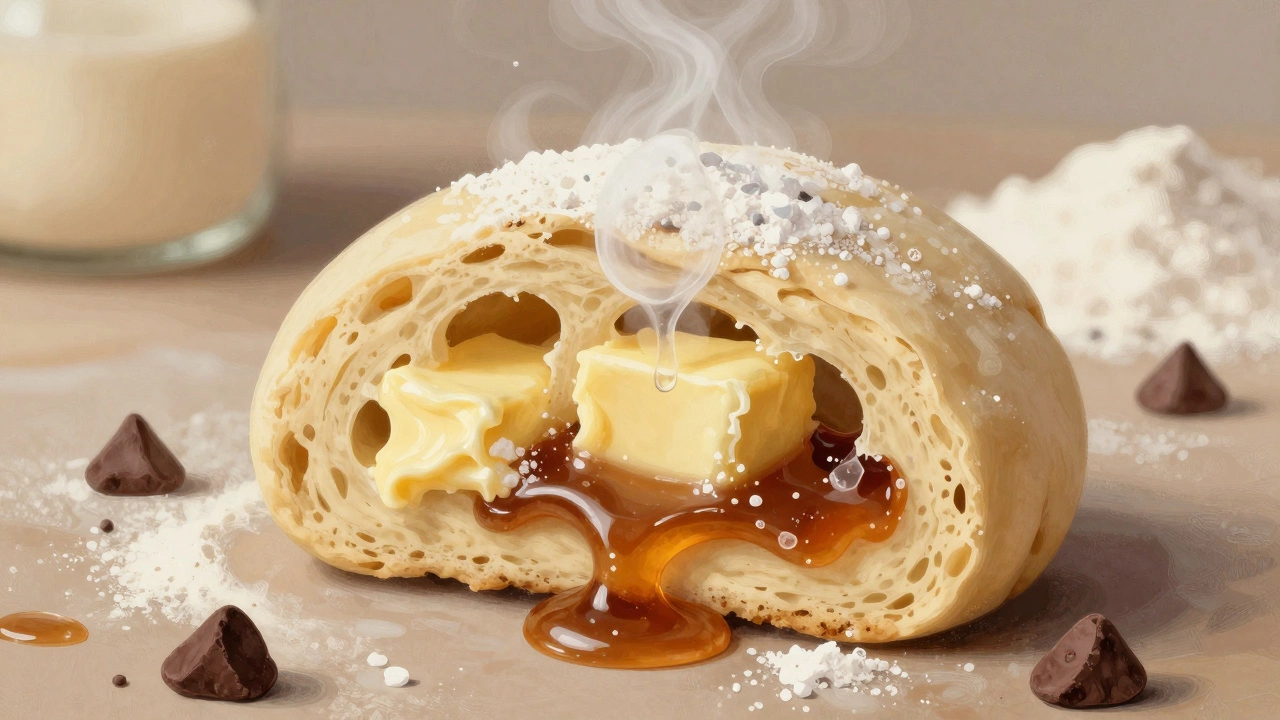
Size and Shape: Small Bites, Big Fluff
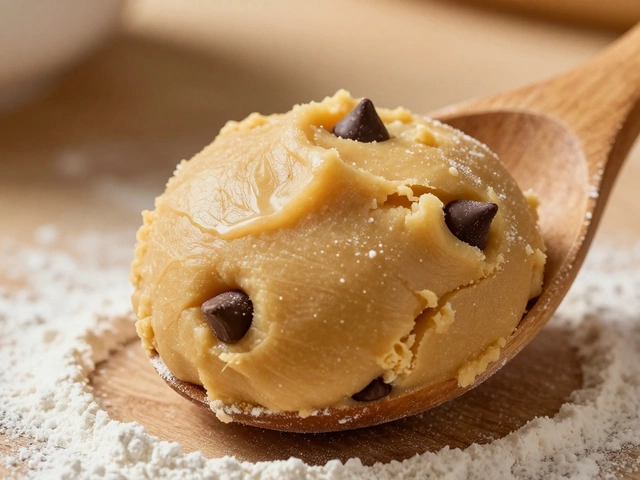
Cookie size affects texture. Large scoops? They take longer to bake. The outside dries out before the center fluffs. Small cookies? They bake fast and stay soft.Use a cookie scoop - the kind with a trigger. A 1.5-tablespoon scoop is perfect. It gives you uniform balls. Uniform size = uniform baking. No more half-burnt, undercooked messes.
And don’t flatten them. Seriously. Leave them as balls. The heat will spread them just enough. Pressing them down before baking is the #1 reason cookies turn out flat. Let the oven do the work.
Why Your Cookies Deflate After Baking
You took them out. They looked perfect. Then - poof - they collapsed. What happened?It’s usually one of three things:
- You used too much baking soda. It made them rise too fast, then the structure couldn’t hold.
- You opened the oven door too early. The sudden drop in temperature kills the rise.
- You underbaked them. They looked done, but the center wasn’t set. Cool air makes them sink.
Test doneness by gently pressing the center. If it springs back, it’s done. If it leaves a dent, give it another minute.

What to Do If Your Cookies Still Aren’t Fluffy
Still getting flat cookies? Try this checklist:- Use softened - not melted - butter.
- Use 50% granulated sugar, 50% brown sugar.
- Use baking soda, not just baking powder.
- Chill the dough for at least 30 minutes.
- Don’t overmix after adding flour.
- Bake at 350°F on the center rack.
- Use parchment paper, not greased pans.
- Don’t flatten the dough balls.
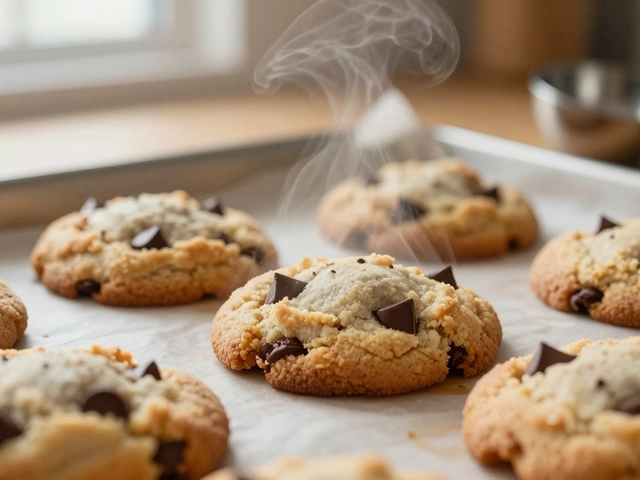
Follow these, and your next batch will be light, soft, and cloud-like. Not just good - the kind people ask for the recipe.
Fluffy Cookie Recipe (Simple, Reliable, Tested)
Here’s a basic formula that works every time:
- 1 cup (225g) unsalted butter, softened
- 3/4 cup (150g) granulated sugar
- 3/4 cup (165g) packed brown sugar
- 2 large eggs
- 2 teaspoons vanilla extract
- 2 1/4 cups (280g) all-purpose flour
- 1 teaspoon baking soda
- 1/2 teaspoon salt
- 1 cup (175g) chocolate chips
Beat butter and sugars until light and fluffy (3-5 minutes). Add eggs and vanilla. Mix well. In a separate bowl, whisk flour, baking soda, and salt. Add dry ingredients to wet, mixing just until combined. Fold in chocolate chips. Chill dough for 1 hour. Scoop into 1.5-tablespoon balls. Bake at 350°F for 9-11 minutes. Let cool on the pan for 5 minutes before transferring.
That’s it. No tricks. No magic. Just science.
Why do my cookies spread too much?
Cookies spread too much when the butter is too soft or melted, the oven is too hot, or the dough isn’t chilled. Use softened (not melted) butter, chill the dough for at least 30 minutes, and bake at 350°F. Also, avoid greasing the pan - use parchment paper instead.
Can I use baking powder instead of baking soda for fluffy cookies?
You can, but it won’t give you the same lift. Baking soda reacts quickly with acids in the dough (like brown sugar) to create fast, strong rise. Baking powder is slower and weaker. For maximum fluffiness, stick with baking soda. If you must use baking powder, use double the amount - but you’ll still lose some of the puff.
Does chilling the dough really make that much difference?
Yes. Chilling solidifies the butter, so it melts slower in the oven. That gives the cookies time to puff up before they spread. It also lets the flour absorb moisture, which improves texture. Cookies made with chilled dough are taller, softer, and have deeper flavor. Skip chilling, and you’re just making flat, greasy discs.
Why do my cookies get hard after a day?
They lose moisture. To keep them soft, store them in an airtight container with a slice of bread or a damp paper towel. The bread releases moisture slowly, keeping the cookies tender. Don’t refrigerate them - that dries them out faster.
Can I make fluffy cookies without eggs?
Yes, but you’ll need a substitute that adds moisture and structure. Try 1/4 cup unsweetened applesauce or 3 tablespoons of aquafaba (chickpea brine) per egg. These mimic the binding and steam properties of eggs. But without any egg substitute, your cookies will be crumbly and flat.





Write a comment