

Cheesecake Texture & Cream Calculator
Recipe Configuration
Analysis Results
Select your options and click Analyze to see the best cream choice.
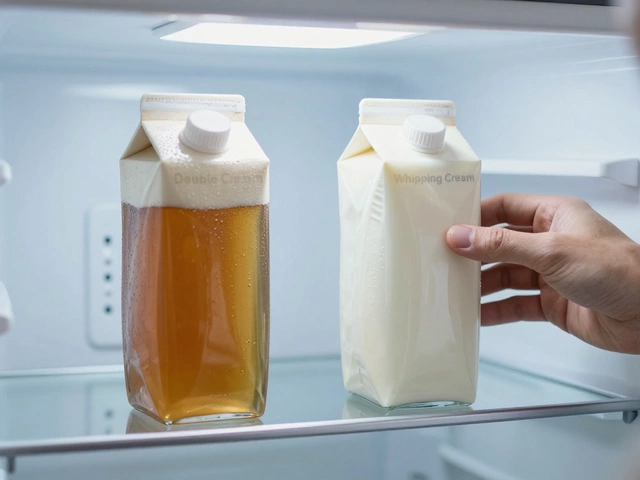
You’ve got the crust ready. The cream cheese is softened to perfection. But then you hit the fridge and see two cartons staring back at you: double cream and whipping cream. They look similar. They’re both thick, rich dairy products. So, does it actually matter which one you pour into your batter? If you’re aiming for that dense, luxurious New York style slice, the answer might surprise you. It’s not just about fat content; it’s about how that fat behaves under heat.
Quick Summary: Double Cream vs. Whipping Cream
- Double cream (48%+ fat) creates a denser, richer, and more stable cheesecake with less risk of cracking.
- Whipping cream (35-36% fat) yields a lighter, fluffier texture but requires more careful temperature control to prevent splitting.
- If your recipe calls for whipping the cream before adding it, use whipping cream. If you are folding it in gently, double cream offers superior richness.
- In the US, heavy cream is the standard equivalent to European whipping cream, while double cream is rarely found in standard supermarkets.
The Fat Factor: Why Percentage Matters More Than You Think
Let’s get straight to the science without making it boring. The main difference between these two creams is simple: fat. Double cream is a high-fat dairy product containing at least 48% milk fat in the UK and Europe. Whipping cream, on the other hand, typically sits around 35% to 36% milk fat. That extra 12-13% of fat isn’t just empty calories; it changes the structural integrity of your dessert.
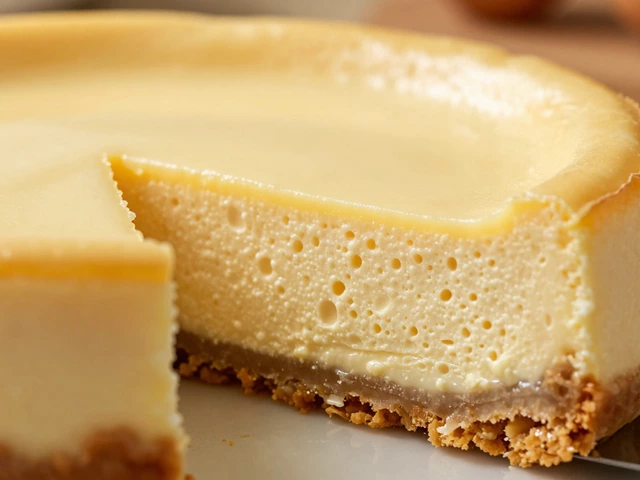
Fat coats the proteins in the cream cheese and eggs. When you bake a cheesecake, the proteins tighten up as they heat. If there’s enough fat, those proteins stay lubricated and flexible. If there’s too little fat, or if the water content is too high, the proteins squeeze out moisture and contract rapidly. This contraction is what causes those annoying cracks on top of your cake. By using double cream, you’re essentially adding a buffer against shrinkage. The result is a slice that holds its shape better and feels heavier on the palate.
Think of it like butter in pastry. You wouldn’t use margarine with high water content if you wanted a flaky crust. Similarly, using lower-fat cream in a dense baked good can lead to a grainier mouthfeel. Double cream provides a silkier finish because the higher fat ratio melts smoothly in your mouth, rather than leaving behind a watery residue.
Texture Showdown: Dense Luxury vs. Light Airiness
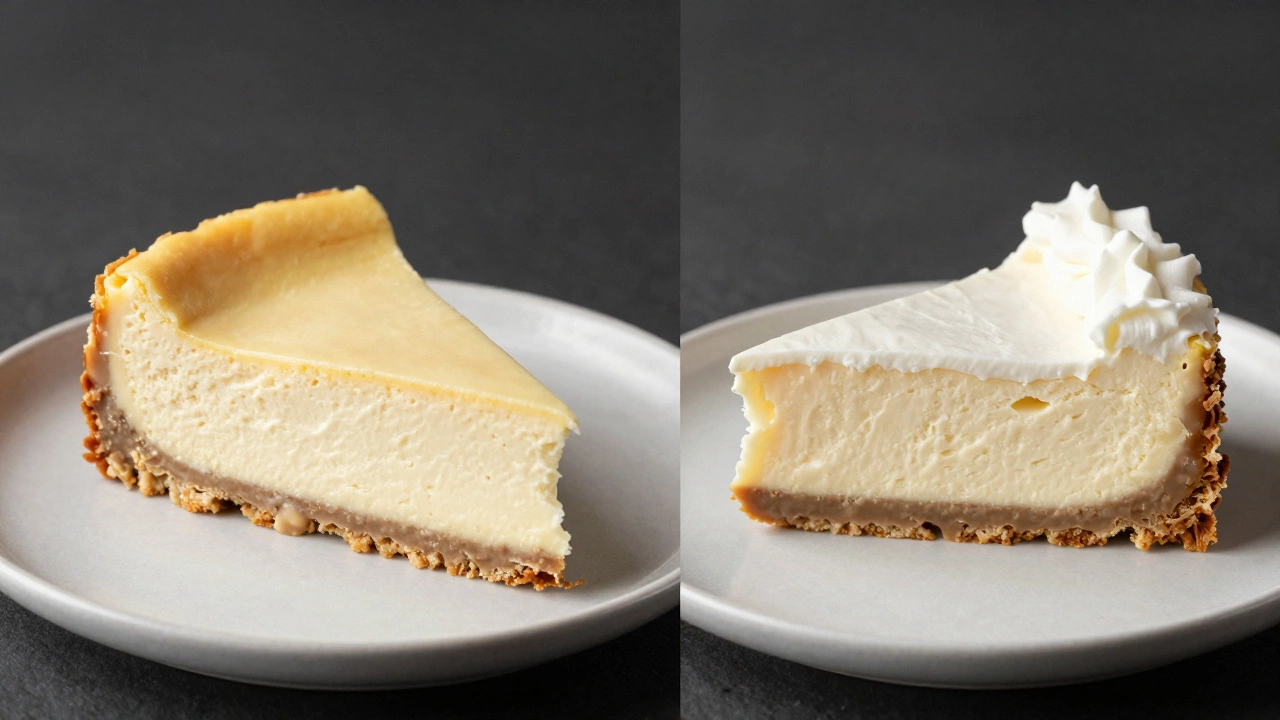
Your choice of cream dictates the final texture of the cheesecake. Are you chasing the dense, almost fudgy consistency of a classic New York cheesecake, or do you prefer something lighter, like a mousse?
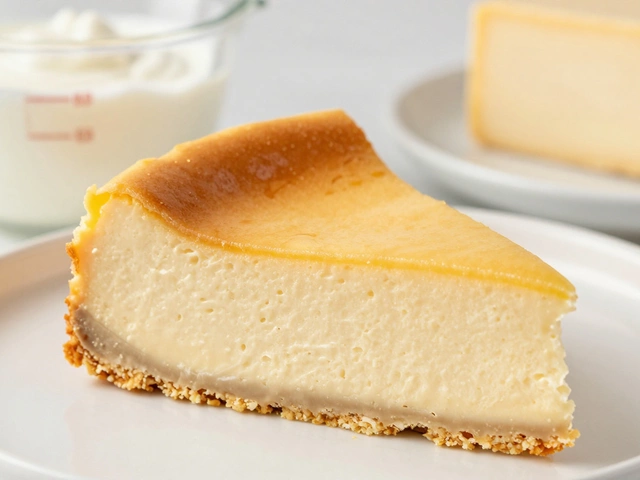
Double cream leans toward density. Because it has less water relative to fat, it doesn’t expand as much when whipped. If you fold it into your batter, it adds weight and richness. The resulting cake is compact, creamy, and intensely flavorful. It’s the ideal choice if you love a slice that stands up firmly on the plate and delivers a punch of dairy flavor in every bite.
Whipping cream brings air into the mix. Its lower fat content allows it to whip up faster and hold more volume. If your recipe involves whipping the cream until stiff peaks form before folding it in, whipping cream will create a lighter, fluffier crumb. This is great for no-bake cheesecakes or lighter baked versions where you want a cloud-like texture. However, this lightness comes at a cost: stability. A cheesecake made with whipped whipping cream can sometimes collapse slightly as it cools if not set properly with gelatin or sufficient chilling time.
| Attribute | Double Cream | Whipping Cream |
|---|---|---|
| Milk Fat Content | 48% - 50% | 35% - 36% |
| Water Content | Lower (~50%) | Higher (~64%) |
| Best For | Dense, baked cheesecakes | Light, fluffy, or no-bake styles |
| Crack Resistance | High | Medium |
| Flavor Intensity | Rich, buttery | Milder, fresh |
Regional Differences: What Are You Actually Buying?
Here is where things get tricky depending on where you live. The terms "double cream" and "whipping cream" mean different things across the Atlantic. If you are following an American blog but living in the UK (or vice versa), you need to translate the ingredients correctly.
In the United States, you won’t find "double cream" on most shelves. The closest equivalent is Heavy cream, which contains at least 36% milk fat. This is functionally identical to British whipping cream. If an American recipe calls for heavy cream, and you are in the UK, buy whipping cream. If a British recipe calls for double cream, and you are in the US, you have a problem. Heavy cream isn’t quite rich enough. To fix this, many bakers add a tablespoon of unsalted butter to a cup of heavy cream to mimic the fat content of double cream.
In the UK and Europe, the distinction is clear. Whipping cream is for... well, whipping. Double cream is for pouring over strawberries or enriching sauces and batters. Using whipping cream in place of double cream in a traditional British custard or dense tart will result in a thinner, less stable product. Conversely, using double cream in a recipe designed for whipping cream might make your mixture too thick to blend smoothly, potentially leading to lumps if you don’t adjust the liquid ratios.
How to Choose Based on Your Recipe Type
Not all cheesecakes are created equal. The method you use determines which cream will serve you best. Let’s break down the three most common scenarios.
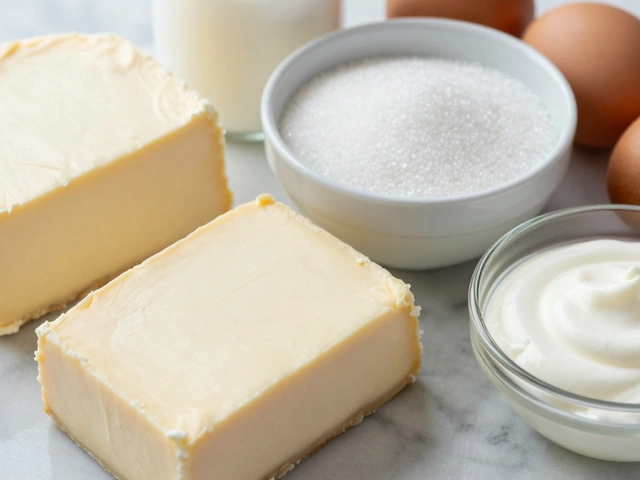
- The Classic Baked Cheesecake: If you are mixing cream cheese, sugar, eggs, and cream in a bowl and baking it in a water bath, go with double cream. The goal here is smoothness and density. The high fat content ensures the emulsion stays stable during the long bake. You’ll get a professional-looking surface with minimal cracking.
- The Fluffy/Japanese Cotton Cheesecake: These recipes rely on separating eggs and whipping the whites to incorporate air. In this case, whipping cream (or even just egg whites) is preferred. You want a delicate structure, not a brick. Double cream would be too heavy and weigh down the airy foam.
- No-Bake Cheesecakes: These depend entirely on chilling to set. Here, whipping cream is usually the star. You whip it to stiff peaks and fold it into the cream cheese base. The air bubbles trapped in the whipped cream provide the structure since there are no eggs to cook and set. Double cream can be used, but it whips slower and can easily turn into butter if you over-whip it, ruining the texture.
Pitfalls to Avoid: Splitting and Graininess
Even with the right cream, technique matters. One of the biggest risks when using double cream is over-beating. Because it has so much fat, it crosses the line from "soft peak" to "butter" very quickly. If you accidentally churn your cream into butter, your cheesecake batter will become greasy and separate. Always whip double cream on low speed and stop the moment it looks glossy and thick.
With whipping cream, the danger is incorporating too much air. If you whip it too aggressively before folding it into a dense batter, you might introduce large air pockets that expand in the oven and then collapse, leaving holes in your cake. Fold gently. Use a spatula. Be patient.
Temperature is another silent killer. Cold cream mixes poorly with room-temperature cream cheese. If your cream is ice-cold and your cheese is soft, the sudden temperature drop can cause the fat in the cheese to seize up, creating a grainy texture. Bring your cream to cool room temperature (around 15°C / 60°F) before mixing. It won’t spoil, but it will blend seamlessly.
Substitutions and Hacks for the Home Baker
What if you only have one type of cream left in the fridge? Don’t panic. You can hack your way to success.
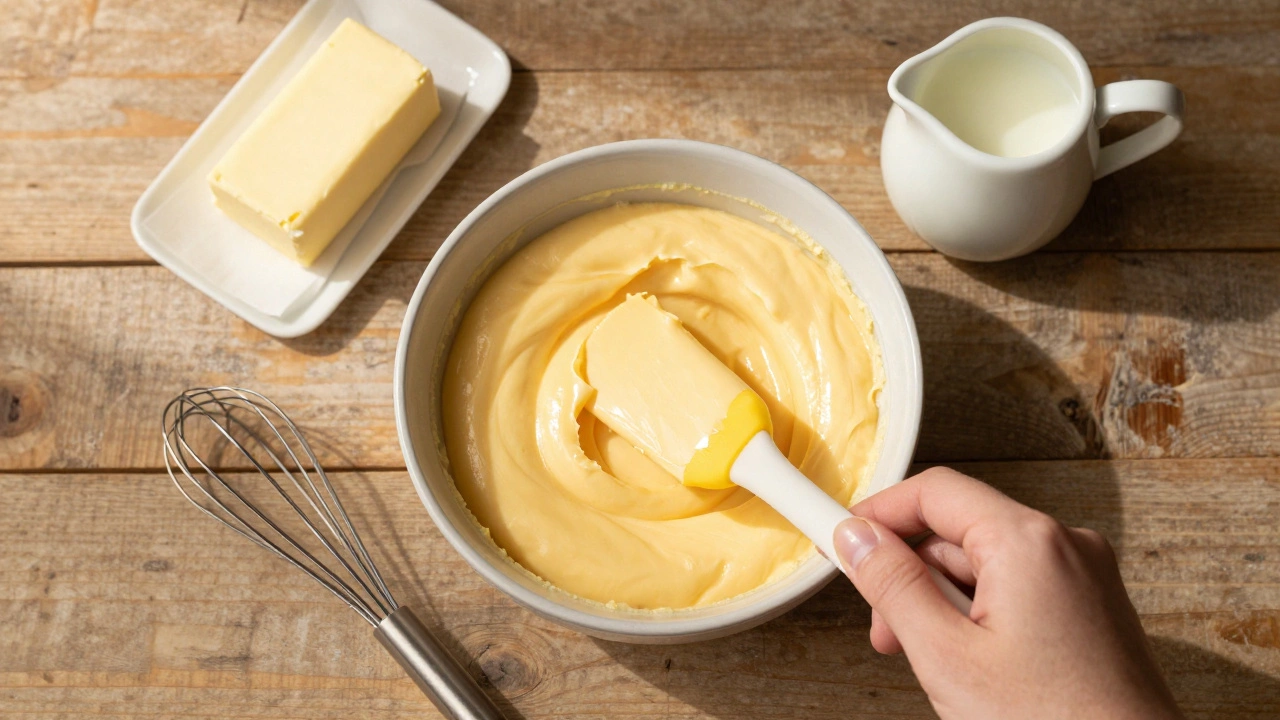
Need Double Cream but Only Have Whipping Cream? You can’t magically increase the fat content, but you can compensate by reducing other liquids in the recipe. If your recipe calls for milk or yogurt along with the cream, cut those back by half. Alternatively, melt a small amount of unsalted butter (about 10g per 100ml of cream) and whisk it in. This boosts the fat percentage closer to that of double cream, helping to stabilize the batter.
Need Whipping Cream but Only Have Double Cream? This is easier. Just add a splash of whole milk or water to thin it out. Start with a 90:10 ratio of double cream to milk. Whip it as usual. It will take slightly longer to reach stiff peaks, but it will work perfectly for no-bake applications or topping desserts.
Final Verdict: Is Double Cream "Better"?
"Better" depends on what you value. If you prioritize intense flavor, a dense mouthfeel, and a crack-free surface, double cream is the superior choice for baked cheesecakes. It is the secret weapon of professional patissiers who want a luxurious, restaurant-quality finish. It makes the dessert feel indulgent and substantial.
However, if you prefer a lighter, more ethereal texture, or if you are making a no-bake version that relies on whipped air for structure, whipping cream is the correct tool. It gives you control over volume and fluffiness that double cream simply cannot match.
For the average home baker looking to impress with a classic baked cheesecake, I recommend reaching for the double cream. The extra richness is noticeable, and the margin for error regarding cracks is wider. Just remember to handle it gently, keep your temperatures consistent, and enjoy the decadent result.
Can I use heavy cream instead of double cream for cheesecake?
Yes, but with adjustments. Heavy cream (US) is similar to whipping cream (UK) with ~36% fat. Double cream has ~48% fat. Using heavy cream will result in a slightly lighter, less rich cheesecake. To mimic double cream, add 1 tablespoon of melted unsalted butter per cup of heavy cream to boost the fat content and improve stability.
Why does my cheesecake crack when I use whipping cream?
Cracking is often caused by overmixing, which incorporates too much air, or by rapid temperature changes. Whipping cream has more water than double cream. As the water evaporates in the oven, the cake shrinks. If the protein structure is too tight (from over-beating eggs or cream cheese), it cracks. Using double cream reduces water content and increases fat, which lubricates the proteins and prevents shrinkage.
Is double cream healthier than whipping cream?
No. Double cream has significantly more saturated fat and calories due to its higher fat percentage (48% vs 35%). While both are high-calorie ingredients, double cream is denser in energy. From a health perspective, neither is a "healthy" food, but whipping cream is slightly lower in total fat per serving.
Can I freeze double cream for later use in baking?
It is not recommended to freeze double cream if you plan to whip it, as freezing breaks down the emulsion and affects its ability to hold air. However, if you are using it strictly for cooking or blending into a cheesecake batter where texture is less critical than flavor, it can be frozen. Thaw it slowly in the fridge and whisk vigorously to recombine any separated fat.
What is the best temperature for cream when making cheesecake?
Aim for cool room temperature, around 15°C to 18°C (60°F to 65°F). Ice-cold cream can shock the cream cheese, causing it to seize and become grainy. Warm cream might melt the fat structure too early. Taking the cream out of the fridge 30-45 minutes before mixing usually hits the sweet spot for a smooth, lump-free batter.



Write a comment