

Gluten Intolerance Food Checker
Select a food item below to see its gluten risk level and recommended safe alternatives.
Select an Item
Click on a food item from the left to view details.
You think you’ve dodged the bread basket. You skipped the pasta. But that afternoon slump, the bloating, or the brain fog still hits hard after lunch. Why? Because gluten is sneaky. It hides in places you’d never guess, turning a "healthy" salad into a gut-wrenching mistake. If you have gluten intolerance or celiac disease, knowing what to avoid isn't just about cutting wheat. It’s about spotting the imposters.
This guide breaks down the worst offenders. We’re not talking about obvious loaves of sourdough. We’re talking about the sauces, the processed snacks, and the cross-contamination traps that trip up even seasoned gluten-free eaters. Whether you are baking gluten-free cakes for a birthday or just trying to survive a work lunch, these are the foods you need to watch out for.
The Obvious Culprits (That Are Actually Worse Than They Look)
Wheat is the headline act, but its derivatives are the real troublemakers. Most people know to avoid white bread and bagels. Fewer realize that barley and rye contain the same damaging proteins: gliadin and glutenin.
- Barley Malt: Found in many cereals, malted milkshakes, and beer. Even if it says "wheat-free," check for barley.
- Rye Bread: Often marketed as "healthier," but rye has high gluten content. Pumpernickel is usually rye-based too.
- Triticale: A hybrid of wheat and rye. Common in some multigrain crackers and artisanal breads.
If you see "malt flavoring" on an ingredient list, assume it contains gluten unless specified as corn or rice malt. This single ingredient ruins more gluten-free diets than any other hidden source.
Sauces and Condiments: The Hidden Landmines
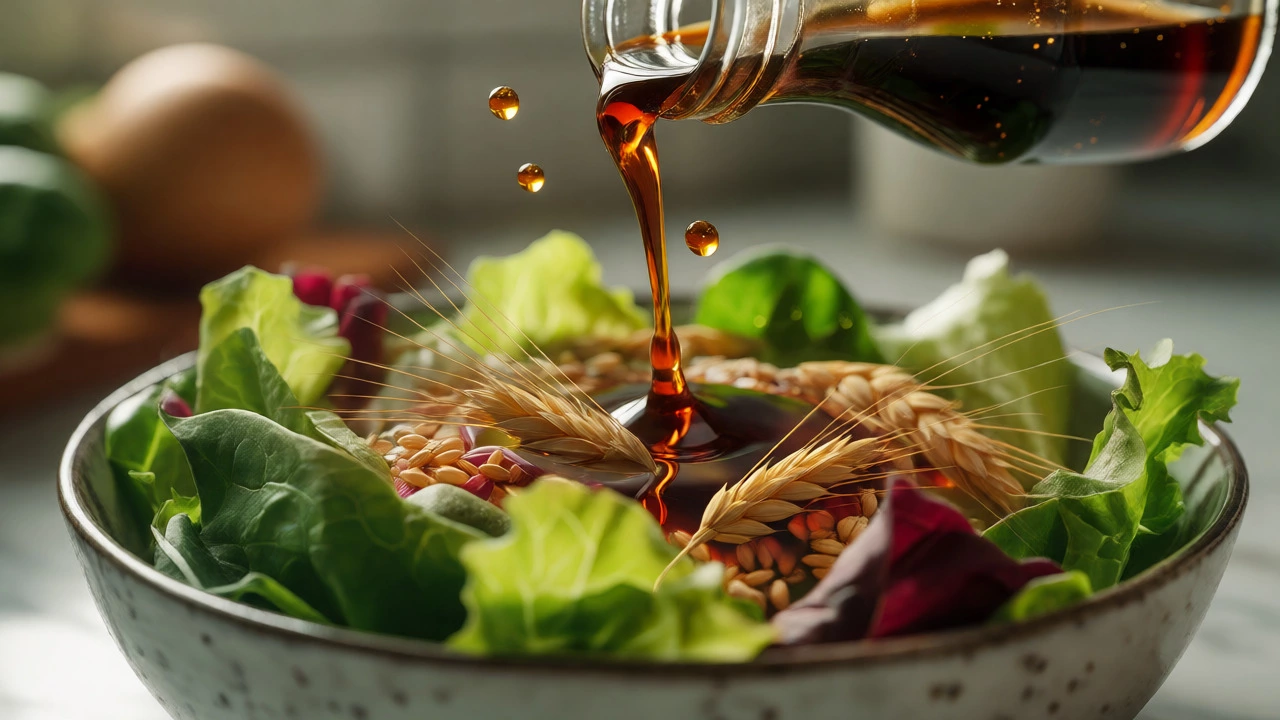
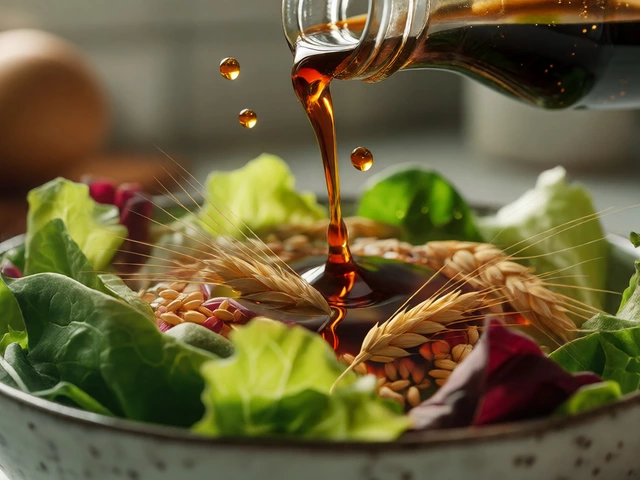
You can make a perfect chicken breast, but drown it in the wrong sauce, and your meal is compromised. Soy sauce is the biggest trap. Traditional soy sauce is brewed with wheat. Yes, the dark, salty liquid you put on stir-fries is often 50% wheat by volume.
| Sauce Type | Gluten Risk Level | Safe Alternative |
|---|---|---|
| Traditional Soy Sauce | High (Contains Wheat) | Tamari (check label for wheat) |
| Ketchup | Low (Usually Safe) | Most brands are GF, but verify |
| Gravy | Very High (Thickened with Flour) | Cornstarch-thickened gravy |
| Hollandaise | Medium (Risk of Cross-Contamination) | Homemade with pure butter |
| BBQ Sauce | Medium (May use wheat thickeners) | Specifically labeled GF BBQ sauce |
Gravy is another major offender. Restaurants almost always thicken gravy with a roux made from flour. Unless they explicitly state otherwise, assume it’s full of gluten. Same goes for cream soups like tomato bisque or clam chowder. They rely on flour for texture, not just potatoes or cream.
Processed Meats and Deli Counters
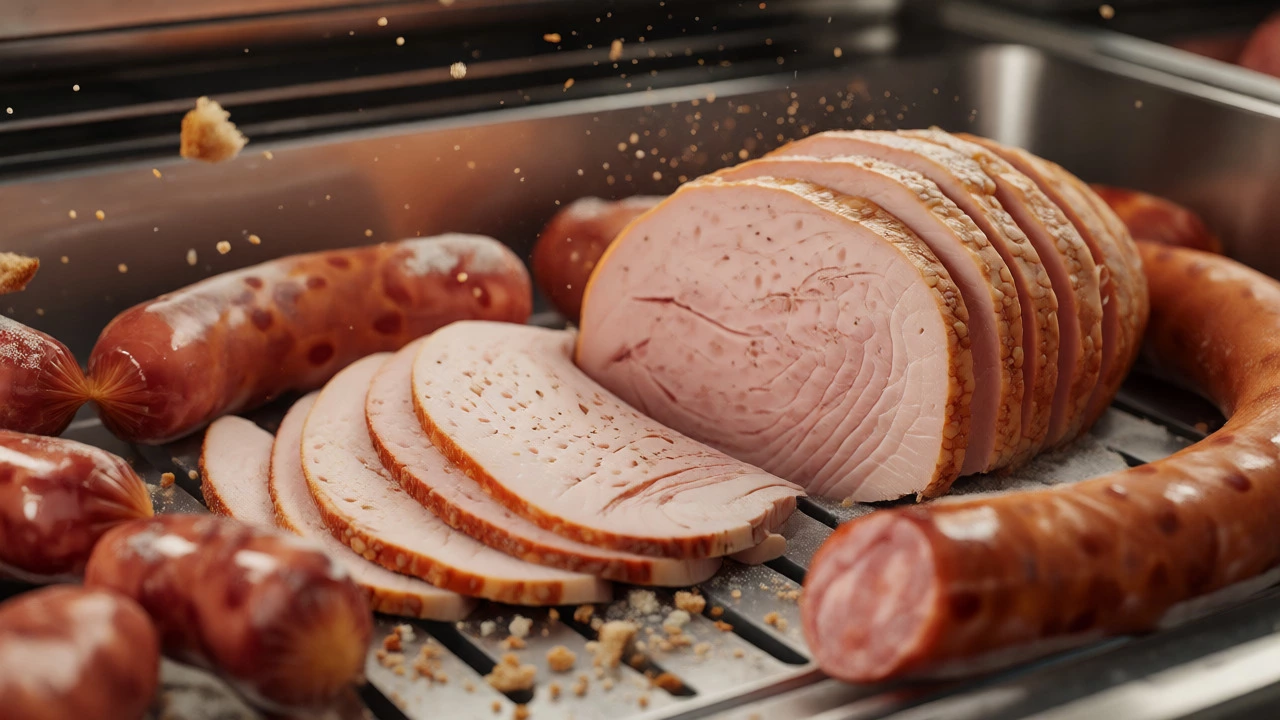
It seems counterintuitive. Meat doesn’t grow gluten. But processed meat does. When you buy sliced turkey, ham, or sausages, you’re buying a product that has been bound together with fillers.
Deli meats often contain modified food starch, dextrose, or hydrolyzed vegetable protein as binders. In many countries, including New Zealand and the US, these ingredients can be derived from wheat. Always look for "certified gluten-free" labels on packaged deli meats. Avoid anything sold at the deli counter unless you trust the slicing machine hasn’t touched rye bread ten minutes prior. Cross-contamination here is rampant.
Sausages are particularly risky. Cheap sausages use breadcrumbs or wheat flour to stretch the meat. High-end butchers might use rice flour, but you must ask. Never assume a sausage is safe because it looks like meat.
Desserts and Baked Goods Beyond Bread
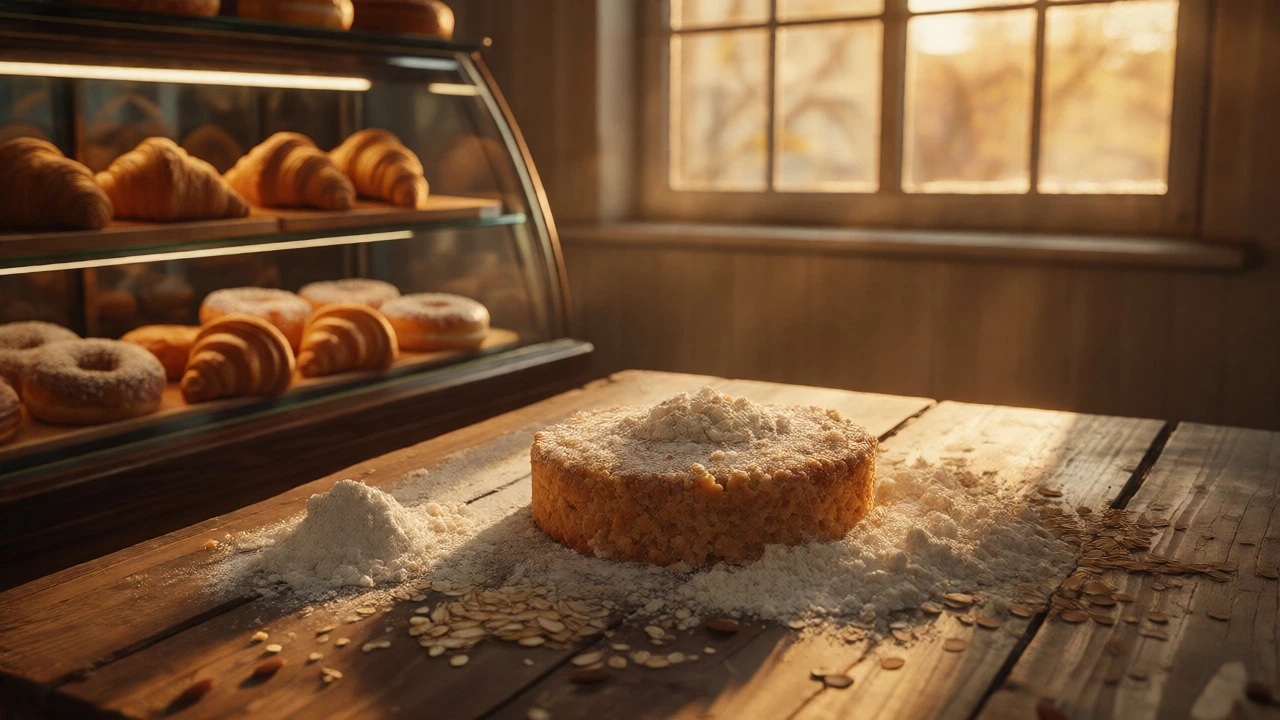
Since we’re focused on sweet treats, let’s talk about why gluten-free cakes require so much care. Standard cakes rely on gluten for structure. Without it, they fall apart. To compensate, bakers often add gums or starches. That’s fine. The problem is cross-contamination in bakeries.
A bakery selling both regular donuts and gluten-free muffins shares the same air. Flour dust settles everywhere. One study suggests that airborne gluten particles can trigger symptoms in sensitive individuals. If you buy a gluten-free brownie from a shop that also sells croissants, you’re playing Russian roulette with your gut health.
Watch out for these dessert traps:
- Ice Cream Cones: Almost all standard cones are wheat-based. Waffle cones sometimes use oats, which are often contaminated.
- Puddings: Many instant pudding mixes use wheat starch as a thickener.
- Biscuit Crusts: Cheesecakes often sit on graham cracker crusts, which are wheat-heavy. Use almond flour or GF cookie crumbs instead.
- Chocolate: Pure chocolate is safe. Chocolate bars with "crispy rice" or "cookie dough" bits often contain wheat-based cookies.
Oats: The Controversial Grain
Oats do not naturally contain gluten. However, they are frequently grown next to wheat, harvested with the same combines, and processed in the same mills. This leads to massive cross-contamination.
For someone with severe celiac disease, regular oats are a no-go. You must buy certified gluten-free oats. These are handled separately from field to factory. Even then, about 5% of celiac patients react to avenin, a protein in oats that mimics gluten. If you feel sick after eating GF oatmeal, stop eating oats entirely.
Alcohol: Liquid Bread?
Beer is made from barley. It’s essentially liquid bread. Drinking a pint of lager is one of the fastest ways to trigger a reaction. Wine and spirits are generally safe, but there are exceptions.
- Flavored Vodka: Some flavors use wheat-based neutral spirits or additives.
- Malt Beverages: Hard cider is usually safe, but "hard lemonade" or flavored malt drinks often contain barley.
- Communion Wine: Some churches use grape juice, others use wine. Check ahead if you’re attending a service.
If you want to drink socially, stick to distilled spirits like vodka, gin, or whiskey (distillation removes gluten proteins, though some people still report sensitivity). Beer alternatives like sorghum or rice beer exist, but taste different. Adjust your expectations.
How to Spot Hidden Gluten on Labels
Reading labels is a skill. In New Zealand and Australia, allergen labeling is strict, but loopholes remain. Here is your cheat sheet for scanning packages:
- Look for the Word "Wheat": If it’s in the allergen statement, put it back.
- Check for "Malt": Assume it’s barley until proven otherwise.
- Identify Starches: "Modified Food Starch" is ambiguous. In NZ/AU, if it’s from wheat, it must be declared. In the US, it might not be. When in doubt, contact the manufacturer.
- Trust Certifications: Look for the crossed-grain symbol or specific GF certifications. These indicate testing below 20ppm (parts per million), the international safety threshold.
Remember, "Natural Flavors" can sometimes hide gluten sources, though this is rare in dairy products. It’s more common in savory snacks like chips or crackers.
Practical Tips for Daily Life
Avoiding the worst foods isn’t about deprivation. It’s about awareness. Keep a dedicated toaster if you live with non-GF family members. Toast crumbs from wheat bread will contaminate your GF toast instantly. Use separate condiment jars. Butter knives dipped in regular bread crumbs turn your butter into a gluten bomb.
When dining out, ask specific questions. Don’t just say "Is this gluten-free?" Ask, "Is the fryer shared with fries or chicken nuggets?" Shared fryers are a top cause of accidental exposure. French fries are potato, yes. But if they fried onion rings in the same oil, they’re coated in gluten batter residue.
Finally, listen to your body. Symptoms vary. Some people get immediate hives. Others feel tired two days later. Keeping a food diary helps identify triggers you didn’t know existed. Maybe it’s not the cake. Maybe it’s the soy sauce you used in the marinade.
Can I eat oats if I have gluten intolerance?
Yes, but only if they are certified gluten-free. Regular oats are heavily cross-contaminated with wheat during farming and processing. Additionally, a small percentage of people with celiac disease react to avenin, a protein found in oats, even when they are pure.
Is soy sauce gluten-free?
Traditional soy sauce is not gluten-free because it is brewed with wheat. You should switch to tamari, which is typically wheat-free, but always check the label as some brands add wheat for flavor. Coconut aminos are another popular gluten-free alternative.
Are all beers bad for gluten intolerance?
Most traditional beers are made from barley or wheat, making them unsafe for those with celiac disease. However, there are gluten-free beers made from sorghum, millet, buckwheat, or rice. Distilled spirits like vodka and whiskey are generally considered safe because distillation removes gluten proteins, though individual sensitivity varies.
What is the most common hidden source of gluten?
Sauces and gravies are among the most common hidden sources. Many restaurant gravies are thickened with wheat flour roux. Similarly, soy sauce contains significant amounts of wheat. Processed meats like sausages and deli slices also frequently use wheat-based fillers and binders.
Can cross-contamination happen in my home kitchen?
Absolutely. Sharing a toaster, using wooden cutting boards that have cut wheat bread, or dipping a knife into a shared butter jar can transfer enough gluten to trigger symptoms. Dedicated utensils and cleaning surfaces thoroughly before preparing gluten-free meals are essential precautions.


Write a comment