

Cookie Texture Calculator
Adjust your ingredients to predict the texture of your cookies. This tool helps you understand how flour, sugar, and fat choices impact the final result.
Predicted Outcome:
Ever pulled a tray of cookies out of the oven only to find them looking like sad, flat pancakes? Or maybe they’re so hard you could use them as paperweights. You followed the recipe exactly. You measured carefully. So why did it fail?
The difference between a good baker and an amazing one isn’t magic. It’s understanding what happens inside that bowl and under that heat. Being an amazing baker means moving beyond just following instructions to understanding the 'why' behind every step. When you grasp the science, you stop guessing and start controlling the outcome.
Why Your Ingredients Matter More Than You Think
Most people think all flour is the same. It’s not. The type of flour you choose dictates the structure of your baked goods. For all-purpose flour, which is a versatile wheat flour with moderate protein content suitable for most home baking, the protein level usually sits around 10-12%. This creates enough gluten for structure without making your cookies tough.
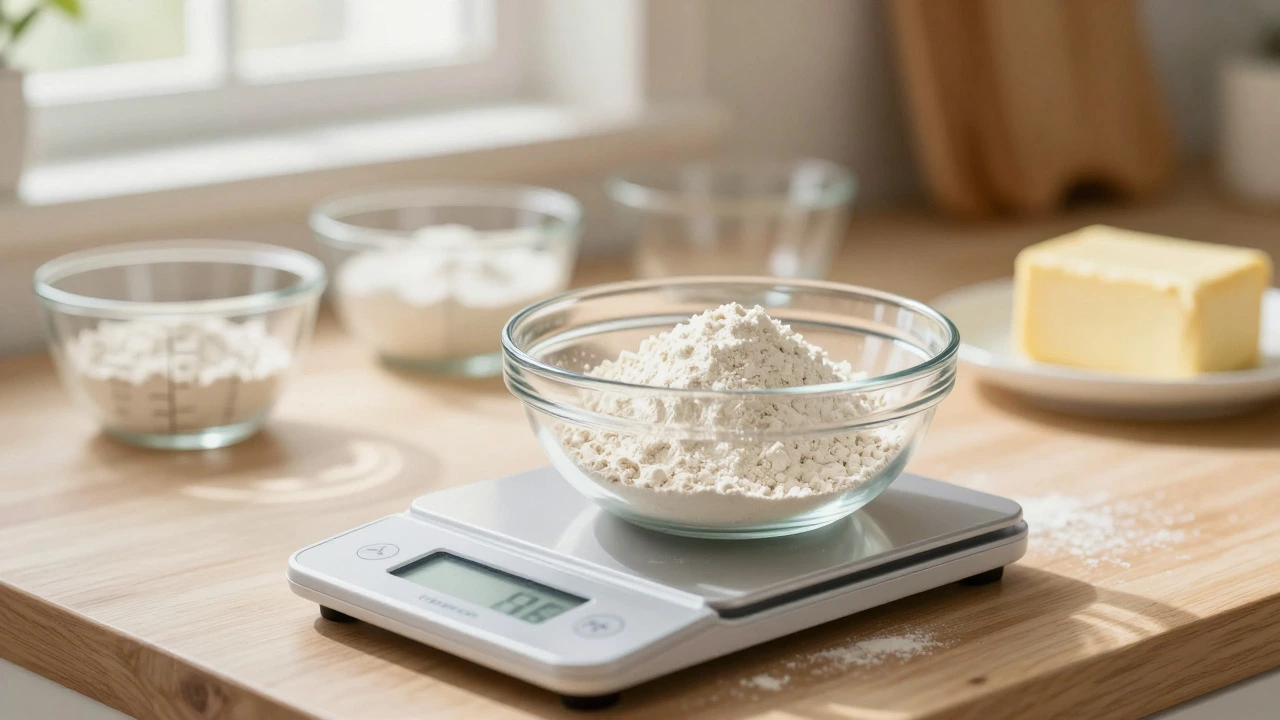
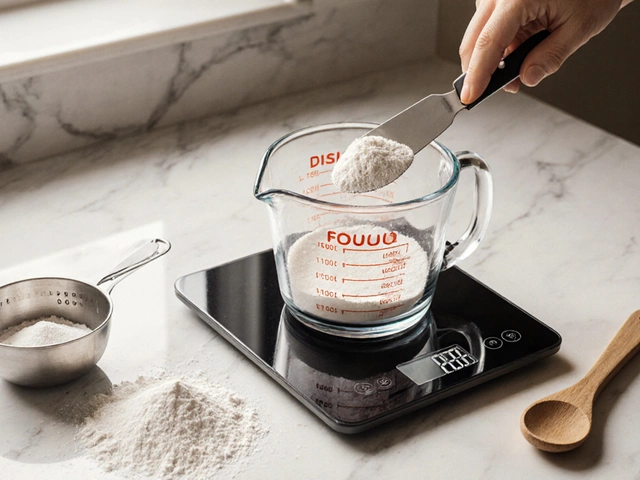
If you want chewy cookies, stick with all-purpose or even bread flour, which has higher protein. If you want tender, cake-like cookies, pastry flour works better because its lower protein content (around 8-9%) limits gluten development. But here’s the trick: weigh your ingredients. Cups are notoriously inaccurate. A cup of flour can vary by up to 20% depending on how you scoop it. Using a kitchen scale ensures consistency every single time.
Fat is another game-changer. Butter adds flavor, but its water content affects spread. Melted butter makes cookies spread more and become crispier. Creamed butter (softened) traps air, leading to a thicker, chewier texture. Even the temperature of your eggs matters. Cold eggs keep the dough cool, preventing premature spreading, while room-temperature eggs blend more easily into batters for cakes.
The Science of Cookie Texture
You might wonder why some recipes call for brown sugar and others for white. It comes down to moisture and acidity. Brown sugar contains molasses, which adds moisture, acidity, and a distinct caramel flavor to baked goods. That molasses keeps cookies soft and chewy. White sugar, on the other hand, promotes browning and crispiness through caramelization. Most great cookie recipes use a mix of both to balance these textures.
Salt isn’t just for savory dishes. It enhances sweetness and balances flavors. Without it, cookies taste flat. Don’t skip it. And if you’re using table salt, remember it’s finer than sea salt, so you might need slightly less by volume.
Leavening agents like baking soda and baking powder control rise. Baking soda reacts immediately with acids (like brown sugar or buttermilk), creating bubbles that expand in the oven. Baking powder has two stages of reaction-one when wet, one when heated-making it ideal for recipes without acidic ingredients. Using expired leaveners results in dense, flat cookies. Check your dates regularly.
| Ingredient | Effect on Texture | Best Used For |
|---|---|---|
| All-Purpose Flour | Moderate structure, balanced chew | Standard chocolate chip cookies |
| Bread Flour | High protein, chewier, denser | Chewy, thick cookies |
| Pastry Flour | Low protein, tender, crumbly | Cake-like, delicate cookies |
| Brown Sugar | Moist, chewy, caramel notes | Soft, chewy cookies |
| White Sugar | Crispy edges, spreads more | Crisp, thin cookies |
| Melted Butter | More spread, crispier texture | Thin, crispy cookies |
| Creamed Butter | Air pockets, thicker, chewier | Thick, soft-centered cookies |
Mastering Temperature Control
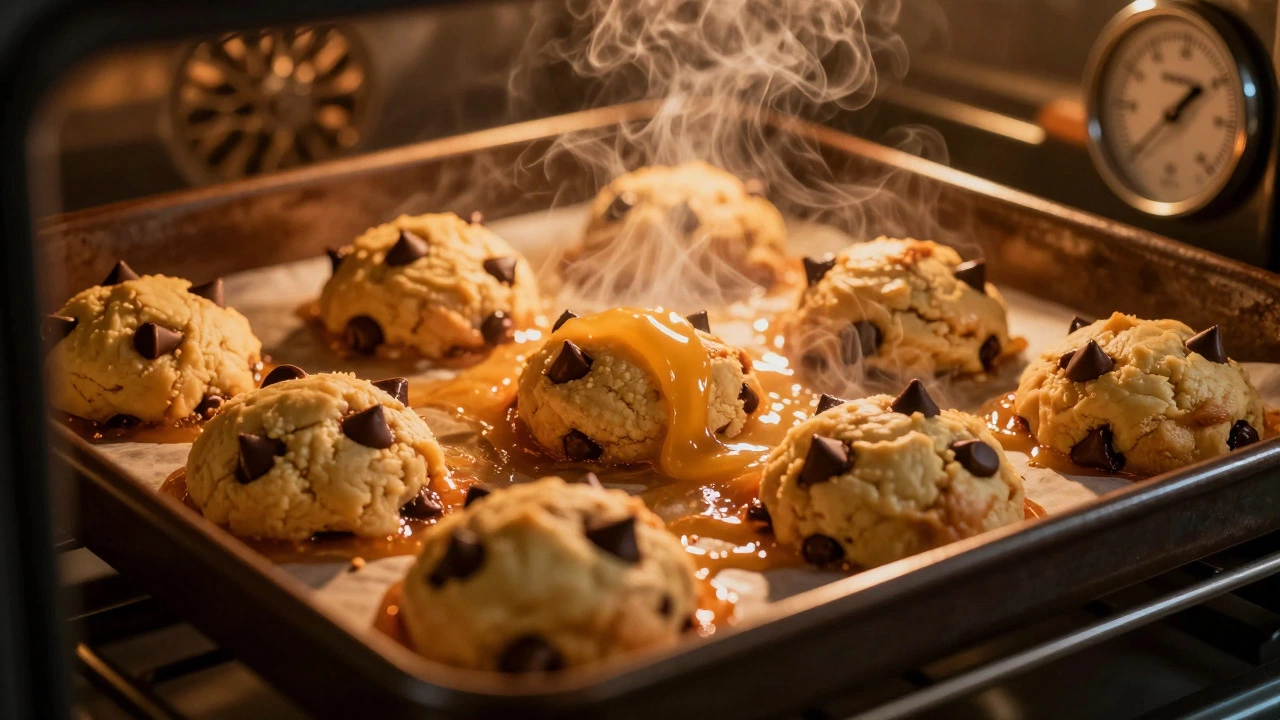
Temperature is the silent conductor of your baking orchestra. Oven accuracy varies wildly. Many home ovens run hotter or cooler than the dial suggests. Invest in an oven thermometer. Place it in the center rack and check it before each bake. If your oven runs hot, lower the temperature by 25°F (about 15°C). If it runs cool, increase it.
Dough temperature also matters. Chilling dough isn’t just a suggestion-it’s essential for flavor and texture. When you chill cookie dough, the fats solidify, slowing down melting in the oven. This prevents excessive spreading. Plus, chilling allows flavors to meld. Letting dough rest overnight develops deeper, more complex tastes. Skip this step, and you’ll miss out on that rich, developed flavor profile.
Room temperature ingredients matter too. Eggs and butter should be at room temperature for creaming methods. Cold butter doesn’t trap air well, leading to dense results. Warm eggs incorporate smoothly. Planning ahead saves frustration later.
Techniques That Elevate Your Baking
Creaming butter and sugar properly changes everything. Beat them together until light and fluffy-usually 3-5 minutes. This incorporates air, which expands during baking, giving your cookies lift. Under-creaming leads to dense cookies; over-creaming can cause collapse.
Mixing dry ingredients separately ensures even distribution of leaveners and salt. Fold them into the wet mixture gently. Overmixing develops too much gluten, resulting in tough cookies. Stop mixing once the flour disappears.
Portioning consistency matters. Use a cookie scoop or measuring spoon. Uniform sizes bake evenly. Varying sizes mean some burn while others remain raw. Aim for consistent portions for predictable results.
Spacing on the baking sheet gives cookies room to spread. Crowded sheets steam cookies instead of baking them, leading to soggy bottoms. Leave at least 2 inches between cookies.
Troubleshooting Common Cookie Issues
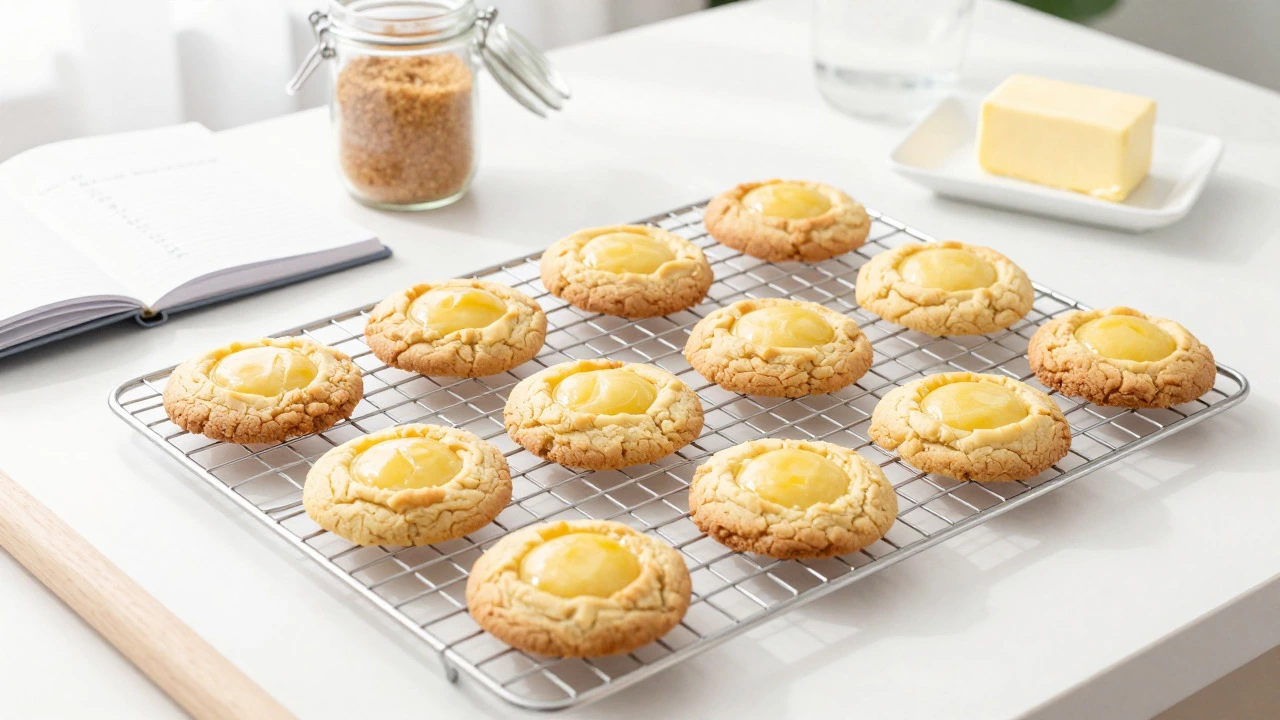
Flat cookies? Your butter was too warm, your oven ran hot, or you used too much liquid. Chill the dough next time. Hard cookies? They were overbaked. Remove them when the centers still look slightly soft-they’ll firm up as they cool. Pale cookies? Not enough sugar or insufficient browning time. Try lowering the rack position or extending bake time slightly.
Cracked tops often indicate rapid expansion from high heat or too much leavening. Reduce oven temperature or adjust baking soda/powder amounts. Burnt bottoms? Dark pans absorb more heat. Switch to light-colored aluminum sheets or place a second rack below to deflect heat.
Building Confidence Through Practice
Becoming an amazing baker takes repetition. Keep a baking journal. Note temperatures, times, ingredient brands, and outcomes. Adjust based on results. Each batch teaches you something new. Experiment with variations-add nuts, change chocolate types, try different extracts. Learn what works for your palate and equipment.
Watch professional bakers demonstrate techniques. Observe how they handle dough, judge doneness, and manage timing. Replicate their methods at home. Ask questions. Join baking communities online. Share your successes and failures. Feedback accelerates learning.
Remember, mistakes are part of the process. Every failed batch brings you closer to mastery. Embrace imperfection. Taste along the way. Adjust. Improve. Repeat.
Why do my cookies spread too much?
Cookies spread too much when the butter melts before the structure sets. This usually happens if the butter is too warm, the dough isn’t chilled, or the oven temperature is too low. Chill your dough for at least 30 minutes before baking. Ensure your oven is preheated correctly using an oven thermometer. Also, check that you’re using the right amount of fat relative to flour.
Should I measure flour by weight or volume?
Always measure flour by weight for accuracy. Volume measurements vary significantly based on how tightly you pack the flour. One cup of flour can range from 120g to 150g depending on technique. Weighing eliminates guesswork and ensures consistent results every time. A standard digital kitchen scale costs less than $20 and pays for itself quickly.
What’s the best way to store leftover cookie dough?
Store cookie dough in an airtight container or wrapped tightly in plastic wrap. Refrigerate for up to 5 days or freeze for up to 3 months. Freeze dough in portioned balls for easy baking later. Thaw frozen dough in the fridge overnight before baking. No need to bring to room temperature unless specified by the recipe.
Can I substitute brown sugar with white sugar?
You can substitute, but expect differences in texture and flavor. Brown sugar adds moisture and chewiness due to molasses. Replacing it entirely with white sugar will result in thinner, crisper cookies with less depth of flavor. For closest results, mix half white sugar with half corn syrup or honey to mimic molasses’ properties.
How do I know when cookies are done baking?
Cookies are done when the edges turn golden brown and the centers look set but still slightly soft. They continue cooking on the hot baking sheet after removal from the oven. Pull them out just before they appear fully done. Overbaking leads to dry, hard cookies. Trust visual cues over strict timer settings.
Why does my oven thermometer show different temps?
Oven thermostats aren’t always accurate. Many older models fluctuate by 25-50°F. Newer convection ovens may read differently due to fan circulation. Always verify with a standalone oven thermometer placed centrally. Calibrate your expectations accordingly. Adjust recipe temperatures based on actual readings, not dial settings.
Is chilling cookie dough really necessary?
Yes, chilling improves flavor and controls spread. Solidified fat slows melting in the oven, preventing excessive flattening. Resting allows hydration of flour particles and blending of flavors. Minimum 30 minutes recommended; overnight yields best results. Skipping this step risks uneven baking and bland taste.
What causes cracked cookie tops?
Cracks form when the surface dries faster than the interior expands. High oven temperatures, excess leavening, or overly stiff dough contribute. Lower baking temp by 25°F, reduce baking soda/powder slightly, or add a tablespoon of extra liquid. Gentle handling during shaping also minimizes stress points.
Can I use margarine instead of butter?
Margarine works but alters flavor and texture. Higher water content increases spread and reduces richness. Choose stick-style margarine with similar fat percentage to butter. Avoid tub varieties-they contain more air and water. Expect lighter color and milder taste. Best suited for non-chocolate applications where butter flavor isn’t critical.
How long should I let cookies cool before eating?
Let cookies cool on the baking sheet for 5-10 minutes before transferring to a wire rack. This allows residual heat to finish setting the structure without burning the bottom. Eating immediately risks breakage and burnt tongues. Full cooling enhances flavor perception and textural contrast between crisp edges and soft centers.




Write a comment