

Tiramisu Freezing & Thawing Planner
Configuration
Your Action Plan
Follow these steps to prevent soggy ladyfingers.
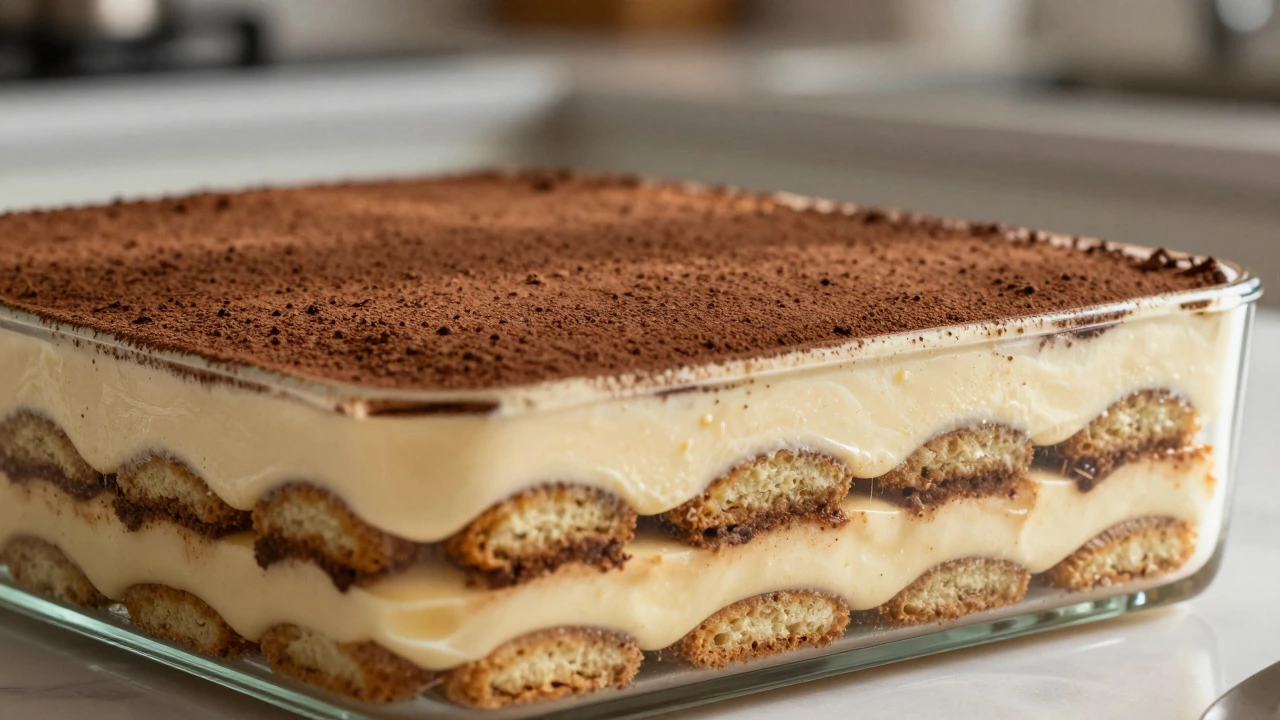
You’ve just spent hours layering ladyfingers with espresso-soaked coffee and creamy mascarpone. The result is perfect. But now you have too much, or maybe you want to prepare it for a party next week. The big question is: can you freeze tiramisu? The short answer is yes. However, because this dessert relies on delicate textures-airy cream and soft sponge-it doesn’t survive the freezer like a chocolate cake might. If you throw it in without a plan, you’ll end up with a soggy, icy mess.
Freezing tiramisu is less about preservation and more about texture management. Mascarpone cheese contains a lot of water and fat. When frozen, those fats can separate, leading to a grainy consistency upon thawing. Ladyfingers (savoiardi) are porous; if they absorb moisture from condensation during thawing, they turn into mush. To keep your dessert tasting fresh, you need to control how it freezes and how it thaws. Here is exactly how to do it right.
Why Texture Matters More Than Taste
When we talk about freezing desserts, taste usually survives fine. Sugar acts as an antifreeze, keeping flavors intact even at low temperatures. Texture is the enemy. In a standard tiramisu, the magic happens in the contrast between the crisp edge of the ladyfinger and the smooth, cold cream. Freezer burn attacks both elements.
If air touches the surface of the cream, ice crystals form. These crystals puncture the emulsion of the mascarpone and egg yolks (if you use raw eggs). When you thaw it, that once-smooth layer becomes watery or crumbly. Similarly, if the ladyfingers aren't sealed tightly, they dry out and become brittle, losing their ability to hold structure when sliced. Understanding this helps you see why wrapping technique matters more than the freezing temperature itself.
Step-by-Step: How to Freeze Tiramisu Correctly
To get the best results, follow these steps precisely. Skipping any step increases the risk of texture failure.
- Chill First: Before freezing, ensure your tiramisu is fully set in the refrigerator. It should be cold to the touch. This prevents thermal shock when it hits the freezer.
- Portion It: Decide if you want to freeze the whole dish or individual slices. Individual slices are better for home freezers because they thaw faster and reduce waste. Whole dishes work well if you have a large chest freezer.
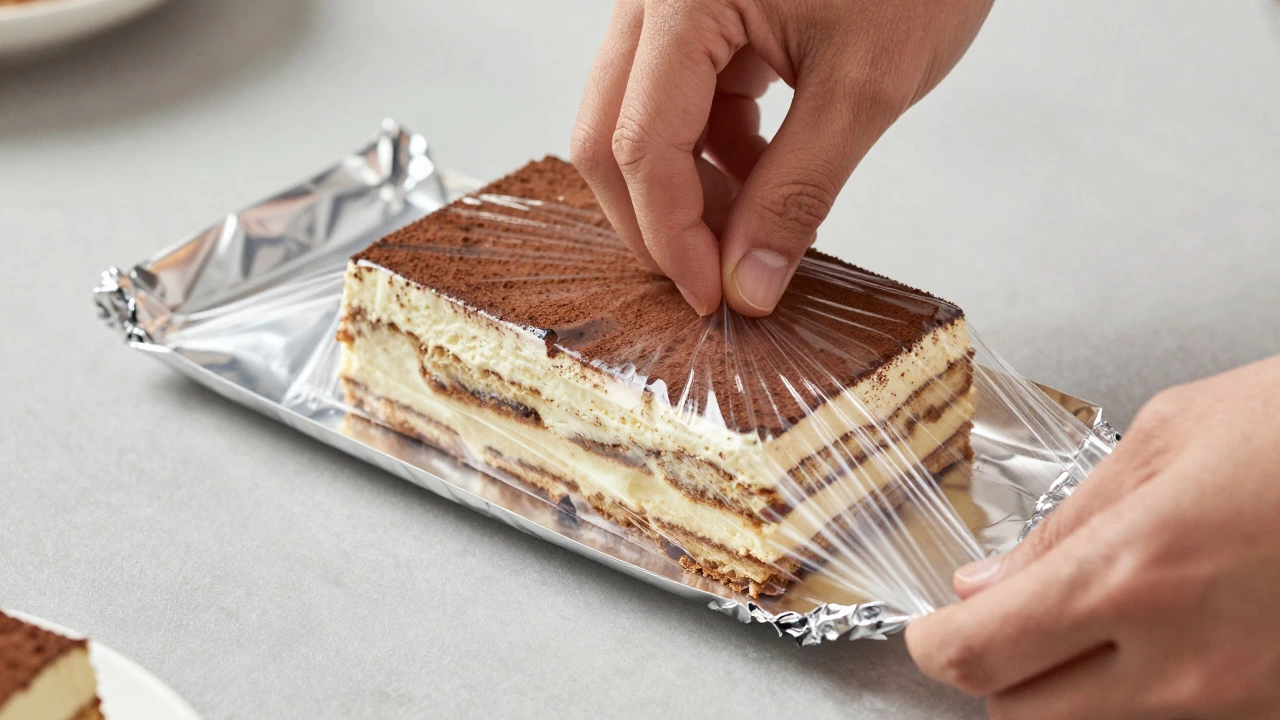
- The Plastic Wrap Layer: Press plastic wrap directly onto the surface of the tiramisu. Remove all air pockets. This is crucial. Air is what causes freezer burn. If you skip this, the top layer will look frosty and taste stale.
- The Foil Shield: Wrap the entire container or slice tightly in aluminum foil. This adds a second barrier against odors and moisture loss. Freezers smell like everything else in your kitchen; foil keeps those smells out of your dessert.
- Label and Date: Write the date on the foil. Tiramisu does not last forever in the freezer. Aim to eat it within one month for best quality.
Individual Slices vs. Whole Dish: Which Is Better?
Most people prefer freezing individual portions. Here is why. A whole tiramisu takes longer to freeze through the center. During that time, ice crystals have more opportunity to grow large. Large crystals damage the cell walls of the ingredients, leading to a softer final product. Individual slices freeze quickly, locking in texture better.
Also, think about convenience. Do you really want to defrost a three-pound cake just to serve two people? Probably not. Pre-slicing allows you to grab one piece for a quick snack or a small gathering. If you must freeze the whole thing, use a rigid, airtight container rather than just foil. This protects the shape so it doesn’t collapse under its own weight.
| Method | Texture Retention | Convenience | Best For |
|---|---|---|---|
| Whole Dish | Moderate | Low (slow thaw) | Large parties, bulk prep |
| Individual Slices | High | High (quick thaw) | Daily snacks, small groups |
| Unwrapped | Poor | Medium | Not recommended |
The Thawing Process: Patience Is Key
How you take the tiramisu out of the freezer is just as important as how you put it in. Never thaw tiramisu on the counter at room temperature. The temperature difference causes condensation to form on the outside of the packaging. That water drips onto the ladyfingers, turning them into soup before you even cut a slice.
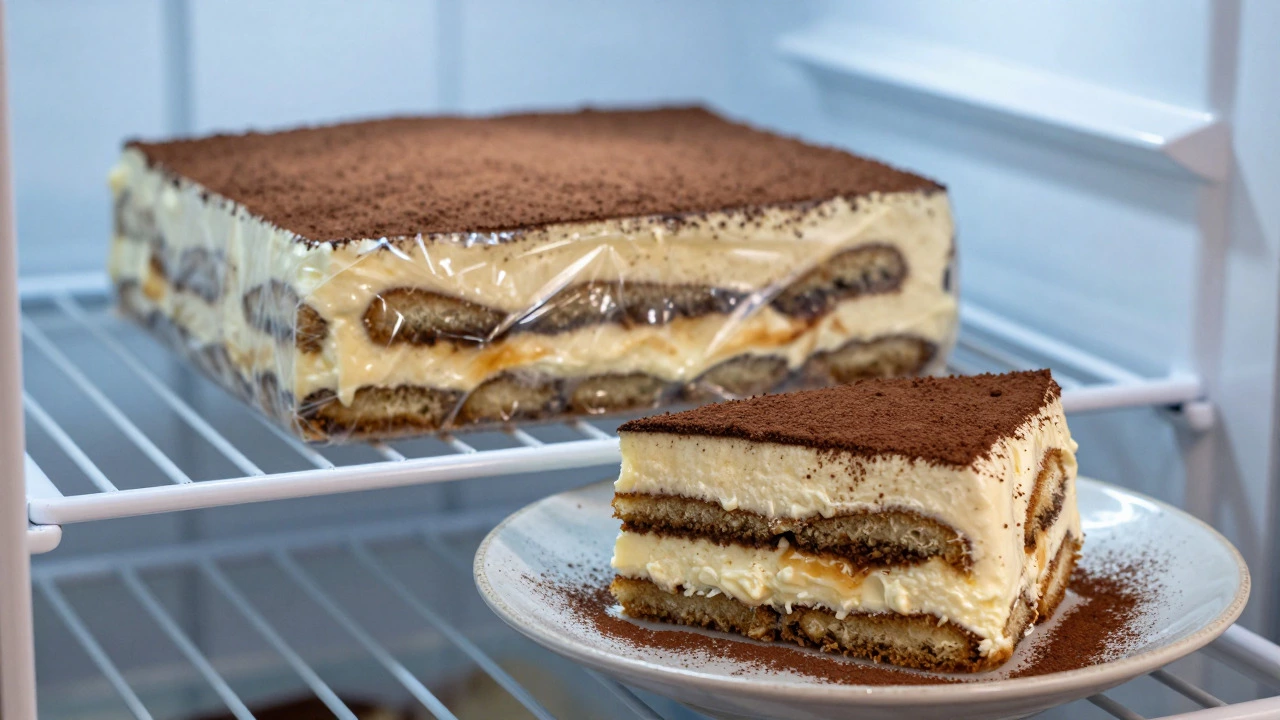
Instead, move the wrapped tiramisu from the freezer to the refrigerator the night before you plan to serve it. Let it thaw slowly over 8 to 12 hours. This gradual process allows the mascarpone to re-emulsify slightly and the ladyfingers to regain some firmness without becoming soggy. Keep the plastic wrap and foil on until the very last moment. This traps any moisture that forms inside the package, keeping it away from the dessert.
Once thawed, let it sit at room temperature for 15 minutes before serving. This brings the flavor back. Cold numbs our taste buds, so a slightly warmer dessert tastes richer and more complex.
Does Mascarpone Survive Freezing?
Mascarpone is a high-fat cream cheese. High-fat dairy products are sensitive to temperature changes. When mascarpone freezes, the water content expands. Upon thawing, the fat may separate from the water, creating a grainy or curdled appearance. While this doesn’t make it unsafe to eat, it affects the mouthfeel.
To minimize this, beat the mascarpone thoroughly before mixing it into your tiramisu recipe. Adding a stabilizer like a little cornstarch or gelatin can help bind the moisture, though traditional recipes often skip this. If you notice slight graininess after thawing, don’t panic. Dusting generously with cocoa powder hides visual imperfections and adds a bitter note that balances the sweetness.
Alternative: Freeze the Components Separately
If you are worried about texture issues, consider a different approach. Instead of freezing the assembled tiramisu, freeze the components separately. Make the mascarpone cream mixture and store it in an airtight container. Freeze the ladyfingers in a bag. When you are ready to serve, assemble the tiramisu fresh. Soak the thawed ladyfingers in espresso and layer with the thawed cream.
This method takes more effort on serving day but guarantees the best texture. The ladyfingers stay crisp until the moment they meet the coffee, and the cream remains smooth because it wasn’t subjected to the structural stress of freezing while layered. This is the pro tip for serious bakers who want restaurant-quality results every time.
How Long Does Frozen Tiramisu Last?
You can technically keep tiramisu in the freezer for up to three months. However, quality declines after the first month. By week five, you may notice subtle changes in flavor due to oxidation, even with good wrapping. By month two, the texture may start to suffer regardless of how well you wrapped it. For the best experience, aim to consume frozen tiramisu within 30 days. Mark your calendar if you make it ahead for a special occasion.
Common Mistakes to Avoid
- Using Glass Containers Without Space: Liquids expand when frozen. If you fill a glass dish to the brim, it might crack. Leave at least an inch of headspace.
- Skippping the Cocoa Powder: Don’t add the cocoa dusting before freezing. It absorbs moisture and turns into a sticky paste. Add it fresh after thawing.
- Thawing Too Fast: Microwaving tiramisu is a disaster waiting to happen. The cream will melt unevenly, and the ladyfingers will harden. Stick to the fridge.
- Re-freezing: Never freeze thawed tiramisu again. The texture will be destroyed completely. Only freeze once.
What About Other Desserts?
If you are experimenting with freezing desserts, know that not all treat alike. Cheesecakes freeze beautifully because their dense structure holds up well. Brownies also survive freezing with minimal texture loss. Light mousses and fruit-based tarts, however, suffer similar fates to tiramisu-they become watery and lose their shape. Always check the moisture content and structural integrity of your dessert before committing it to the freezer.
Can you freeze tiramisu with raw eggs?
Yes, you can freeze tiramisu made with raw eggs. The freezing process does not kill bacteria, so ensure your eggs are pasteurized if you are concerned about food safety. From a texture standpoint, raw egg yolks actually help stabilize the cream, making it slightly more resilient to freezing than whipped cream alone.
Should I freeze tiramisu before or after adding cocoa powder?
Always add the cocoa powder after thawing. If you dust it before freezing, the cocoa absorbs moisture from the air and the cream, turning into a dark, sticky sludge. Fresh cocoa powder provides the right bitter crunch and visual appeal.
How do I prevent freezer burn on tiramisu?
Prevent freezer burn by pressing plastic wrap directly onto the surface of the dessert to eliminate air pockets. Then, wrap the entire container tightly in aluminum foil. Double-layering is essential because single layers often develop tiny leaks over time.
Can I freeze vegan tiramisu?
Yes, vegan tiramisu freezes well, especially if it uses cashew cream or coconut cream instead of dairy. Plant-based creams often contain stabilizers that help maintain texture during freezing. Follow the same wrapping and thawing guidelines as traditional tiramisu.
Is it safe to eat thawed tiramisu left out overnight?
If your tiramisu contains raw eggs, avoid leaving it out for more than two hours. Bacteria grow rapidly in the "danger zone" between 40°F and 140°F. If you used pasteurized eggs or cooked custard, it is safer, but the texture will degrade significantly if left out too long.




Write a comment