

Cookie Texture & Technique Advisor
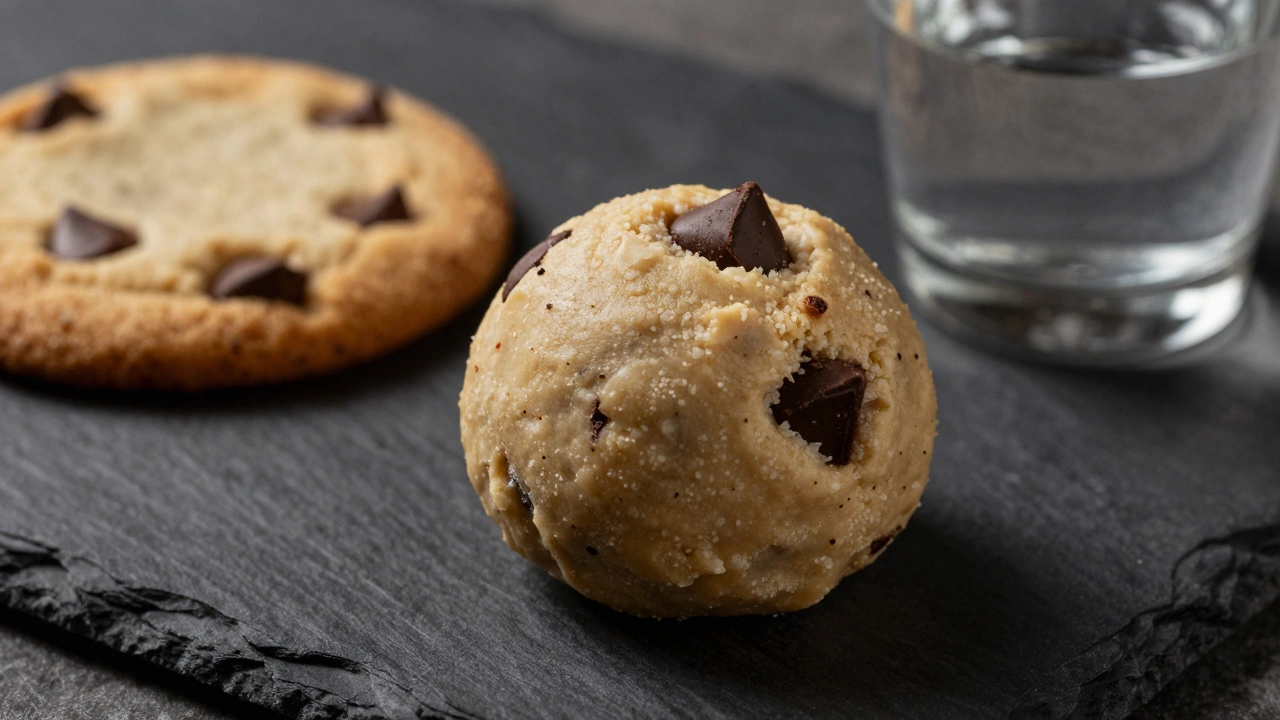
For Chocolate Chip cookies aiming for a chewy center, let the dough spread naturally. Flattening removes the texture gradient.
Recommended Technique:
- ✅ Chill dough for at least 30 minutes.
- ✅ Bake at 350°F (175°C).
- ❌ Do not press down with palm or glass.
Have you ever pulled a tray of cookies out of the oven only to find they look like little domes instead of flat, golden discs? Or perhaps you’ve seen a recipe that explicitly says "flatten each ball with your palm" and wondered if it’s actually necessary. It’s one of those kitchen debates that splits bakers into two camps: the flatteners and the non-flatteners.
The short answer is: it depends entirely on what kind of cookie you are making and what texture you want. For some recipes, flattening is a crucial step for even baking. For others, it ruins the delicate balance of chewiness and crispness. Let’s break down why you might-or might not-want to press down on that dough.
Why Recipes Ask You to Flatten Dough
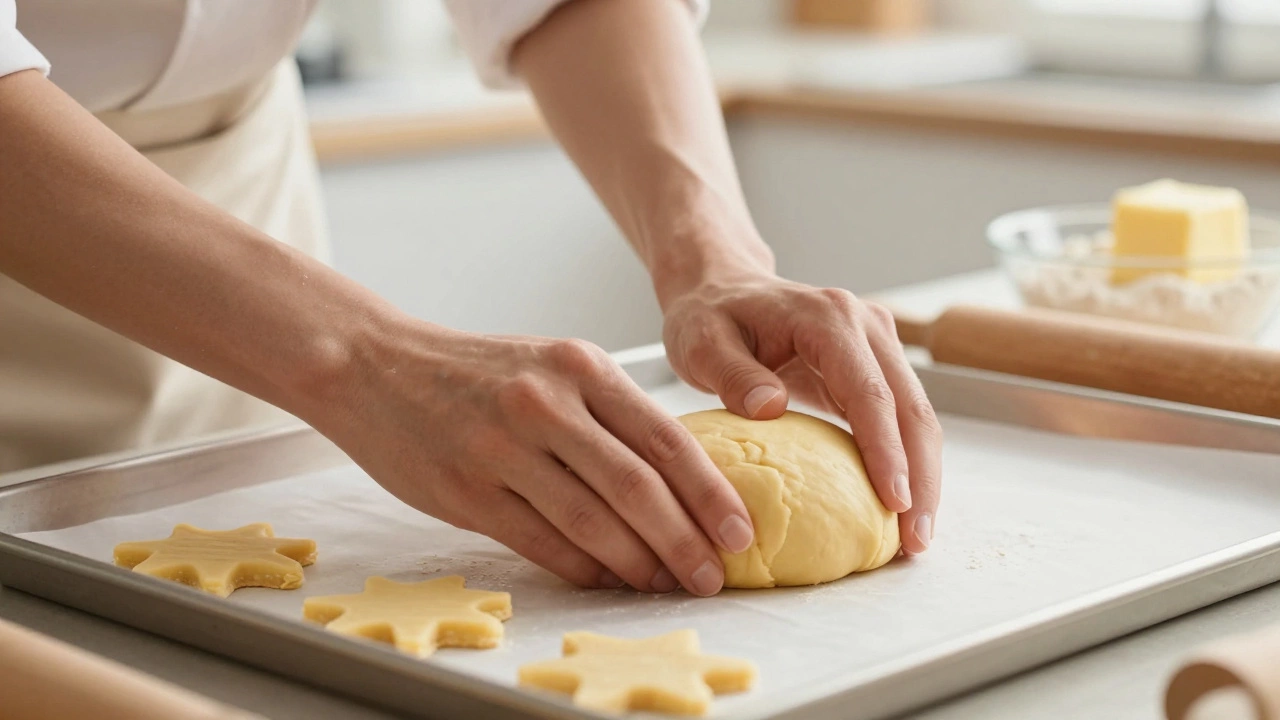
When a recipe calls for flattening, it’s usually trying to solve a specific problem: uneven cooking or excessive spread. Think about classic shortbread, which is a rich, crumbly biscuit made with flour, butter, and sugar. Shortbread doesn’t spread much because it has less liquid and often no leavening agent like baking soda. If you bake a thick ball of shortbread dough, the outside will burn before the inside is cooked through. Flattening ensures the heat penetrates evenly, giving you that signature sandy, melt-in-your-mouth texture throughout.
Another reason to flatten is control. Some doughs, especially those high in butter or sugar, can spread unpredictably. By pre-flattening them, you guarantee a uniform thickness. This is particularly important for sugar cookies intended for cutting shapes. While you roll these out first, the principle is similar: consistent thickness means consistent baking time. No burnt edges while the center remains raw.
The Case Against Flattening: The Magic of Spread
Now, let’s talk about the stars of the cookie world: chocolate chip cookies. Most modern recipes for these do not ask you to flatten them. In fact, doing so can work against you. Why? Because the beauty of a great chocolate chip cookie lies in its contrast: crispy edges and a soft, chewy center. This happens because the dough spreads as it heats up.
As the butter melts, the structure of the dough relaxes, allowing it to flow outward. The sugars caramelize at the thin edges, creating crunch. The thicker center stays moist and tender. If you flatten the dough ball before baking, you remove this gradient. You end up with a cookie that is uniformly thin and potentially uniformly crisp-or worse, dry. You lose that coveted chew.
Furthermore, many chocolate chip cookie recipes rely on the weight of the dough itself to regulate spreading. A chilled, dense ball of dough spreads slowly and evenly. If you press it down, you’re essentially helping the spread along too early, which can lead to cookies that merge together or become paper-thin.
Temperature Is Your Best Friend (Or Enemy)
Whether you flatten or not often comes down to how cold your dough is. Cold dough holds its shape longer. Warm dough spreads faster. If your kitchen is hot, or if you’ve handled the dough too much, it might spread excessively on its own. In this case, flattening isn’t about preference; it’s about damage control. But here’s a better trick: chill the dough.
Chilling solidifies the fat. When you put cold dough into a hot oven, it takes a few minutes for the butter to melt. During those minutes, the leavening agents (baking soda or powder) start working, creating gas bubbles that lift the cookie slightly before it spreads. This results in a taller, puffier cookie with more texture variation. If you skip the chill and flatten warm dough, you get a flat, greasy disc. So, instead of flattening, try refrigerating your dough balls for at least 30 minutes before baking.
Which Cookies Should You Flatten?
To make this easier, here’s a quick guide based on common cookie types:
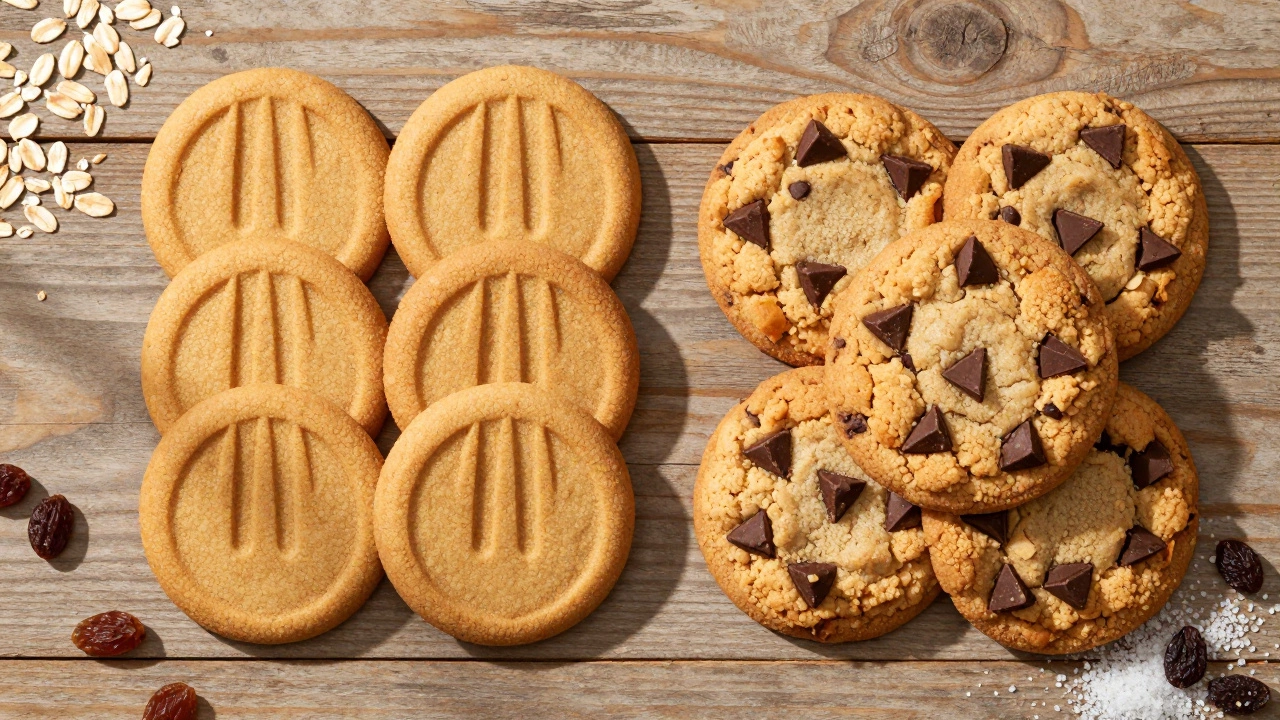
- Shortbread and Tea Cakes: Yes, flatten. They need even thickness to cook through without burning.
- Sugar Cookies (Drop Style): Optional. If you want them thinner and crisper, flatten them. If you prefer them cakey and tall, leave them alone.
- Chocolate Chip Cookies: No, don’t flatten. Let them spread naturally for the best texture contrast.
- Oatmeal Raisin Cookies: Generally no. These tend to be thicker and chewier. Flattening can make them tough.
- Peanut Butter Cookies: Traditionally yes. Many recipes call for pressing a fork pattern into them, which serves the dual purpose of flattening and decoration.
- Ginger Snaps: No. These should spread slightly to become crisp all over, but starting with a flattened ball can make them too brittle.
How to Flatten Cookies Correctly
If you decide that your recipe benefits from flattening, technique matters. You don’t want to crush the air out of the dough or make it uneven. Here’s how to do it right:
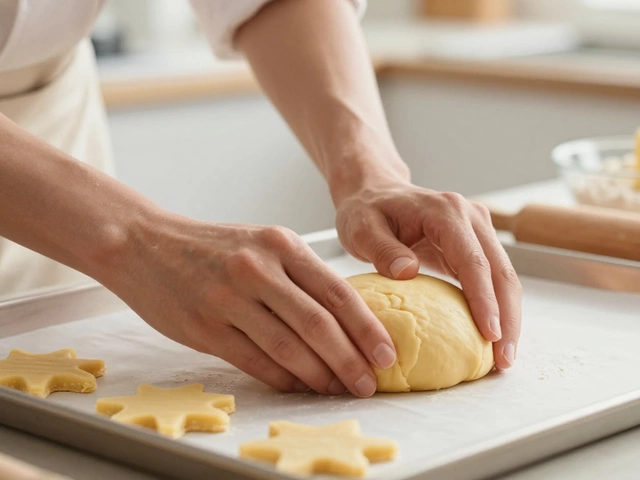
- Use the Right Tool: Your palm is okay, but a glass bottomed with sugar works wonders. Roll the dough ball in granulated sugar, then gently press it down with the bottom of a drinking glass. The sugar adds a nice crust, and the glass gives even pressure.
- Be Gentle: Apply light, steady pressure. You’re aiming for a slight dome, not a pancake. Aim for about half an inch thick.
- Keep Them Cold: If possible, flatten the cookies just before putting them in the oven. If you flatten them and then leave them on the counter, they’ll warm up and spread anyway, defeating the purpose.
- Space Them Out: Even if you flatten them, cookies will still spread a bit. Leave at least two inches between each cookie on the baking sheet.
Troubleshooting Common Cookie Issues
Sometimes, the question of flattening arises because something went wrong. Let’s address a few scenarios:
Problem: My cookies spread too much and merged. Solution: Your dough was likely too warm, or your oven wasn’t hot enough. Chill the dough next time. Don’t flatten; instead, ensure your oven is preheated to the correct temperature (usually 350°F or 175°C). A hotter oven sets the edges faster, limiting spread.
Problem: My cookies are puffy and cakey, but I wanted them flat and crisp. Solution: You probably have too much flour or not enough fat/sugar. Also, check your baking soda. Old baking soda loses potency. If you want flatter cookies, you can add a teaspoon of cornstarch to the dough, which helps with spread, or simply flatten them before baking as mentioned earlier.
Problem: My cookies are hard and crunchy everywhere. Solution: You may have baked them too long or at too high a temperature. Cookies continue to cook on the hot pan after you remove them from the oven. Take them out when they look slightly underdone in the center. They will firm up as they cool.
The Verdict: Trust Your Eyes
In the end, there’s no strict rule. Baking is part science, part art. If you’re following a trusted recipe, follow its instructions. If it says flatten, flatten. If it says drop, drop. But if you’re experimenting, use your judgment. Look at the dough. Is it dense and buttery? It might need help spreading. Is it full of chunks and meant to be chewy? Let it be.
Next time you’re in the kitchen, try baking two batches of the same dough-one flattened, one not. Compare the results. You might discover a new favorite texture. That’s the joy of homemade cookies: they’re forgiving, flexible, and always delicious.
Do I need to flatten chocolate chip cookies before baking?
No, you generally do not need to flatten chocolate chip cookies. Allowing them to spread naturally creates a desirable contrast between crispy edges and a soft, chewy center. Flattening them can result in a uniformly thin and dry cookie.
Why do some cookies spread too much?
Cookies spread too much usually due to warm dough, melted butter, or an oven that isn't hot enough. Chilling the dough before baking helps solidify the fat, allowing the cookies to hold their shape longer and spread more evenly.
How do I make cookies flatter and crispier?
To make cookies flatter and crispier, you can flatten the dough balls before baking, use more brown sugar than white sugar, or ensure your butter is softened but not melted. Adding a small amount of cornstarch can also encourage spreading.
What is the best way to flatten cookie dough?
The best way to flatten cookie dough is to roll the dough balls in granulated sugar and then gently press them down with the bottom of a glass. This provides even pressure and adds a nice sugary crust to the cookies.
Does chilling cookie dough affect the final texture?
Yes, chilling cookie dough significantly affects texture. It allows the flour to fully hydrate, resulting in richer flavor and better structure. It also prevents excessive spreading, leading to thicker, chewier cookies with more defined edges.





Write a comment