

Birthday Cake Flavor Matcher
Not sure which cake to order? Answer these three quick questions to get a personalized recommendation based on culinary trends and guest psychology.
Recommended Flavor:
ChocolateYou walk into a bakery or scroll through Instagram, and you see them everywhere: towering layers of chocolate cake dripping with ganache, or pristine white squares topped with fresh berries. But if you had to bet money on what the average person actually requests for their birthday party, would you pick the rich, dark stuff or the light, airy classic? The answer isn't just about taste buds; it's about culture, nostalgia, and what has been available in supermarkets for the last fifty years.
While regional preferences vary wildly-think lemon drizzle in the UK versus tres leches in Latin America-one flavor consistently dominates global sales data and search trends. It’s not even close. But knowing the winner doesn’t mean you have to serve it. In fact, understanding why certain flavors win can help you choose a cake that your guests will actually remember, rather than one they eat out of obligation.
The Undisputed Champion: Chocolate
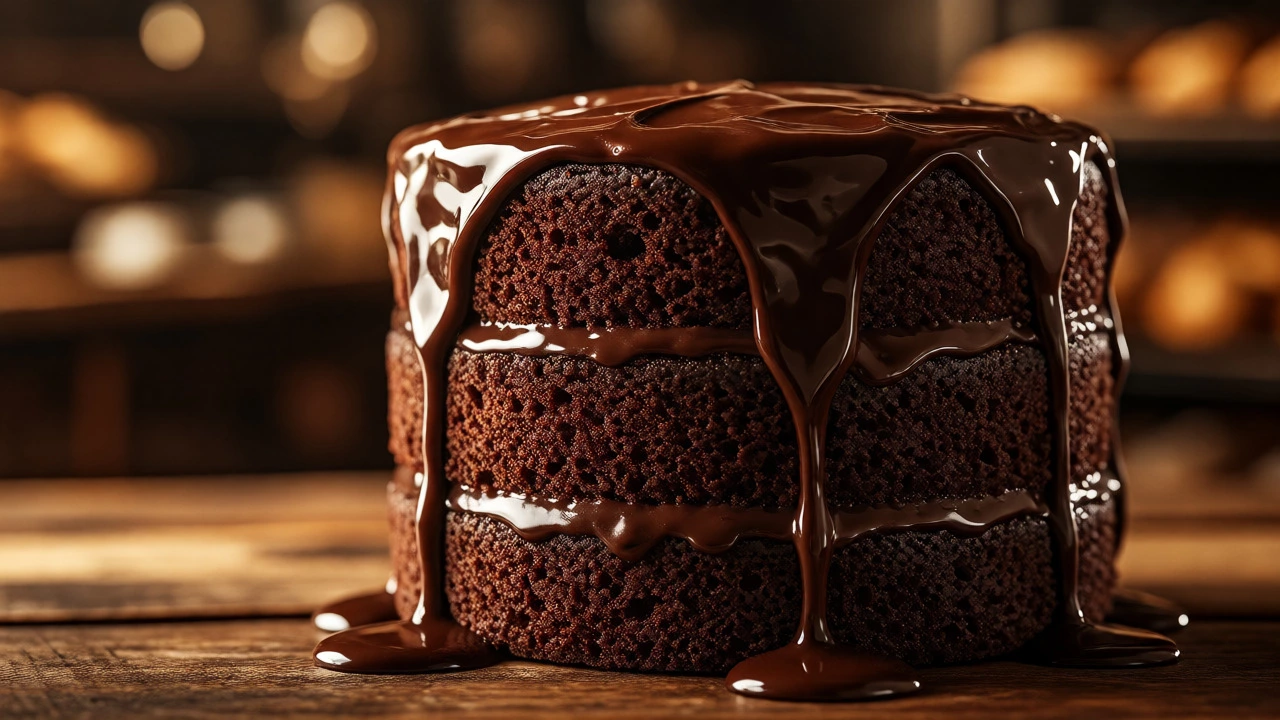
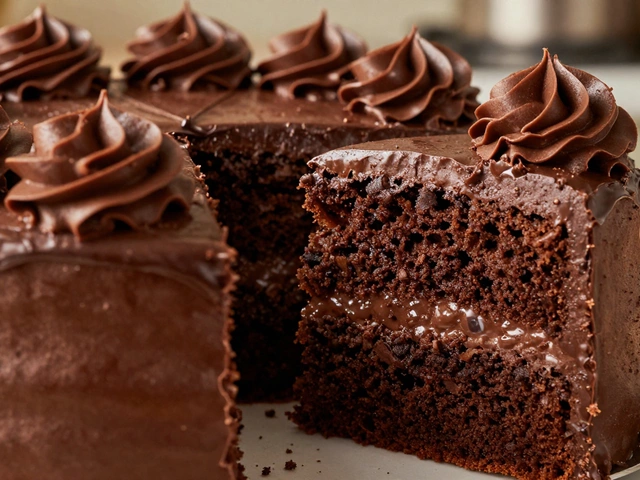
If you look at sales figures from major grocery chains and independent bakeries alike, chocolate is the most popular birthday cake flavor worldwide. It’s the default setting for celebration. Why? Because chocolate triggers dopamine release more reliably than almost any other ingredient. It’s familiar, comforting, and universally recognized as "treat food."
But "chocolate" isn't a monolith. When people ask for chocolate cake, they usually mean one of three specific types:
- American Buttercream Chocolate: Dense, sweet, and heavy. This is the standard box-mix style found in most casual parties.
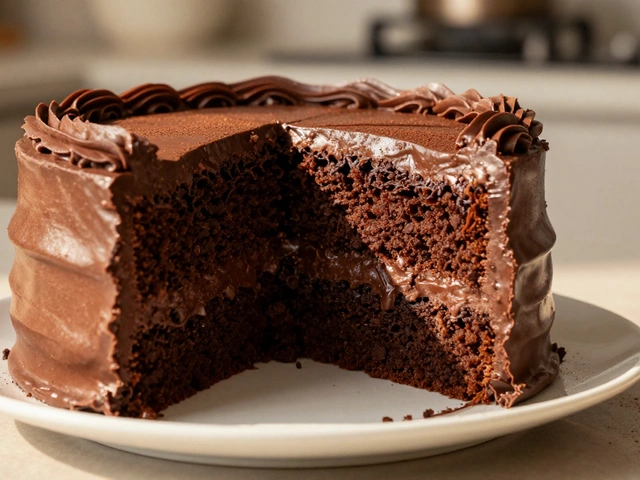
- Devil’s Food Cake: Richer and moister due to higher fat content (egg yolks) and often made with hot coffee to deepen the cocoa flavor.
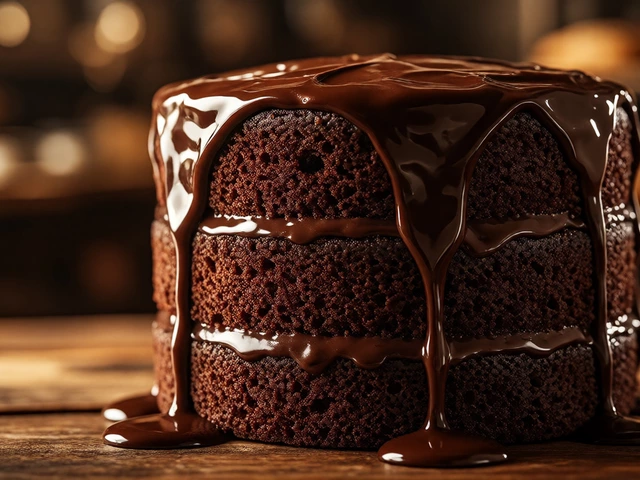
- Ganache Layered Cake: A modern favorite where chocolate mousse or truffle fills sit between thin sponge layers. It’s less sugary but much richer.
Data from baking industry reports suggests that nearly 40% of all birthday cakes ordered contain some form of chocolate. If you’re hosting a large party with diverse ages, chocolate is the safest bet. Kids love it, adults tolerate it, and grandparents expect it. It rarely offends anyone.
The Close Second: Vanilla Isn't Boring
Many home bakers fear vanilla because they think it tastes like plain sugar. That’s a mistake. High-quality vanilla bean paste offers complex floral and creamy notes that chocolate simply can’t match. Vanilla ranks second in popularity, often edging out chocolate in health-conscious circles or summer weddings.
The key to a winning vanilla cake is the butter-to-sugar ratio. A true pound cake style vanilla is dense and buttery, while a chiffon-style vanilla is airy and delicate. If you pair a high-quality Madagascar Bourbon vanilla with a salted caramel filling, you elevate the flavor profile significantly. Guests who claim they "don't like cake" often devour vanilla when it’s done right because it feels lighter and less cloying than chocolate.
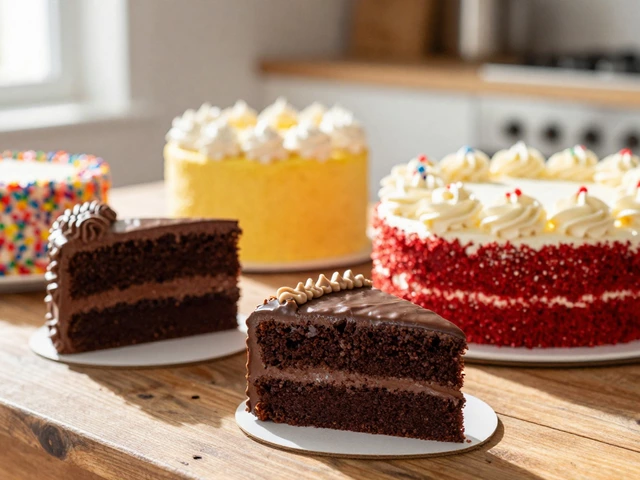
The Nostalgia Factor: Red Velvet and Funfetti
Two flavors punch way above their weight class due to visual appeal and childhood memories: Red Velvet and Funfetti.
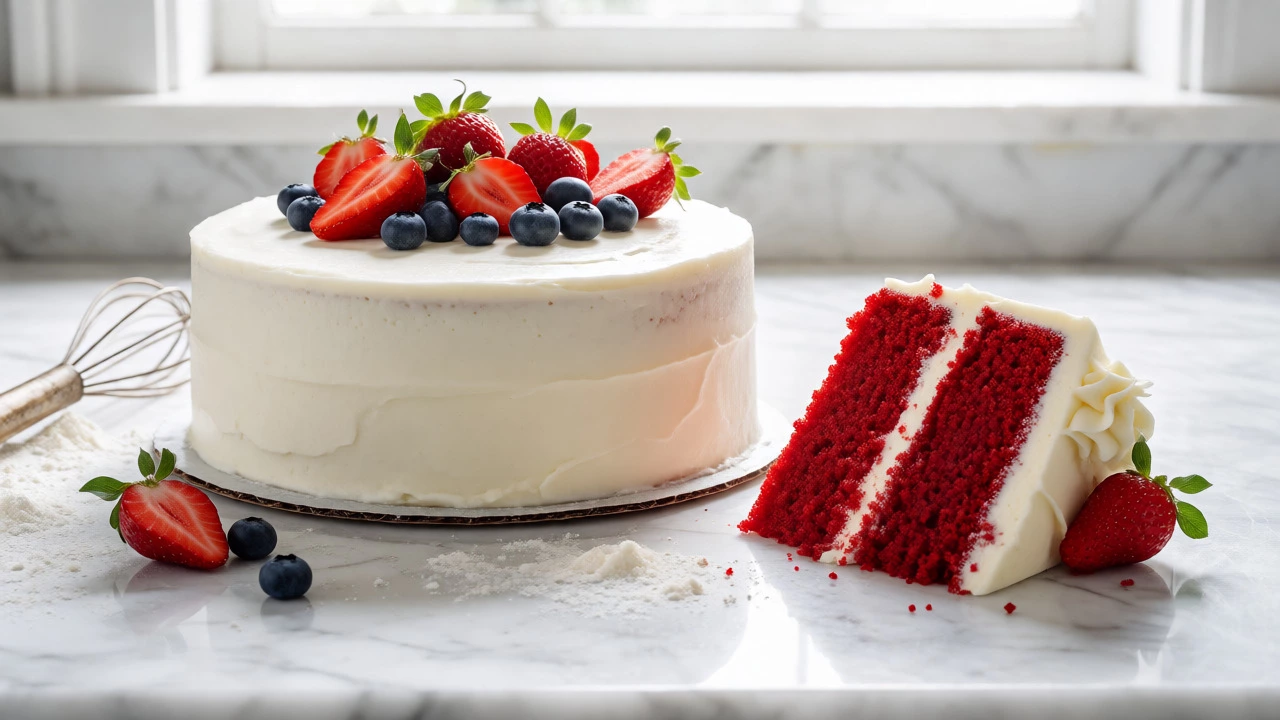
Red Velvet is technically a mild chocolate cake with added cocoa powder and acidic ingredients like buttermilk or vinegar, which react with the cocoa to create its signature reddish-brown hue. Its popularity exploded in the mid-20th century thanks to marketing by Adams Extracts. Today, it’s synonymous with Southern hospitality and romantic gestures. People order it because it looks impressive in photos. The flavor itself is subtle-tangy and slightly cocoa-y-but the cream cheese frosting provides the main flavor hit. If your goal is Instagram likes, Red Velvet wins.
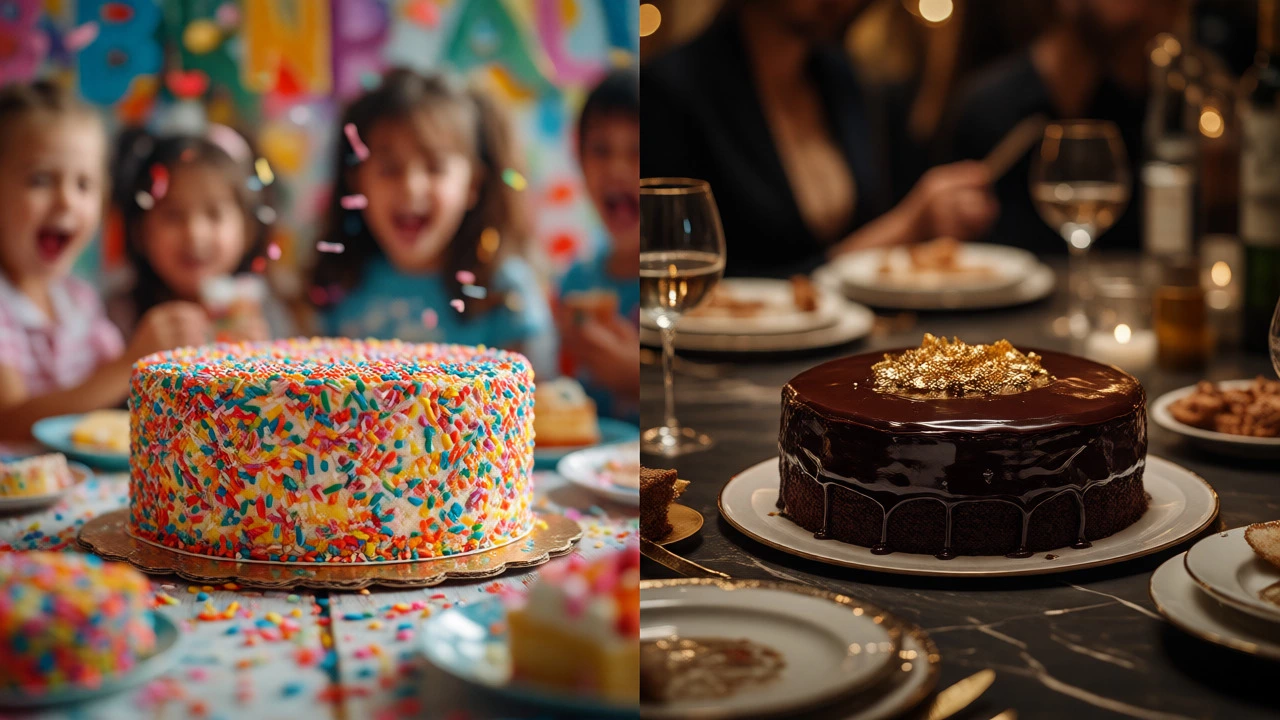
Funfetti, essentially yellow cake loaded with sprinkles, appeals to the inner child in everyone. It’s messy, colorful, and screams "party." While nutritionally similar to basic yellow cake, the psychological impact of seeing rainbow sprinkles inside a slice creates a sense of joy that plain cake lacks. It’s particularly dominant for children’s birthdays, where color matters more than culinary complexity.
Regional Favorites That Beat National Trends
Global averages hide local realities. If you’re in New York City, cheesecake might rival traditional sponge cakes. In parts of the Midwest, German chocolate cake (which uses coconut and pecans) holds strong. In France, the gâteau basque or fruit tarts are common birthday staples.
Consider these regional heavyweights:
| Region | Dominant Flavor | Key Characteristics |
|---|---|---|
| United States (General) | Chocolate/Vanilla | Buttercream frosting, layered sponges |
| Southern US | Red Velvet | Cream cheese frosting, tangy crumb |
| UK/Australia | Fruitcake/Lemon | Often soaked in syrup or alcohol |
| Latin America | Tres Leches | Soaked in three milks, whipped cream top |
| Japan | Strawberry Shortcake | Light sponge, fresh cream, whole strawberries |
If you’re planning a multicultural gathering, check your guest list’s background. Serving a dry American buttercream cake to a crowd expecting moist Tres Leches could lead to polite disappointment.
How to Choose the Right Flavor for Your Party
Don’t just pick the "most popular" flavor blindly. Match the cake to the event. Here is a quick decision tree:
- Is it a kids' party? Go with Funfetti or Chocolate Chip Cookie dough cake. Kids prefer texture and color over nuanced flavor profiles.
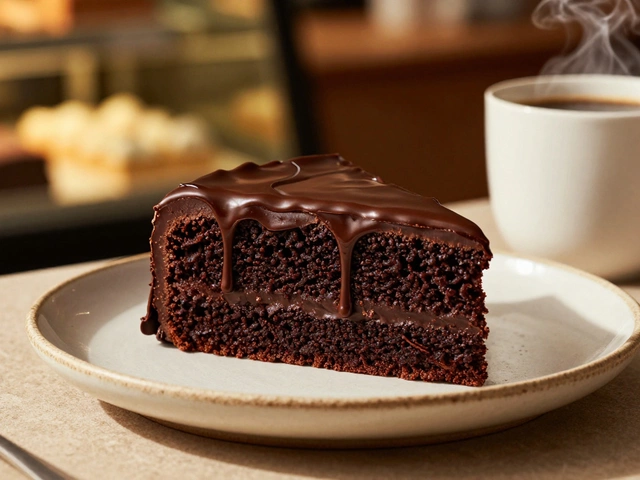
- Is it an adult dinner party? Avoid overly sweet buttercreams. Opt for Dark Chocolate Ganache, Lemon Olive Oil, or Carrot Cake with walnuts. These pair better with wine or coffee.
- Are there dietary restrictions? Gluten-free almond flour cakes often taste nutty and rich. Vegan cakes using aquafaba meringue tend to be lighter. Test these ahead of time; substitutes change flavor dynamics.
- Do you want low effort? Box mixes are engineered for consistency. If you use a mix, upgrade it by adding pudding mix to the batter or swapping water for milk and oil for melted butter.
Remember, the frosting does 50% of the work. You can take a mediocre sponge and make it delicious with a high-quality Swiss Meringue Buttercream. Conversely, a gourmet sponge can be ruined by gritty, overly sweet American frosting.
Common Mistakes Home Bakers Make
One major pitfall is ignoring temperature. Buttercream melts in warm rooms. If your party is outdoors in July, avoid chocolate buttercream. Switch to a stabilized whipped cream or a fondant cover. Another mistake is assuming "popular" means "liked by everyone." Some people genuinely dislike the metallic aftertaste of commercial cocoa powder. If you’re serving a large group, consider offering two smaller cakes instead of one giant one-one chocolate, one vanilla-to hedge your bets.
Also, beware of artificial extracts. Imitation vanilla tastes like perfume compared to real bean paste. Since vanilla is so simple, poor quality ingredients stand out immediately. Invest in good extract or beans; it’s the cheapest way to upgrade a cake.
Frequently Asked Questions
Why is chocolate the most popular birthday cake flavor?
Chocolate is favored because it is universally recognizable, comforting, and pairs well with various frostings. Its widespread availability and consistent taste across different brands make it a safe choice for hosts who don't know their guests' specific preferences. Additionally, chocolate triggers positive neurological responses associated with reward and pleasure.
Is vanilla cake really boring?
No, vanilla cake is only boring if made poorly. High-quality vanilla bean paste, brown butter, or almond extract can add depth and complexity. Many professional bakers prefer vanilla because it allows other fillings, like fruit curds or salted caramel, to shine without competing with strong cocoa flavors.
What is the difference between Devil's Food and regular chocolate cake?
Devil's Food cake typically uses more fat (butter or oil) and egg yolks, resulting in a richer, moister crumb. It often includes hot coffee or boiling water to bloom the cocoa powder, enhancing the chocolate flavor. Regular chocolate cake may rely more on milk and fewer eggs, leading to a lighter, fluffier texture.
Should I offer multiple flavors at a party?
Yes, if the budget and logistics allow. Offering a chocolate and a vanilla option ensures most guests find something they enjoy. It also reduces waste, as people are less likely to leave half-eaten slices if they can choose a flavor they actually like. For larger events, consider mini cupcakes in assorted flavors.
What is the best frosting for chocolate cake?
Classic pairings include chocolate buttercream, cream cheese frosting, or peanut butter frosting. For a more sophisticated option, try a raspberry compote or salted caramel filling. The acidity in fruit-based fillings cuts through the richness of dark chocolate, creating a balanced bite.
Write a comment