

Macaron Freezer Suitability & Storage Calculator
Enter Your Details
Select your options and click Calculate to see results.
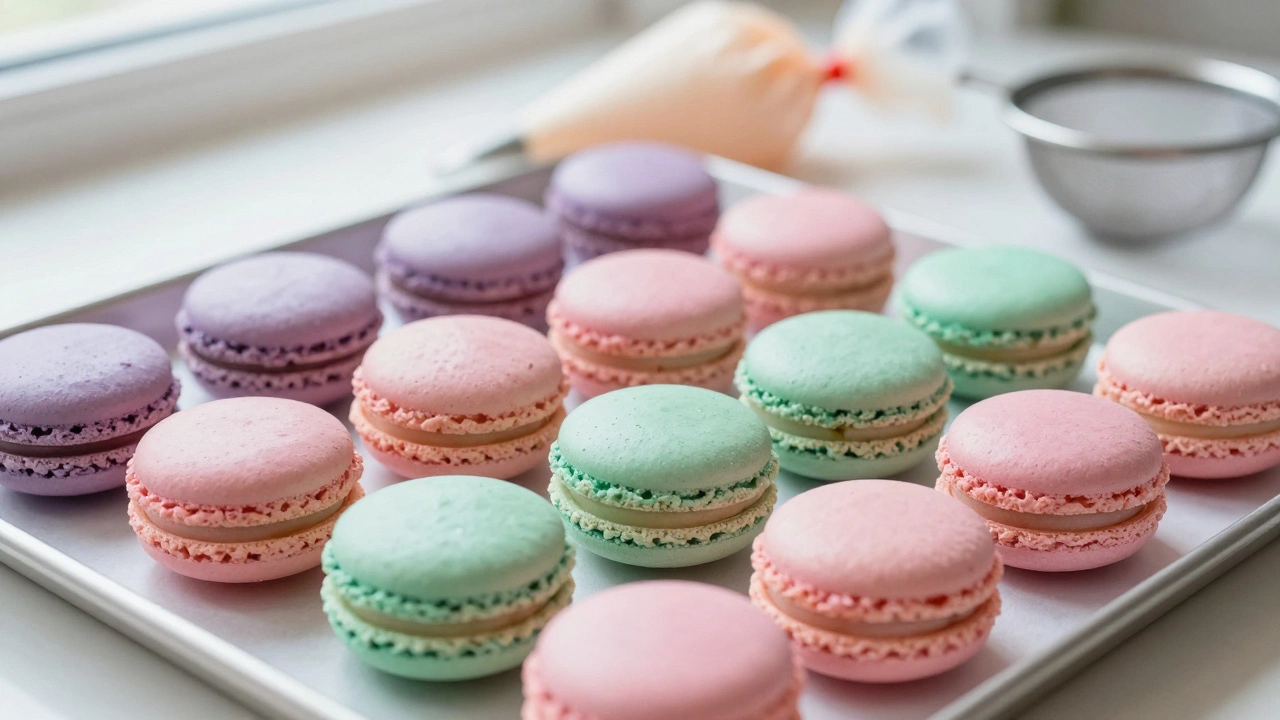
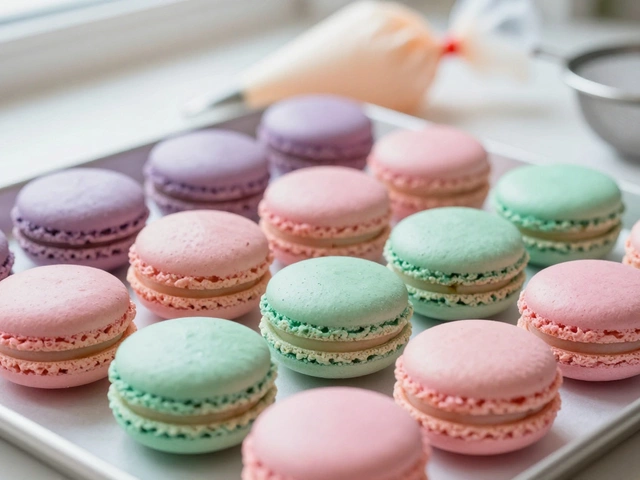
You just spent three hours piping delicate shells, waiting for the feet to form, and baking them to perfection. Now you have a tray of beautiful macarons, which are French meringue-based confections made with almond flour, egg whites, and sugar. But you aren't ready to eat them all right now. Or maybe you baked them in bulk for a party next week. The question on your mind is simple: can you freeze these fragile treats without ruining their texture?
The short answer is yes. In fact, freezing is often the best way to preserve the quality of macarons. Unlike many other baked goods that turn soggy or stale when frozen, macarons actually benefit from the cold if handled correctly. They retain their signature chewy interior and crisp shell far better in the freezer than they do sitting out at room temperature for days.
Why Freezing Beats Room Temperature Storage
Most people assume that because macarons are delicate, they should stay fresh in an airtight container on the counter. While this works for a day or two, it’s not ideal for long-term storage. Macarons are hygroscopic, meaning they absorb moisture from the air. If you live in a humid climate, your macarons might become sticky or lose their structure within 48 hours.
Freezing stops this process entirely. By lowering the temperature, you pause the degradation of the meringue and the oxidation of the filling. Professional patisseries often freeze macarons before shipping them internationally. This ensures that when you bite into one, it tastes as fresh as the day it was made. The key difference lies in how you prepare them for the cold.
How to Freeze Macarons Properly
To get the best results, you need to follow a specific method. Throwing a loose tray of macarons into the freezer will result in freezer burn and flavor transfer from other foods in your fridge. Here is the step-by-step process to ensure your almond cookies remain perfectly textured and flavorful after freezing.
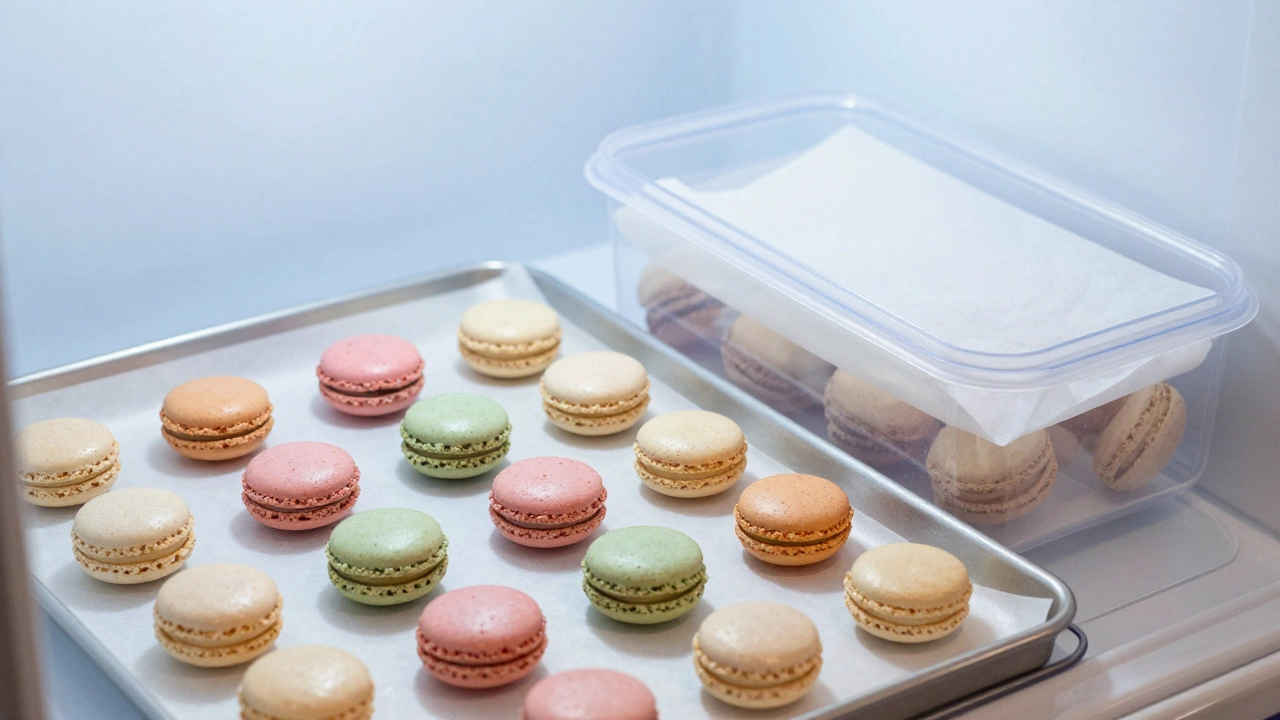
- Flash Freeze First: Place your assembled macarons on a baking sheet lined with parchment paper. Make sure they are not touching each other. Put the tray in the freezer for about 1-2 hours. This hardens the filling and prevents the macarons from sticking together later.
- Wrap Individually (Optional but Recommended): For premium fillings like ganache or buttercream, consider wrapping each macaron loosely in plastic wrap. This adds an extra layer of protection against odors.
- Use Airtight Containers: Transfer the flash-frozen macarons into a rigid, airtight container. Glass containers work well, but sturdy plastic Tupperware is also fine. Avoid using only ziplock bags unless you squeeze out every bit of air, as bags can crush the delicate shells.
- Layer with Parchment: If you are stacking macarons in the container, place a sheet of parchment paper between each layer. This prevents them from sticking to one another and protects the tops from getting squished.
Label the container with the date. This helps you keep track of how long they’ve been stored, ensuring you eat them while they are still at their peak freshness.
How Long Can You Freeze Macarons?
Time is the enemy of any food, even in the freezer. However, macarons are surprisingly resilient. When stored properly in an airtight container, they can last up to three months. After this period, the flavors may start to fade, and the texture might become slightly dry.
If you plan to eat them within a week or two, you don’t need to worry much. But if you are looking at storing them for longer than three months, consider eating them sooner or making a new batch. The almond flour in the shells can develop a rancid taste over extended periods, even when frozen.
| Storage Method | Duration | Quality Retention |
|---|---|---|
| Room Temperature | 2-3 Days | Good initially, degrades quickly in humidity |
| Refrigerator | 1 Week | Fair; shells may soften due to moisture |
| Freezer | Up to 3 Months | Excellent; preserves texture and flavor |
The Art of Thawing Macarons
Freezing is only half the battle. How you bring them back to life matters just as much. Rushing the thawing process can cause condensation to form on the shells, leading to sogginess. You want a slow, gentle transition.
Here is the best way to thaw your frozen macarons:
- Transfer to the Fridge: Move the container from the freezer to the refrigerator. Let them sit there for about 2-4 hours. This allows the filling to soften gradually without shocking the shell.
- Come to Room Temperature: Once the filling is no longer rock-hard, take the macarons out of the fridge and let them sit at room temperature for 30 minutes to an hour. This brings out the full flavor and restores the perfect chewy-crisp texture.
Avoid using the microwave or oven to speed up the process. Heat will melt the filling unevenly and potentially crack the delicate shells. Patience is key here. Think of it like tempering chocolate; gradual changes yield the best results.
Which Fillings Freeze Best?
Not all macaron fillings behave the same way in the freezer. Some hold up beautifully, while others might separate or change texture. Understanding your filling type helps you set realistic expectations.
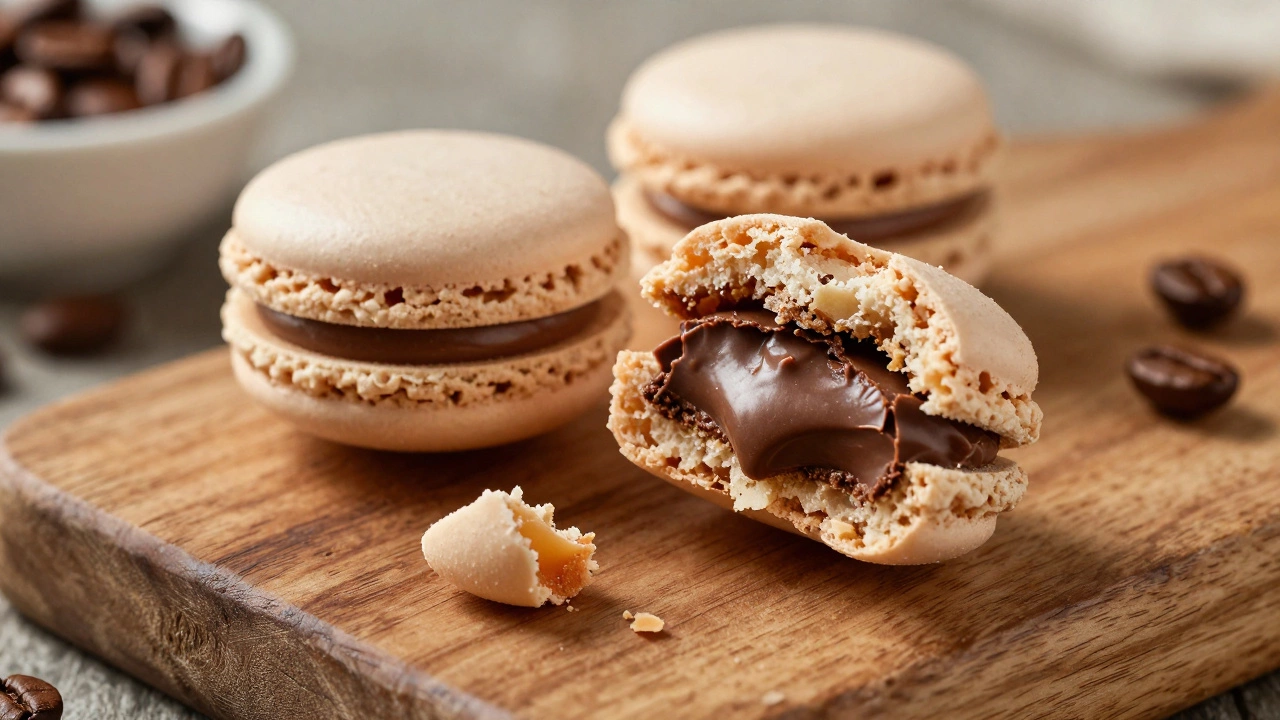
Ganache and Buttercream: These are the kings of freezing. Chocolate ganache and Swiss meringue buttercream freeze exceptionally well. They maintain their smoothness and richness after thawing. If you are making macarons for a future event, these are your safest bets.
Curds and Jams: Lemon curd, raspberry jam, and other fruit-based fillings also freeze well. However, some curds might become slightly grainier upon thawing. To mitigate this, ensure the curd is fully cooled before assembling the macarons. The acidity in citrus curds can sometimes affect the shell's stability over time, so try to consume these within two weeks.
Mousse and Whipped Cream: These are trickier. Light whipped cream fillings can deflate or weep water when thawed. If you use a stabilized whipped cream (with gelatin or mascarpone), they will fare better. Mousse fillings can separate, resulting in a watery texture. If you love mousse macarons, consider making them fresh rather than freezing them.
Common Mistakes to Avoid
Even with the right technique, small errors can ruin your batch. Here are the most common pitfalls bakers make when freezing macarons:
- Skipping the Flash Freeze: Putting soft macarons directly into a bag causes them to stick together. When you pull one out, you might rip the shell or leave half the filling behind.
- Using Weak Containers: Thin plastic bags allow air to seep in, causing freezer burn. The shells become dry and brittle. Always use rigid, airtight containers.
- Overloading the Container: Stacking too many layers without parchment paper leads to crushed bottoms. The weight of the upper macarons can deform the lower ones.
- Ignoring Odors: Macarons absorb smells easily. Don’t store them near strong-smelling foods like onions, garlic, or fish. Your vanilla bean macarons could end up tasting like your leftover curry.
Can You Freeze Unfilled Shells?
Yes, you can freeze plain macaron shells, but it’s generally not recommended. The shells alone are very dry and porous. Without the moisture from the filling, they can become excessively brittle and crumble when bitten. If you must freeze unfilled shells, wrap them tightly in plastic wrap and then place them in an airtight container. Even then, aim to use them within two weeks.
It’s always better to assemble the macarons first. The filling acts as a barrier, keeping the shells moist and protecting them from drying out. This assembly-before-freezing method is the industry standard for a reason.
Troubleshooting Frozen Macarons
Sometimes things don’t go as planned. Here are some issues you might encounter and how to fix them:
Soggy Shells: If your macarons feel wet or slimy after thawing, it’s likely due to condensation. Next time, ensure you let them come to room temperature slowly. If they are already soggy, you can try placing them in a warm oven (at 150°F / 65°C) for 5 minutes to dry them out slightly, but be careful not to melt the filling.
Cracked Shells: Cracks usually happen during the initial baking or handling, not freezing. However, if shells crack after thawing, they may have been exposed to too much temperature fluctuation. Ensure you move them from freezer to fridge to counter gradually.
Flavor Loss: If the macarons taste bland, they may have been in the freezer too long or weren’t sealed tightly enough. The flavors of almond and vanilla can dissipate over time. Add a pinch of salt or a drop of extract to the filling next time to boost the profile.
Do I need to thaw macarons before eating them?
Yes, you should always thaw macarons before eating them. Eating them straight from the freezer means the filling will be rock hard, and the cold numbs your taste buds, masking the subtle flavors. Thawing restores the creamy texture of the filling and the chewy consistency of the shell.
Can I freeze macarons with nutella filling?
Absolutely. Nutella freezes very well because it has a high fat content and low water activity. It remains spreadable after thawing and doesn’t separate. Just make sure to seal the container tightly to prevent the chocolate scent from absorbing other freezer odors.
Why did my macarons become sticky after freezing?
Stickiness is usually caused by condensation forming on the shells during the thawing process. If you move macarons from the freezer directly to a warm room, moisture from the air hits the cold surface and creates a wet layer. Always thaw them in the refrigerator first to minimize this temperature shock.
Is it safe to refreeze macarons after thawing?
No, you should never refreeze macarons once they have been thawed. Refreezing alters the crystal structure of the filling and the moisture balance of the shells, leading to a degraded texture and potential bacterial growth if the filling contains dairy. Eat them within a few days of thawing.
How do I prevent freezer burn on macarons?
Freezer burn occurs when air touches the food surface. To prevent it, use a rigid, airtight container rather than a loose bag. Wrap individual macarons in plastic wrap if possible, and ensure there is minimal air space in the container. Adding a sheet of parchment paper between layers also helps protect the surface.

Write a comment