

Dessert Decision Helper
Quick Selector
Your Recommendation
Fill out the form to get your personalized dessert recommendation!
Walk into any bakery in Auckland on a Saturday morning, and you will see the same crowd gathering around the display case. Everyone craves that sweet treat at the end of the week. But have you ever stopped to think which sweets actually rule the world? We often assume popularity comes down to personal taste, but data tells a different story.
If you look at sales figures, Google search trends, and restaurant menus across the globe, three specific stand out above the rest. They aren't fleeting trends like cronuts or cloud bread. These are timeless classics that people keep coming back to year after year. Understanding why these specific treats win helps us appreciate the balance of sugar, texture, and culture that makes a dessert truly special.
How Do We Measure Sweet Success?
Popularity isn't just about what tastes good in your kitchen. It involves consistent demand over decades. We look at search volume for recipes, ingredient sales, and menu frequency. A dessert needs to travel well across cultures. For example, something relying on local spices might be huge in India but small elsewhere. The winners here bridge that gap. They manage to feel familiar whether you order them in Tokyo, New York, or Wellington.
We also consider versatility. A winning dessert works for birthdays, holidays, and late-night cravings. This flexibility keeps it in rotation when other treats get filed away as 'special occasion only'. When we analyze the data, the numbers consistently point to three giants dominating the landscape right now.
Number One: Chocolate Cake
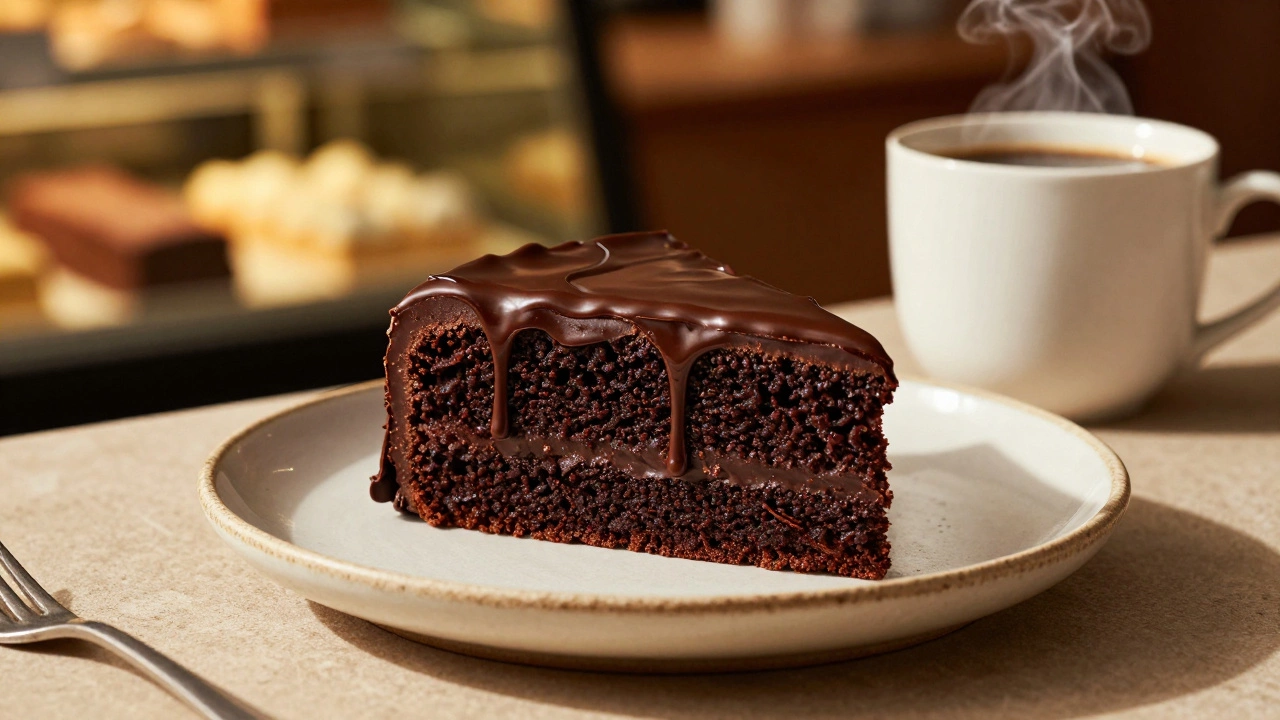
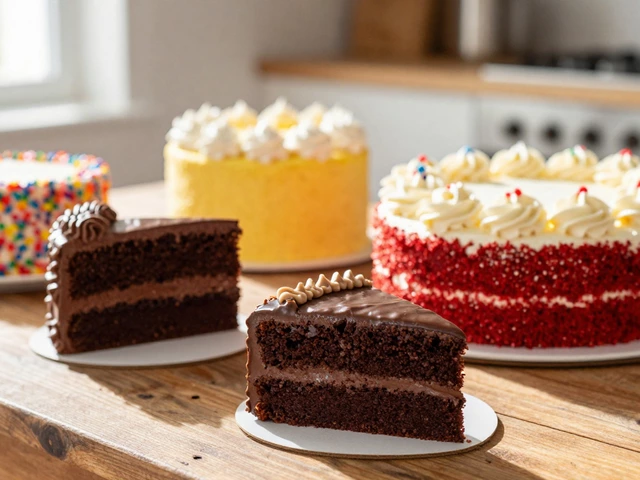
Chocolate Cake holds the crown for a reason. It taps into a primal desire for rich, dark flavors. Unlike simple cakes, this version relies heavily on high-quality cocoa powder or melted dark chocolate for its identity.
The texture matters immensely here. You want a crumb that is dense enough to hold moisture but light enough to melt in your mouth. In 2026, we are seeing a shift toward bean-to-bar cocoa sources, but the fundamental structure remains unchanged. Bakers love it because the base recipe is forgiving. Even if you forget the eggs or add too much milk, the chocolate flavor usually saves the day.
Why It Wins
Celebrations almost always feature this treat. It represents indulgence without needing complicated decoration. A simple ganache glaze makes it look professional instantly. In households across New Zealand, a homemade chocolate cake signals that something good is happening. It pairs well with tea, coffee, and even milk. Its ability to sit comfortably in both casual and formal settings gives it a massive advantage over single-serving options like cupcakes.
Variations play a role here too. You have flourless versions for gluten-free diets, red velvet for aesthetics, and salted caramel twists for added complexity. Yet, the core appeal remains the pure chocolate experience. Studies on food preference often cite the psychological comfort of chocolate combined with carbohydrates.
Number Two: New York Cheesecake
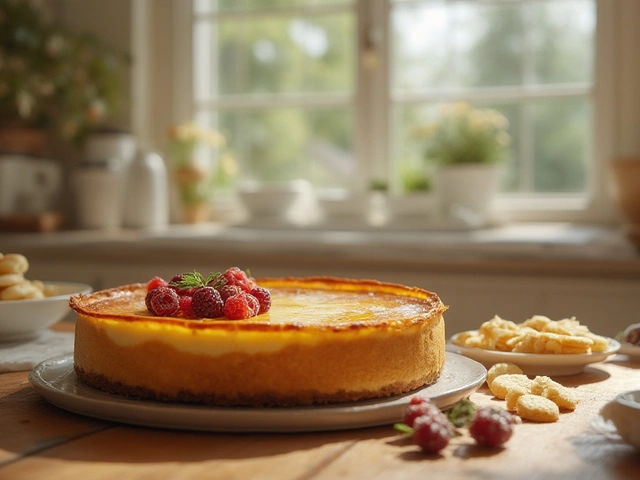
New York Cheesecake brings a different texture game to the table. While chocolate cake offers richness, this delivers density and tang.
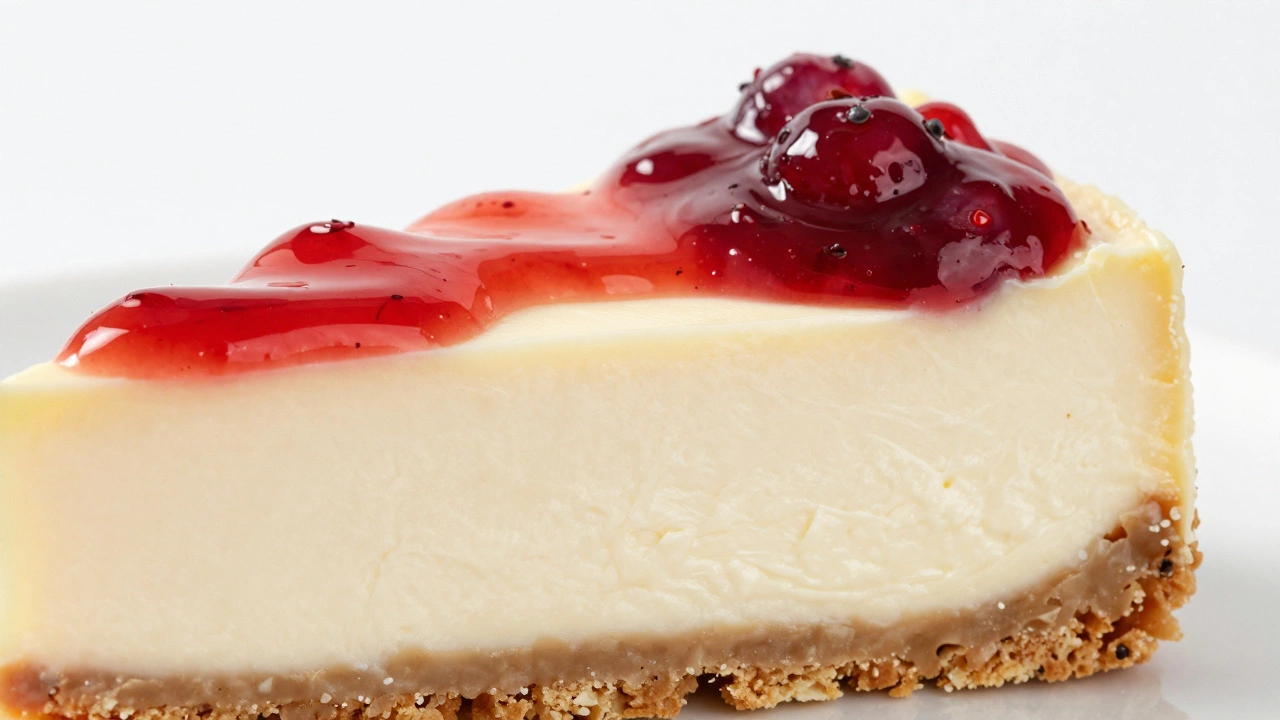
The secret lies in the cream cheese. Traditional recipes call for full-fat blocks rather than whipped spreads. This creates a sliceable, firm body that holds up to cutting. The graham cracker or biscuit base adds the necessary crunch. Without that base, the experience feels incomplete. In Auckland cafes, you often see this topped with berry sauces to cut through the sweetness, showing how adaptable it is.
The Texture Advantage
People crave this contrast between the creamy filling and the crisp bottom layer. It feels more substantial than a sponge cake. It sits heavier on the palate, which people associate with quality. The tanginess from the sour cream or yogurt used in the mixture prevents it from being overly sugary. This balance ensures you can eat more than one square before feeling overwhelmed.
It travels surprisingly well too. Unlike meringues that sweat or sponges that dry out, cheesecake lasts for days in the fridge. This longevity helps families plan ahead. You can make it on Sunday and serve it on Thursday. That convenience factor contributes massively to its enduring status as a household favorite.
Number Three: Tiramisu
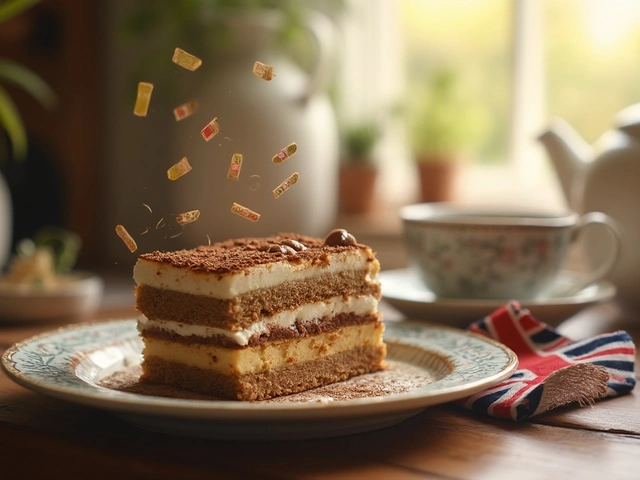
Tiramisu rounds out our top three list. Originating in Italy, this has conquered the world. It does not require baking in an oven, which sets it apart from the previous two.
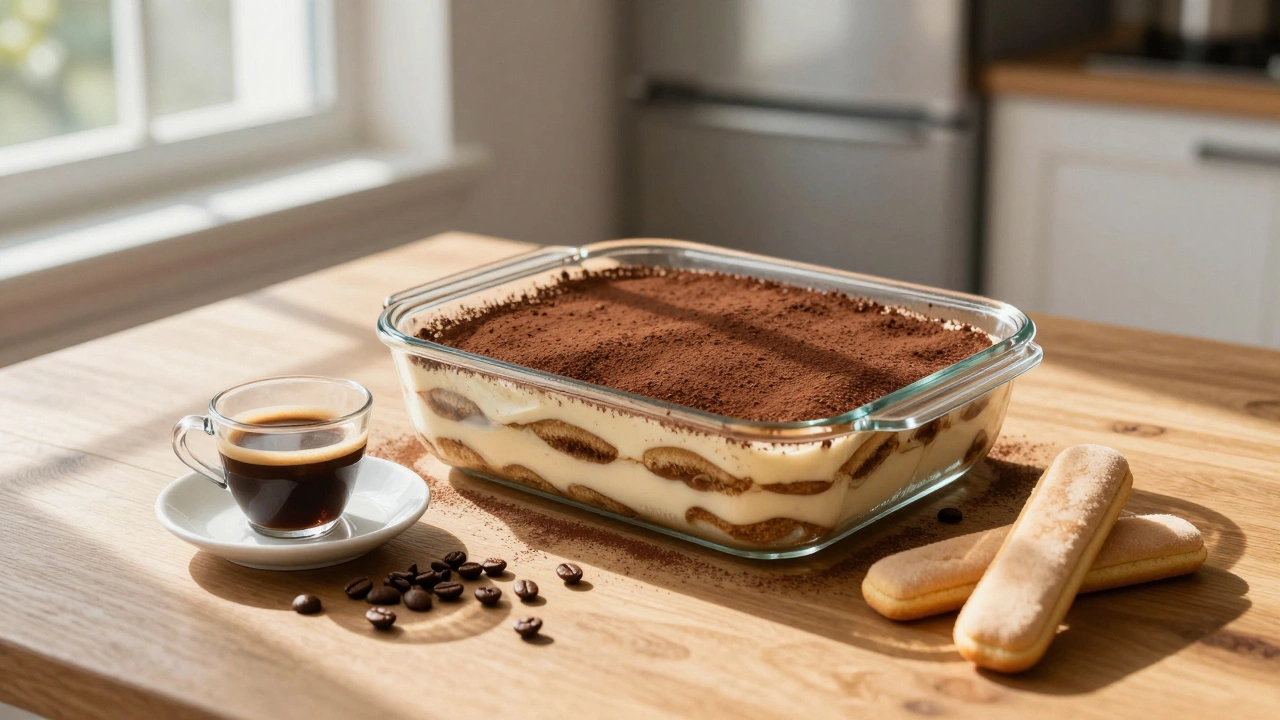
The construction relies on ladyfingers soaked in espresso. This introduces caffeine as a flavor profile, which adds an adult edge to the dessert. Layered with mascarpone cream and dusted with cocoa powder, it becomes a complex interplay of bitterness and sweetness. In 2026, we still see modern chefs trying to elevate this with alcohol infusions, but the classic version remains the king.
A No-Bake Classic
This is particularly valuable in hot months. Here in New Zealand, summer heat often turns off the oven. Knowing you can assemble a sophisticated dessert using cold ingredients is a huge plus. The layers set in the refrigerator, allowing flavors to meld overnight. This patience rewards the baker with a deeply integrated taste.
It also bridges cultures easily. Coffee drinkers anywhere understand the combination of coffee and dairy. Whether you visit Rome or visit Rotorua, the expectation for this dessert remains consistent. It feels luxurious yet accessible. Many home cooks view it as their gateway to Italian cooking techniques, learning how to handle delicate pastries and soft cheese structures.
Comparing the Top Three
| Dessert | Primary Flavor | Texture | Baking Required? | Best Served With |
|---|---|---|---|---|
| Chocolate Cake | Rich Cocoa | Moist Crumb | Yes | Coffee or Milk |
| New York Cheesecake | Tangy Cream | Dense Creamy | Yes | Fruit Sauce |
| Tiramisu | Coffee & Mascarpone | Light Layers | No | Espresso |
Looking at this breakdown, you can see why they cover all bases. If you want warmth and tradition, pick the cake. If you want creaminess and tang, grab the cheesecake. If you want a light, chilled treat, go for the tiramisu. There is rarely a situation where one of these would be the wrong choice.
Making Them Your Own
Knowing these three are popular doesn't mean you have to make them exactly the same way everyone else does. Customization is key to keeping them fresh. Adding a twist like passionfruit glaze on the cheesecake uses our local kiwifruit season effectively. Swapping cocoa powder for cacao nibs in the cake adds texture.
You should pay attention to ingredient quality. For instance, real vanilla extract changes the perception of a cake more than the price difference suggests. Fresh eggs provide better structure than older ones. When shopping for your pantry, look for brands that specify the origin of their dairy products. High-fat butter and cream are non-negotiable if you want those premium textures.
Seasonal Considerations
In the Southern Hemisphere, seasons flip what we crave. Winter evenings bring a stronger desire for the warm chocolate cake straight from the oven. Summer demands the chilled pull-apart nature of tiramisu. Being aware of these shifts helps you plan your baking schedule. Stocking up on mascarpone during colder months might mean wasting product if no one wants the heavy creaminess. Aligning your baking with the weather can improve enjoyment for your guests.
Common Mistakes to Avoid
Even with popular recipes, errors happen. Overmixing cake batter develops too much gluten, leading to a tough texture instead of a tender one. Baking cheesecake for too long causes cracks on the surface. These cracks ruin the presentation. Using room-temperature ingredients is crucial for the cream cheese to blend smoothly without lumps.
When dealing with Tiramisu, be careful with the soaking level. If you soak the ladyfingers too much, the dessert collapses into a mess. A quick dip is all it takes. Practice these small adjustments until they become instinctive habits. Once you master the basics, experimenting becomes much safer and more fun.
Future Trends
As we move further into 2026, health consciousness continues to influence how we bake. Sugar alternatives are improving. We see more requests for reduced-sugar versions of these three classics. The challenge remains maintaining texture while lowering sweetness. Artificial sweeteners often leave a metallic aftertaste. Natural options like monk fruit or stevia are gaining traction among serious bakers.
Despite these changes, the core identity of these desserts remains protected. People still expect chocolate to taste like chocolate. They expect cheesecake to be rich. Innovation happens at the edges, like the frosting or toppings, but the center of the pie stays reliable.
Frequently Asked Questions
Can I freeze these desserts?
Yes, all three handle freezing reasonably well. Wrap slices tightly in plastic wrap and place them in an airtight container. Freeze for up to three months. Thaw slowly in the refrigerator before serving to prevent condensation.
Which dessert is easiest for beginners?
Tiramisu is generally the easiest since it requires no baking skills. You just need to assemble layers. Chocolate cake is second due to its forgiving nature. Cheesecake requires precise temperature control to avoid cracking.
Do these desserts need dietary substitutions?
They can be adapted. Use almond flour instead of wheat flour for gluten-free versions. Substitute coconut cream for dairy in vegan versions. Be aware that texture may change slightly, but the core flavors remain intact.
How long does Tiramisu last in the fridge?
It lasts about three to four days when stored in a covered dish. The flavors often improve after sitting overnight as the coffee fully absorbs into the biscuits. Do not keep it longer than five days for safety reasons.
What brand of cream cheese is best?
Full-fat brick style cream cheese works best. Brands like Philadelphia are standard. Avoid tubs labeled as 'spread' or 'reduced fat' as they contain stabilizers that affect the setting of the cheesecake.


Write a comment