

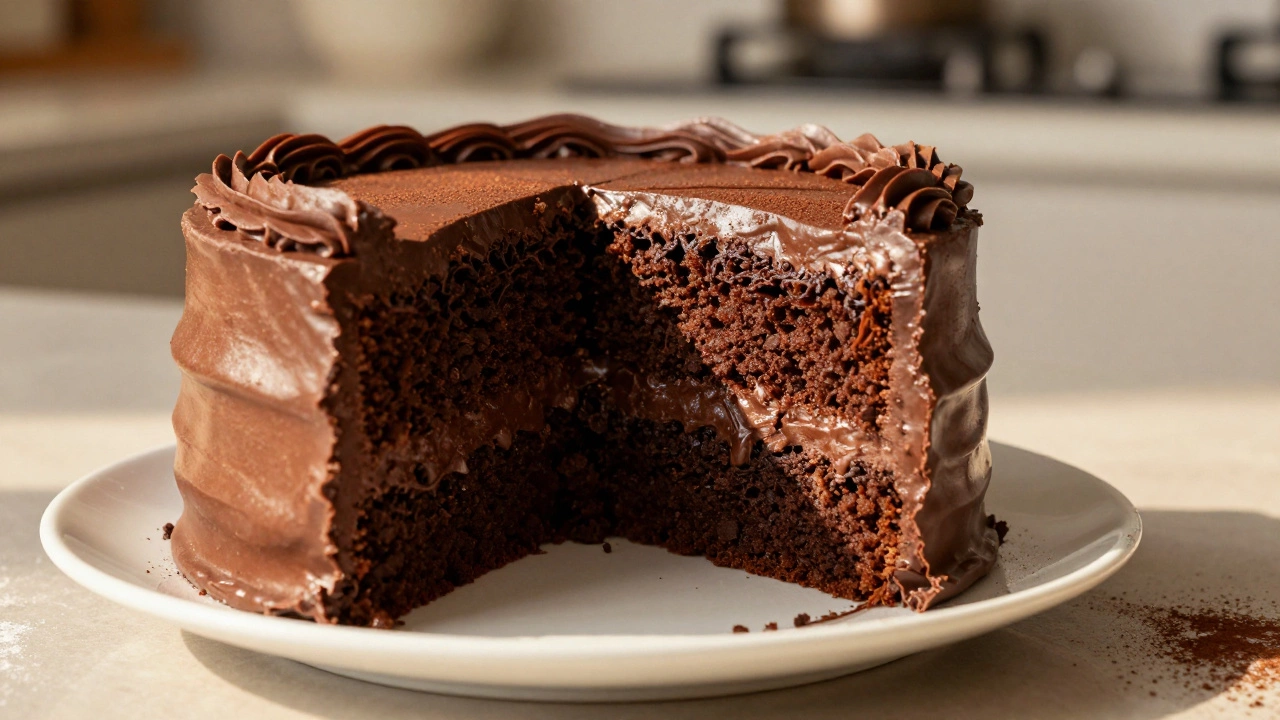
There is no official government record listing the number of slices consumed annually by every human being. You won't find a statue honoring the global champion of baked goods. Despite this, industry analysts and food historians have strong candidates for the title. When people ask about the most eaten cake, the answer usually points toward chocolate-based varieties. Chocolate cake dominates consumption charts in North America and significant portions of Europe. But the definition of "cake" changes depending on where you live.
In some cultures, a dense fruit loaf counts as the standard, while elsewhere, a light sponge with jam fills the void. Understanding which cake reigns supreme requires looking beyond simple sales figures. We need to examine flavor preferences, regional traditions, and accessibility. This exploration breaks down the contenders and explains why specific recipes hold power across borders.
The Case for Chocolate Cake
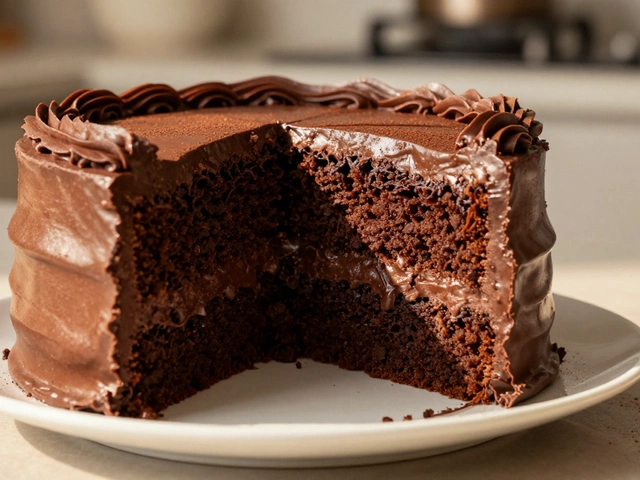
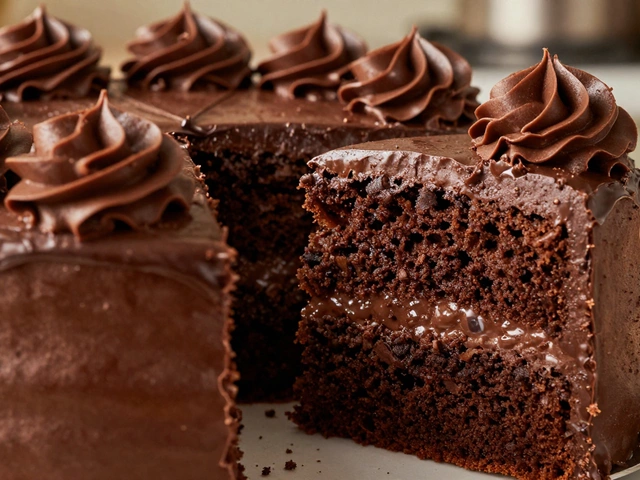
Chocolate Cake is a layered dessert made with cocoa powder or melted chocolate, butter, sugar, flour, eggs, and leavening agents. Also known as Devil's Food Cake, it remains the heavyweight champion in terms of global recognition and frequent purchase. Surveys consistently show that chocolate ranks higher than vanilla among adults and children alike. Market reports from major food retailers indicate that chocolate-flavored boxed mixes and bakery items outsell other flavors year-round.
Why does chocolate win? The answer lies in both psychology and chemistry. People associate the rich taste of cocoa with comfort. When life feels chaotic, sweet treats offer a sensory reset. Furthermore, the versatility of chocolate allows for endless variation. You can pair it with ganache, mousse, buttercream, or whipped cream. This adaptability keeps it fresh in the minds of consumers who get bored easily.
Consider the economic factor too. Cacao farming provides a steady supply chain, making cocoa products widely available even in developing markets. Unlike exotic fruits that might be seasonal, dry cocoa powder stores well and ships globally. Supply stability drives consumption frequency. If you can buy it anywhere, you eat it more often.
Variations Across Borders
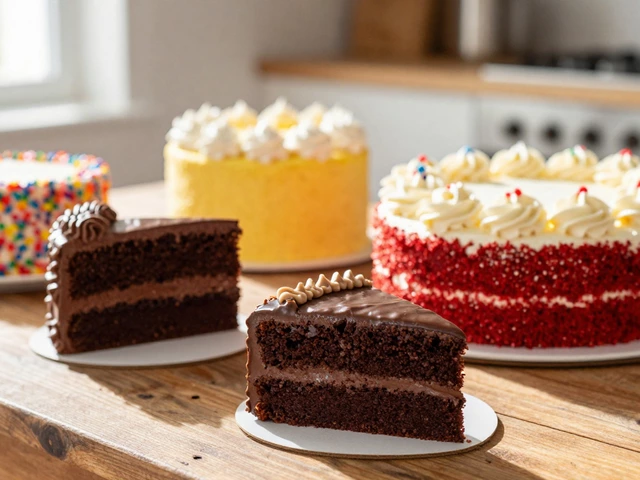
While chocolate takes the crown overall, local heroes fight for the top spot in specific regions. These regional favorites often define what locals mean when they simply say "cake" at a grocery store.
- United States: Red Velvet and Yellow Vanilla remain staples for birthdays. Red Velvet gained fame through its distinct red dye and cream cheese frosting profile. Surveys suggest nearly half of American households prefer vanilla for celebrations, despite chocolate's lead in casual snacking.
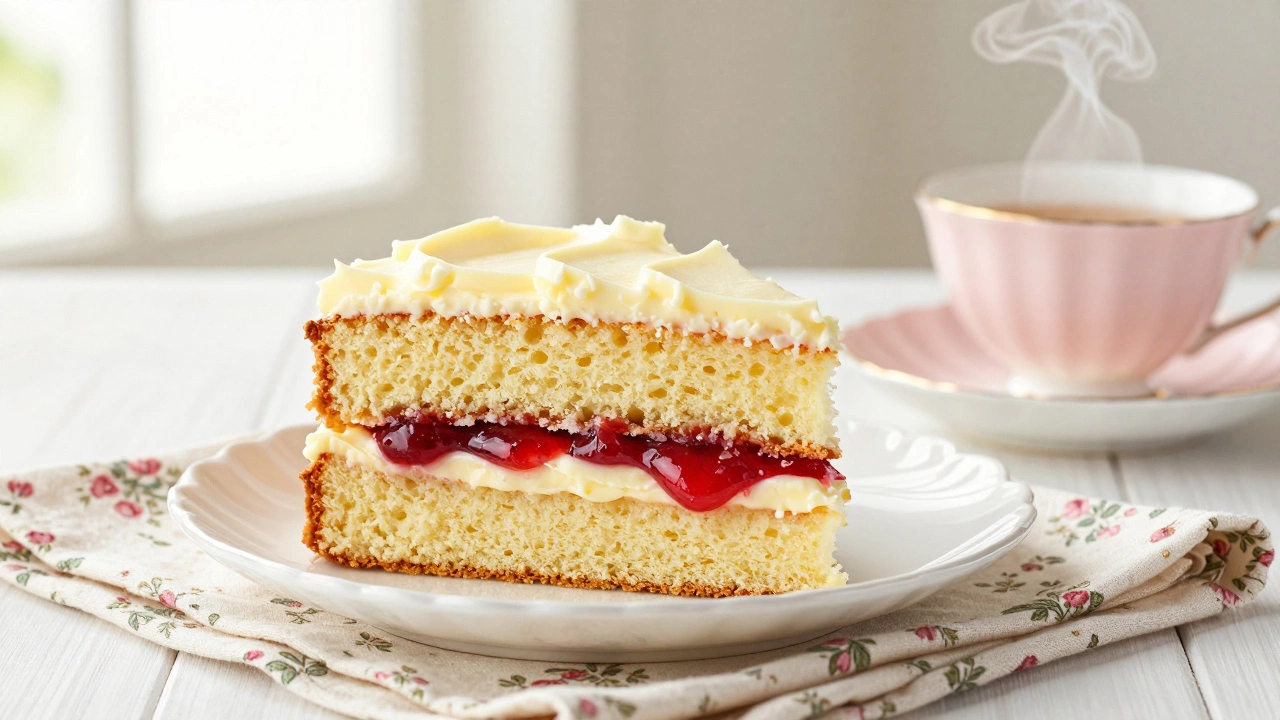
- United Kingdom: The Victoria Sponge holds historic significance here. Sandwiched with strawberry jam and buttercream, this sponge is lightweight compared to denser German options. Tea time culture dictates a lighter crumb texture to match hot beverages.
- Germany: Black Forest Gateau defines luxury baking. Layers of cherry and kirsch-soaked chocolate sponge create a heavy, indulgent experience. Local bakeries report high demand for traditional Schwarzwälder Kirschtorte during weekends.
- Middle East: Semolina cakes like Basbousa dominate festive tables. Drenched in syrup, these semolina-based sweets function similarly to cake but rely on different grain structures.
These differences matter because "most eaten" depends heavily on your location. A survey conducted solely in London would skew results toward sponge cakes. A poll in Brazil might highlight Chocotorta or similar dairy-heavy options. Aggregating these numbers creates a messy dataset, but the trend lines favor chocolate and vanilla as the universal baseline.
Ingredients That Drive Popularity
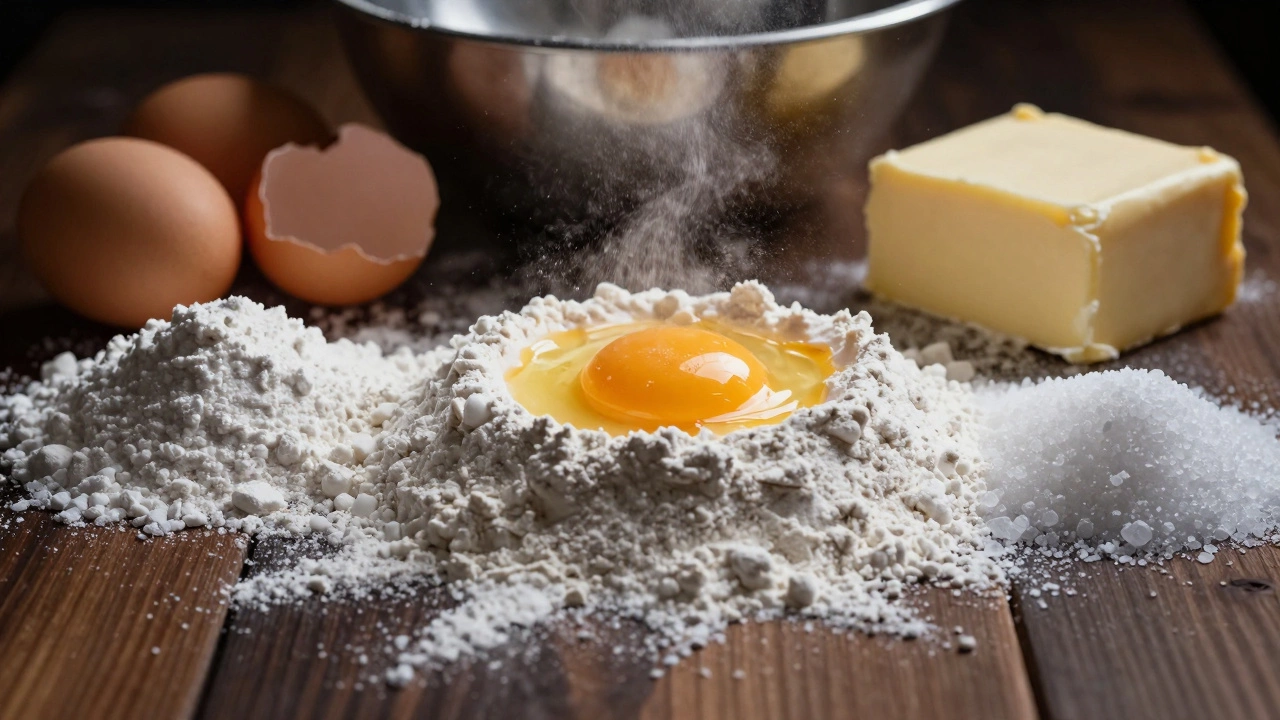
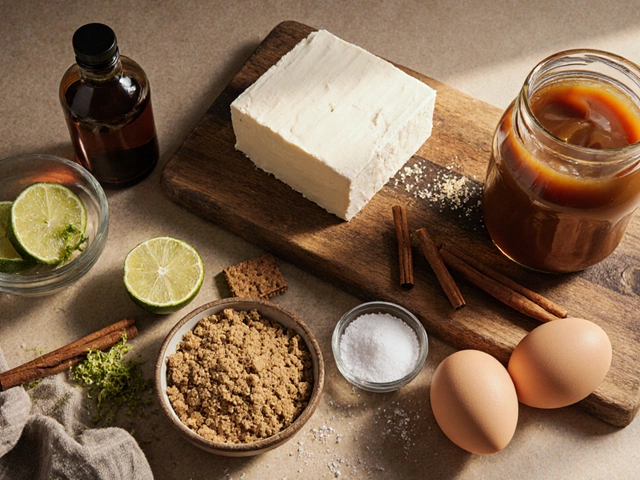
Baking Ingredients are the fundamental components required to construct baked goods including flour, fat, sweeteners, and flavorings. The cost and availability of these inputs influence consumption patterns significantly. Fluctuations in global wheat prices can make sponge cakes less viable for home bakers. Conversely, stable prices for refined sugar keep production costs low for commercial bakeries.
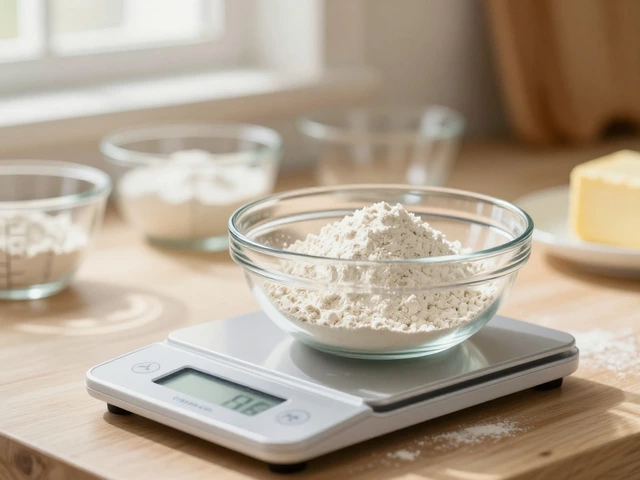
Flour acts as the structural backbone. Most standard cakes rely on all-purpose wheat flour for gluten development. This network traps air, creating the spongy texture people expect. Without sufficient protein in the flour, the result becomes crumbly rather than fluffy. High-gluten breads are too tough, so the middle ground of cake flour or all-purpose becomes essential.
Fat sources vary between butter, oil, and shortening. Butter adds flavor richness, which explains why premium brands sell at higher price points. Margarine offers a cheaper alternative but lacks the creamy mouthfeel. Modern diets often seek reduced fat options, leading to oil-based formulations that maintain moisture without heavy dairy solids.
Sugar serves dual purposes as a sweetener and humectant. It retains moisture, keeping the cake soft after refrigeration. Too little sugar results in dryness. Too much sugar overwhelms other flavors. Balance is key. Most mass-produced cakes target a sweetness level that appeals to broad demographics, avoiding bitter notes found in adult-specific gourmet chocolates.
The Birthday Factor
Cake consumption spikes around personal milestones. Birthday traditions cement certain styles into cultural memory. In many Western nations, the candle-lit moment centers around a specific tiered confection. Even if you prefer cookies daily, the birthday ritual demands cake.
This social pressure creates predictable revenue streams for bakeries. Chains order large volumes of premade layers weeks in advance. They anticipate demand based on population data and calendar events. While chocolate remains king, white or yellow cakes provide a neutral canvas for colored icing and decorative designs. Parents prioritize aesthetics during parties. Children care about frosting thickness.
Digital media amplifies this effect further. Social platforms showcase towering cakes and intricate piping techniques. Visual appeal drives purchasing decisions. A visually stunning vanilla bean cake often garners more attention online than a plain dark chocolate layer. This exposure normalizes complex designs, pushing home bakers to attempt advanced skills they otherwise wouldn't try.
Market Trends and Health Shifts
Consumer Behavior refers to the actions and decision-making processes involved when individuals purchase products or services. Recent years show a shift toward health-conscious alternatives. Consumers scrutinize labels for trans fats, excessive calories, and artificial colors. Demand for vegan options grows steadily as plant-based milks replace dairy in batter formulations.
Gluten-free flour blends enter the marketplace to accommodate celiac disease patients. Rice flour and almond flour allow texture replication without gluten proteins. These specialized cakes command higher price tags due to ingredient costs. Despite the premium, sales volume increases rapidly in urban centers where health awareness peaks.
Desserts evolve alongside dietary restrictions. Companies reformulate classics to include lower glycemic index sugars. Monk fruit and stevia substitutes appear in "keto-friendly" versions of traditional sweets. While these versions serve niche markets, they represent a growing slice of total pie sales.
However, pure indulgence remains dominant. Most consumers treat cake as an occasional luxury rather than a daily staple. This behavior protects traditional recipes from disappearing entirely. People want the unhealthy version once in a while. That craving ensures classic recipes persist alongside healthier iterations.
How to Choose Your Favorite
Selecting the best cake involves understanding personal taste versus crowd pleasers. If hosting a large gathering, safety suggests sticking to proven favorites. Ask yourself what brings the most joy to your guests.
- Test Texture Preferences: Do you enjoy moist crumbs or airy sponges? Moist cakes retain more liquid, feeling heavier. Airy cakes feel light but require immediate eating before staling.
- Consider Frosting Weight: Heavy buttercreams overpower delicate sponges. Light whipped creams complement richer flavors like dark chocolate.
- Evaluate Storage Needs: Some cakes spoil quickly without refrigeration. Custard-filled layers require cold storage. Fruit-heavy fillings ferment faster than stable chocolate mousses.
- Check Allergen Lists: Nuts, dairy, and eggs affect safety. Always verify ingredients if sharing with diverse groups.
Ultimately, the "best" cake is subjective. One person's dream dessert is another's overly sweet nightmare. Cultural background influences palate development early in life. Foods served frequently in childhood become comfort foods in adulthood. Breaking those cycles requires experimentation with new flavor profiles.
Is Red Velvet actually red or pink?
Historically, Red Velvet used natural reactions between acidic vinegar and cocoa powder to produce a reddish hue. Modern versions typically rely on red food coloring to achieve a brighter, consistent crimson shade that stands out vividly.
Which country eats the most cake per capita?
Data suggests Austria and Germany rank high for per-capita pastry consumption, driven by strong café cultures. Americans consume vast quantities overall due to larger portion sizes, particularly during holidays.
Can I freeze cake batter before baking?
Yes, unbaked cake batter freezes effectively in muffin tins or containers. Thaw overnight in the fridge before cooking. This method helps prep-ahead for busy mornings or unexpected guests.
Why do cakes collapse in the middle?
Collapse usually happens due to opening the oven door too early, insufficient baking time, or expired leavening agents. Proper testing with a toothpick inserted in the center confirms doneness before removing heat.
Is sheet cake better than round cake?
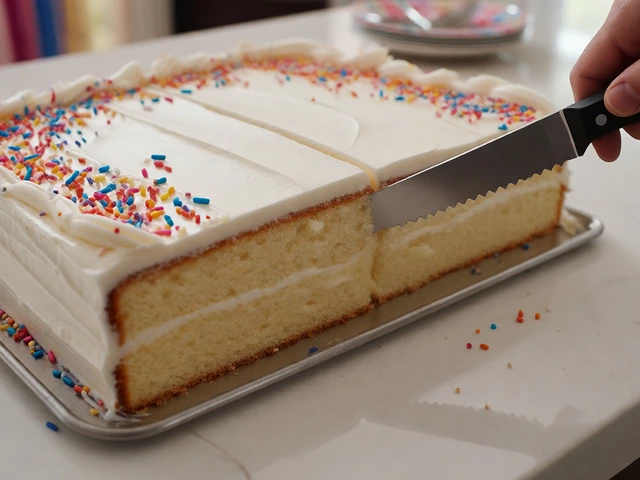
Sheet cakes maximize surface area for toppings and serve larger crowds efficiently. Round cakes offer traditional stacking options for weddings. The choice depends purely on event logistics and guest count.
Write a comment