

Fudge Temperature & Texture Calculator
Enter your details and click Analyze to see results.
You’ve spent hours stirring a pot of sugar and butter. You pour the mixture into a pan, let it cool, and cut it. But when you pick up a piece, it shatters like glass. Or worse, it sticks to your teeth like warm taffy. This is the eternal dilemma for home bakers: should fudge be soft or hard?
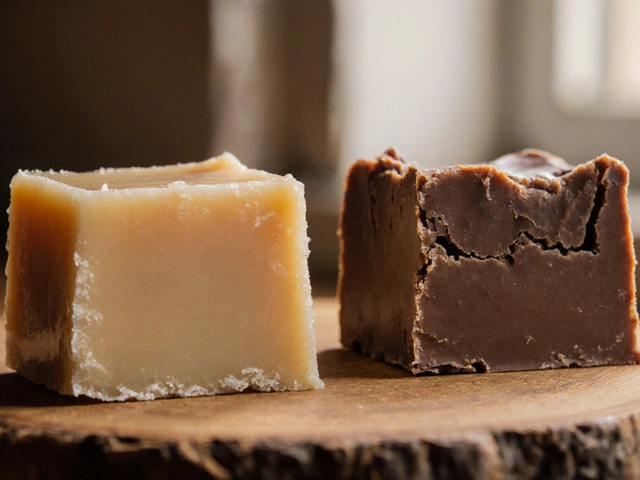
The short answer is that traditional fudge should be soft, creamy, and melt-in-your-mouth tender. It should yield slightly under pressure, not snap in half. However, there is a world of nuance here. If you are aiming for that classic, velvety texture found in high-end confectionery shops, you are chasing a specific chemical reaction involving sugar crystallization. If your fudge is hard, you likely overshot the temperature. If it’s too soft, you undershot it.
The Science Behind the Softness
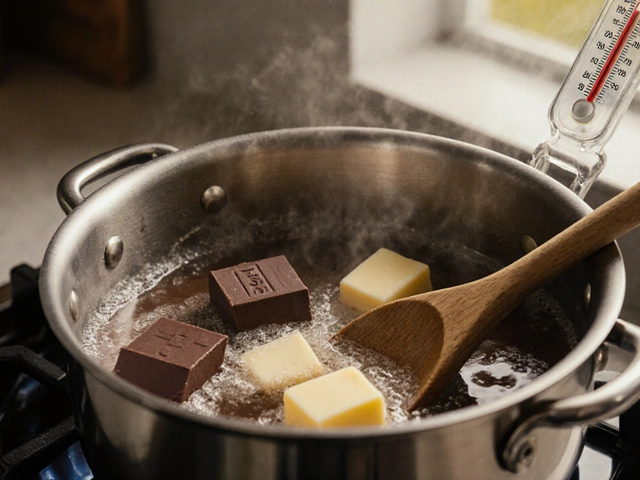
To understand why fudge texture varies, we have to look at what actually happens in that saucepan. Fudge is essentially a supersaturated sugar solution. When you heat sugar, water, and dairy together, you are driving off the water content. The remaining sugar molecules want to clump together as they cool.
If those crystals form large chunks, your fudge becomes grainy and hard. If they stay microscopic, the result is smooth and creamy. This process is called controlled crystallization. The goal isn't to stop crystal formation entirely-that would give you caramel-but to encourage millions of tiny crystals to form simultaneously. This creates that signature dense yet soft structure.
Think of it like snowflakes. Large ice crystals feel gritty; fine, powdery snow feels soft. Your job as the cook is to manipulate the environment so the sugar acts like fine powder, not ice cubes. This is why agitation (stirring) at the right moment is critical. Without it, the sugar settles and forms large, hard structures.
Temperature Is Everything
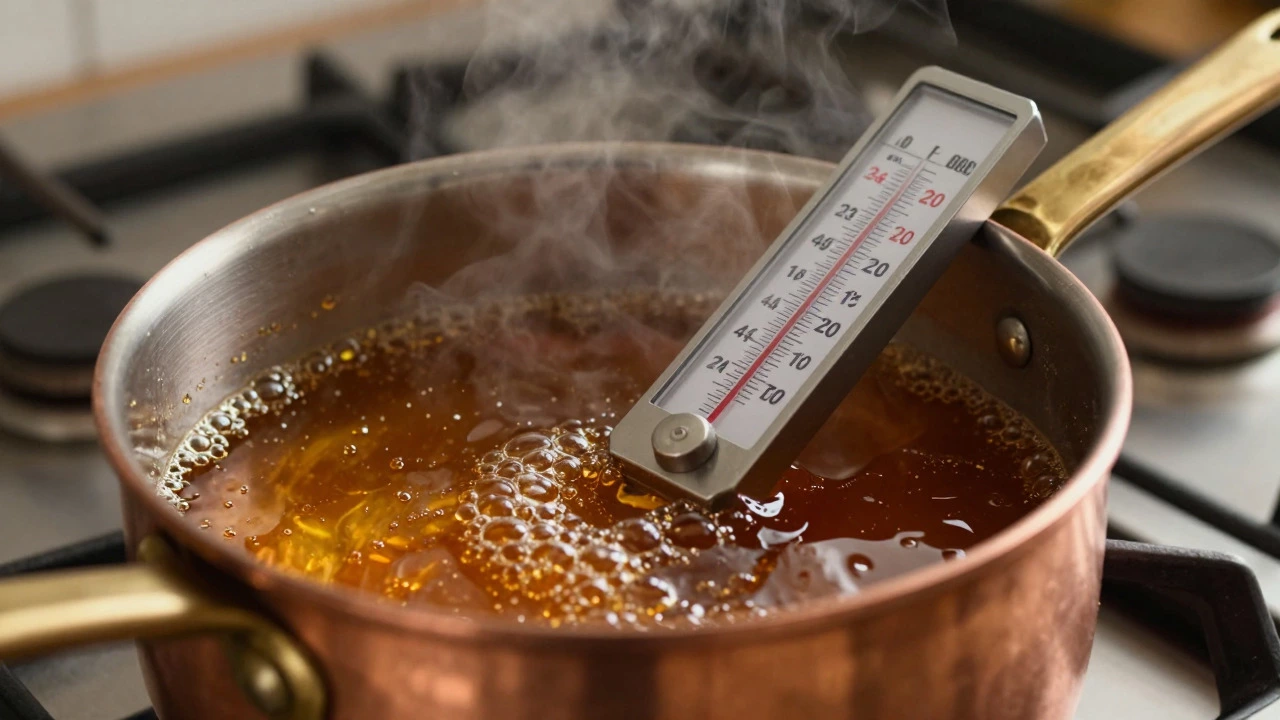
The single most important factor determining whether your fudge is soft or hard is the final cooking temperature. Sugar behaves differently at different heat levels. In candy making, these stages have specific names.
| Sugar Stage | Temperature (°F) | Temperature (°C) | Resulting Texture |
|---|---|---|---|
| Soft Ball | 235°F - 240°F | 113°C - 116°C | Too soft; sticky, won't set properly |
| Firm Ball (Ideal for Fudge) | 234°F - 240°F | 112°C - 116°C | Soft, creamy, cuts cleanly |
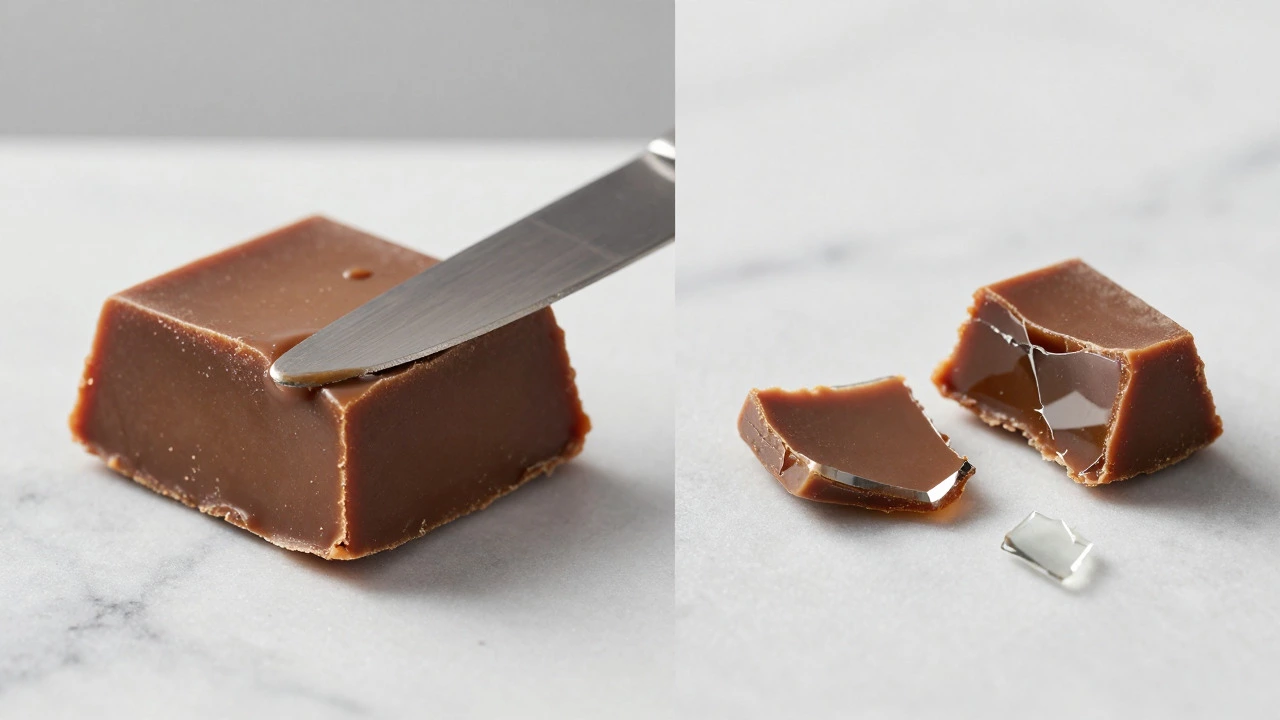
| Hard Crack | 300°F - 310°F | 149°C - 154°C | Brittle, glass-like, snaps easily |
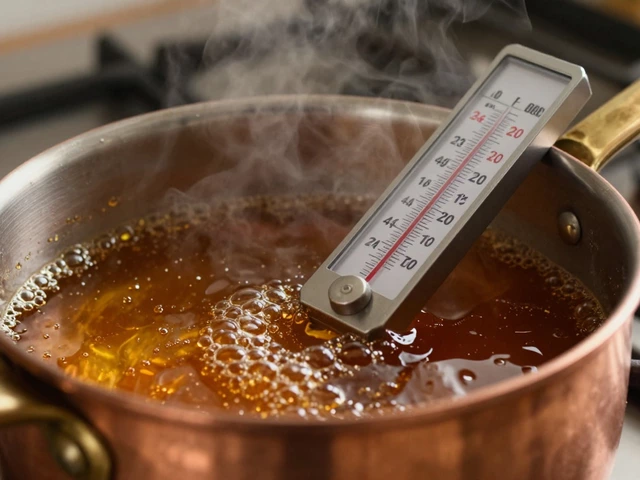
For classic fudge, you want to hit the "firm ball" stage. Specifically, aim for 234°F to 240°F (112°C to 116°C). At this temperature, enough water has evaporated to allow the sugar to solidify, but not so much that it becomes brittle. If you push past 240°F, you start moving toward brittleness. By the time you reach 300°F, you’re making candy melts, not fudge.
Why does altitude matter? Water boils at lower temperatures at higher elevations. If you live in Denver (5,280 feet), water boils at around 202°F instead of 212°F. This means your fudge will set softer if you follow sea-level instructions. For every 500 feet above sea level, subtract 1°F from your target temperature. Conversely, if you are in a deep valley below sea level, add 1°F per 500 feet. Ignoring this adjustment is a common reason why fudge fails in high-altitude regions.
Ingredients That Influence Texture
While temperature sets the baseline, your ingredient choices can shift the texture spectrum. Not all sugars and fats behave the same way.
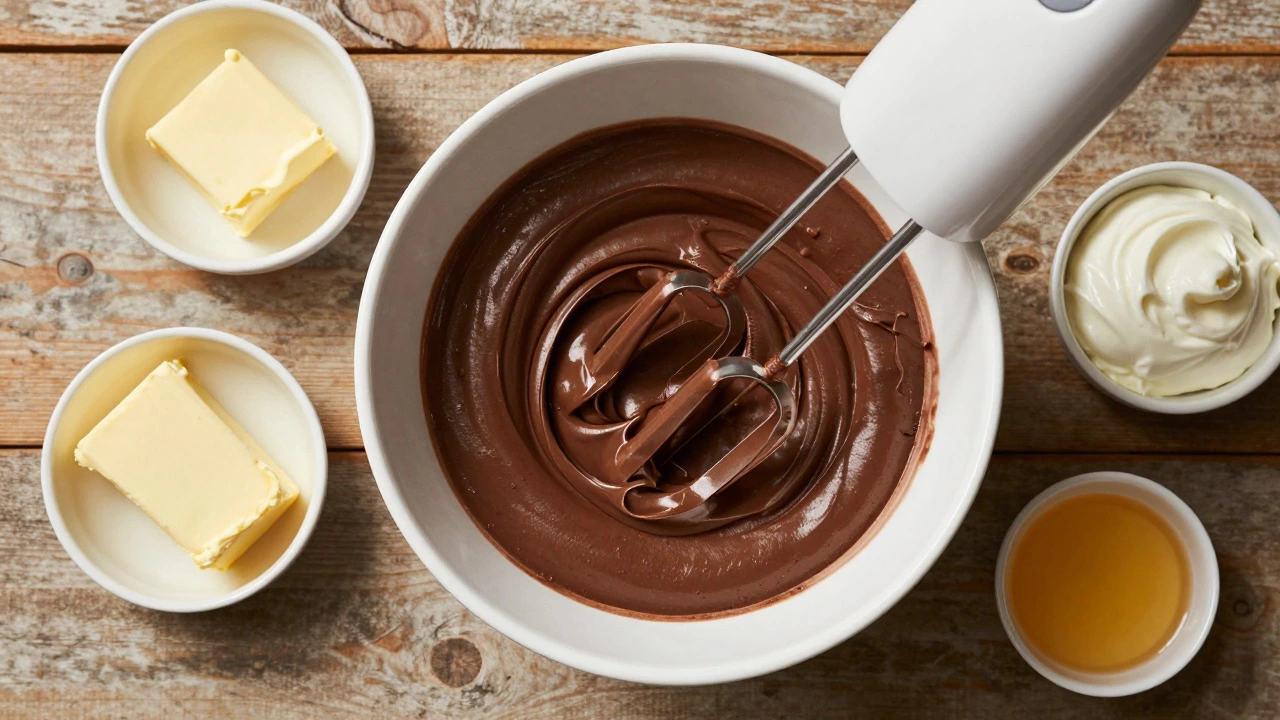
Butter is a key fat source that coats sugar crystals, preventing them from growing too large. Using high-quality unsalted butter ensures you control the salt content and get consistent fat solids. Low-fat substitutes often contain more water, which can throw off your temperature readings and result in a gummy texture.
Milk versus cream is another variable. Heavy cream has less water and more fat than whole milk. A recipe using heavy cream will generally produce a richer, slightly softer fudge because the fat interferes with crystal growth. Milk-based fudge tends to be firmer. If you prefer a denser, chewier bite, use milk. For a luxurious, melting mouthfeel, opt for cream.
Corn syrup or honey plays a crucial role as an "interferent." These ingredients contain glucose and fructose, which don’t crystallize like sucrose (table sugar). They get in the way of the sugar molecules trying to link up, keeping the crystals small. Skipping corn syrup can lead to a grainy, harder fudge. If you omit it, you must be very precise with your cooling and beating times.
Technique: The Beat Matters
You can hit the perfect temperature, but if you don’t beat the fudge correctly, it will still fail. The beating phase is where the magic of crystallization happens.
Once you remove the hot mixture from the heat, let it cool undisturbed until it reaches body temperature (around 110°F or 43°C). This usually takes 15-20 minutes. Do not stir it during this cooling period. Stirring now encourages large crystals to form prematurely.
When the mixture thickens slightly and loses its glossy shine, it’s time to beat it. Use an electric mixer on medium-high speed. You are looking for a change in color and consistency. The fudge will turn from translucent and shiny to opaque and matte. This whitening effect indicates that millions of tiny sugar crystals have formed.
Beat for about 5-10 minutes, or until the fudge begins to pull away from the sides of the bowl. If you under-beat, the fudge will remain soft and sticky. If you over-beat, you incorporate too much air and can make the texture dry and crumbly. Pour it immediately into a prepared pan after it reaches the matte stage. Delaying this step allows the fudge to continue setting in the bowl, making it difficult to spread and potentially leading to uneven hardness.
Troubleshooting Common Texture Issues
Even experienced cooks run into issues. Here is how to diagnose and fix common fudge problems.
- Grainy Texture: This happens when large sugar crystals form. It’s often caused by splashing water onto the sides of the pan during cooking, which dissolves into sugar syrup and then recrystallizes into large grains. To prevent this, wipe the sides of the pan with a wet pastry brush during cooking. If your fudge is already grainy, you can try re-melting it gently and adding a tablespoon of vinegar or lemon juice to break down the crystals, then re-cooking to temperature.
- Too Hard/Brittle: You cooked it too long or at too high a temperature. Check your candy thermometer for accuracy. Boil water and ensure it reads 212°F (100°C) at sea level. If your thermometer reads higher, it’s faulty. Next time, pull the pot off the heat earlier. Unfortunately, hard fudge is hard to fix, but you can crush it and use it as a topping for ice cream or mix it into cookie dough.
- Too Soft/Sticky: You didn’t cook it long enough, or humidity played a role. Sugar is hygroscopic, meaning it attracts moisture from the air. If you made fudge on a humid day, it may never set firmly. Store it in an airtight container with a packet of silica gel (food-safe) to absorb excess moisture. If it’s just undercooked, you can return it to low heat, dissolve it again, and cook it to the correct temperature.
- Crumbly/Dry: You over-beat it or used too little fat. Over-beating incorporates too much air, breaking the structure. Ensure you stop beating as soon as the mixture turns matte. Adding a bit more butter or cream next time can help retain moisture.
Storage and Shelf Life
Proper storage maintains the delicate balance of moisture and fat that keeps fudge soft. Wrap individual pieces in wax paper or parchment paper. Place them in an airtight container. Layer sheets of parchment between layers of fudge to prevent sticking.
Store at room temperature for up to two weeks. Avoid the refrigerator unless your kitchen is extremely hot and humid. Cold temperatures can cause the fats to harden, making the fudge feel harder than intended, and can also promote condensation when you take it out, leading to stickiness. If you must refrigerate, let the fudge come to room temperature before unwrapping to avoid condensation issues.
For longer storage, freeze fudge. Wrap tightly in plastic wrap, then foil. It will keep for up to three months. Thaw slowly in the refrigerator, then bring to room temperature before serving. This preserves the texture better than leaving it out to thaw, which can cause sweating and sogginess.
Flavor Variations and Texture Adjustments
Different flavors require slight adjustments to maintain the ideal soft texture. Chocolate fudge, for example, contains cocoa powder, which absorbs liquid. You may need to increase the liquid content slightly or cook to the higher end of the temperature range (240°F) to compensate. Peanut butter fudge adds extra fat and protein, which can interfere with setting. Cook peanut butter fudge to the firm ball stage precisely, and consider adding a teaspoon of acid (like lemon juice) to help stabilize the emulsion.
Nuts add crunch but can also introduce oils that go rancid over time. Toast nuts before adding them to enhance flavor and reduce moisture. Add nuts after beating, folding them in gently to preserve their texture without deflating the fudge.
Can I fix fudge that is too hard?
If your fudge is merely firm but not brittle, letting it sit at room temperature for a few days may soften it slightly as it absorbs ambient moisture. If it is rock-hard, it is difficult to rescue as fudge. Your best option is to crush it and use it as a garnish for desserts, mix it into batter for cookies, or melt it down to drizzle over ice cream. To prevent this in the future, double-check your candy thermometer’s accuracy by boiling water.
Why is my fudge grainy instead of smooth?
Graininess occurs when large sugar crystals form. This is often due to splashing syrup onto the cooler sides of the pan, which then recrystallizes. Wipe the sides of the pan with a wet pastry brush during cooking to dissolve any sugar deposits. Also, ensure you do not stir the mixture while it is cooling before the beating stage. Stirring during cooling encourages large crystal formation.
Do I need a candy thermometer to make fudge?
While not strictly mandatory, a candy thermometer is highly recommended for consistent results. You can use the "cold water test" as an alternative: drop a small amount of syrup into ice water. If it forms a soft ball that flattens when pressed, it’s ready. However, this method is less precise and prone to human error. For beginners, investing in a reliable digital or analog candy thermometer is worth it to avoid batch failures.
How does altitude affect fudge making?
Water boils at lower temperatures at higher altitudes. For every 500 feet above sea level, subtract 1°F from your target cooking temperature. For example, if you live at 5,000 feet, aim for 230°F instead of 235°F. Failure to adjust will result in fudge that is too soft and sticky because insufficient water has evaporated.
Can I make fudge without corn syrup?
Yes, but it requires more precision. Corn syrup prevents large crystal formation. Without it, you must ensure thorough mixing and possibly add an acid like lemon juice or cream of tartar to break down sucrose into glucose and fructose. Be vigilant about wiping the pan sides and avoiding premature stirring. The risk of graininess increases significantly without an interferent like corn syrup or honey.




Write a comment