

Fudge Method Selector: Which Path Should You Take?
Not sure which method to use for your next batch? Select your priorities below to see which process fits your needs.
Condensed Milk Method
Focuses on speed and simplicity. No special tools required.
Traditional Method
Focuses on texture and flavor depth. Requires precision.
Click one of the method cards above to see the detailed comparison and verdict.
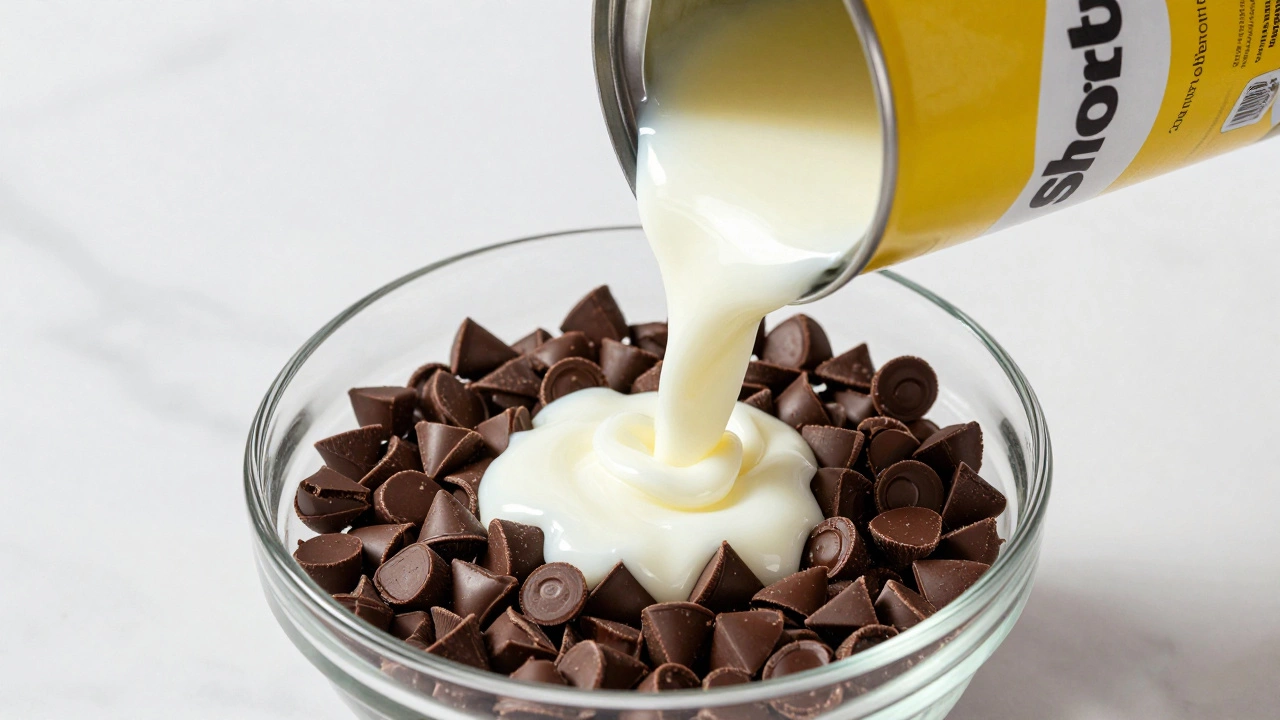
You've probably seen a dozen "quick and easy" fudge recipes that tell you to just stir together a can of sweetened condensed milk and some chocolate chips. It sounds like a dream-no thermometer, no stressing over temperatures, and zero chance of burning a pot of sugar. But if you're looking for that melt-in-your-mouth, creamy, professional-grade fudge, these shortcuts often lead to a disappointing result. The real problem isn't that condensed milk is "bad," but that it fundamentally changes what fudge actually is.
Key Takeaways for Better Fudge
- Condensed milk creates a chewy, taffy-like consistency rather than a creamy snap.
- Traditional methods allow for better control over sugar crystallization.
- High sugar content in shortcuts can lead to an overly sweet, one-dimensional flavor.
- Real fudge relies on the controlled formation of micro-crystals for its signature texture.
The Texture Trap: Creamy vs. Chewy
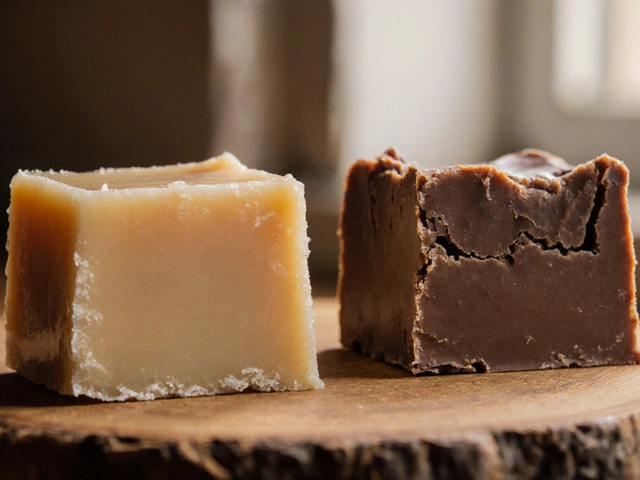
When we talk about fudge is a type of confectionery made by mixing sugar, butter, and milk or cream, we are talking about a very specific physical state. Real fudge is a "crystalline" candy. This means it has tiny, tiny sugar crystals that are so small your tongue can't even feel them, which is why it feels smooth and creamy.
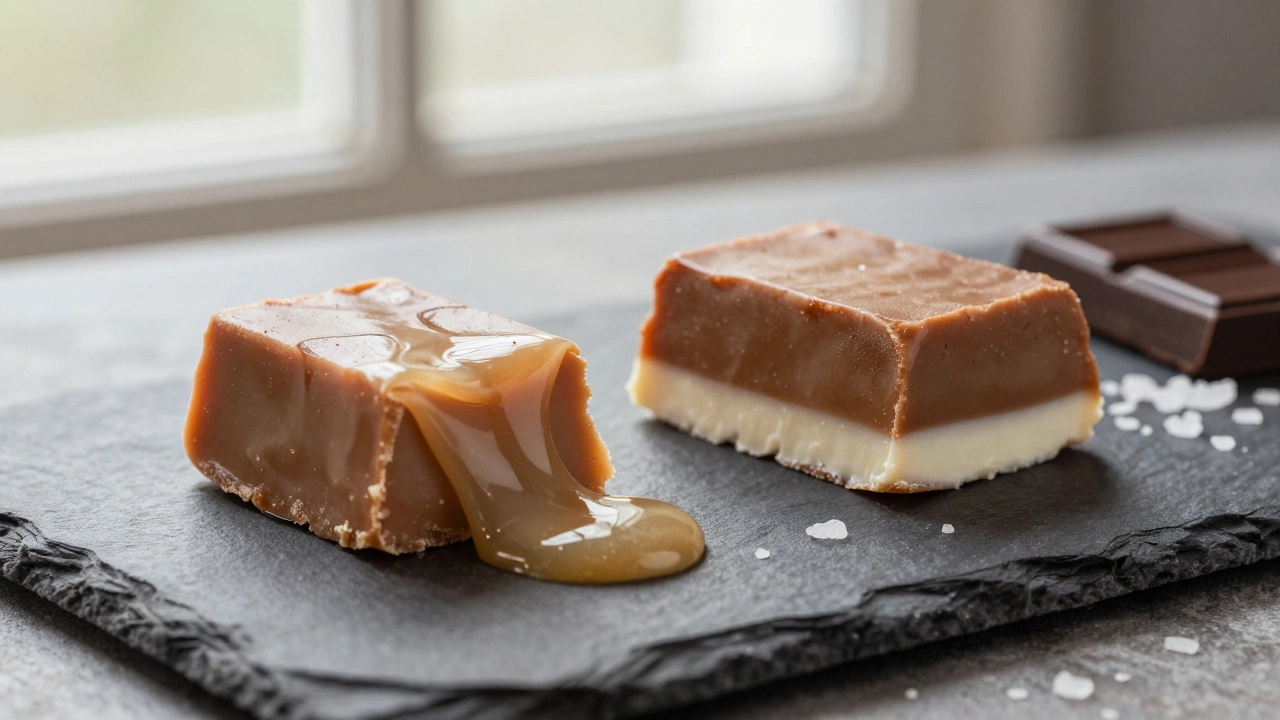
Now, look at Sweetened Condensed Milk. This is a milk product made by removing about 60% of the water from evaporated milk and adding a massive amount of sucrose. Because it's already so thick and syrupy, it prevents those tiny crystals from forming correctly. Instead of a creamy snap, you get something that behaves more like a thick caramel or a soft taffy. If you've ever bitten into a piece of "easy fudge" and felt it stick to your teeth or stretch slightly, that's the condensed milk working against you.
The Battle of the Sugars
In a traditional recipe, you control the Sucrose. You heat it with butter and milk to a specific temperature-usually around 235°F to 240°F (the "soft ball" stage)-and then you cool it and beat it. This process, known as agitation, is what creates the smooth texture.
With condensed milk, the sugar is already dissolved and stabilized. You aren't managing the crystal growth; you're just melting ingredients together. The result is often an overwhelming sweetness that masks the flavor of your high-quality chocolate or vanilla. Because the sugar-to-fat ratio is skewed, the flavor profile stays flat. You lose the complex, toasted notes that come from heating sugar and butter together in a pan.
Comparing Traditional and Condensed Milk Methods
| Feature | Condensed Milk Method | Traditional Butter/Cream Method |
|---|---|---|
| Texture | Chewy, fudge-like taffy | Creamy, smooth, and melt-in-mouth |
| Effort | Low (No thermometer needed) | High (Requires precise temp control) |
| Flavor Depth | Very sweet, one-dimensional | Rich, buttery, and complex |
| Stability | Can become gooey in warm weather | Holds shape better at room temp |
| Control | Fixed by the can's ingredients | Fully adjustable sweetness and richness |
Why the "Easy Way" Fails the Taste Test
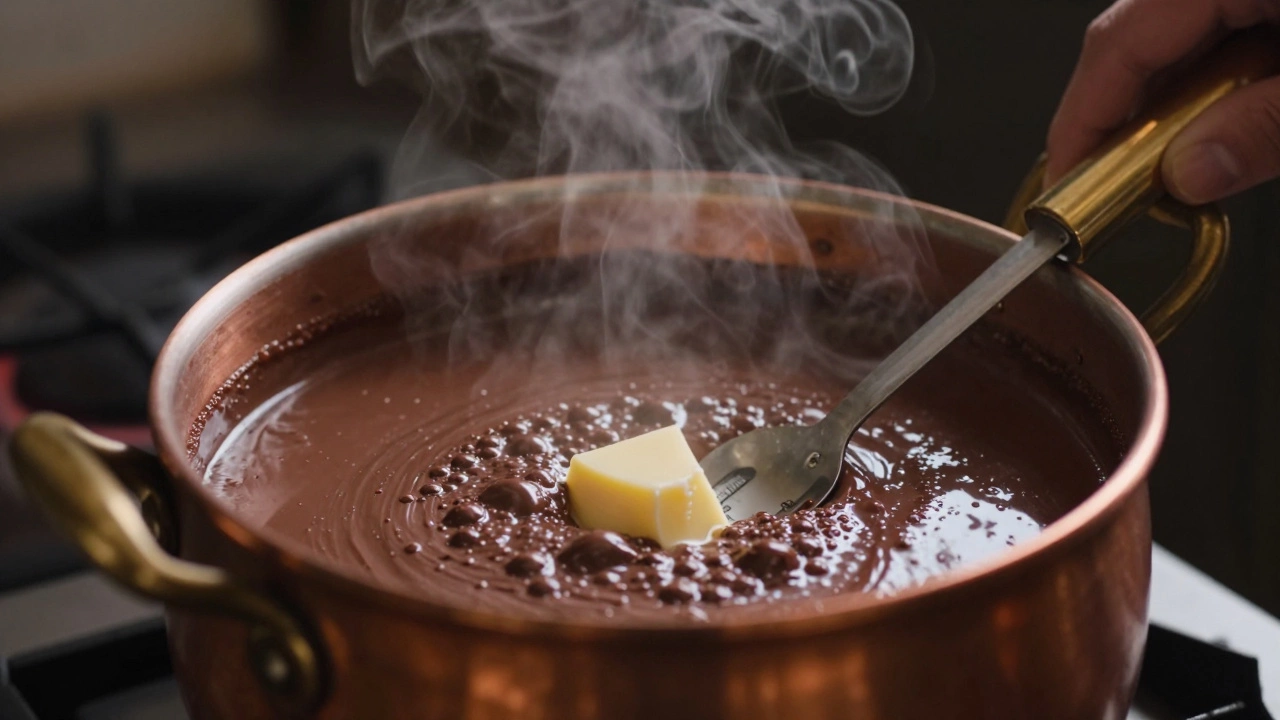
Think about the difference between a fast-food burger and a steak seared in a cast-iron skillet. One gets the job done, but the other is an experience. When you use condensed milk, you're essentially using a pre-made syrup. You lose the ability to incorporate Brown Butter (beurre noisette), which adds a nutty, toasted dimension to the candy. Since you aren't boiling the mixture to high temperatures, you don't get the Maillard reaction-the chemical process that creates those deep, savory-sweet flavors.
Furthermore, the moisture content in canned milk is different from fresh Heavy Cream. Heavy cream has a higher fat content and lower sugar content, which allows the butter to emulsify more effectively. This creates a richer mouthfeel that doesn't leave a sugary film on the roof of your mouth.
Common Pitfalls When Skipping the Can
If the condensed milk route is "bad," why does everyone do it? Because traditional fudge is intimidating. The biggest fear is "grainy" fudge. Graininess happens when large sugar crystals form instead of millions of tiny ones. This usually occurs if you stir the mixture too much while it's boiling or if a few stray sugar crystals fall from the side of the pot into the mix.
To avoid this without resorting to the can, try adding a pinch of Corn Syrup or a squeeze of lemon juice. These act as "interfering agents." They wrap around the sucrose molecules and stop them from bonding together into large, gritty crystals. This gives you the professional texture without the shortcuts.
Choosing Your Path: The Verdict
If you're making a quick treat for a kids' party and nobody is going to judge the texture, go ahead and use the can. It's fast and it tastes like sugar, which is often what children want. But if you're gifting these to a foodie or trying to master the art of confectionery, put the can back in the pantry.
By using a traditional method, you gain control over the Crystallization process. You can adjust the salt to cut through the sweetness and use a higher percentage of cocoa solids for a darker, more sophisticated chocolate fudge. The extra 20 minutes of effort and the use of a candy thermometer are a small price to pay for a product that actually melts on the tongue.
Will my fudge be grainy if I don't use condensed milk?
Not necessarily. Graininess is caused by large sugar crystals. To prevent this, use a wet-pastry brush to wipe down the sides of your pot to remove any undissolved sugar and avoid stirring the mixture once it reaches the boiling point until it's time to beat the fudge after it cools slightly.
Can I use evaporated milk instead of condensed milk?
Yes, evaporated milk is actually much closer to traditional recipes because it doesn't have the added sugar of condensed milk. However, you will still need to add your own sugar and follow a temperature-based cooking process to get the correct fudge consistency.
Why is condensed milk fudge so sticky?
The high concentration of sugar and the lack of a proper crystallization phase mean the mixture remains in a more amorphous, syrupy state. This results in a "chewy" texture that clings to your teeth rather than the clean, creamy break of traditional fudge.
Do I really need a candy thermometer for real fudge?
Yes, it's highly recommended. Because sugar behaves differently depending on the altitude and the exact type of pot you use, "cooking for 10 minutes" isn't accurate. A thermometer ensures you hit exactly 235-240°F, which is the sweet spot for the soft ball stage necessary for fudge.
Can I make vegan fudge without condensed milk?
Absolutely. You can replace the butter and cream with coconut cream and a high-quality vegan butter or coconut oil. The same rules apply: avoid the "shortcut" coconut condensed milk if you want a creamy texture, and focus on the temperature and agitation process instead.
Next Steps for the Home Confectioner
If you're ready to move past the canned shortcuts, start by investing in a digital candy thermometer. Your first batch might not be perfect-perhaps it'll be a bit too soft or a touch grainy-but that's part of the learning curve. Try experimenting with different ratios of brown sugar to white sugar to see how it affects the depth of flavor. Once you master the basic chocolate fudge, you can apply these same crystallization principles to peanut butter, maple, or salted caramel varieties.





Write a comment