

Cookie Type Matchmaker
Not sure which cookie to bake? Select the characteristics you're looking for, and we'll recommend the best cookie type for your needs!
Your Perfect Match:
Quick Summary: The Cookie Cheat Sheet
- Drop Cookies: Simple, scooped doughs like Chocolate Chip.
- Rolled/Cut-out Cookies: Stiff doughs shaped with cutters, like Gingerbread.
- Pressed Cookies: Dough pushed through a press or piped, like Spritz.
- Bar Cookies: Baked in a pan and sliced, like Brownies.
- Refrigerator/Sliced Cookies: Log-shaped dough sliced into rounds, like Shortbread.
- Molded Cookies: Hand-shaped balls or crescents, like Peanut Butter cookies.
The Effortless Drop Cookie
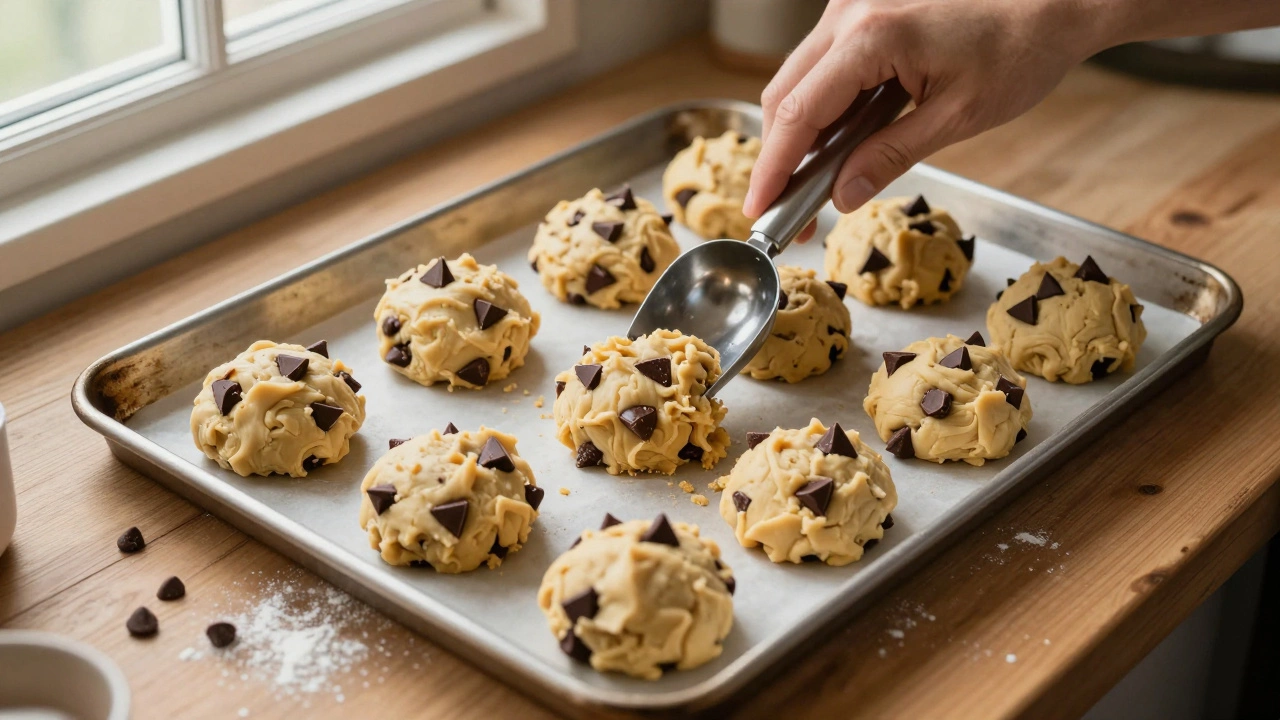
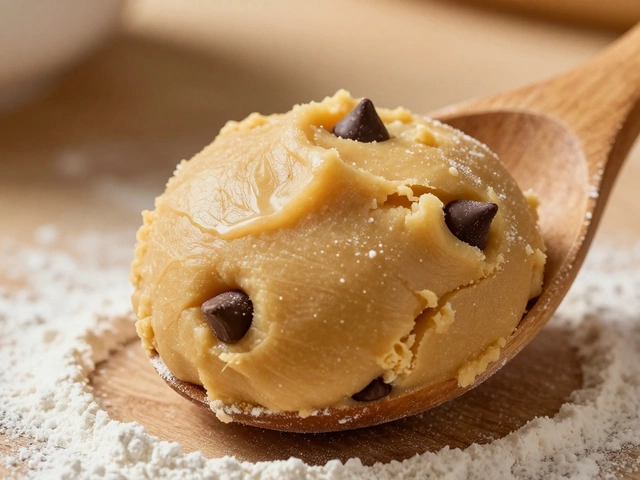
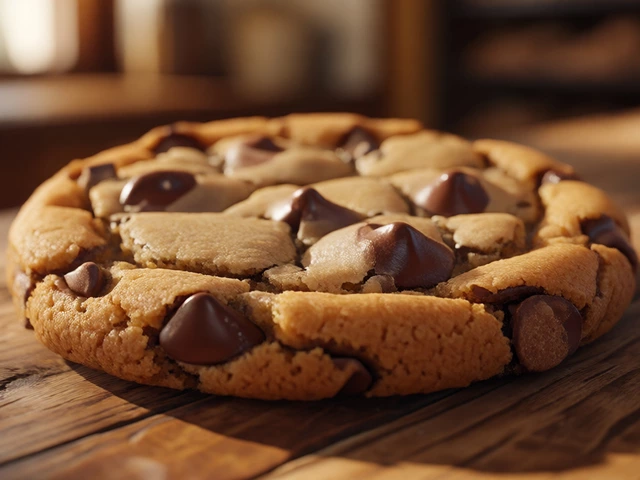
If you've ever made a batch of Chocolate Chip Cookies, you've made a drop cookie. These are the most popular because they require the least amount of work. You don't need a rolling pin or a fancy cutter; you just drop a dollop of dough onto the baking sheet using a spoon or a cookie scoop.
The magic here is in the creaming method. You beat Butter and sugar together to trap air, which gives the cookie its lift. Because the dough is relatively soft, it spreads as the fat melts in the oven. If you want a chewier drop cookie, try using a mix of brown sugar and white sugar. The molasses in brown sugar holds onto moisture, preventing the cookie from becoming too crisp.
Common pitfalls include over-mixing the flour. Once you add the dry ingredients, stir just until they disappear. If you keep mixing, you develop too much gluten, and your cookie will end up tasting like a piece of bread instead of a dessert.
The Precise Rolled and Cut-out Cookie
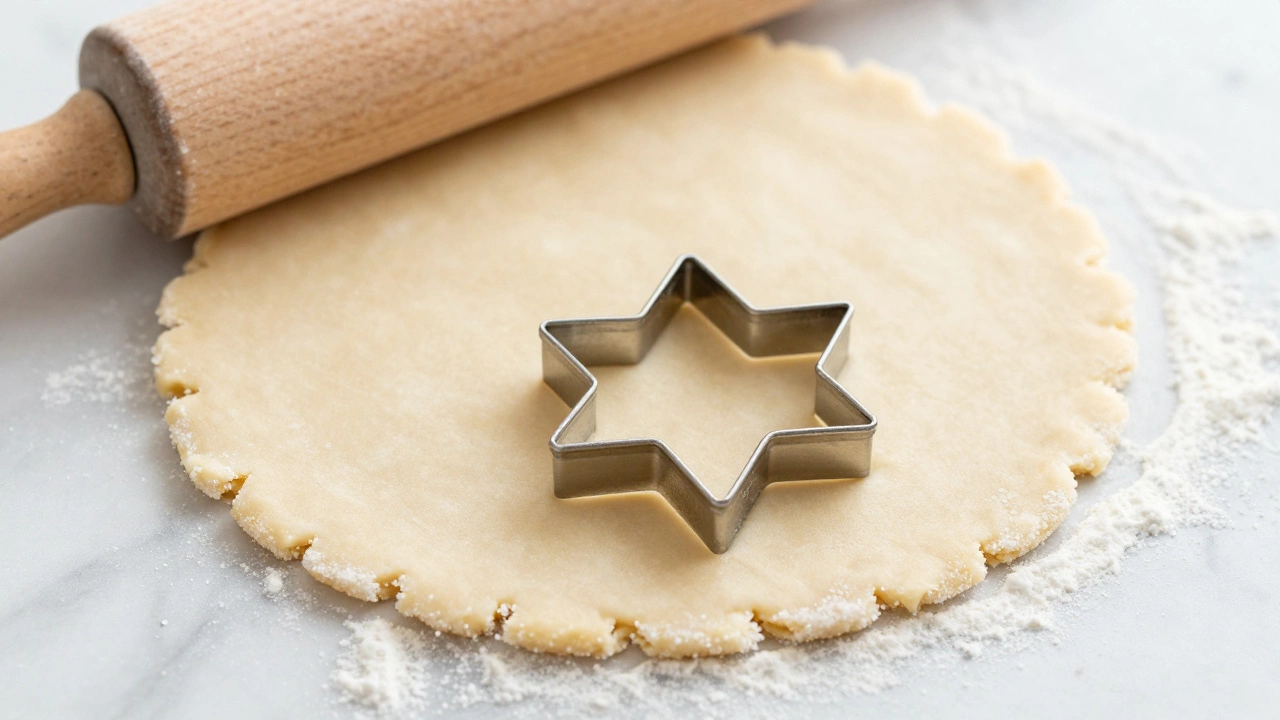
Think of Sugar Cookies or festive Gingerbread. Unlike drop cookies, these doughs are designed to hold their shape perfectly. If you cut out a star, you want a star to come out of the oven, not a shapeless blob.
To achieve this, these recipes usually have a higher ratio of flour to fat and often contain less leavening agent (like baking soda). The dough is chilled in the fridge to firm up the fats, then rolled out on a floured surface. A pro tip for anyone struggling with sticking dough: roll the dough between two sheets of parchment paper. This keeps the surface smooth and prevents you from adding too much extra flour, which can make the cookies dry and tasteless.
The Elegant Pressed Cookie
Pressed cookies are all about the delivery system. Instead of using your hands, you use a Cookie Press or a piping bag with a sturdy tip. The most famous example is the Spritz Cookie, which often has a beautiful ridged texture that looks professional but is actually quite simple to make.
The dough for pressed cookies is usually softer than a rolled cookie but stiffer than a drop cookie. It relies heavily on butter for flavor and structure. Because the dough is forced through a small opening, it needs to be smooth and free of large chunks (like nuts or chips) that could clog the press. These cookies are typically light, buttery, and melt in your mouth.
The Crowd-Pleasing Bar Cookie
Technically, bar cookies are the rebels of the cookie world. Instead of individual portions, the batter is spread into a rectangular pan and baked as one giant sheet. Once cooled, you slice them into squares. While Brownies are the king of this category, blondies and lemon bars also fit here.
The primary advantage of bar cookies is efficiency. You can feed twenty people with one pan and very little shaping effort. Because they are enclosed by the sides of the pan, they tend to stay moister than individual cookies. If you find your bar cookies are too gummy, try baking them slightly longer at a lower temperature to ensure the center sets without burning the edges.
The Classic Refrigerator or Sliced Cookie
Imagine a log of dough wrapped in plastic, chilled overnight, and then sliced into perfect circles. That is the essence of the sliced cookie. Shortbread is a prime example. These are often the densest of all the basic cookies because they lack the air bubbles created by the creaming method used in drop cookies.
The key to a perfect slice is temperature. If the dough is too warm, the knife will squash the circle into an oval. If it's frozen solid, the dough will crack. The sweet spot is a firm, cold dough that yields to a sharp knife. These cookies are fantastic for pairing with tea or coffee because their buttery, crumbly texture absorbs liquids beautifully.
The Artistic Molded Cookie
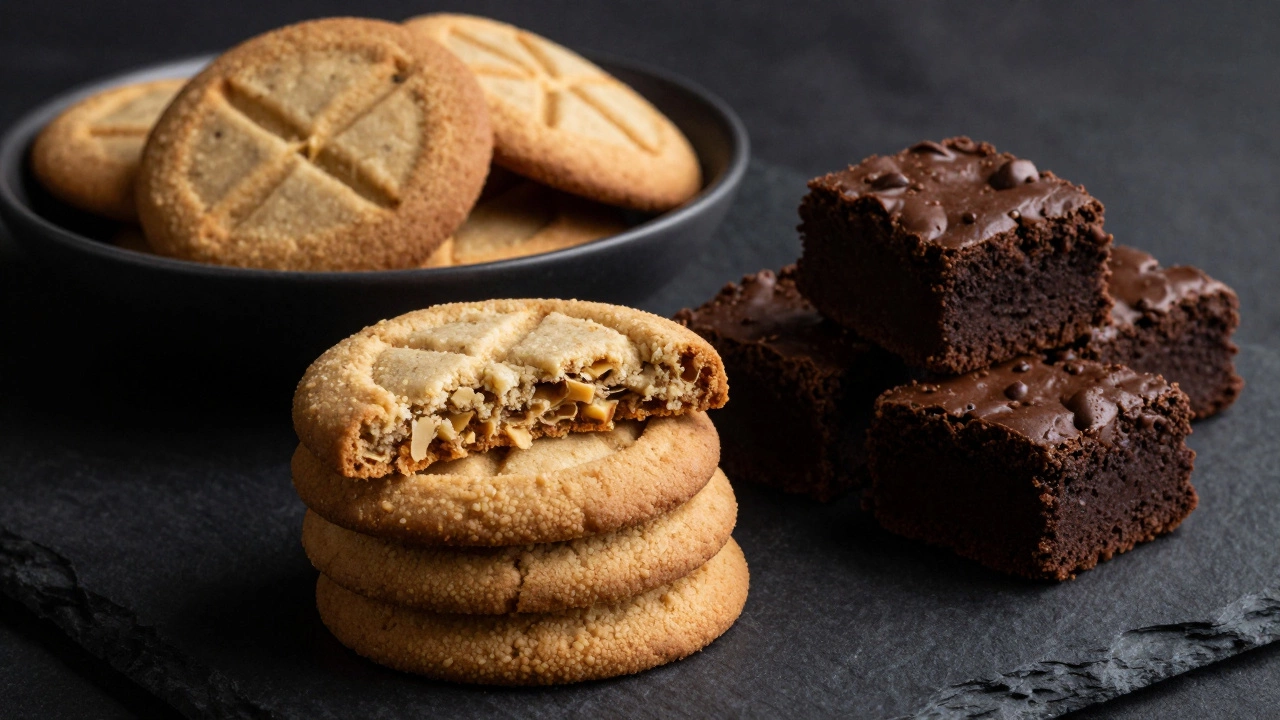
Molded cookies are for those who like a bit of tactile work. You take a small piece of dough and shape it with your hands into a ball, a crescent, or a log. Peanut Butter Cookies with the classic fork-crosshatch pattern are a perfect example of a molded cookie.
These doughs are usually quite stiff-somewhere between a rolled cookie and a sliced cookie. Because they don't spread much during baking, you have to create the final shape before the cookie hits the oven. If you want your molded cookies to look uniform, use a small kitchen scale to weigh each ball of dough. Even a 5-gram difference can lead to uneven baking times, leaving some cookies burnt while others are raw in the middle.
| Cookie Type | Primary Technique | Key Texture | Best Example |
|---|---|---|---|
| Drop | Spoon/Scoop | Chewy or Crisp | Chocolate Chip |
| Rolled | Rolling Pin & Cutter | Firm and Snappy | Sugar Cookie |
| Pressed | Piping/Pressing | Light and Buttery | Spritz |
| Bar | Pan Baking | Fudgy or Cakey | Brownie |
| Sliced | Log & Knife | Dense and Crumbly | Shortbread |
| Molded | Hand-shaping | Consistent/Sturdy | Peanut Butter |

Pro Tips for Better Baking
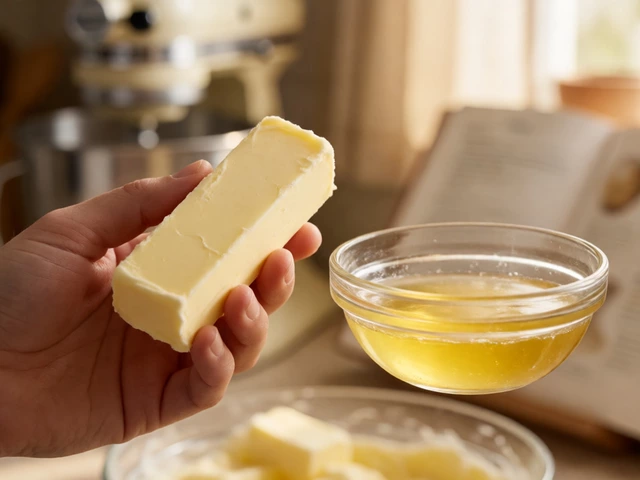
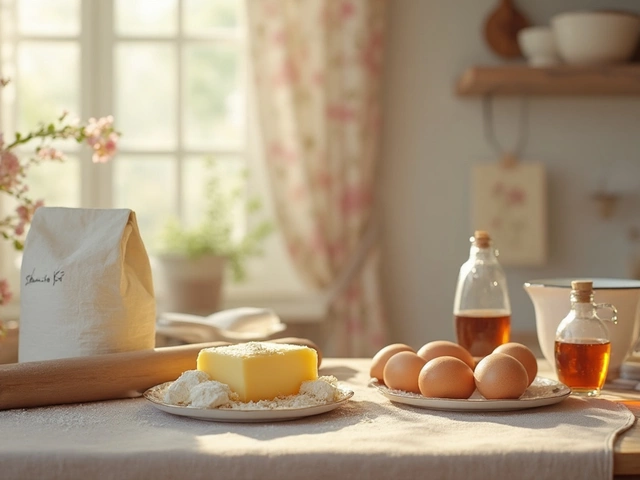
Regardless of which type you're making, a few universal rules will change your results. First, use room temperature ingredients. When butter is too cold, it won't incorporate with the sugar, leaving you with clumps. When it's too melted, your cookies will spread into one giant pancake. Leave your butter on the counter for about two hours before starting.
Second, measure your flour by weight if possible. A "cup" of flour can vary by as much as 20 grams depending on how packed it is. This is usually why some people's cookies come out like rocks while others are perfect. If you don't have a scale, use the "spoon and level" method: spoon the flour into the cup and level it off with a knife rather than scooping directly from the bag.
Finally, don't skip the chilling phase. For rolled, sliced, and even some drop cookies, chilling the dough for at least 30 minutes (or up to 24 hours) improves the flavor. It allows the flour to fully hydrate and the fats to solidify, which results in a deeper, more caramelized taste and better structural integrity.
Why do my drop cookies spread too much?
This usually happens if the butter was too soft or melted when you mixed the dough, or if the oven temperature was too low. Try chilling your scooped dough balls in the freezer for 15 minutes before baking to slow down the fat melt.
Can I turn a drop cookie recipe into a rolled cookie?
Not easily. Rolled cookies need more flour and less leavening to keep their shape. If you try to roll a drop cookie dough, it will likely be too sticky to handle and will spread too much in the oven, losing the shape of your cutters.
What is the difference between a bar cookie and a cake?
The difference is primarily the ratio of flour and fat. Bar cookies are denser and have a shorter crumb, whereas cakes use more leavening and liquid to create a light, airy structure. A brownie, for example, is a bar cookie because it is dense and rich, not fluffy.
Do I need a special press for pressed cookies?
You don't absolutely need one. A piping bag with a star tip works perfectly for most pressed cookie recipes. The goal is simply to force the dough through a shaped opening to create a consistent pattern.
How do I stop my sliced cookies from cracking?
Ensure the dough is chilled but not frozen. If the log is too hard, the pressure of the knife will cause the dough to split. Use a very sharp, thin knife and a quick, decisive slicing motion rather than sawing back and forth.
Next Steps and Troubleshooting
If you are a beginner, start with Drop Cookies. They are forgiving and teach you the basics of the creaming method. Once you're comfortable, move to Bar Cookies to experiment with flavors without worrying about shaping.
If your cookies are consistently too hard, check your flour measurements or reduce your baking time by 2 minutes. Most cookies carry over a lot of heat after they leave the oven; if they feel slightly underbaked in the center, they are actually perfect. They will firm up as they cool on the pan.
For those looking to level up, try mixing these styles. For example, you can take a sliced cookie dough and add mix-ins like dried cranberries or white chocolate chips to create a more complex flavor profile while maintaining that classic shortbread snap.



Write a comment