

Cookie Dough vs. Batter Checker
Is it Dough or Batter?
Answer these 4 quick questions to determine if your cookie mixture is dough or batter. Based on the article "Are Cookies Made from Dough or Batter?"
Ever pulled a tray of cookies out of the oven and wondered-was this dough or batter? It’s a question that pops up more often than you’d think, even among people who bake cookies every holiday season. The answer isn’t just semantics; it actually affects how your cookies turn out-crispy, chewy, cakey, or spread too thin. So let’s cut through the confusion.
What’s the real difference between dough and batter?
Dough and batter aren’t just different names for the same thing. They’re two distinct textures with different rules.
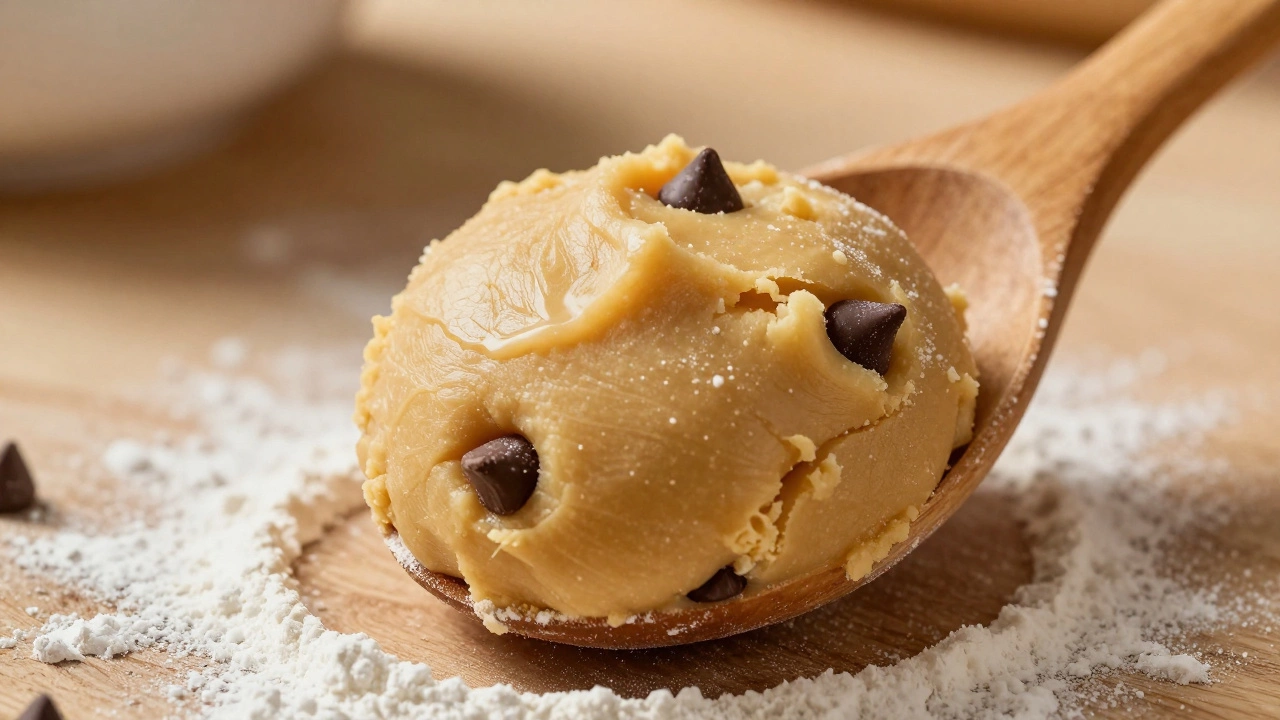
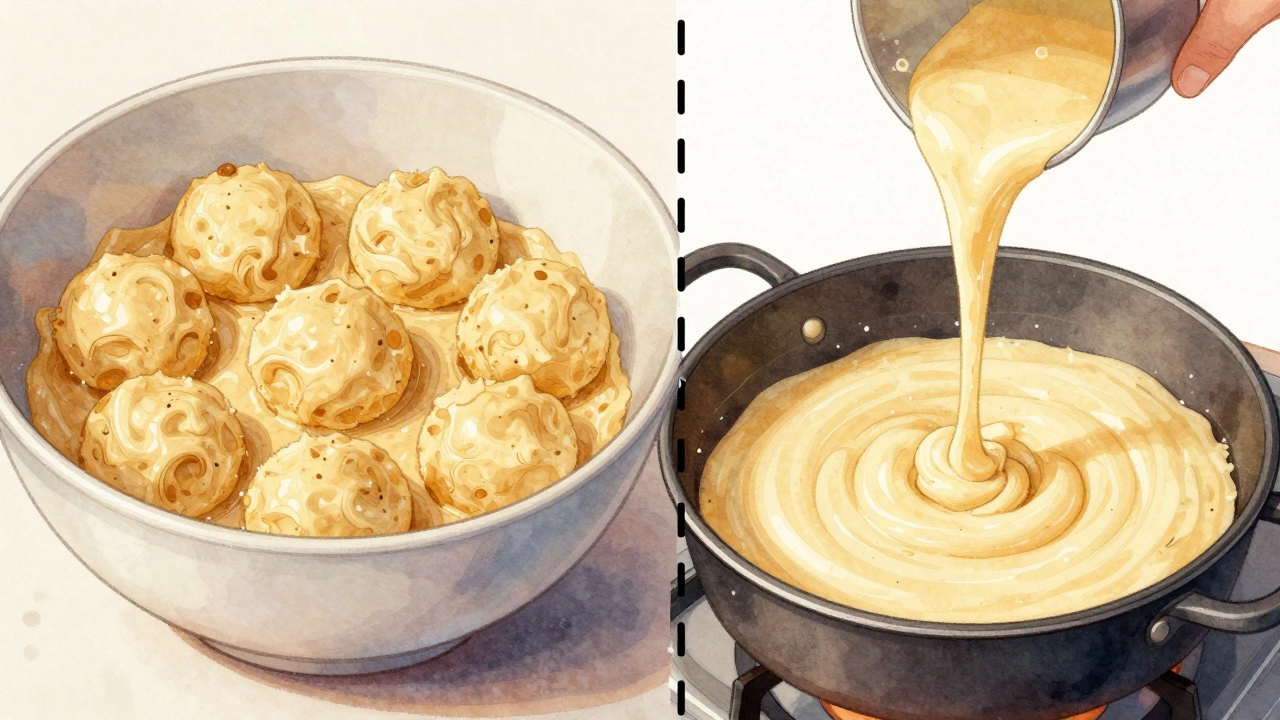
Dough is thick enough to hold its shape when you pick it up. You can roll it, scoop it, or cut it without it dripping. Think of bread dough, pie crust, or sugar cookie rolls. It’s stiff, often kneaded, and doesn’t pour.
Batter is thinner. It flows. You pour it or spoon it into pans. Think cake batter, pancake mix, or brownie batter. If you tilt the bowl, it moves. If you drop a spoonful on a surface, it spreads.
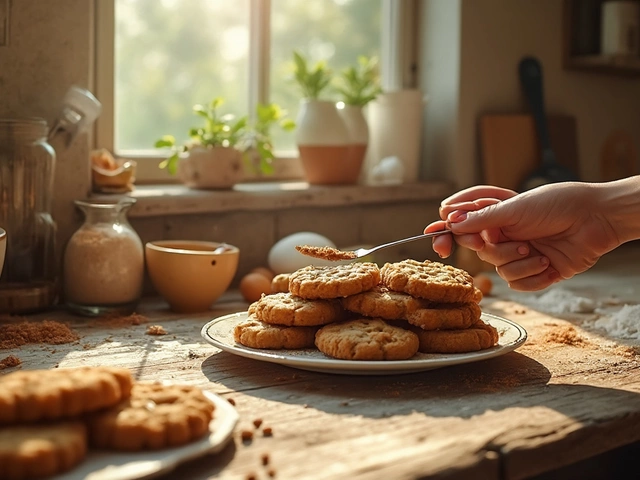
Now, here’s the key: most traditional cookies are made from dough. Not batter. Not cake mix. Dough. That’s why you can roll cookie dough into balls and place them on a tray without them turning into puddles.
Why do some cookies look like they came from batter?
You’ve probably seen recipes that say “pour the cookie mixture onto the baking sheet.” That’s where confusion kicks in. Some cookies-like thin, crispy tuiles or drop cookies with high butter content-do spread so much they look like batter poured out. But that doesn’t mean they started as batter.
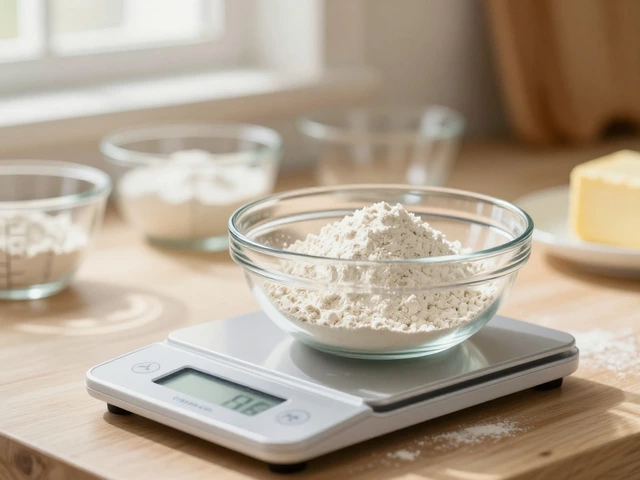
The difference is in the ratio. Cookie dough has less liquid and more flour. A typical chocolate chip cookie dough might use 2 cups of flour to 1 cup of butter and 1 egg. That’s thick. Cake batter? It’s often 1 cup flour to 1 cup liquid (milk, water, or eggs). That’s pourable.
Some recipes fool you because they use melted butter instead of softened butter. Melted butter makes the dough looser, so it spreads more. But it’s still dough-it just behaves differently. Same with adding an extra egg yolk. That adds moisture, but you’re not turning it into batter. You’re just making it softer.
What happens if you treat cookie dough like batter?
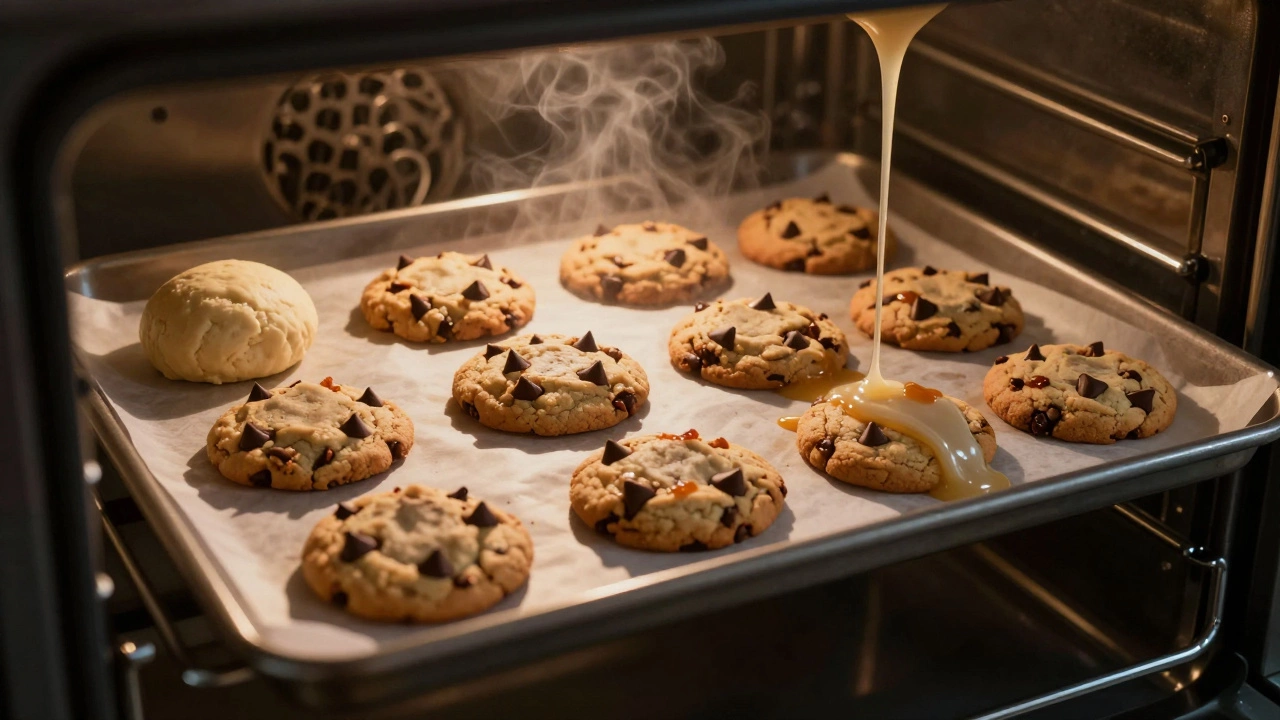
Try pouring cookie dough into a pan like you would brownie batter. You’ll get flat, greasy, uneven cookies. They’ll spread too much, burn on the edges, and stay raw in the middle. Why? Because dough isn’t designed to flow. It needs structure.
On the flip side, if you try to scoop cake batter like cookie dough-roll it into balls-you’ll end up with messy, runny mounds that bake into cakey blobs, not cookies. They won’t hold their shape. You’ll get something closer to a muffin top than a chocolate chip cookie.
There’s a reason professional bakers don’t use cake recipes for cookies. The chemistry is different. Cookies rely on fat and sugar to create crisp edges and chewy centers. Cakes rely on air and liquid to rise. Mix them up, and you get a baking disaster.
Exceptions: When cookies actually use batter
There are a few cookie types that blur the line-and they’re worth knowing.
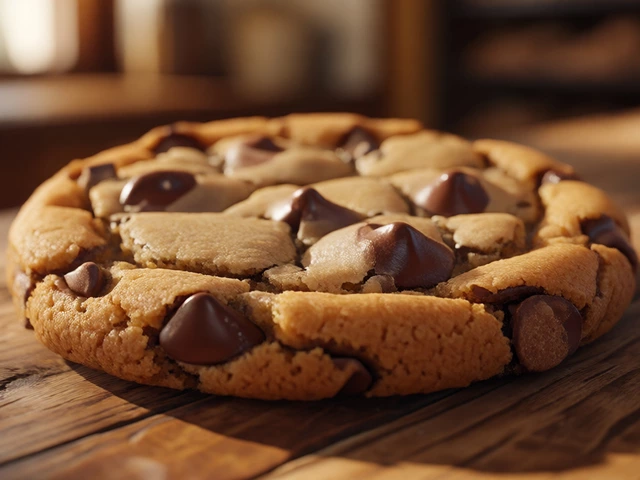
- Drop cookies like chocolate chip or oatmeal raisin are still dough, but they’re soft enough to be dropped by the spoonful. That’s not batter-it’s just a very soft dough.
- Macarons use a meringue-based batter, but they’re not what most people think of as cookies. They’re delicate, French, and require precision. They’re in their own category.
- English toffee cookies or some thin, lace-like cookies (like Norwegian butter cookies) use a batter-like consistency because they’re meant to spread into paper-thin crisps. But even then, they’re made with less liquid than cake batter and rely on sugar and butter for structure.
These exceptions prove the rule: if it’s called a cookie and it’s made in a home kitchen, it’s almost always dough. The rare batter-based cookies are usually specialty items with specific names and techniques.
How to tell if your cookie mixture is dough or batter
Here’s a quick test you can do right in your kitchen:
- Scoop a spoonful of your mixture.
- Hold it over the bowl. If it holds its shape and doesn’t drip or sag, it’s dough.
- If it drips slowly or flattens immediately, it’s batter.
- If you can roll it into a ball without it sticking to your hands too much, it’s dough.
Another clue: if the recipe says “chill the mixture for 30 minutes,” it’s almost certainly dough. Batter doesn’t need chilling-it’s already fluid. Dough needs to firm up so it doesn’t spread too much in the oven.
Why this matters for your baking results
Knowing whether you’re working with dough or batter isn’t just trivia. It affects your outcome.
If you think your cookie dough is too thick and try to thin it with milk or water like you would for cake, you’ll ruin it. The cookies will spread into greasy pancakes. Instead, if your dough is too stiff, add a teaspoon of butter or an extra yolk-not liquid.
If your cookies are too cakey, you might have added too much liquid or too many eggs. That’s a batter mistake. Cookies don’t need to rise. They need to caramelize and crisp.
And if your cookies spread too much? Your dough was too soft. Chill it. Don’t add flour unless you’ve measured everything wrong. Often, the issue is butter that was too warm, not a lack of flour.
What to remember
Most cookies-chocolate chip, sugar, peanut butter, snickerdoodles, shortbread-are made from dough. Not batter. That’s why you can scoop, roll, and shape them. That’s why they hold their form. That’s why they bake with crisp edges and chewy centers.
Batter is for cakes, muffins, pancakes, and brownies. If you’re making something that needs to rise or pour, you’re not making a cookie.
So next time someone asks, “Is cookie dough really dough?” you can say yes-with confidence. And if your cookies turn out flat? Check your butter temperature. Not your terminology.
Quick checklist: Dough or Batter?
- Can you roll it into balls? → Dough
- Does it hold its shape when scooped? → Dough
- Do you chill it before baking? → Dough
- Does it pour like pancake mix? → Batter
- Does the recipe call for a cake pan? → Batter
- Does it spread into a thin sheet? → Could be a specialty cookie, but still not batter
Stick to the dough. Your cookies will thank you.


Write a comment