

Fudge Dairy Substitution Calculator
Recipe Inputs
Enter your sugar amount and select a dairy substitute to see recommended adjustments for texture, temperature, and beating time.
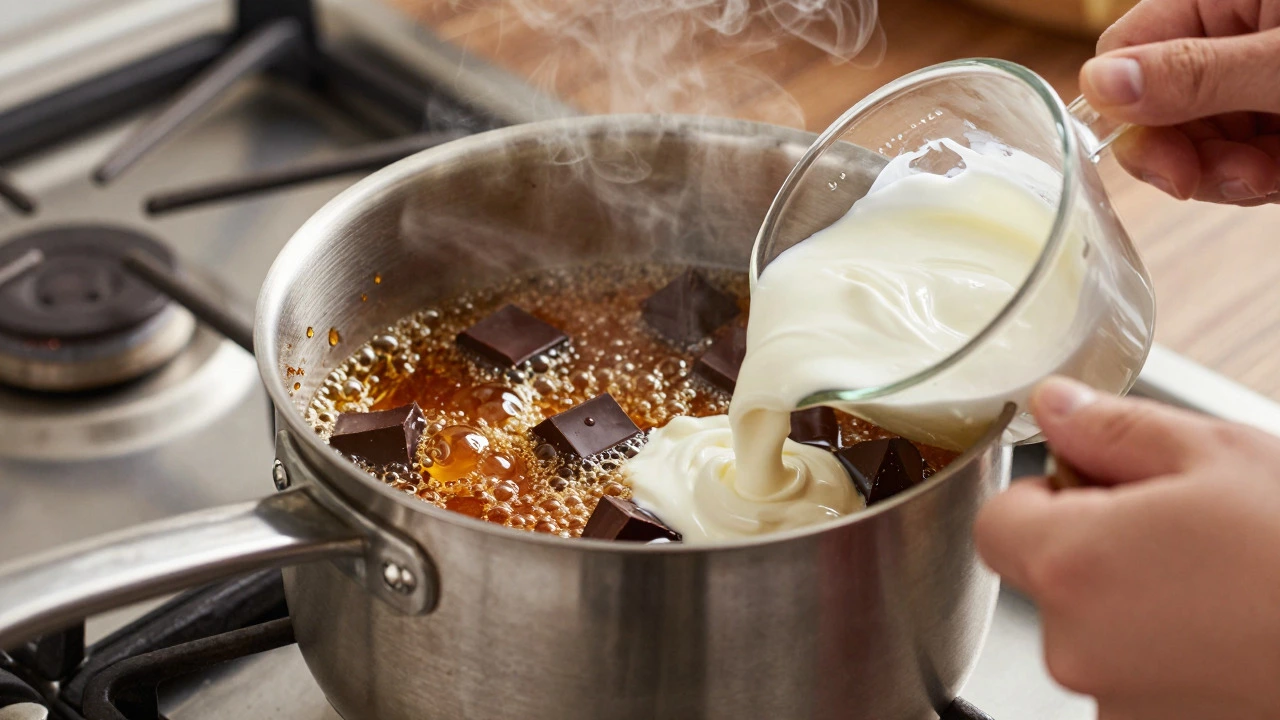
You’re standing in your kitchen, the sugar is bubbling on the stove, and you realize you’ve run out of evaporated milk a concentrated milk product with about 60% of its water removed. Panic sets in. Do you ruin the batch? Or do you grab the nearest dairy product-heavy whipping cream a high-fat dairy product containing at least 36% milk fat-and hope for the best? The short answer is: yes, you can use it, but you need to know exactly how it changes the game.
Fudge isn’t just chocolate and sugar; it’s a precise chemical reaction. If you swap ingredients without understanding their roles, you might end up with grainy, hard, or overly soft results. Let’s break down why this substitution works, where it fails, and how to adjust your technique so your dessert still turns out silky smooth.
The Science Behind the Swap
To make this switch successfully, you first need to understand what each ingredient brings to the pot. Evaporated milk milk that has been heated to remove approximately 60% of its water content is essentially regular milk with the water stripped out. It retains its proteins and sugars but has a much higher concentration of solids. This means it adds moisture and body without adding excessive fat.
Heavy whipping cream dairy cream with a minimum of 36% milk fat content, on the other hand, is mostly fat. While it does contain some water and milk solids, its primary characteristic is richness. When you swap evaporated milk for heavy cream, you are drastically increasing the fat content while slightly altering the water-to-solid ratio.
Why does this matter? Fat coats the tongue. High fat content creates a luxurious, melt-in-your-mouth texture. However, too much fat can interfere with the crystallization process that gives fudge its signature bite. If the fat content gets too high, the sugar crystals may not form properly, leading to a softer, almost truffle-like consistency rather than the firm snap of traditional fudge.
How the Texture Changes
If you simply replace evaporated milk with an equal amount of heavy cream, here is what will likely happen:
- Softer Set: Your fudge will be noticeably softer. It might not hold its shape as well when cut, especially if the kitchen is warm.
- Richer Flavor: The taste will be deeper and more decadent due to the increased butterfat. Many people actually prefer this flavor profile.
- Graininess Risk: Because the protein structure is different, there is a slightly higher risk of the mixture becoming grainy if not beaten correctly during the cooling phase.
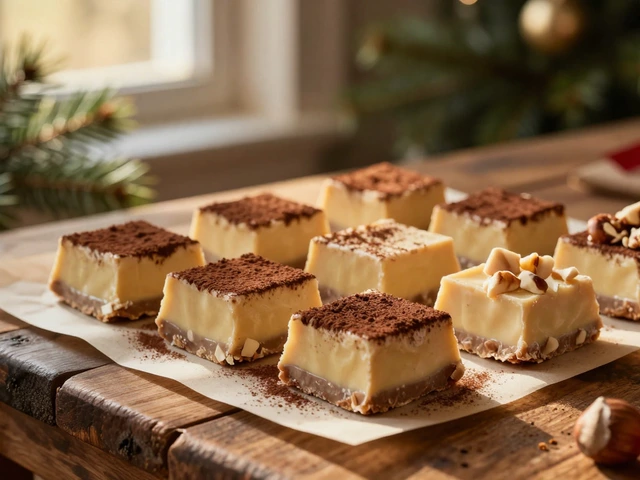
This isn’t necessarily a bad thing. In fact, many gourmet fudge recipes intentionally use heavy cream or half-and-half to create a softer, ganache-style fudge. But if you are aiming for the classic, dense, sliceable fudge from a tin box, you need to make adjustments.
Adjusting the Recipe for Success
You don’t have to throw away your heavy cream. You can use it, but you should tweak the method. Here are three ways to ensure your fudge still sets correctly.
1. Reduce the Sugar Slightly
Sugar provides structure. Fat provides tenderness. Since you are adding more fat, you can reduce the sugar by about 10-15%. For example, if your recipe calls for 2 cups of granulated sugar, try using 1 ¾ cups. This helps balance the structural integrity against the softening effect of the cream.
2. Watch the Temperature Closely
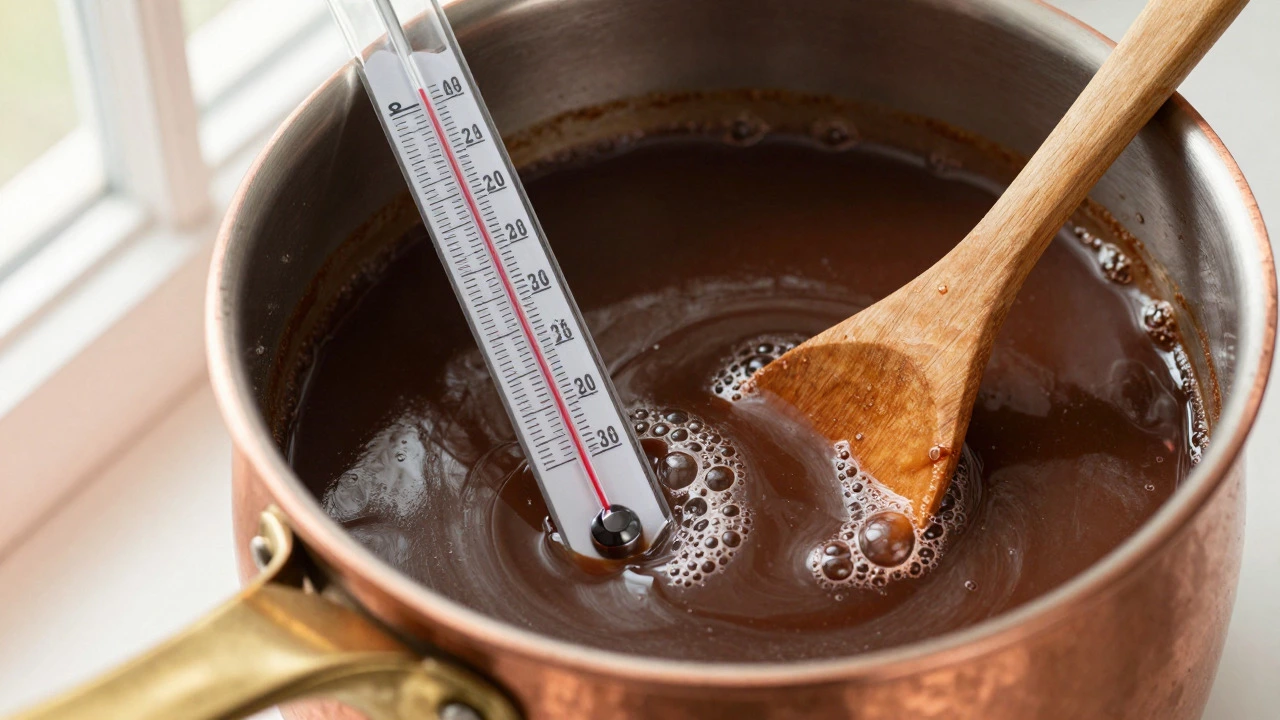
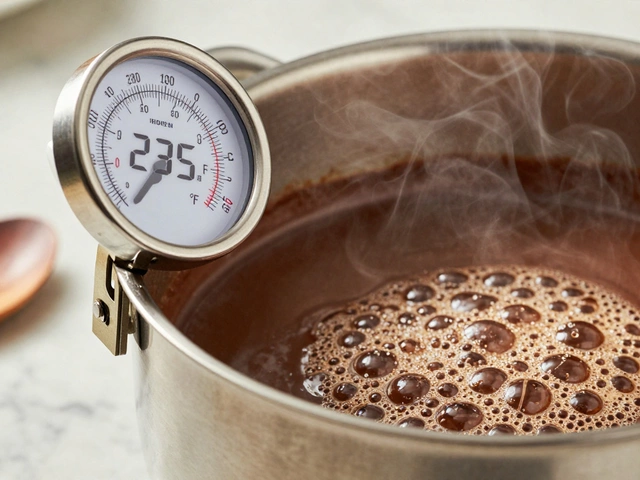
Fudge relies on reaching the soft-ball stage a temperature range between 234°F and 240°F (112°C - 116°C) in candy making. With heavy cream, the mixture may boil over more easily because the fat reduces the surface tension of the liquid. Keep the heat moderate and stir constantly until the sugar dissolves completely. Once it starts boiling, stop stirring to prevent premature crystallization, unless your specific recipe instructs otherwise.
Use a candy thermometer a specialized kitchen tool designed to measure temperatures up to 400°F for baking and candy making. Aim for the lower end of the soft-ball stage, around 234°F (112°C). If you go higher, the extra fat won't save you from a hard, brittle result.
3. Beat It Longer
The beating phase is crucial. After removing the pot from the heat, let it cool to room temperature (about 110°F or 43°C) before stirring. Then, beat it vigorously. With heavy cream, you may need to beat the mixture for an additional 2-3 minutes compared to a standard evaporated milk recipe. This helps incorporate air and encourages the formation of tiny sugar crystals, which gives the fudge its smooth texture.
Alternative Substitutions to Consider
If you are worried about the texture changing too much, consider these alternatives before grabbing the heavy cream:
| Ingredient | Fat Content | Texture Result | Best For |
|---|---|---|---|
| Heavy Whipping Cream | High (36%+) | Soft, rich, creamy | Ganache-style fudge |
| Half-and-Half | Medium (10-18%) | Balanced, slightly softer | Closest match to evaporated milk |
| Whole Milk + Butter | Variable | Standard texture | Traditional fudge |
| Coconut Cream | High | Dense, coconut flavor | Vegan or dairy-free options |
Half-and-half is often the safest bet if you want a texture very close to the original. It has less fat than heavy cream but more than whole milk. If you use half-and-half, you can usually swap it 1:1 with evaporated milk without major adjustments.
If you must use heavy cream, think of it as making a "luxury" version of fudge. It will be softer, so store it in the refrigerator after it sets. This keeps it firm enough to cut cleanly.
Troubleshooting Common Issues
Even with the right substitutions, things can go wrong. Here is how to fix them.
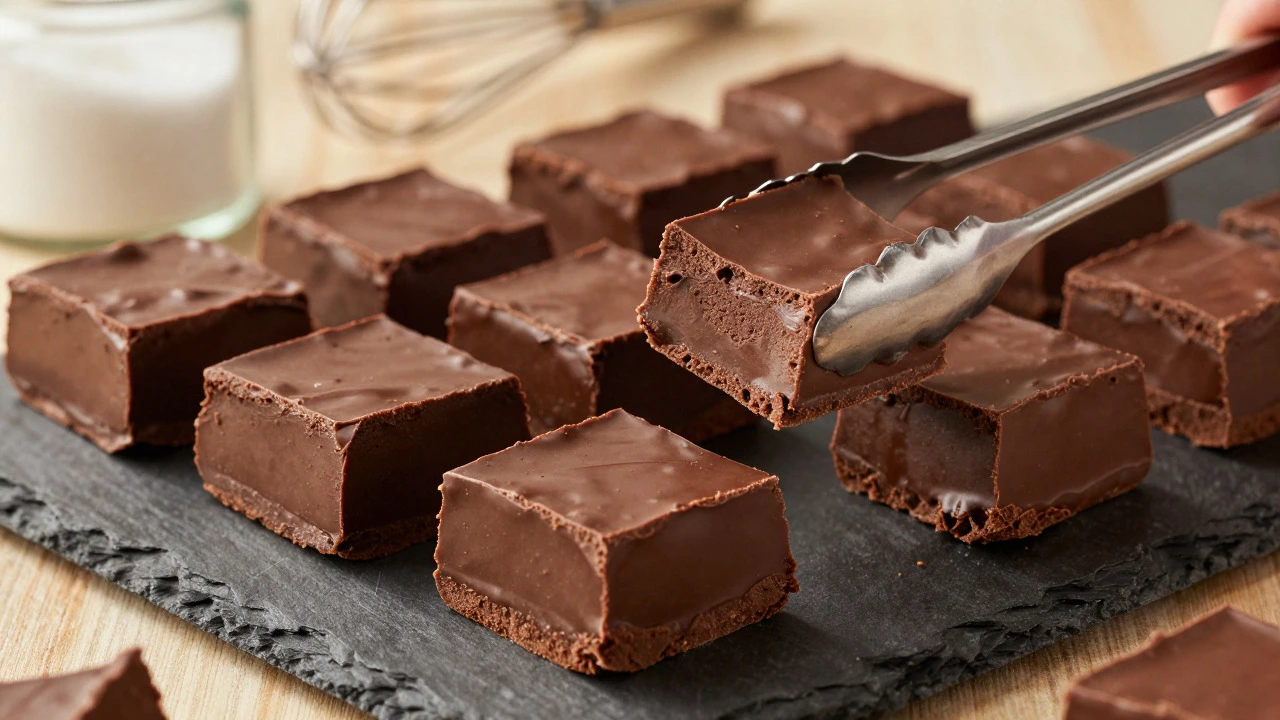
Problem: The fudge is too soft and won't set. This usually happens if you didn't reach the correct temperature. With heavy cream, the boiling point can fluctuate slightly. Next time, trust your thermometer, not the time. If it’s already made, you can re-melt it gently, add a little more sugar, and bring it back to the soft-ball stage.
Problem: The fudge is grainy. Graininess occurs when large sugar crystals form. This can happen if you stirred the mixture while it was boiling or if you added the cream too quickly. To prevent this, ensure all sugar is dissolved before boiling begins. When adding the cream, pour it slowly into the hot sugar mixture while whisking constantly.
Problem: The fudge is too hard. You likely cooked it past the soft-ball stage. Heavy cream doesn't protect against overcooking. If this happens, you can salvage it by blending it into a frosting or melting it down to drizzle over ice cream.
Pro Tips for Perfect Fudge Every Time
Making fudge is part art, part science. Here are some expert tips to elevate your results, regardless of which dairy product you use.
- Clean Your Equipment: Any stray sugar crystals on the side of the pot can cause the entire batch to crystallize prematurely. Wipe the sides of the pot with a wet pastry brush during the boiling process.
- Use Vanilla Wisely: Add vanilla extract only after removing the pot from the heat. Heat destroys the delicate flavors in vanilla.
- Don't Skimp on Beating: The physical act of beating cools the mixture and breaks down large sugar crystals. Use an electric mixer if possible; it makes the job easier and more consistent.
- Store Properly: Fudge absorbs odors easily. Store it in an airtight container with parchment paper between layers. If you used heavy cream, refrigeration is recommended to maintain structure.
Ultimately, cooking is about experimentation. Using heavy cream instead of evaporated milk is a valid choice that leads to a delicious, albeit different, result. Embrace the change, adjust your expectations for texture, and enjoy the richer flavor. Your guests might just prefer the new version.
Can I use heavy cream instead of evaporated milk in fudge?
Yes, you can use heavy whipping cream instead of evaporated milk in fudge. However, because heavy cream has a much higher fat content, the resulting fudge will be softer and richer. You may need to reduce the sugar slightly and beat the mixture longer to achieve the desired texture.
What is the best substitute for evaporated milk in fudge?
The closest substitute to evaporated milk in terms of texture is half-and-half. It has a moderate fat content that mimics the balance of evaporated milk better than heavy cream or whole milk. For a vegan option, full-fat coconut cream works well.
Why did my fudge turn out grainy?
Grainy fudge is caused by large sugar crystals forming. This often happens if you stir the mixture while it is boiling, if sugar crystals remain on the sides of the pot, or if you add cold liquids too quickly to the hot sugar syrup. Ensure you wipe the pot sides and avoid stirring during the boil.
How do I fix fudge that is too soft?
If your fudge is too soft, it likely didn't reach the correct temperature. You can re-melt the fudge gently, add a small amount of additional sugar, and cook it again until it reaches the soft-ball stage (234°F-240°F). Then, let it cool and beat it as usual.
Does heavy cream change the flavor of fudge?
Yes, heavy cream adds a richer, more decadent flavor due to its high butterfat content. Many people find this flavor profile superior to the lighter taste provided by evaporated milk, though the texture will be noticeably softer.







Write a comment