

2026 Birthday Cake Trend Finder
Staring at a blank canvas? Let's find the perfect trend for your next celebration.
You’re staring at a blank canvas of buttercream, wondering if you should go for another minimalist drip cake or try something wilder. It’s a familiar dilemma. The world of birthday cakes moves fast, fueled by TikTok algorithms and Instagram reels that shift aesthetics faster than you can pipe a rosette. But if you look closely at what bakers in Auckland and beyond are actually selling and sharing right now, a pattern is emerging. We aren’t just looking for pretty; we’re looking for personality, sustainability, and sensory surprises.
So, what is actually going to be on top of your next celebration? Forget the generic "trending" lists that recycle last year's favorites. Here is what is genuinely bubbling up in kitchens and bakeries as we head into late 2026.
The Shift from Visuals to Texture
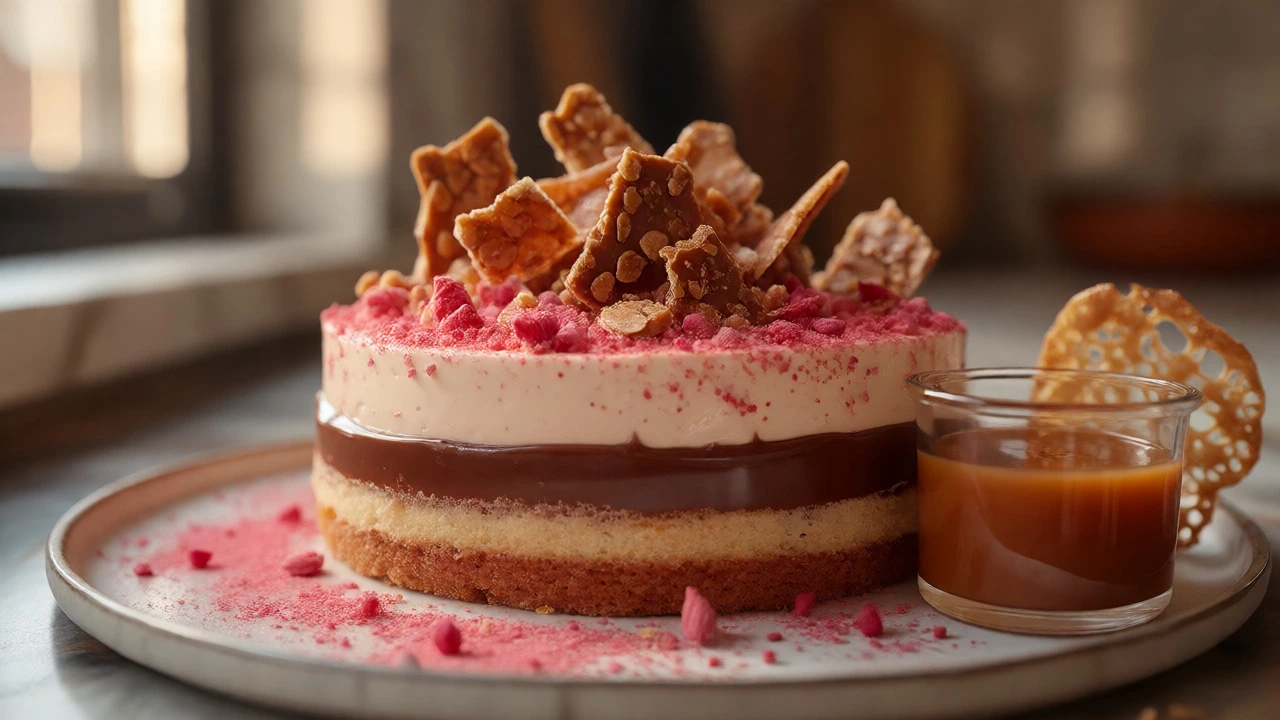
For years, cake was judged solely by its photo-worthiness. Smooth fondant, perfect geometric shapes, and pastel colors dominated. That era is fading. The new wave prioritizes textural contrast. Think crunchy praline shards embedded in soft sponge, or layers of different consistencies like mousse, gelée, and aerated ganache. People want to feel something when they bite down.
This isn't just about adding nuts. It's about engineering the mouthfeel. A popular technique gaining traction involves using freeze-dried fruit powders mixed into buttercream to create a subtle crunch that dissolves quickly, leaving an intense flavor burst. Another trend is "deconstructed" elements served on the side, allowing guests to customize their bite. You might see a classic vanilla cake accompanied by a small pot of salted caramel sauce and a tuile cookie. This interactive element makes the eating experience memorable rather than just visually pleasing.
Nostalgia with a Modern Twist
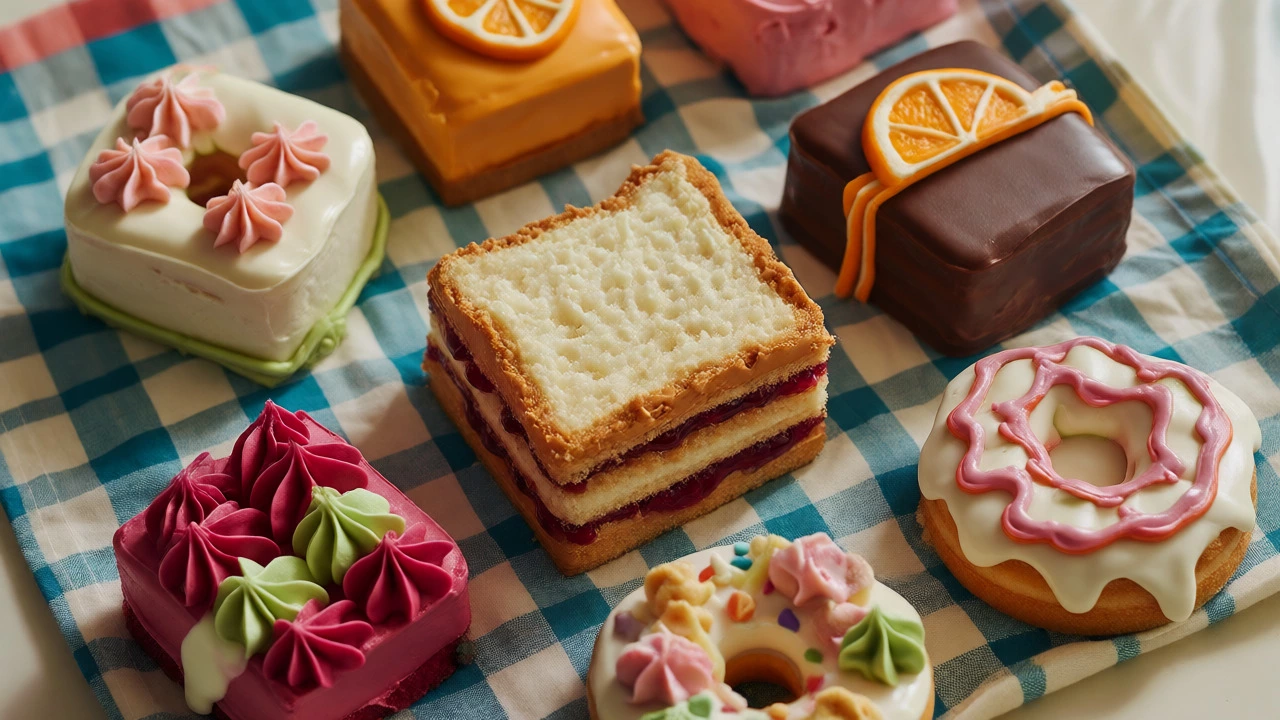
Comfort food is having a massive moment, but it’s not just about making things simple. It’s about elevating childhood memories. The Lunchbox Cake concept-small, individual-sized cakes designed to look like retro school snacks-is evolving. Instead of just looking like a cupcake, these mini-cakes are incorporating flavors like peanut butter jelly, chocolate orange, or even cereal milk.
We are also seeing a resurgence of retro piping styles, but executed with modern precision. The messy, hand-piped look of the 1970s and 80s is back, but instead of artificial neon colors, bakers are using natural pigments from beetroot, matcha, and turmeric. This "imperfect perfection" feels authentic and handmade, which resonates strongly in an age of AI-generated images. If you are ordering a cake for a child’s birthday, expect to see references to specific decades, like Y2K aesthetics or 90s cartoons, rendered in edible ink and sculpted sugar.
Sustainability and Local Ingredients
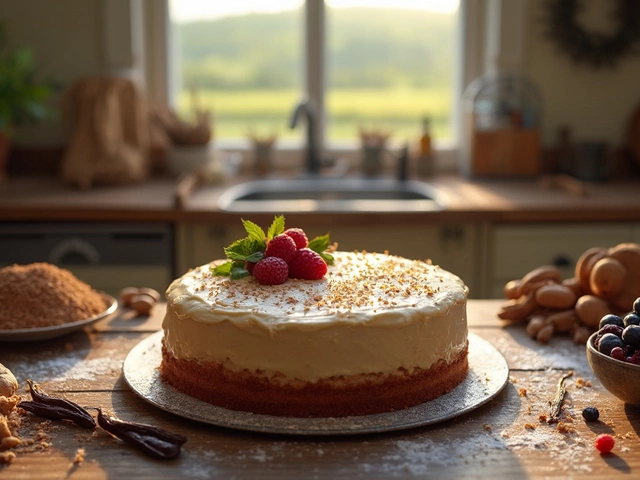
In New Zealand, where I live, there is a strong cultural push towards supporting local producers. This has translated directly into cake design. The "farm-to-table" movement is now "bakery-to-plate." Customers are asking for cakes made with seasonal, locally sourced fruits and dairy. A strawberry cake in winter feels wrong to many people now; they want kiwifruit in autumn or feijoas in late summer.
Zero-waste baking is influencing decoration too. Leftover sponge scraps are being turned into truffles or crumble toppings. Edible flowers are no longer just garnishes; they are integral ingredients, chosen for flavor as well as looks. Pansies and violets add a peppery note, while lavender brings floral notes without overwhelming sweetness. This approach reduces waste and adds complexity, appealing to environmentally conscious consumers who still want indulgence.
The Rise of Savory-Sweet Hybrids
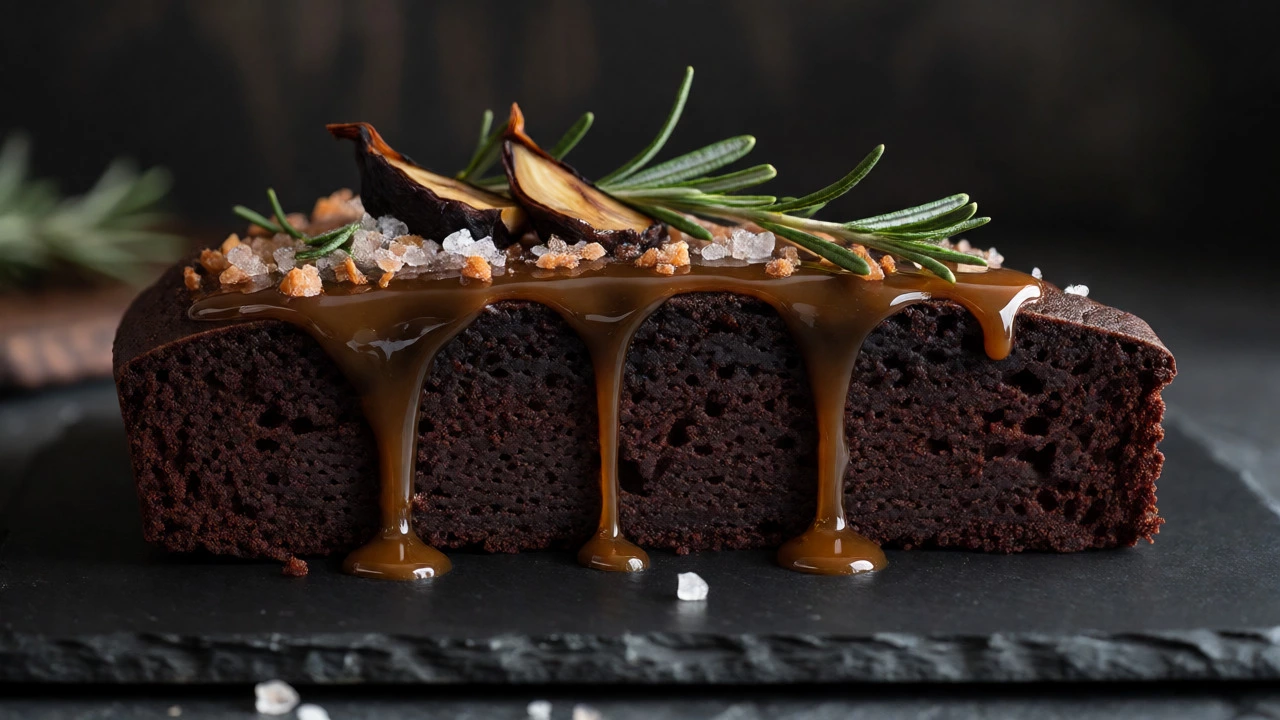
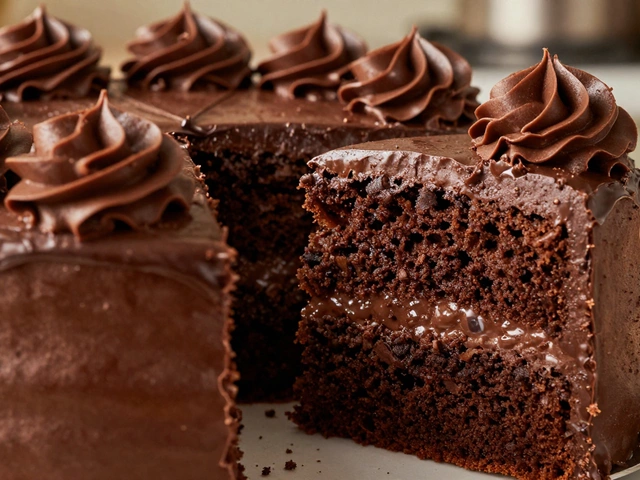
Sweet alone is becoming boring. The palate is craving balance. Enter the savory-sweet hybrid. Imagine a dark chocolate cake infused with olive oil and topped with sea salt and rosemary cream. Or a lemon drizzle cake paired with a basil-infused glaze. These combinations challenge expectations and provide a sophisticated adult twist on traditional birthday desserts.
One standout trend is the use of miso in caramel sauces. Miso adds umami depth that cuts through the richness of butter and sugar. Another favorite is black garlic, which offers a sweet, molasses-like flavor profile that pairs beautifully with cocoa. These ingredients don't make the cake taste "weird"; they make it taste deeper and more complex. For a dinner party birthday, this kind of cake sparks conversation long after the candles are blown out.
Personalization Beyond Names
Writing a name on a cake is standard. The new level of personalization involves storytelling. Bakers are offering "story cakes" where the design reflects the recipient's hobbies, pets, or significant life events. If someone loves hiking, the cake might feature edible moss and rock formations. If they love jazz, the decoration could mimic vinyl records with edible gold leaf.
This goes beyond custom toppers. It involves structural changes to the cake itself. Tiered cakes are being replaced by single-layer "sheet cakes" decorated with intricate illustrations drawn directly onto the frosting using edible markers. This allows for detailed, personalized artwork that would be difficult to achieve on a tall tier. It’s intimate, affordable, and highly shareable on social media because it looks like a piece of art.
How to Choose the Right Trend for Your Event
Not every trend fits every occasion. Here is a quick guide to help you decide:
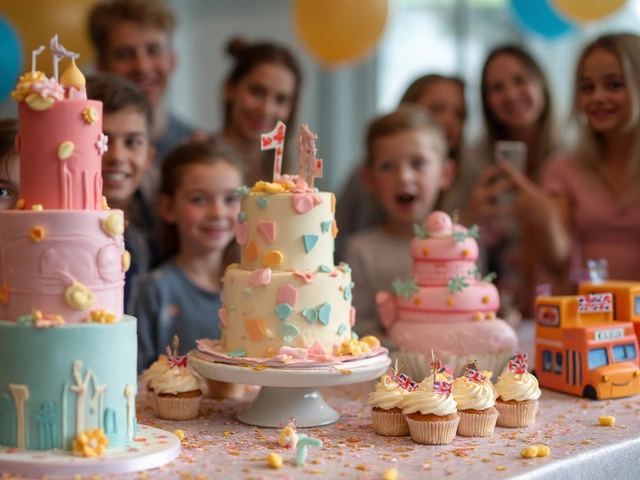
- Kids' Birthdays: Go for Nostalgia or Personalized Story Cakes. Kids love recognizable characters or themes related to their interests. Textures like sprinkles and candy shells are fun for them.
- Adult Dinner Parties: Opt for Savory-Sweet Hybrids or Textural Contrasts. These show sophistication and pair well with wine or cocktails.
- Eco-Conscious Gatherings: Choose Sustainable/Local Ingredient cakes. Highlighting local produce supports community businesses and appeals to green values.
- Large Casual Events: Sheet Cakes with Artistic Decorations are practical and easy to serve. They eliminate the stress of cutting tiers evenly.
| Trend | Best For | Complexity Level | Key Ingredient Focus |
|---|---|---|---|
| Textural Contrast | Foodies & Adults | Medium-High | Praline, Freeze-dried Fruit |
| Retro Nostalgia | Kids & Millennials | Low-Medium | Buttercream, Natural Colors |
| Savory-Sweet | Dinner Parties | High | Miso, Olive Oil, Sea Salt |
| Sustainable/Local | Eco-conscious Groups | Medium | Seasonal Fruit, Edible Flowers |
| Story Cakes | Personal Milestones | Variable | Edible Ink, Sculpted Sugar |
Practical Tips for Ordering or Baking
If you are buying a cake, ask your baker about their sourcing. Do they use local eggs? Are the fruits in season? This often determines the quality of the final product. If you are baking yourself, start small. Try one textural element first, like adding crushed cookies between layers, before attempting a full savory-sweet experiment.
Also, consider the logistics. Textural cakes need to be assembled close to serving time to maintain crunch. Retro piping requires steady hands but minimal special equipment. Story cakes might require pre-ordering edible prints or hiring a specialist decorator. Plan accordingly based on your timeline and skill level.
The best cake isn't necessarily the most trendy one; it's the one that matches the vibe of the celebration. Use these trends as inspiration, not rules. Mix and match. Add a textural element to a nostalgic design. Use local ingredients in a savory-sweet combo. The goal is joy, not just compliance with a hashtag.
Are drip cakes still popular in 2026?
Drip cakes have declined in popularity compared to their peak around 2018-2020. While still available, they are considered somewhat dated. Current trends favor dry finishes, textured surfaces, or artistic piping over glossy drips. However, a high-quality, well-executed drip cake can still work if it uses premium ingredients like real chocolate ganache rather than compound coating.
What is the most cost-effective trending cake style?
Sheet cakes with artistic decorations are generally the most cost-effective. They require less structure support than tiered cakes, use less frosting overall, and allow for simpler assembly. The focus is on surface decoration rather than height, which reduces labor costs and ingredient usage while maximizing visual impact per dollar.
Can I make a savory-sweet cake at home easily?
Yes, but start with simple swaps. Replace some butter with olive oil in a chocolate cake recipe. Add flaky sea salt to your buttercream. Incorporate fresh herbs like basil or rosemary into syrups. Avoid complex ingredients like miso or black garlic until you are comfortable with basic balancing. Small additions yield big results without risking a failed bake.
How do I ensure my cake stays fresh if it has textural elements?
Add crunchy elements like praline or tuiles just before serving. If transporting the cake, keep these components separate and assemble on-site. Moisture from buttercream will soften crisp textures over time. For freeze-dried fruit powders, mix them into the buttercream right before spreading to prevent clumping and loss of potency.
Are vegan cakes part of the current trends?
Absolutely. Vegan cakes are no longer niche; they are mainstream. Many of the new trends, such as using aquafaba for meringue or coconut cream for frosting, align perfectly with vegan baking. In fact, some texture-focused trends originated in vegan baking communities where creative substitutions were necessary. Look for cakes labeled "plant-based" that emphasize flavor and texture rather than just dietary restriction.
Write a comment