Homemade Fudge Made Simple: Recipes, Fixes, and Storage Tips
Ever tried making fudge at home and ended up with something grainy or too runny? You’re not alone. Fudge is a favorite treat, but it can be finicky. Below you’ll find a step‑by‑step recipe, what to do when things go wrong, and how to keep your fudge fresh for weeks.
Basic Chocolate Fudge Recipe
Here’s a no‑fuss method that works for beginners. You only need four ingredients: butter, sugar, milk, and chocolate.
Ingredients
- 1 cup (225 g) unsalted butter
- 2 cups (400 g) granulated sugar
- ½ cup (120 ml) whole milk
- 2 cups (340 g) semisweet chocolate chips
- 1 tsp vanilla extract (optional)
Instructions
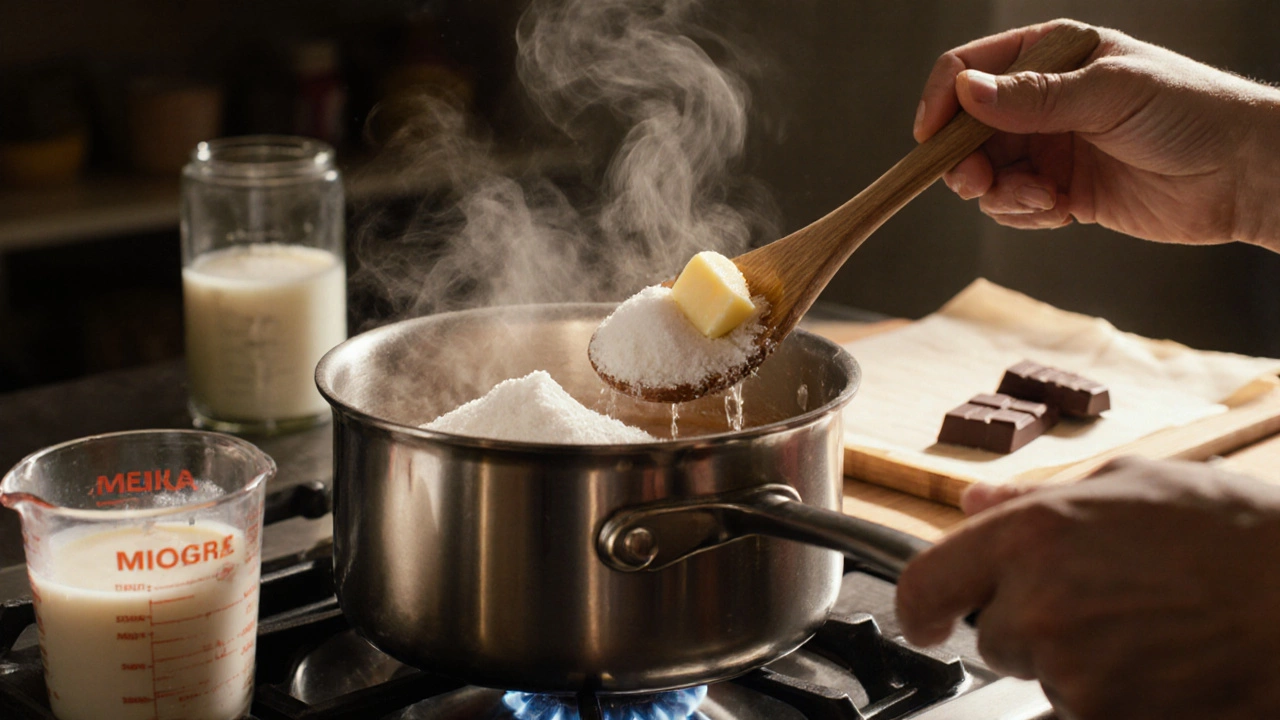
- Combine butter, sugar, and milk in a heavy saucepan. Heat over medium, stirring until butter melts.
- Bring the mixture to a rolling boil. Once it boils, attach a candy thermometer and keep the heat steady.
- Cook until the thermometer reads 234‑236 °F (112‑113 °C). This is the "soft‑ball" stage – the key to smooth fudge.
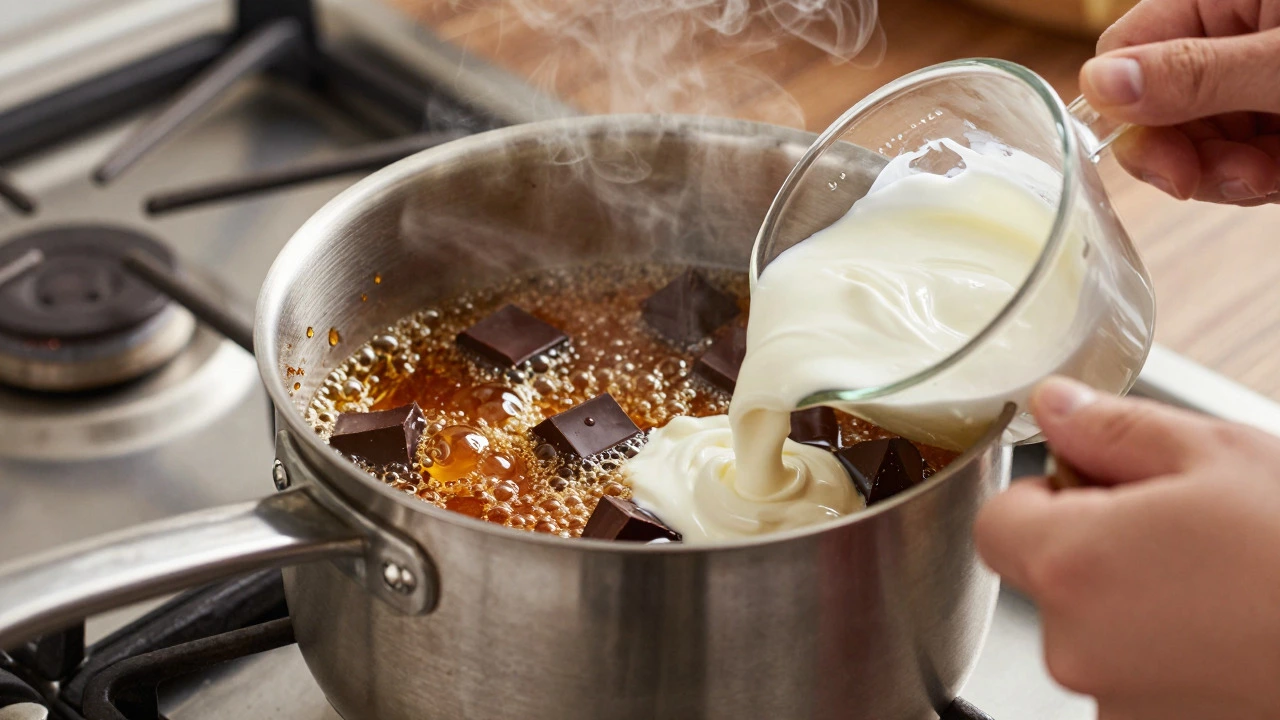
- Remove from heat. Quickly stir in the chocolate chips and vanilla until smooth. The mixture will thicken fast.
- Pour into an 8×8‑inch pan lined with parchment. Let it cool at room temperature, then chill for at least 2 hours before cutting.
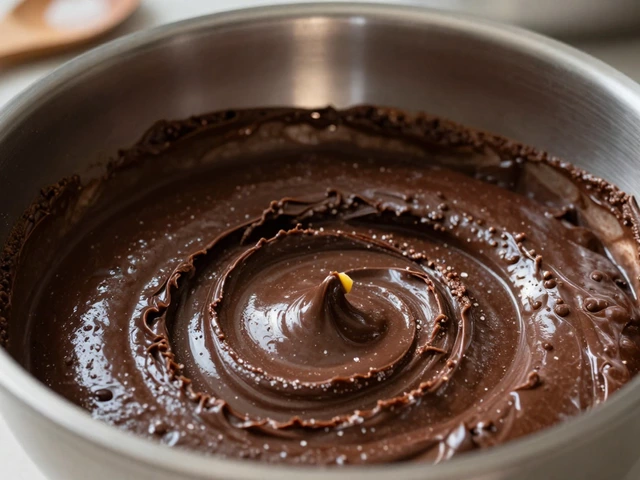
That’s it! The texture should be creamy and dense, not gritty. If you follow the temperature range, you’ll avoid most problems.
What to Do When Fudge Goes Wrong
Even with the right temperature, fudge can misbehave. Below are the most common issues and quick fixes.
Grainy texture – This usually means the sugar crystals re‑formed. Stir the mixture vigorously while it’s still hot, or add a splash of cream and beat until smooth. If it’s already set, grate the grainy fudge and melt it again with a little extra butter.
Too soft or runny – The fudge likely didn’t reach the soft‑ball stage. Return it to the stove, bring back to a boil, and heat an extra 5‑10 °F. You can also add a tablespoon of corn syrup to help it set.
Burnt flavor – Burned sugar gives a bitter taste. If you catch it early, transfer the mixture to a clean pan and reheat gently, stirring constantly. If the burnt taste is strong, it’s safest to start over.
For more creative rescue ideas, think about turning failed fudge into ice‑cream toppings, brownie swirls, or chocolate sauce. A grainy batch works great as a crunchy layer in a trifle.
Storing Your Fudge for Maximum Freshness
Proper storage keeps fudge soft for weeks. Cut the fudge into squares, then place them in an airtight container. A layer of wax paper between pieces prevents them from sticking together.
Store the container in a cool, dry spot – the pantry works if it stays below 75 °F (24 °C). If you live in a warm climate, pop the container in the refrigerator. Fudge will stay good for up to three weeks chilled, and even longer in the freezer (up to six months). Just let it come to room temperature before serving for the best texture.
Want to add flavor twists? Fold in toasted nuts, dried fruit, or a pinch of sea salt right after you stir in the chocolate. For a fun holiday version, swirl in white chocolate or sprinkle crushed candy canes on top before the fudge sets.
Now you have a reliable recipe, a toolbox for fixing mishaps, and storage tips to keep your homemade fudge delicious. Grab your saucepan and give it a go – perfect fudge is just a few steps away!