

Gluten-Free Flour Blend Calculator
Create Your Ideal Gluten-Free Blend
Select your cake type and desired flour quantity to get the optimal blend ratio based on baking science from the article.
Recommended Blend
Optimal RatioRice Flour:
Tapioca Starch:
Potato Starch:
Almond Flour:
Additional Tips:
A gluten-free cake isn’t just a cake without wheat-it’s a whole different kind of baking. If you’ve ever tried to swap regular flour for a gluten-free mix and ended up with a crumbly, dry mess, you’re not alone. Gluten gives structure and chew to traditional cakes. Take it away, and you need to rebuild the whole foundation. That’s where the real work begins.
What Exactly Is Gluten?
Gluten is a protein found in wheat, barley, rye, and sometimes oats (if they’re processed with gluten-containing grains). It’s what makes bread stretchy and cakes rise evenly. When you mix flour with water and knead it, gluten forms a network that traps air bubbles from yeast or baking powder. That’s how your cake gets its light, airy texture.
For people with celiac disease, eating gluten triggers an immune response that damages the small intestine. Others have non-celiac gluten sensitivity, which causes bloating, fatigue, or brain fog. Then there are those who just prefer to avoid it. No matter the reason, baking a cake without gluten means you’re working with ingredients that don’t behave the same way.
How Is a Gluten-Free Cake Different?
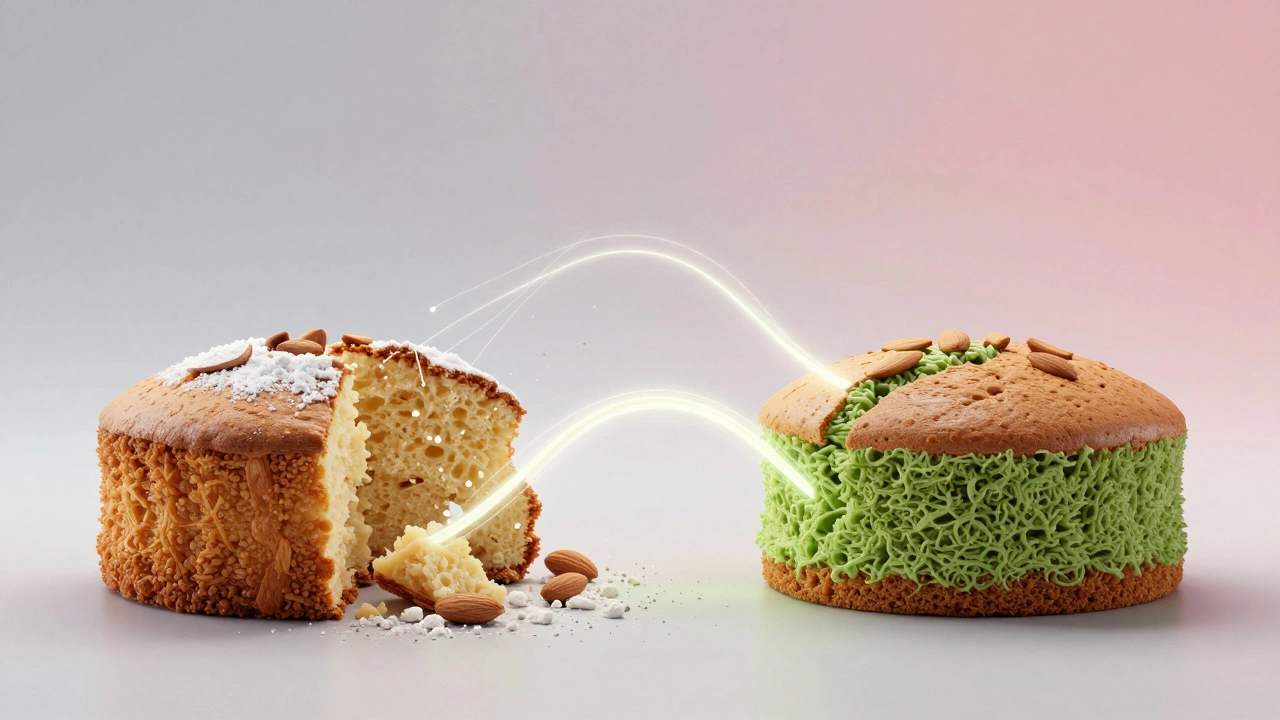
Gluten-free cakes often look and feel different. They might be denser. They can dry out faster. The crumb might be more granular than soft. That’s because gluten-free flours-like rice flour, almond flour, or tapioca starch-don’t form that elastic network. Without it, moisture escapes quicker, and the structure collapses more easily.
But here’s the good news: a well-made gluten-free cake can be just as moist, rich, and delicious as any traditional one. The trick isn’t just swapping flour. It’s balancing textures, adding binders, and controlling moisture.
What Flours Are Used in Gluten-Free Cakes?
You won’t find wheat flour in a gluten-free cake. Instead, bakers use blends of alternative flours and starches. Here are the most common ones:
- Rice flour (white or brown) - neutral taste, fine texture, but can be gritty if used alone.
- Almond flour - adds richness and moisture, great for dense cakes like flourless chocolate cake.
- Cassava flour - close to wheat flour in texture, works well in sponge cakes.
- Tapioca starch - adds chew and helps bind ingredients together.
- Potato starch - light and fluffy, but can make cakes gummy if overused.
- Oat flour - only if certified gluten-free; adds a mild sweetness and soft crumb.
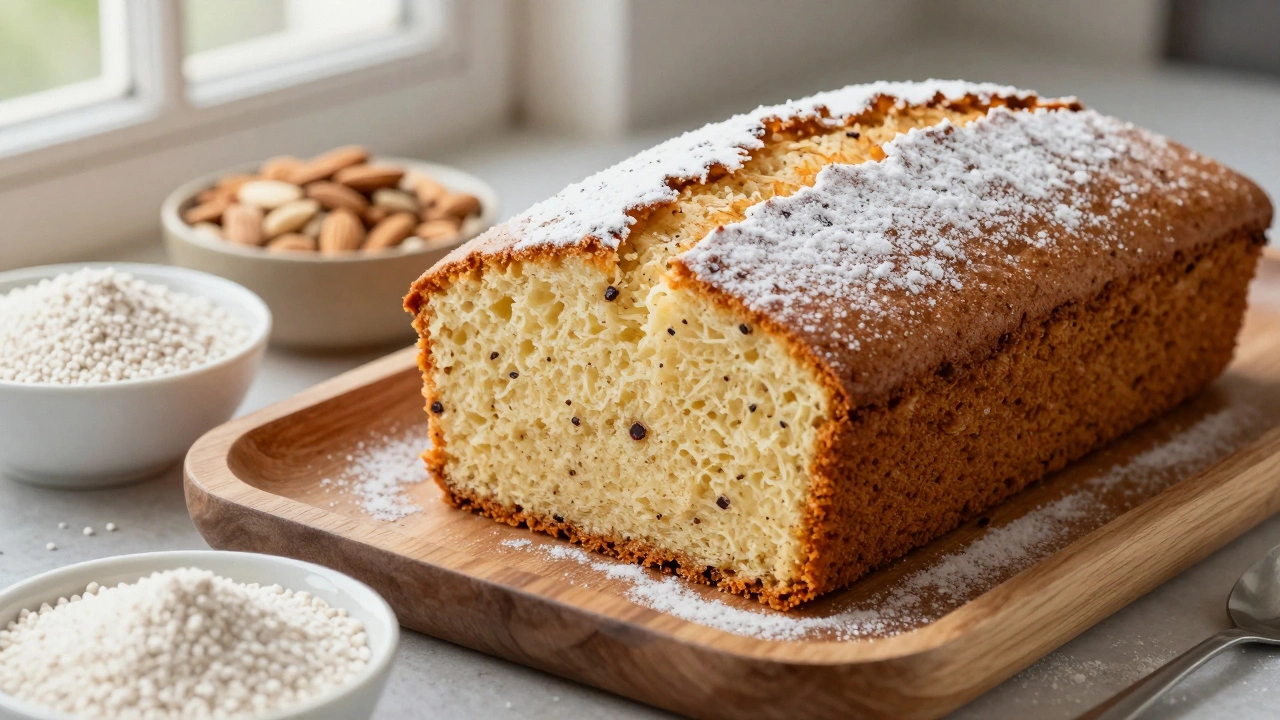
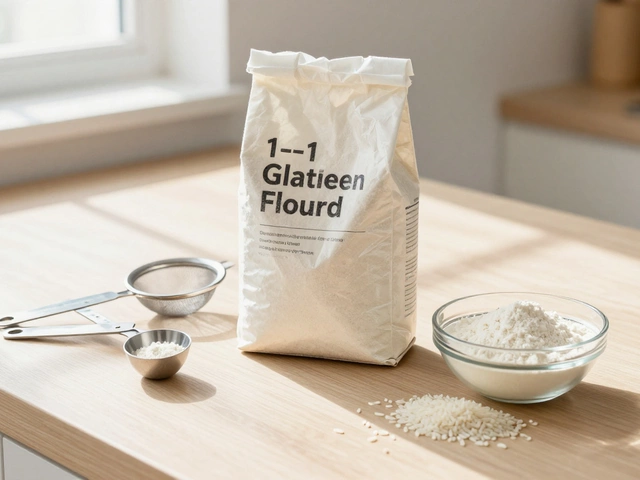
Most recipes use a blend of 3-5 of these. A typical mix might be 40% rice flour, 30% tapioca starch, 20% potato starch, and 10% almond flour. Pre-mixed gluten-free flour blends (like Bob’s Red Mill 1-to-1 or King Arthur Measure for Measure) are designed to replace wheat flour cup-for-cup, which makes them beginner-friendly.
Why Do Gluten-Free Cakes Need Binders?
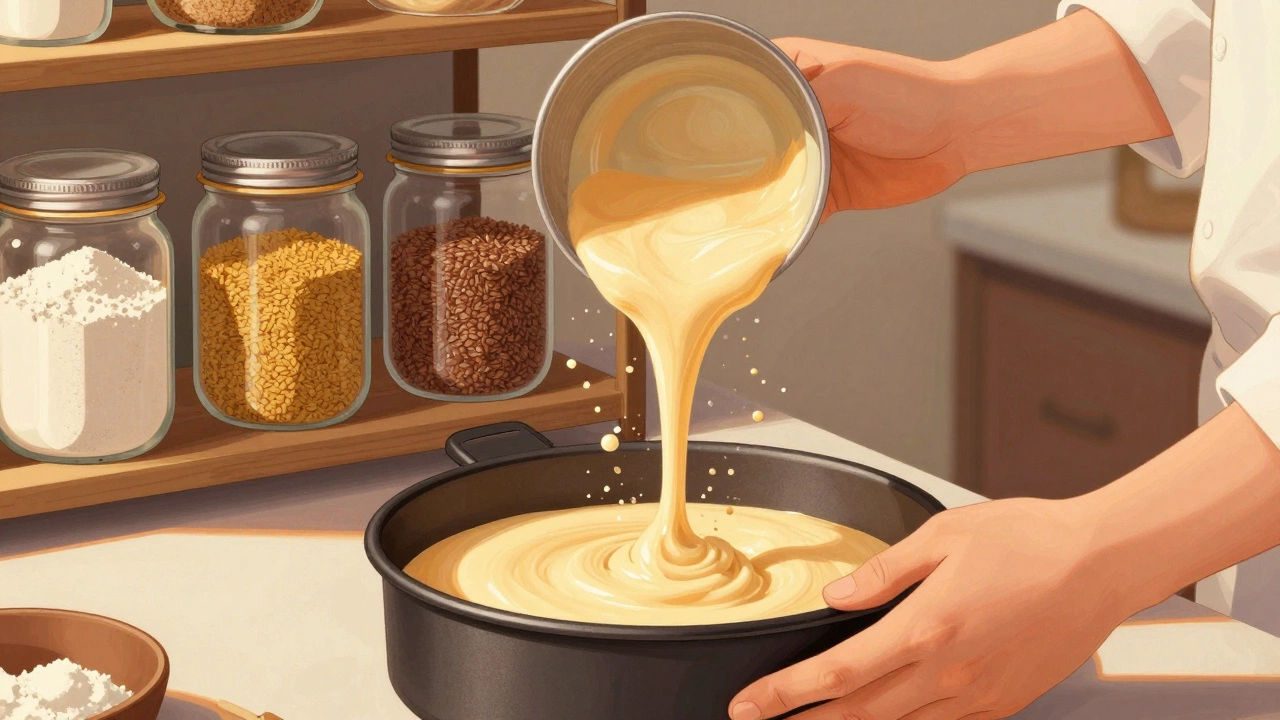
Without gluten, cakes fall apart. That’s where binders come in. They replace the sticky, stretchy quality gluten provides. The most common binders are:
- Xanthan gum - the gold standard. Just 1/2 to 1 teaspoon per cup of flour blend holds everything together. It’s what makes your cake slice cleanly instead of crumbling.
- Guar gum - similar to xanthan but less powerful. Some people prefer it for a milder texture.
- Psyllium husk - adds fiber and structure. Works well in denser cakes like carrot cake.
- Flaxseed meal or chia seeds - mixed with water to form a gel. Used in vegan gluten-free cakes as an egg substitute and binder.
Don’t skip the binder. A cake without it will crumble in your hands. Even if your flour blend claims to be “ready to use,” check the label. Many still require you to add xanthan gum separately.
How to Keep Gluten-Free Cakes Moist
Dryness is the #1 complaint about gluten-free cakes. Here’s how to fix it:
- Add extra fat - butter, oil, or coconut milk help retain moisture. A little extra oil (1-2 tablespoons) makes a big difference.
- Use sour cream or yogurt - these add acidity and moisture. Greek yogurt works great in vanilla or lemon cakes.
- Don’t overbake - gluten-free cakes brown faster but can still be raw inside. Always check with a toothpick at the minimum bake time.
- Brush with simple syrup - after baking, poke holes in the warm cake and drizzle a mix of equal parts sugar and water. It soaks in and keeps it moist for days.
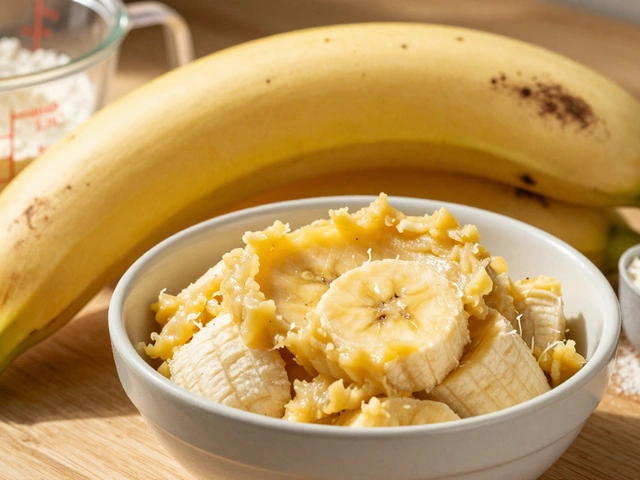
One trick I learned from a baker in Wellington: adding a mashed banana or applesauce doesn’t just add sweetness-it traps moisture like a sponge. Works wonders in chocolate or spice cakes.
Common Mistakes to Avoid
Even experienced bakers mess up gluten-free cakes. Here’s what goes wrong most often:
- Using only one type of flour - rice flour alone = gritty. Almond flour alone = greasy. Blends work.
- Not measuring by weight - gluten-free flours vary in density. A cup of almond flour can weigh 100g or 120g depending on how you scoop it. Use a scale.
- Skipping the rest time - let the batter sit for 15-20 minutes before baking. This lets the flours absorb liquid and improves texture.
- Overmixing - gluten-free batters don’t need kneading. Mix just until combined. Overmixing makes cakes gummy.
- Using expired baking powder - gluten-free cakes rely more on leavening. Old powder = flat cake.
Best Gluten-Free Cake Recipes to Try
Some cakes are naturally easier to make gluten-free:
- Flourless chocolate cake - uses eggs and chocolate as the base. No flour needed. Rich, dense, and foolproof.
- Carrot cake - the moisture from carrots and pineapple hides any dryness. Add walnuts for crunch.
- Lemon blueberry cake - citrus and fruit add natural moisture. Works great with almond flour.
- Red velvet cake - the cocoa and buttermilk help mask the texture differences. Use a blend with tapioca starch for that classic soft crumb.
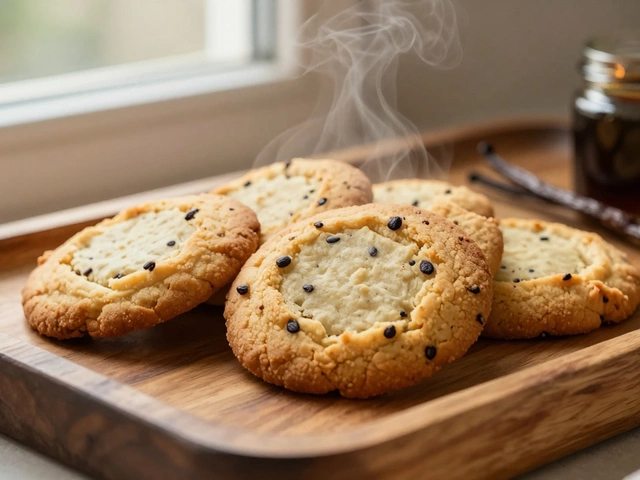
My favorite is a simple vanilla cake made with cassava flour, xanthan gum, coconut oil, and a touch of vanilla bean. It’s light, tender, and holds up under frosting better than any store-bought mix.
Can You Buy Gluten-Free Cakes?
Yes, but read labels carefully. Many store-bought “gluten-free” cakes still contain modified wheat starch or maltodextrin derived from wheat. Look for a certified gluten-free label (like GFCO or NSF). In New Zealand, products with the Crossed Grain symbol are safe.
Also, check for cross-contamination. A cake labeled gluten-free might be baked in a facility that also handles wheat. If you have celiac disease, that’s a risk. Stick to brands that use dedicated gluten-free kitchens.
Local bakeries in Auckland, like The Gluten-Free Kitchen in Ponsonby or Sweet Freedom in Newmarket, make excellent options. But even then, ask if they use separate tools and ovens.
Final Thoughts: It’s Not About Sacrifice
Gluten-free cake isn’t a compromise. It’s a different kind of baking. It demands attention to detail, but the results can be just as joyful. You don’t need to be a professional to get it right. Start with a trusted blend, add your binder, don’t overbake, and taste as you go.
The first time you make a gluten-free cake that’s moist, fluffy, and loved by everyone-even those who don’t need to avoid gluten-that’s when you know you’ve nailed it. And that’s the real reward.
Is a gluten-free cake the same as a sugar-free cake?
No. Gluten-free means no wheat, barley, or rye. Sugar-free means no added sugar. You can have a gluten-free cake that’s full of sugar, or a sugar-free cake that still contains gluten. They’re two different dietary needs.
Can I use regular cake mix and just skip the flour?
No. Regular cake mixes rely on wheat flour for structure. Removing it leaves you with a wet, unstable batter. Always use a gluten-free mix designed to replace flour, or make your own blend with binders.
Why does my gluten-free cake taste gritty?
You’re probably using too much rice flour or not sifting it well. Rice flour can be coarse. Try blending it with finer flours like tapioca or potato starch. Sift everything twice. Also, let the batter rest 15 minutes before baking-it helps soften the flour particles.
Do I need to refrigerate a gluten-free cake?
Not usually. Gluten-free cakes dry out faster in the fridge. Store them at room temperature in an airtight container for up to 3 days. If you need to keep it longer, freeze it. Wrap slices tightly in plastic, then in foil. They thaw beautifully.
Can I make a gluten-free cake without eggs?
Yes. Use flax eggs (1 tbsp ground flaxseed + 3 tbsp water per egg), chia eggs, or commercial egg replacers like Ener-G. Add an extra 1/4 tsp xanthan gum if you’re replacing eggs, since they also help with structure.




Write a comment