

Cookie Matchmaker
Select an occasion to see which cookie reigns supreme according to expert advice and regional trends.
Select an occasion above to find your match.
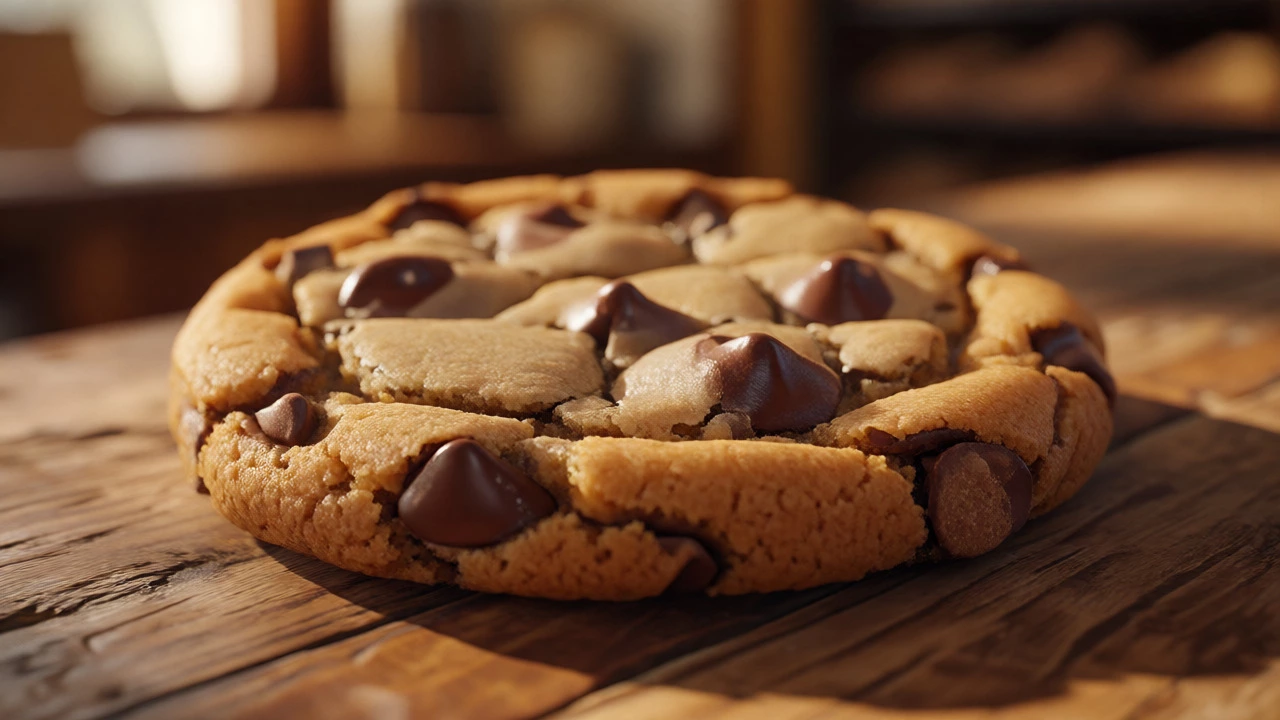
Walk into any bakery in Auckland, London, or New York, and you will see the same winner sitting on the front shelf. It isn't the delicate macaron or the dense brownie. It is the humble chocolate chip cookie, a baked good defined by its mix of buttery dough and semi-sweet chocolate chunks. If you are wondering what dominates global snack culture, the data points squarely at this classic. But "popular" means different things to different people. Are we talking about sales figures? Social media shares? Or just which one your kids actually eat?
This guide breaks down the real numbers behind cookie popularity. We look at why chocolate chips remain king, how regional tastes shift the rankings, and which rising stars are challenging the throne. You will learn what makes a cookie trend-worthy and how to bake the version that fits your specific craving.
The Undisputed King: Why Chocolate Chip Cookies Win
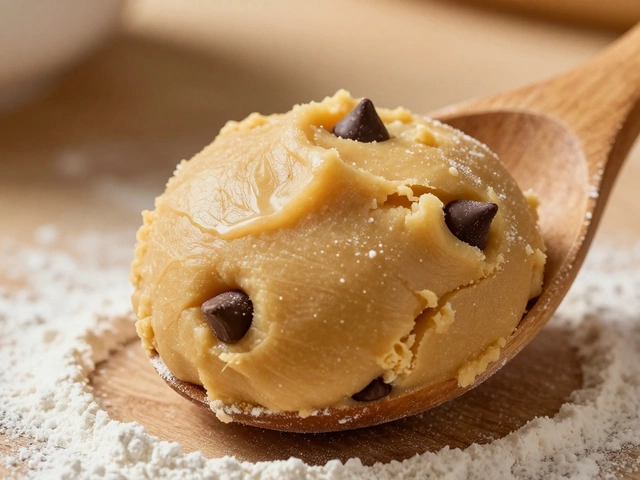
There is no contest when it comes to volume. The chocolate chip cookie holds the title for the most widely consumed cookie worldwide. This isn't just anecdotal; major food industry reports consistently place it at number one. In the United States alone, estimates suggest Americans consume billions of these cookies annually. Why does this simple combination of flour, sugar, butter, eggs, and chocolate chips maintain such dominance?
It comes down to textural contrast and flavor balance. The Maillard reaction during baking creates those golden-brown edges that taste like toasted nuts, while the center stays soft and chewy. Then you have the chocolate. Semi-sweet chips provide bursts of bitterness that cut through the sweetness of the dough. It’s a sensory experience that hits every note: sweet, salty, crunchy, and soft.
Ruth Wakefield invented this cookie in 1938 at the Toll House Inn in Massachusetts. She didn't set out to conquer the world; she just ran out of baker's chocolate and chopped up a Nestlé bar instead. That accidental innovation created a template that has survived nearly a century of culinary trends. From Dunkin' Donuts to high-end patisseries, everyone serves a variation of it. If you want to bake the definitive version, focus on using melted butter for chewiness and chilling your dough for at least 24 hours to deepen the flavor profile.
Regional Preferences: Where the Rankings Shift
While chocolate chips win globally, local palates change the leaderboard significantly. What flies off the shelves in Sydney might not sell in Seattle. Understanding these regional differences helps if you are baking for a diverse crowd or planning a menu.
| Region | #1 Preferred Cookie | Strong Contender | Key Flavor Profile |
|---|---|---|---|
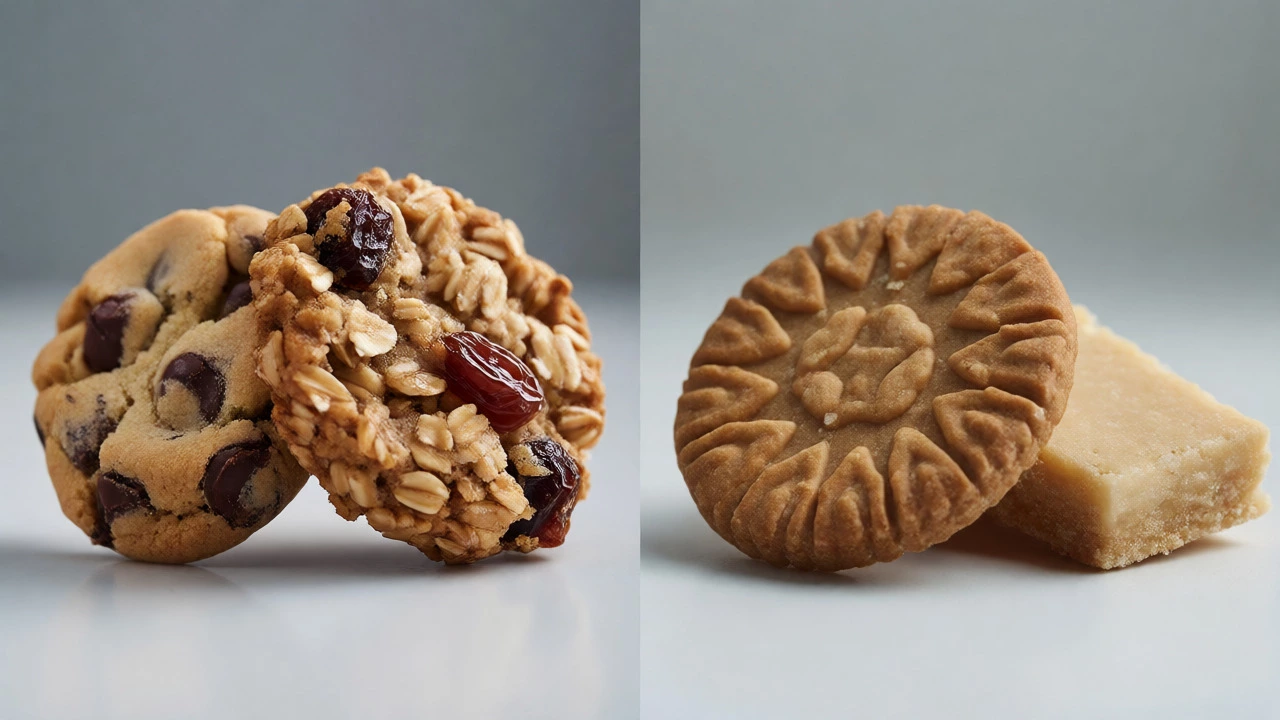
| United States | Chocolate Chip | Oatmeal Raisin | Sweet & Salty |
| New Zealand/Australia | Anzac Biscuit | Ginger Nut | Caramelized Oats |
| United Kingdom | Digestive/Biscuit | Shortbread | Buttery & Crumbly |
| Northern Europe | Gingerbread | Pepparkakor | Spicy & Warm |
In my home here in Auckland, the Anzac biscuit often rivals the chocolate chip cookie in cultural significance. Made with rolled oats, coconut, and golden syrup, it has a distinct caramelized crunch. While tourists might reach for the familiar chocolate chip, locals know Anzacs as the true taste of Kiwi comfort. They don’t spread easily, making them perfect for lunchboxes and hiking trips.
Across the Tasman Sea in Australia, the debate is fierce between Anzacs and Ginger Nuts. Meanwhile, in the UK, the term "cookie" is sometimes reserved for American-style soft-baked goods, while hard, crisp items are called biscuits. Digestives and Rich Tea dominate tea-time consumption there. If you are trying to impress British guests, a warm batch of shortbread often beats a tray of gooey chocolate chips.
The Rise of the Oatmeal Raisin Debate
No discussion about popular cookies is complete without addressing the polarizing oatmeal raisin. For years, market research placed it firmly in second place in North America. However, consumer sentiment tells a different story. It is frequently cited as the most hated cookie, yet it remains a top seller. How does that work?
The answer lies in health perception. Consumers buy oatmeal raisin because they believe it is a "healthier" option. Oats offer fiber; raisins offer natural sugars. Even though modern recipes often add excessive brown sugar and butter, the psychological halo effect keeps sales strong. Parents buy them for school lunches. Dieters pick them up thinking they are being virtuous.
From a baking perspective, the oatmeal raisin is tricky. If you overmix the dough, the gluten develops too much, resulting in a tough cookie. If you undercook them, they stay raw in the middle. The secret is hydration. Soak your raisins in hot water or rum for ten minutes before adding them to the dough. This plumps them up so they don't steal moisture from the rest of the cookie, ensuring a tender crumb rather than a dry, crumbly mess.
Trending Challengers: What’s Hot in 2026?
Popularity isn't static. Social media platforms like TikTok and Instagram drive rapid shifts in taste. In recent years, we’ve seen a surge in interest for visually striking and complex flavors. Here are three types that are currently gaining serious traction against the classics.
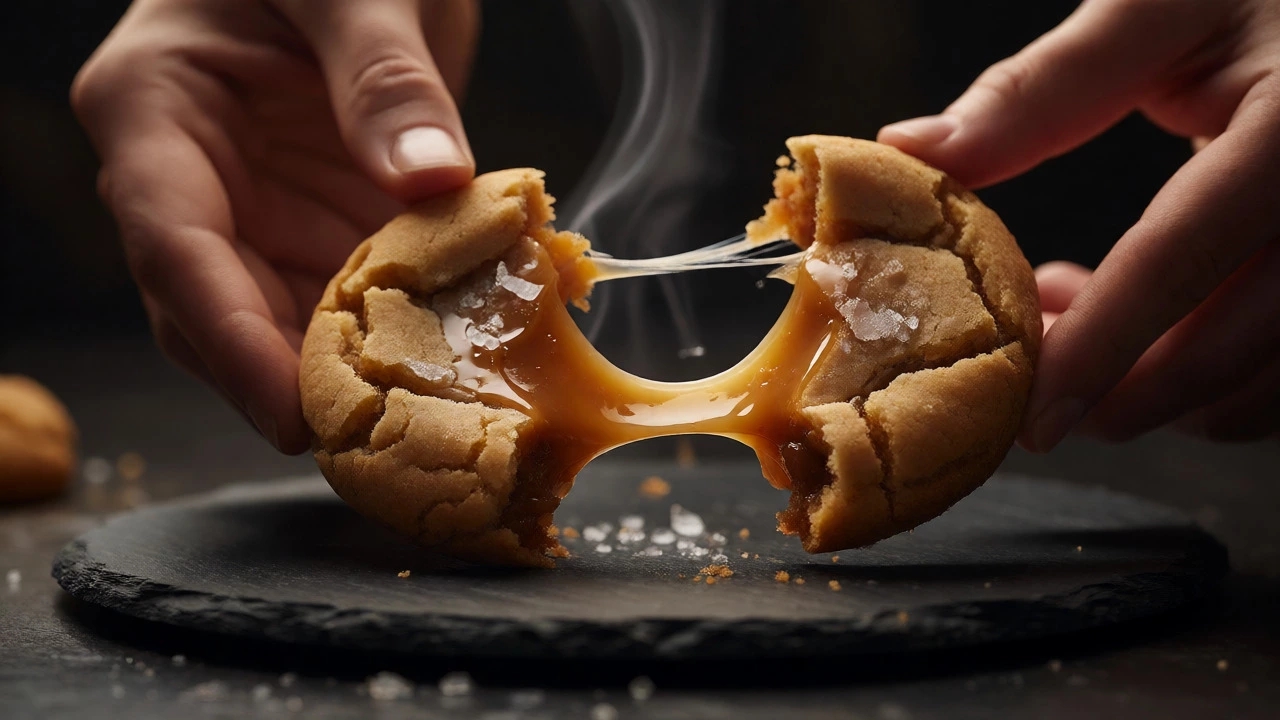
- Stuffed Cookies: These aren't just cookies with chips; they have a molten center filled with Nutella, peanut butter, or cream cheese. The visual appeal of the "pull-apart" shot drives massive engagement online. Brands like Levain Bakery popularized the tall, thick style, but home bakers are now creating thin-crust versions with giant centers.
- Double Chocolate Chunk: Unlike standard chocolate chip cookies, these use dark cocoa powder in the dough itself, paired with large shards of high-quality dark chocolate. They cater to the growing demographic of adults who prefer less sugar and more bitter notes.
- Brown Butter Cookies: This technique involves cooking butter until the milk solids turn nutty brown before mixing it into the dough. It adds an incredibly deep, toasty flavor that elevates even a simple sugar cookie recipe. It’s becoming a staple in high-end cafes looking for sophistication without complexity.
These trends reflect a broader move toward "premiumization." People are willing to pay more for ingredients that feel artisanal. Brown butter, single-origin chocolate, and sea salt flakes are no longer extras; they are expectations.
How to Choose the Right Cookie for Your Occasion
Selecting the "best" cookie depends entirely on context. Serving the wrong type can ruin a coffee break or a dessert table. Use this quick decision tree to match your cookie to the moment.
- For Kids’ Lunchboxes: Go with Snickerdoodles. They are sturdy, don't melt easily, and have a mild cinnamon-sugar flavor that appeals to young palates. Plus, they freeze well, so you can bake a big batch on Sunday and grab them all week.
- For Coffee Pairings: Choose Shortbread or Biscotti. Their low moisture content means they won't get soggy quickly when dipped. The buttery richness of shortbread complements black coffee, while the crunch of biscotti stands up to espresso.
- For Holiday Gifting: Make Gingerbread Men or Linzer Tarts. These hold their shape well in tins and ship safely. Decorative icing allows for personalization, which adds perceived value.
- For Impressing Foodies: Bake Salted Caramel Stuffed Cookies. The combination of sweet, salty, and gooey textures shows technical skill. Serve them warm with a scoop of vanilla bean ice cream for maximum impact.
Common Mistakes That Ruin Popularity
You can have the most popular recipe in the world and still fail if your execution is off. Here are the most frequent errors I see in home kitchens.
Using cold butter: Unless a recipe specifically calls for cold butter (like for pie crusts), room-temperature butter is crucial for creaming. Cold butter doesn't incorporate air properly, leading to dense, flat cookies. Take your butter out of the fridge an hour before you start.
Overbaking: Most people pull cookies out when they look done. But carryover cooking continues on the hot sheet pan. Remove them when the edges are set but the centers still look slightly underdone. They will firm up as they cool. If they look fully cooked in the oven, they will be rock-hard on the plate.
Ignoring ingredient quality: Since cookies have few ingredients, bad ingredients stand out. Use real vanilla extract, not imitation. Use European-style butter with higher fat content for richer flavor. And please, stop buying pre-chopped chocolate chips that contain stabilizers to keep their shape. Chop up a bar of real chocolate for pools of melty goodness.
Frequently Asked Questions
What is the #1 selling cookie brand?
Globally, brands like Chips Ahoy! and Oreo dominate mass-market sales due to distribution networks. However, in terms of specific cookie types, the chocolate chip variety remains the top-selling format across both commercial and homemade sectors. Regional leaders vary, with Arnott's owning significant share in Australia/NZ and Walkers in the UK.
Why are chocolate chip cookies so popular?
They offer a perfect balance of textures (crunchy edges, chewy centers) and flavors (sweet dough, bitter chocolate). The nostalgia factor is also huge; for many, it is the first cookie they ever learned to bake or eat. Additionally, the recipe is highly adaptable, allowing for endless variations like adding bacon, pretzels, or different types of chocolate.
Is oatmeal raisin really unpopular?
It is polarizing. Many people dislike the texture of raisins or find them too healthy-tasting. However, sales data shows it consistently ranks in the top five sold cookies. This discrepancy exists because people often buy them for others (children, dieters) rather than themselves, or they enjoy well-executed versions where the raisins are plump and the spices are balanced.
What is the difference between a cookie and a biscuit?
In the US, "cookie" refers to any sweet baked good, whether soft or hard. In the UK, Australia, and NZ, "biscuit" usually refers to hard, crisp, or crumbly items (like digestive or ginger nuts), while "cookie" is reserved for softer, thicker, American-style treats. Technically, both fall under the broad category of small, flat, sweet baked goods.
Which cookie is easiest to make for beginners?
The drop cookie method used for chocolate chip or snickerdoodles is the easiest. You mix ingredients in one bowl, scoop onto a tray, and bake. No rolling, cutting, or intricate shaping is required. Peanut butter cookies are also very forgiving because the dough is sticky and easy to handle, and mistakes in measurement are less noticeable in the final taste.


Write a comment