

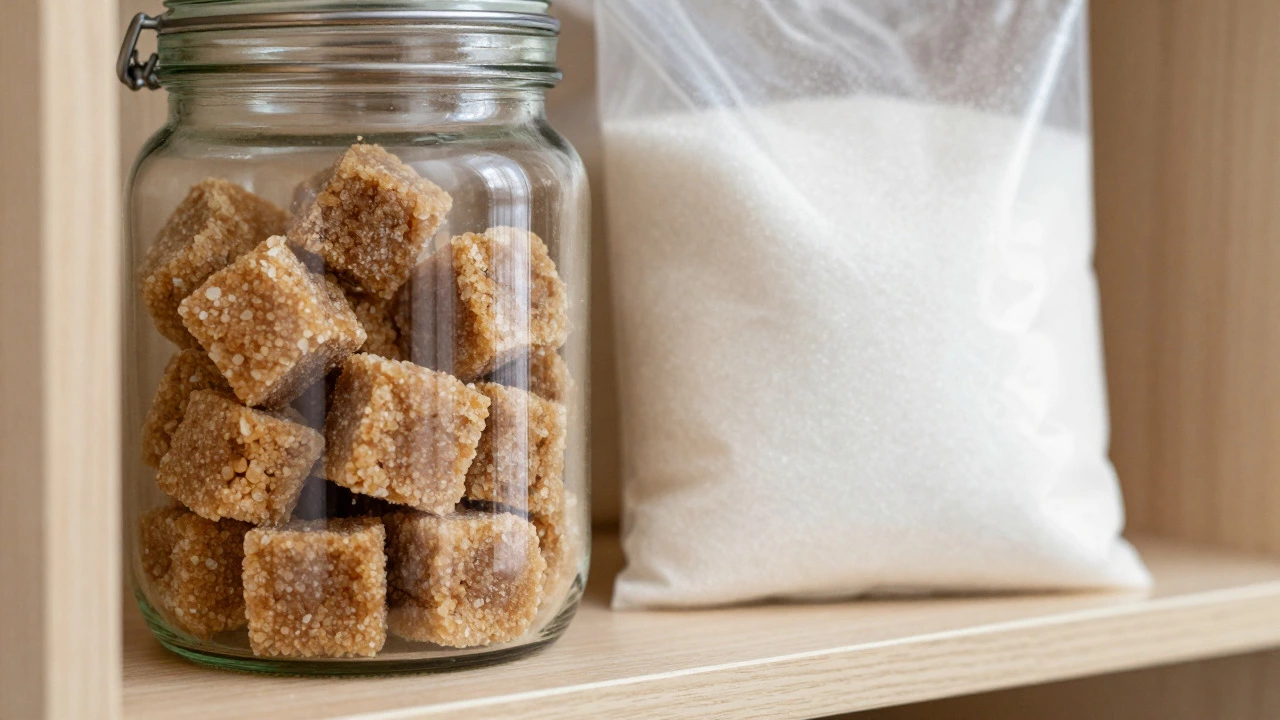
Brown Sugar Substitute Calculator
Choose your substitute method:
White Sugar + Molasses
The gold standard. Closest match to original brown sugar.
Soft & ChewyNo Adjustments
White Sugar + Honey
Adds floral notes. Reduces shelf life slightly but keeps moisture.
Very Soft & MoistReduce Liquid
White Sugar + Maple Syrup
Autumnal sweetness. Great for oatmeal or spice cookies.
Moist & DenseReduce Liquid
White Sugar Only
For crisp, thin cookies. Clean vanilla-forward flavor.
Crisp & ThinLeavening Change
Ever opened your pantry, reached for the brown sugar, and found only a stale, rock-hard block left behind? Or maybe you’re trying to bake homemade cookies baked goods made from flour, fat, and sweeteners with what you have on hand, wondering if skipping that ingredient will ruin the whole batch. The short answer is yes, it’s okay. But knowing *why* changes how you fix it.
Brown sugar isn’t just sweet; it’s a functional ingredient. It contains molasses, which adds moisture, acidity, and depth. When you remove it, you aren’t just swapping one sweetener for another-you’re changing the chemical environment of the dough. If you want soft, chewy cookies, you need to replace that moisture. If you want crisp, snap-worthy edges, removing brown sugar might actually help. Let’s break down exactly what happens when you leave it out and how to adjust your recipe so your cookies still taste amazing.
The Science: Why Brown Sugar Matters
To understand substitutions, you first need to know what Brown Sugar granulated sucrose coated with molasses actually does in a cookie. It’s not magic; it’s chemistry. Brown sugar is roughly 95% sucrose and 5% molasses (for light brown) or up to 10% (for dark). That molasses content brings three critical elements:
- Moisture: Molasses is hygroscopic, meaning it attracts and holds water. This keeps cookies soft longer.
- Acidity: Molasses is slightly acidic. This acidity reacts with leavening agents like baking soda to create carbon dioxide bubbles, helping cookies rise.
- Flavor Complexity: It provides caramel, toffee, and burnt sugar notes that plain white sugar lacks.
When you use only White Granulated Sugar pure sucrose crystals without molasses, you lose all three attributes. The result? Cookies tend to spread more, become thinner, and develop crisper edges. They also lack that deep, rich flavor profile. However, this isn’t necessarily bad. Many people prefer the clean, vanilla-forward taste of white sugar cookies.
What Happens If You Just Omit It?
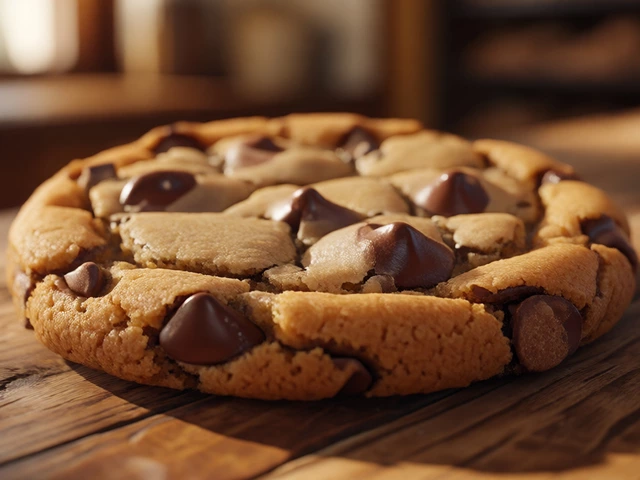
If a recipe calls for 1 cup of brown sugar and you simply delete it, your cookies will likely be dry, pale, and overly crisp. Without the extra liquid in the molasses, the dough has less hydration. During baking, the sugars caramelize faster, leading to darker, harder edges before the center is fully set. The interior can end up cakey or tough rather than tender.
But here’s the good news: you don’t have to buy new ingredients to fix this. You can mimic the effects of brown sugar using common household items. The key is balancing moisture and flavor.
Best Substitutes for Brown Sugar in Cookies
Depending on what you have in your kitchen, here are the most effective ways to replace brown sugar. Each option affects texture and flavor differently, so choose based on your goal.
1. White Sugar + Molasses (The Gold Standard)
This is the closest match. For every 1 cup of brown sugar, use 1 cup of white granulated sugar plus 1 tablespoon of Molasses a thick, dark syrup derived from sugarcane. This replicates the exact moisture and acidity levels. The flavor will be nearly identical to the original recipe. If you don’t have molasses, this is the only time you might consider buying a small bottle, as it’s versatile for other recipes too.
2. White Sugar + Honey or Maple Syrup
If you want a different flavor profile, honey or maple syrup works well. However, because they add significant liquid, you must reduce other liquids in the recipe. For every 1 cup of brown sugar, use 1 cup of white sugar plus 1 tablespoon of honey or maple syrup, and reduce any other liquid (like milk or butter) by 1 tablespoon. Honey adds floral notes, while maple syrup gives a distinct autumnal sweetness. Both keep cookies moist but may alter the color slightly-honey tends to make cookies darker.
3. White Sugar + Corn Syrup or Golden Syrup
In New Zealand, golden syrup is a staple. It’s an excellent substitute because it’s neutral in flavor compared to honey. Use 1 cup of white sugar plus 1 tablespoon of golden syrup per cup of brown sugar required. Again, reduce other liquids by 1 tablespoon. This method produces very soft, chewy cookies with a glossy finish. It’s particularly effective in chocolate chip cookies where you want that gooey center.
4. Just White Sugar (For Crispier Cookies)
If you don’t mind a textural change, you can swap brown sugar directly for white sugar at a 1:1 ratio. No other adjustments needed. The cookies will be thinner, crisper, and lighter in color. This is ideal if you prefer sandwich cookies or those delicate, lace-like shortbread styles. Just expect a shorter shelf life; these cookies go stale faster because they lack the moisture-retaining properties of molasses.
| Substitute Method | Texture Result | Flavor Impact | Adjustment Needed |
|---|---|---|---|
| White Sugar + Molasses | Soft & Chewy | Identical to Original | None |
| White Sugar + Honey | Very Soft & Moist | Floral Notes | Reduce liquid by 1 tbsp/cup |
| White Sugar + Golden Syrup | Gooey & Dense | Neutral/Sweet | Reduce liquid by 1 tbsp/cup |
| White Sugar Only | Crisp & Thin | Plain/Clean | None |
How Leavening Agents Change the Game
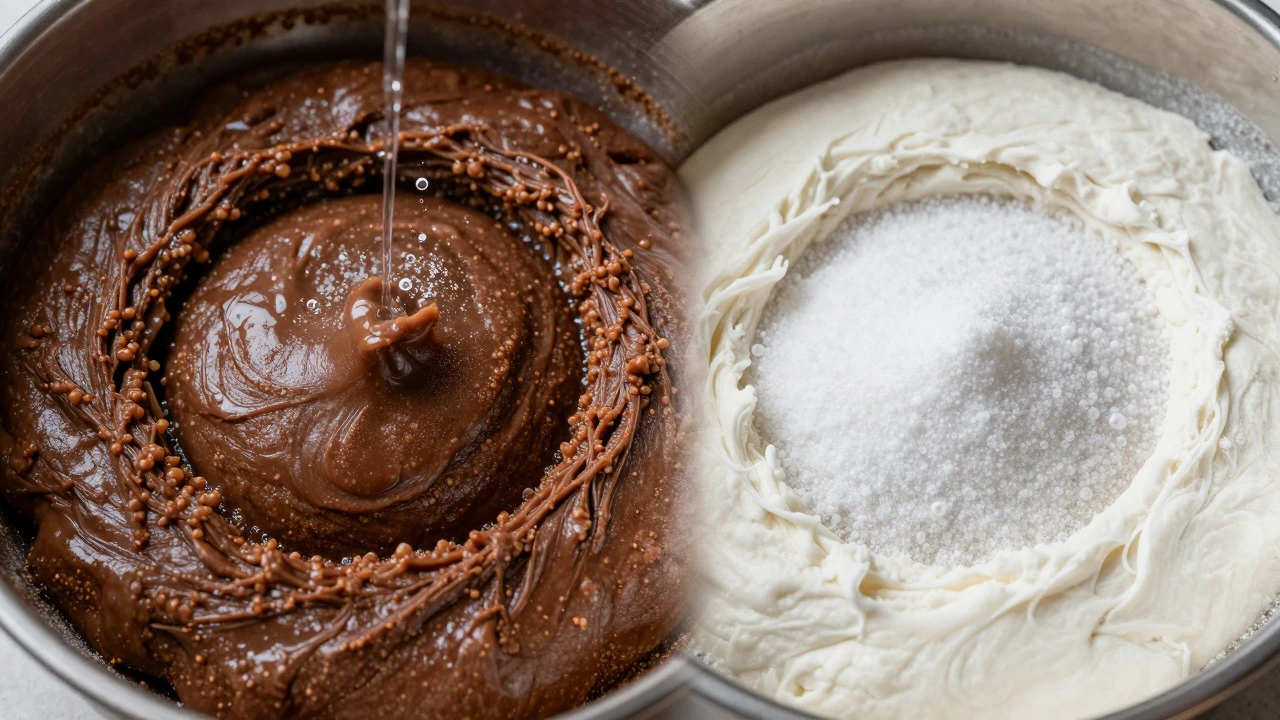
Many bakers overlook this, but the type of leavening agent you use interacts directly with the sugar. Most standard cookie recipes use Baking Soda sodium bicarbonate, a base that requires acid to activate. Baking soda needs an acid to react properly. Brown sugar provides that acid via molasses. If you switch to white sugar, you lose that natural acid source.
So, if you’re using white sugar instead of brown, consider switching from baking soda to Baking Powder a combination of baking soda, cream of tartar, and starch. Baking powder already contains its own acid, so it doesn’t rely on the sugar for activation. A good rule of thumb: for every 1 teaspoon of baking soda in a recipe that originally used brown sugar, replace it with 1.5 teaspoons of baking powder when using white sugar. This ensures your cookies still rise evenly and don’t taste metallic or bitter.
Pro Tips for Perfect Substitutions
Baking is part science, part art. Here are some practical tips to ensure your substitution works flawlessly:
- Weigh Your Ingredients: Cups can be inaccurate. If you have a kitchen scale, weigh your white sugar (approx. 200g per cup) and measure liquids precisely. This consistency matters more when altering ratios.
- Watch the Oven: Substituted sugars can bake differently. Check your cookies 2 minutes before the timer goes off. Edges should be golden, but centers should still look slightly underdone. They’ll firm up as they cool.
- Chill the Dough: Regardless of sugar type, chilling dough for at least 30 minutes helps prevent excessive spreading. This is especially important when using white sugar, which spreads more readily.
- Store Properly: Cookies made with white sugar-only substitutes stay fresh for about 3 days. Those with added syrups or molasses last up to 5 days. Keep them in an airtight container with a piece of bread to maintain moisture if they seem too crisp.
When to Stick with White Sugar
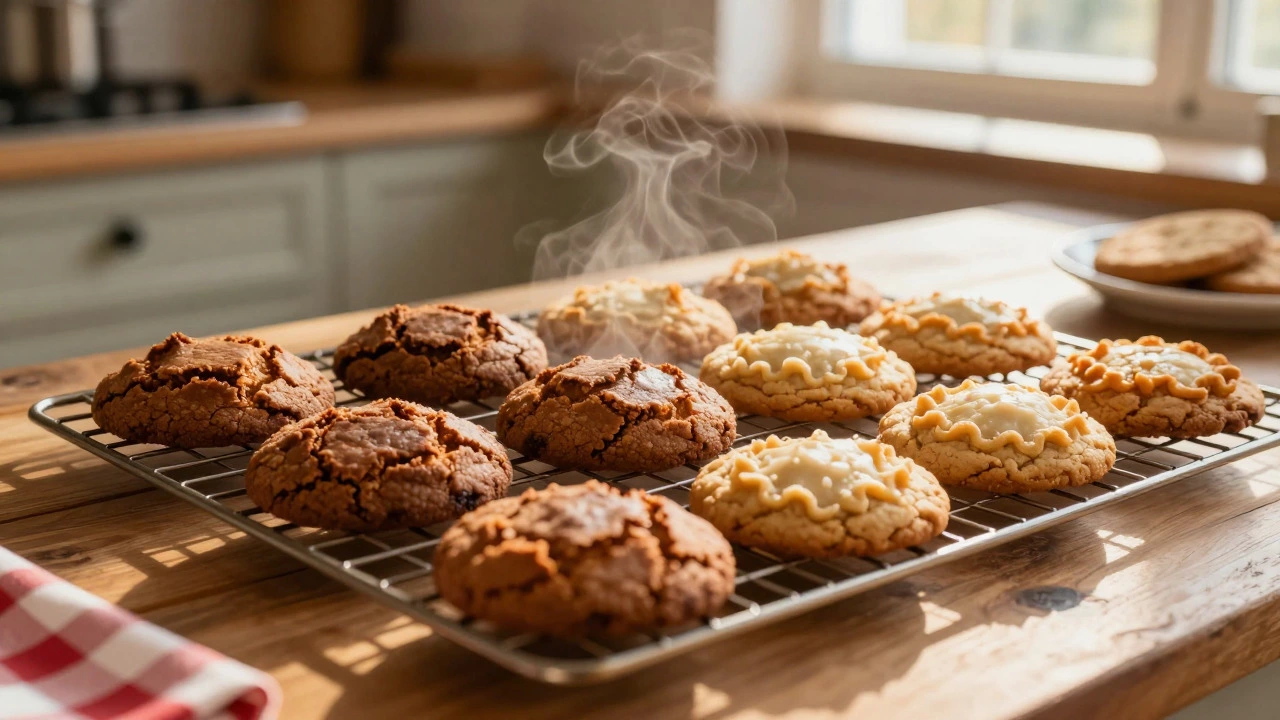
Sometimes, no brown sugar is exactly what you want. If you’re making lemon cookies, almond biscuits, or classic shortbread, white sugar is often preferred. These recipes benefit from a clean, non-intrusive sweetness that lets the primary flavors shine. Brown sugar can muddy delicate citrus or nutty notes. In these cases, omitting brown sugar isn’t a compromise-it’s a design choice.
Also, if you’re baking for someone with a specific dietary preference who dislikes the earthy taste of molasses, white sugar offers a safer, more universally accepted flavor profile. It’s all about matching the ingredient to the intended outcome.
Frequently Asked Questions
Can I use caster sugar instead of brown sugar in cookies?
Yes, but the texture will be finer and potentially drier. Caster sugar dissolves faster, which can lead to smoother dough but less structure. If using caster sugar, add 1 teaspoon of cornstarch per cup to help stabilize the texture and prevent excessive spreading.
Will my cookies be flat if I don't use brown sugar?
They might spread more, appearing flatter. White sugar melts faster in the oven, causing the dough to spread before it sets. To combat this, chill your dough thoroughly and ensure your butter is cold, not room temperature, when mixing.
Does brown sugar make cookies softer?
Yes. The molasses in brown sugar retains moisture during baking and storage. This results in a chewier, softer center compared to the crispier texture produced by white sugar alone.
Can I use demerara sugar as a substitute?
Demerara sugar is essentially raw cane sugar with large crystals. It works well as a topping for crunch, but inside the dough, it behaves similarly to white sugar. It won’t provide the same moisture as brown sugar, so treat it like a white sugar substitute for texture purposes.
What is the best way to store leftover brown sugar?
Keep it in an airtight container with a piece of apple or bread. The moisture from the fruit or bread rehydrates the hardened sugar. Alternatively, microwave a bowl of water and place the sugar jar next to it to release steam, then stir the sugar until loose.


Write a comment