

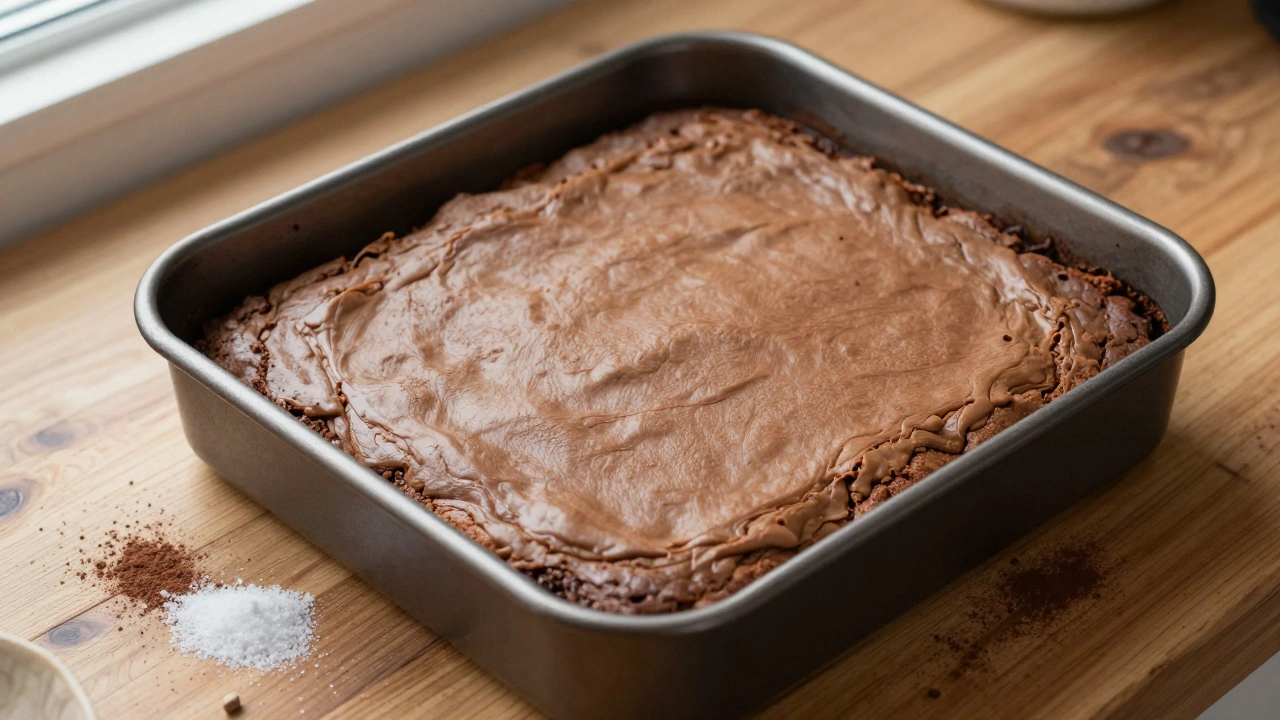
Brownie Crust Fixer & Predictor
Describe Your Situation:
What Exactly Causes a Pale Brownie Top?
Before we jump into the fixes, we have to pinpoint the culprit. Most of the time, the lack of a shiny crust comes down to the sugar. If you use too little sugar, or if the sugar doesn't dissolve into the eggs, you won't get that glossy finish. Sugar is a hygroscopic substance, meaning it attracts water, and when combined with eggs, it creates the meringue-like layer that characterizes a classic fudge brownie.
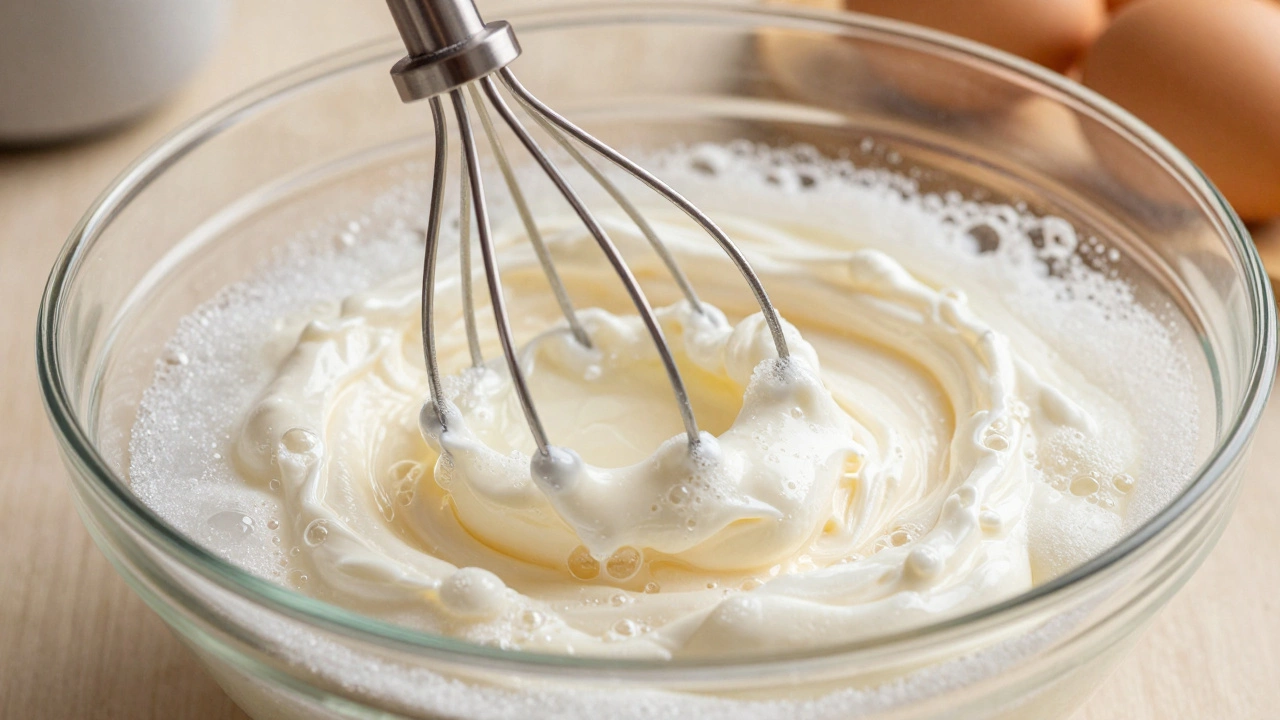
Another common reason is the temperature of your ingredients. If your eggs are ice-cold from the fridge, they won't emulsify with the melted fat and sugar as effectively. This leads to a separation where the fat stays at the bottom and the sugar stays clumped, resulting in a matte, pale appearance. Finally, under-mixing the eggs and sugar is a classic mistake. You don't need to whip them for ten minutes, but they need enough agitation to create those tiny air bubbles that eventually pop and create the crackle.
How to Fix Pale Brownies Already in the Oven
If you've just peeked through the oven glass and noticed your brownies look a bit ghostly, don't panic. You can't magically change the chemistry of the batter once it's set, but you can manipulate the finish. One trick is to increase the heat by 10-15 degrees for the last five minutes of baking. This can help caramelize the sugars on the surface, giving you a deeper color and a slight crispiness.
If they are already out of the oven and look pale, the best move is to use a glaze. A simple ganache (equal parts chocolate and cream) poured over the top will hide the pale surface and add a professional, glossy sheen. If you want something lighter, a dusting of cocoa powder or a drizzle of salted caramel can distract the eye from the lack of a natural crust.
The Golden Rules for a Shiny, Crackly Crust
If you want to avoid the pale look from the start, you need to change your technique. The secret lies in the emulsion process. Here is the step-by-step method to ensure a perfect top every time:
- Warm Your Eggs: Place your eggs in a bowl of warm water for 5-10 minutes before cracking them. Warm eggs bond with melted butter and sugar much more effectively.
- The Beat-Down: Once you add your eggs and sugar to the melted chocolate/butter mixture, beat them vigorously. Use a whisk or a hand mixer for about 2-3 minutes. You are looking for the batter to lighten in color and become slightly fluffy.
- Dissolve the Sugar: Ensure your sugar is fully integrated. If you see granules on the sides of the bowl, keep mixing. Undissolved sugar leads to a grainy, pale texture.
- Sift Your Dry Ingredients: When adding the cocoa powder and flour, fold them in gently. If you overmix at this stage, you'll knock out the air you just worked so hard to get into the eggs, which can flatten the top.
Comparing Ingredients: Which Ones Help the Crust?
Not all sugars and chocolates are created equal. Depending on what you put in the bowl, your results will vary. For example, using brown sugar instead of white sugar will give you a deeper color, but it might actually reduce the "crackliness" because brown sugar contains molasses, which makes the top more moist and chewy than crisp.
| Ingredient | Effect on Top | Resulting Texture |
|---|---|---|
| White Granulated Sugar | High Shine / Crackly | Crisp, meringue-like skin |
| Brown Sugar | Deep Color / Matte | Fudgy, moist, and dense |
| Dutch-Process Cocoa | Darker, uniform color | Smooth, rich chocolate finish |
| Natural Cocoa Powder | Lighter brown | Slightly more acidic/tangy |
Common Pitfalls to Avoid
Avoid the temptation to add too much flour. If your batter is too thick, the sugar and eggs can't migrate to the surface during the baking process. This "traps" the meringue layer inside the brownie, leaving you with a flat, pale top. Your batter should be thick, but it should still feel like it can flow slightly.
Another mistake is using a pan that is too large. If the batter is spread too thin, the moisture evaporates too quickly, and the sugars don't have time to form that glossy film before the brownie dries out. Stick to the pan size recommended in your recipe-usually an 8x8 or 9x9 inch square pan for a standard batch.
Pro Tips for the Ultimate Finish
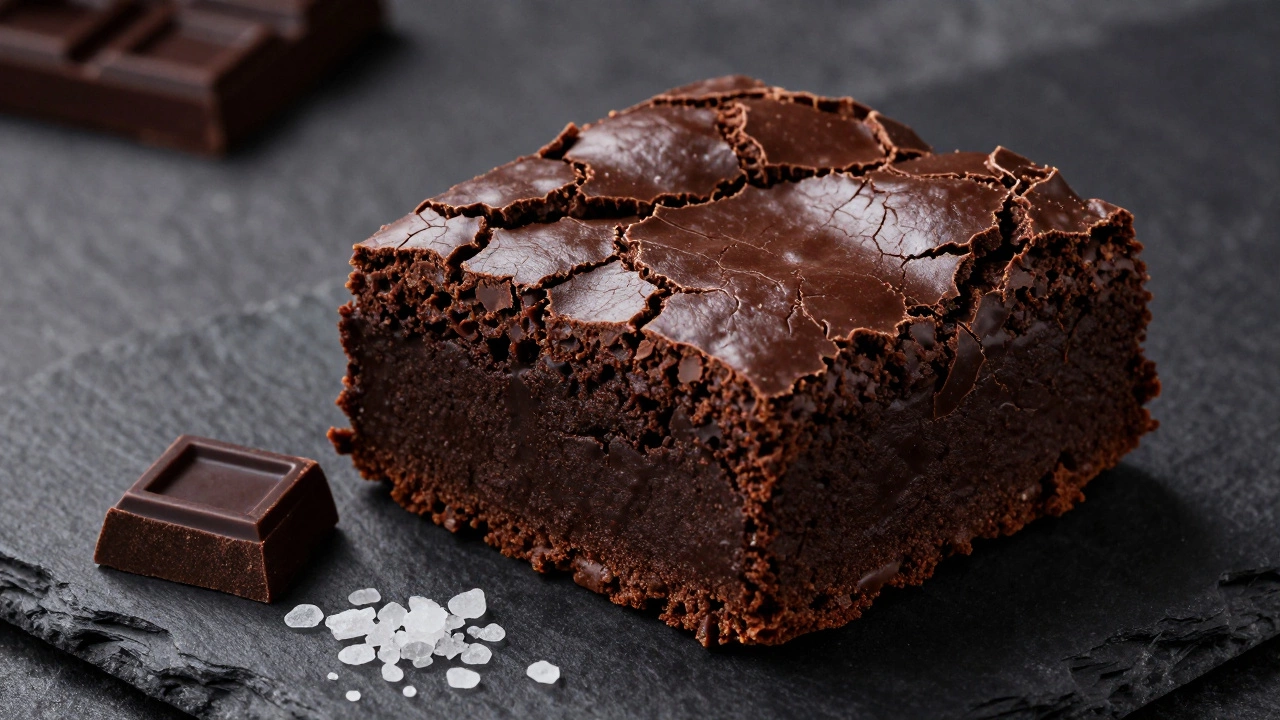
If you really want to impress, try the "Double Chocolate" method. Instead of relying solely on cocoa powder, use a mix of unsweetened chocolate bars and cocoa. The extra cocoa butter in the bars helps create a richer, more reflective surface. Also, adding a pinch of salt is crucial; it doesn't just balance the sweetness, it actually enhances the visual contrast of the dark chocolate against the shiny crust.
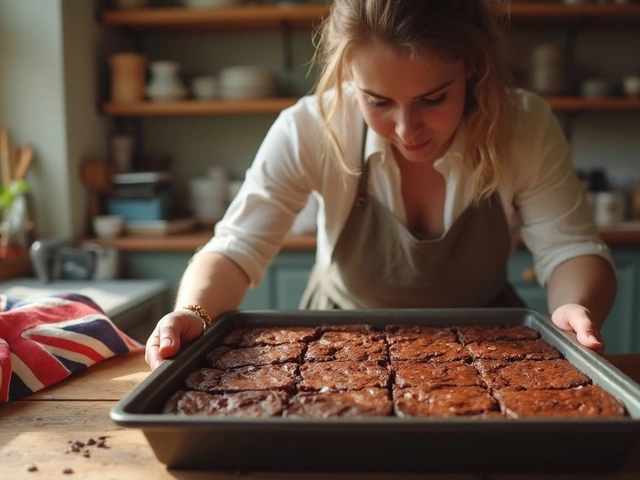
Finally, consider the cooling process. If you cut into brownies while they are steaming hot, you might tear that fragile skin. Let them cool completely in the pan. This allows the structure to set, preserving the crackle and ensuring that the color stays rich and deep throughout the slice.
Does a pale top mean my brownies are underbaked?
Not necessarily. Color is about sugar caramelization and aeration, while doneness is about internal temperature. Use the toothpick test: if it comes out with a few moist crumbs (but not raw batter), they are done, regardless of the color on top.
Can I use powdered sugar to get a shiny top?
No, powdered sugar contains cornstarch, which will actually make the top more matte and cakey. Stick to granulated white sugar for that classic crackly skin.
Why do my brownies look pale even though I followed the recipe?
Check your oven temperature. If your oven runs cool, the sugar won't caramelize properly. Use an oven thermometer to make sure you're actually hitting 350°F (175°C).
Will using a different brand of cocoa powder change the color?
Yes. Dutch-processed cocoa is treated with an alkalizing agent, making it darker and redder. Natural cocoa is lighter and more acidic. For a darker, less pale look, go with Dutch-process.
Can I fix the color by putting them back in the oven?
You can try a quick "flash bake" at a higher temperature for 3-5 minutes, but be careful. You risk overcooking the center and turning your fudgy brownies into dry bricks.
Next Steps for Baking Success
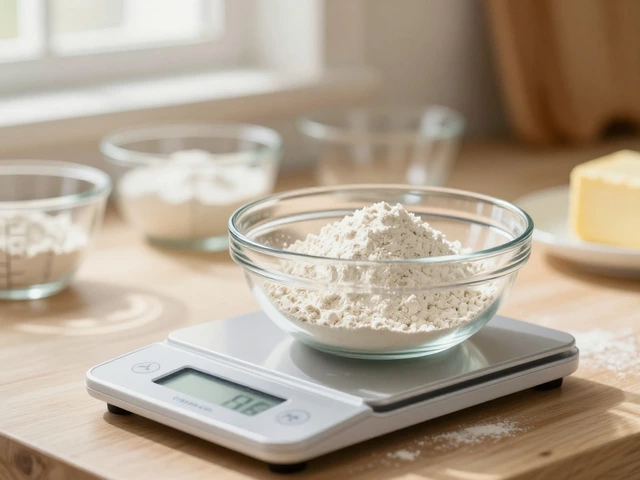
Once you've mastered the shiny top, you can start experimenting with additions. Try swirling in a bit of cream cheese or peanut butter-just remember that these fats can interfere with the crust, so keep them as swirls rather than mixing them fully into the batter. If you're still struggling with consistency, try weighing your ingredients with a digital scale instead of using cups; precision is the fastest way to professional results.
Related Post
Popular Posts
Is There a Spanish Word for Brownie?
June 1, 2025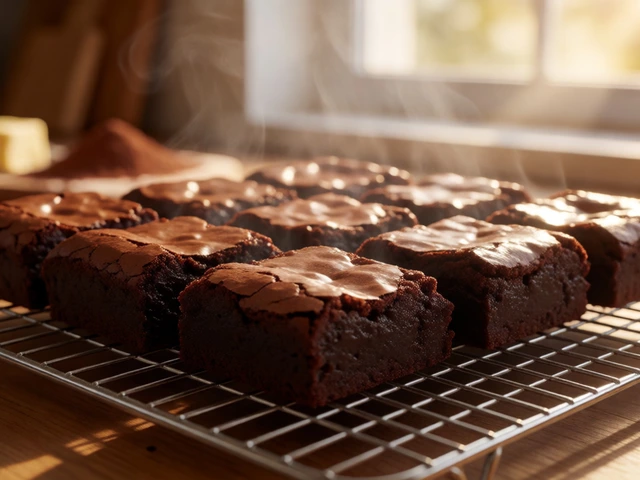
Write a comment