

Tiramisu Authenticity & Origin Checker
Explore the culinary bridge between Italy and Brazil. Select ingredients from a hypothetical recipe to see how they align with traditional Venetian roots or Brazilian adaptations.
Analysis Result
You might think you know Tiramisu is a classic Italian dessert made with ladyfingers soaked in espresso and layered with mascarpone cream. But if you walk into a bakery in São Paulo or Rio de Janeiro today, you’ll find something that looks like tiramisu but tastes distinctly different. It’s sweeter, often uses local ingredients, and carries the weight of a massive historical migration. This isn’t just about food; it’s about how millions of Italians reshaped Brazilian culture, one spoonful at a time.
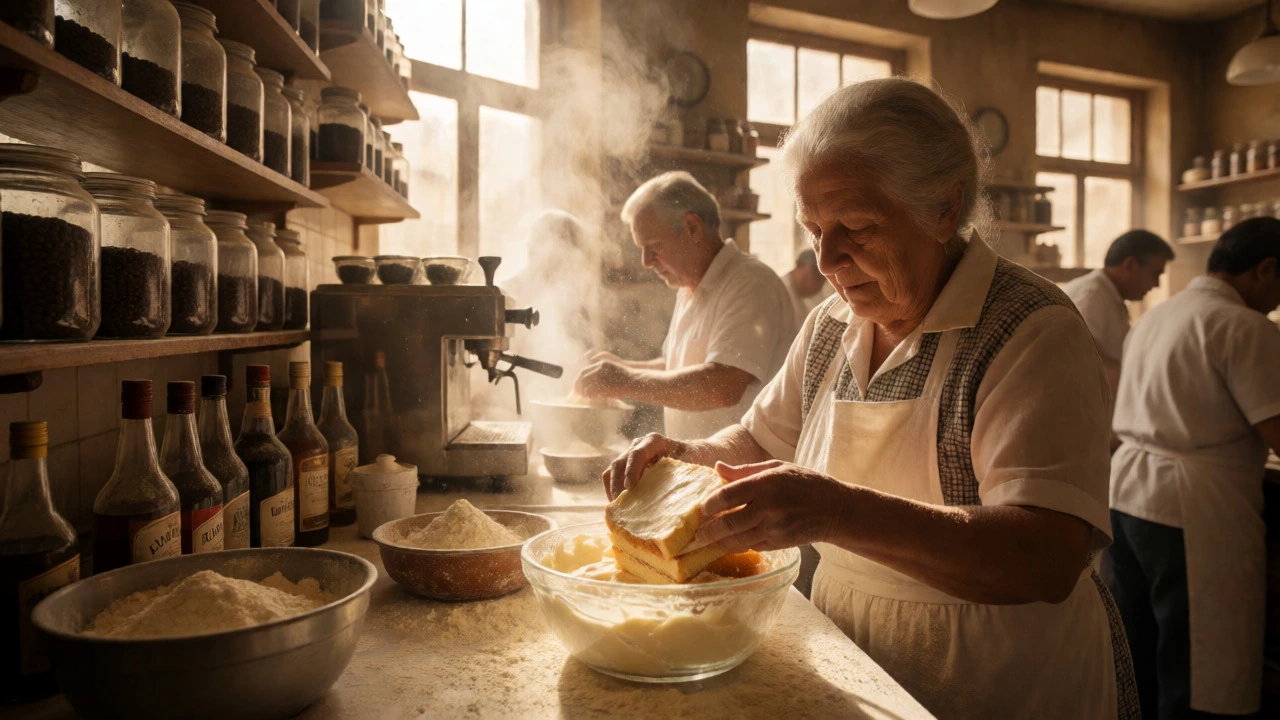
The story starts long before the first slice was cut. Between 1880 and 1930, over four million Italians emigrated to Brazil. That’s roughly half of all Italian emigrants during that period heading to South America. They didn’t just bring their suitcases; they brought their nonnas’ recipes, their love for strong coffee, and their dairy traditions. While pizza and pasta get the headlines, the sweet legacy is where things get really interesting, especially when we look at how the original Venetian treat adapted to tropical climates and local supply chains.
The Great Migration and the Sweet Tooth Shift
Before the late 19th century, Brazilian desserts were heavily influenced by Portuguese colonialism-think heavy use of egg yolks, coconut, and native fruits like mango and guava. Then came the Italians. They arrived with a palate accustomed to lighter creams, distinct coffee profiles, and specific wheat-based pastries. The integration wasn’t instant, but it was profound. By the mid-20th century, Italian-style bakeries had become community hubs in cities like Curitiba and Porto Alegre.
This cultural exchange created a unique culinary hybrid. Brazilians adopted the structure of European cakes but adjusted the sweetness levels to match local preferences, which tend to favor higher sugar content than traditional Northern Italian cuisine. This adjustment is key to understanding why Brazilian tiramisu often feels richer and denser than its Italian cousin.
Anatomy of the Brazilian Tiramisu
If you order a "tiramisù" in Brazil, don’t expect the strict adherence to Italian DOP (Protected Designation of Origin) standards. Here’s what typically changes:
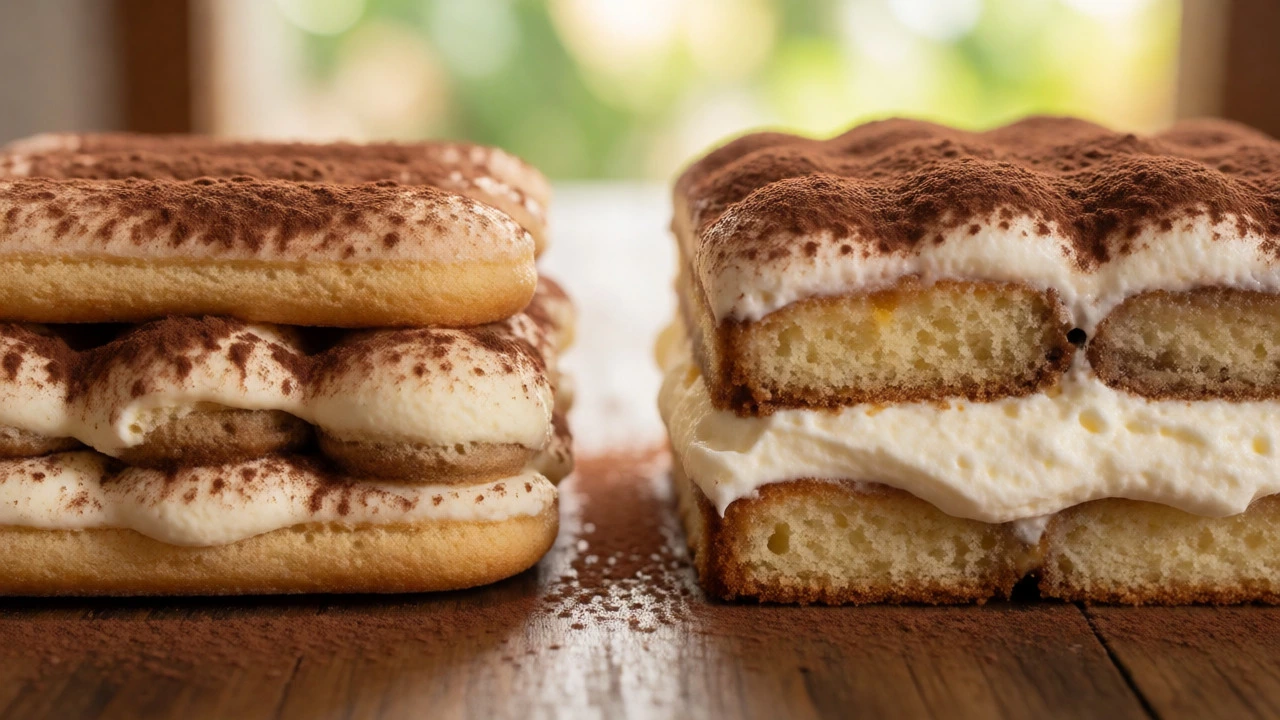
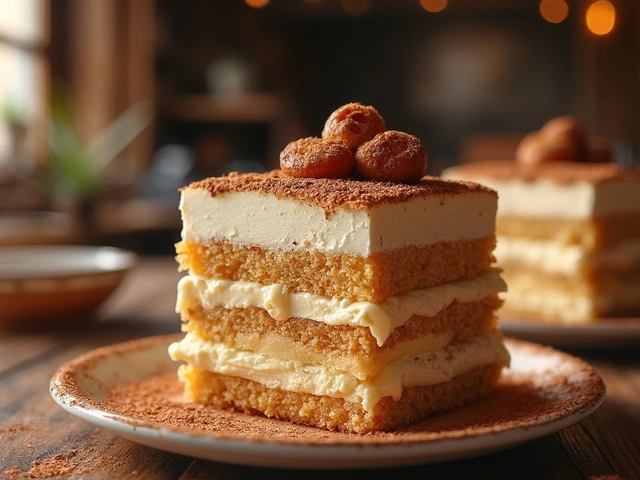
- The Sponge: Traditional tiramisu uses Savoiardi (ladyfingers). In Brazil, many bakers prefer a homemade sponge cake or even pound cake slices because they absorb liquid differently and are cheaper to produce locally.
- The Cream: Authentic tiramisu relies on raw eggs and mascarpone. Due to food safety concerns and ingredient availability, many Brazilian versions use whipped cream mixed with condensed milk or a cooked egg yolk base (creme pâtissière style), reducing the risk of salmonella while adding a familiar sweetness.
- The Coffee: Brazil is the world’s largest coffee producer. However, domestic consumption often favors darker roasts. Consequently, Brazilian tiramisu tends to have a more robust, sometimes bitter coffee punch compared to the milder Arabica blends used in Italy.
- The Fruit Twist: You’ll occasionally see strawberries or passion fruit added as a layer. This is a nod to Brazil’s abundant tropical agriculture, blending the old world technique with new world flavors.
Why Mascarpone Became a Staple
Mascarpone cheese is central to this story. Originally an Italian innovation from Lombardy, it found a surprising home in Brazil’s dairy industry. As Italian immigrants settled in southern states, they demanded authentic ingredients. Local dairies began producing mascarpone to meet demand, eventually making it a standard item in supermarkets nationwide. Today, Brazil produces high-quality mascarpone, though it often has a slightly higher fat content to withstand warmer temperatures during transport and storage.
| Component | Traditional Italian | Brazilian Adaptation |
|---|---|---|
| Base Layer | Savoiardi (Ladyfingers) | Sponge Cake or Pound Cake |
| Cream Base | Mascarpone + Raw Eggs | Mascarpone + Whipped Cream/Condensed Milk |
| Sweetness Level | Moderate/Low | High |
| Coffee Type | Mild Espresso Blend | Strong Dark Roast |
| Common Additions | Cocoa Powder | Fruit, Chocolate Chips, Cinnamon |
Beyond Dessert: Cultural Echoes
The inheritance goes deeper than just recipes. The concept of "caffè" as a social ritual took root in Brazil, evolving into the modern "cafézinho" culture. While Italians drink espresso standing up quickly, Brazilians turned coffee drinking into a leisurely afternoon activity, often paired with sweets. This shift changed how desserts are consumed. Instead of a quick after-dinner bite, tiramisu became a centerpiece for family gatherings and Sunday lunches.
Language also played a role. Words like "nona" (grandmother) and "mamma" entered everyday Brazilian Portuguese slang. The affectionate way Brazilians refer to Italian food reflects this deep familial bond. When someone says they’re making "bolo de tiramisu," they aren’t just describing a cake; they’re invoking a sense of heritage and comfort that transcends borders.
Regional Variations Across Brazil
Brazil is huge, and so are its interpretations of Italian classics. In São Paulo, the heart of the Italian diaspora, you’ll find purist attempts alongside innovative fusions. Chefs there experiment with using cachaça (sugarcane spirit) instead of Marsala wine, creating a boozy kick that feels entirely local.
In the south, particularly in towns like Gramado and Caxias do Sul, the influence is so strong that Italian festivals celebrate these dishes openly. Here, tiramisu might be served in individual glass cups, emphasizing elegance and presentation, mirroring the European café aesthetic. Meanwhile, in the northeast, where Italian influence was less direct, you might encounter a version that incorporates local spices or uses tapioca starch in the sponge, showcasing how adaptation varies by region.

How to Spot Authenticity vs. Fusion
If you’re trying to determine whether a dessert is truly honoring its roots or embracing fusion, look for these signs:
- Texture Check: Does the cream hold its shape firmly? Traditional mascarpone can be loose if not stabilized properly. A firmer texture often indicates added gelatin or whipped cream stabilizers common in Brazilian adaptations.
- Aroma Profile: Smell it. Pure tiramisu smells of cocoa and coffee. If you detect vanilla extract or artificial flavorings, it’s likely a localized version designed to appeal to broader palates.
- Liquid Absorption: Ladyfingers should be moist but not soggy. Sponge cakes absorb more liquid, leading to a denser, almost pudding-like consistency. This isn’t bad-it’s just different.
Understanding these nuances helps you appreciate the dish for what it is: a living, breathing example of cultural dialogue. It’s not a mistake that Brazilian tiramisu is sweeter; it’s a deliberate choice reflecting local taste preferences developed over generations.
The Future of Italian-Brazilian Desserts
As global food trends evolve, chefs in both countries are re-examining this connection. Modern Brazilian pastry chefs are returning to traditional techniques, using organic mascarpone and single-origin coffees, while some Italian artisans are experimenting with tropical fruits inspired by Brazilian exports. This bidirectional flow suggests that the "inheritance" is no longer a one-way street. It’s a partnership.
For anyone interested in cooking, this means you have permission to experiment. Use good coffee. Respect the balance between fat and acid. And don’t be afraid to add a touch of local flair. Whether you’re in Auckland, New Zealand, or São Paulo, the essence of this dessert remains the same: comfort, shared history, and the joy of eating together.
Is tiramisu originally from Brazil?
No, tiramisu originated in Italy, specifically associated with the Veneto region. However, Brazil has significantly adapted the recipe due to its large Italian immigrant population, creating distinct variations that are now staples in Brazilian cuisine.
Why is Brazilian tiramisu sweeter than Italian tiramisu?
Brazilian palates generally prefer higher sugar content in desserts compared to Northern Europeans. Additionally, the use of condensed milk or sweetened whipped cream in many Brazilian recipes increases the overall sweetness compared to the traditional unsweetened mascarpone and egg mixture.
Can I make Brazilian-style tiramisu without mascarpone?
Yes, many Brazilian households substitute mascarpone with a mix of cream cheese and heavy whipping cream, or use a custard base thickened with cornstarch. These substitutes provide a similar creamy texture and are more accessible in regions where mascarpone is expensive or unavailable.
What other foods did Italians bring to Brazil besides tiramisu?
Italians introduced pasta varieties, pizza styles (especially the thin-crust Neapolitan style), polenta, risotto, and various cured meats like salami and prosciutto. They also influenced coffee cultivation and processing techniques, shaping Brazil's status as a major coffee producer.
Does the climate affect how tiramisu is stored in Brazil?
Yes, Brazil's warm climate requires stricter cold chain management for dairy-based desserts. Many commercial producers add stabilizers to the cream to prevent separation or spoilage, and home cooks often serve tiramisu directly from the fridge rather than letting it reach room temperature, unlike in cooler European climates.


Write a comment