

Macaron Calorie & Comparison Calculator
Your Snack Details
Calorie Result
Total Calories Consumed
How Does This Compare?
| Dessert Item | Approx. Calories | Comparison to Your Snack |
|---|
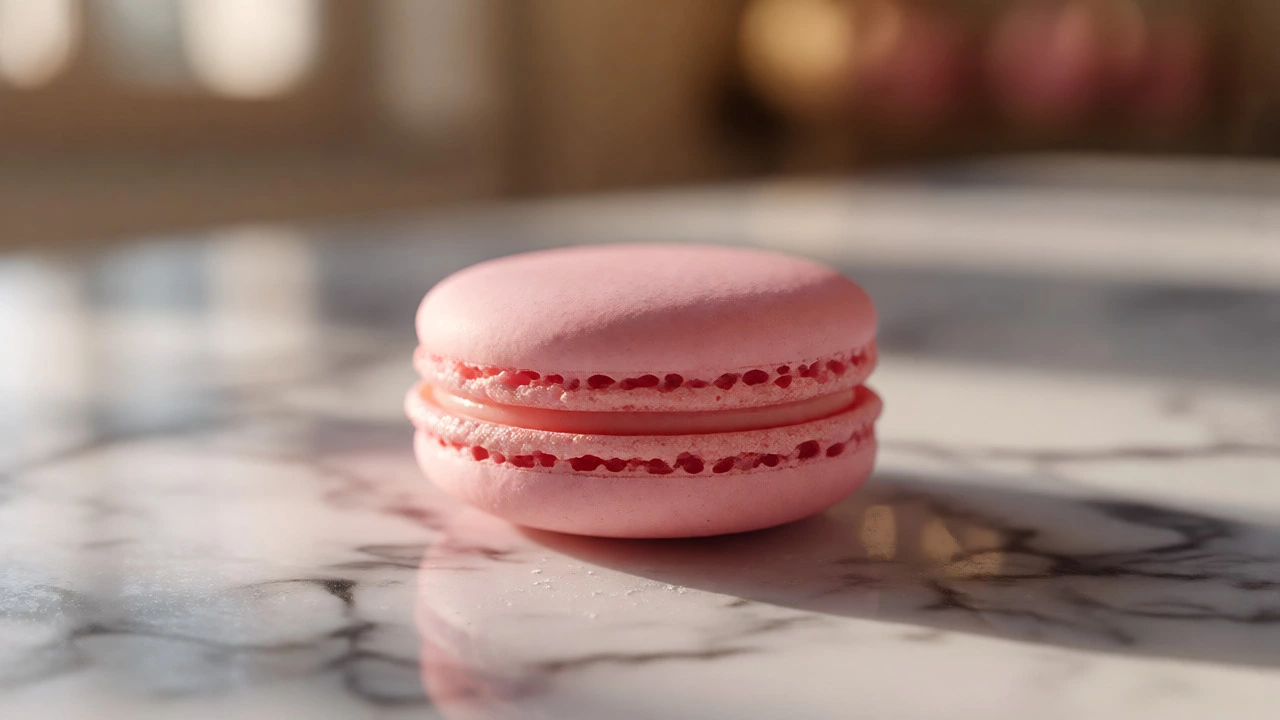
You bite into a delicate, pastel-colored French Macaron, and for a second, you forget it’s basically a sugar bomb. It’s light, airy, and looks innocent enough to eat three or four without guilt. But if you’re tracking your intake or just curious about what you’re actually consuming, the numbers might surprise you. A single standard macaron typically packs between 70 and 100 calories. That sounds manageable until you realize how easy it is to polish off six of them while chatting over coffee. Suddenly, that "light snack" rivals a small slice of cake.
Why does such a tiny cookie have so much energy? It comes down to ingredients. Unlike a chocolate chip cookie loaded with butter and flour, a macaron is essentially meringue and almond flour sandwiched around a sweet filling. There’s no wheat flour to bulk it up, but there’s a lot of granulated sugar and egg whites. The calorie density is high because every gram is either protein (from almonds and eggs) or simple carbs (sugar). If you are watching your waistline, knowing exactly what goes into these treats helps you make smarter choices at the bakery counter.
The Anatomy of a Macaron Calorie Count
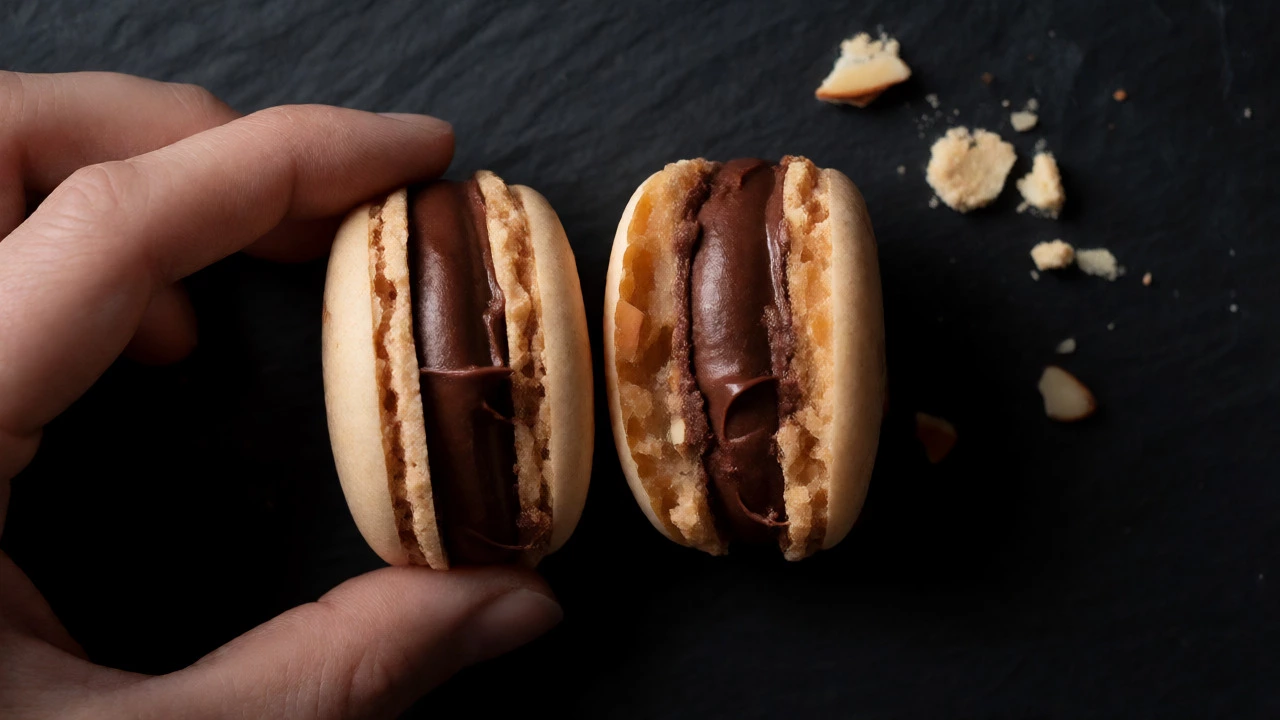
To understand where those calories come from, we need to look at the structure. A macaron consists of two shells and a ganache, buttercream, or jam filling. Each component contributes differently to the total count. The shells are made primarily of almond flour, powdered sugar, and egg whites. Almond flour is calorie-dense because nuts are high in fat-about 570 calories per 100 grams. Powdered sugar adds pure carbohydrate energy. Then there’s the filling. This is often the hidden culprit. A thick layer of salted caramel or dark chocolate ganache can easily add 20-30 calories on its own.
Let’s break down a typical 20-gram macaron. The two shells usually weigh about 12-14 grams combined. Given that almond flour and sugar mixtures hover around 4.5-5 calories per gram, the shells alone contribute roughly 60-70 calories. The remaining 6-8 grams of filling, depending on whether it’s fruit curd (lower calorie) or nut butter/ganache (higher calorie), pushes the total to the 80-100 range. Size matters here. A mini macaron, weighing just 10 grams, might only have 40-50 calories. Conversely, oversized artisanal versions can hit 120+ calories.
| Component | Typical Weight | Approximate Calories | Primary Source |
|---|---|---|---|
| Almond Shell (Pair) | 12-14g | 60-70 kcal | Almond Flour & Sugar |
| Fruit Curd Filling | 4-6g | 10-15 kcal | Sugar & Fruit Puree |
| Ganache Filling | 5-7g | 25-35 kcal | Cream & Chocolate |
| Buttercream Filling | 5-7g | 30-40 kcal | Butter & Sugar |
Flavor Variations and Their Impact
Not all macarons are created equal when it comes to energy density. You might assume pistachio is healthier than chocolate, but the difference is often negligible unless you account for added fats. Pistachio macarons rely on ground nuts for flavor, which keeps the calorie count similar to vanilla. However, flavors like coconut or hazelnut often involve higher-fat pastes or pralines. A hazelnut praline filling is significantly more calorie-dense than a raspberry coulis. Why? Because praline contains added sugar and sometimes oil or butter, whereas coulis is mostly fruit pulp and water-based sugar syrup.
Consider the popular salted caramel macaron. Caramel is cooked sugar and cream. It has no fiber and minimal protein, meaning it spikes blood sugar quickly and provides concentrated energy. A raspberry macaron, while still sugary, offers a slight nutritional edge due to trace antioxidants from the fruit, though the calorie difference is only about 10-15 calories per piece. If you are strictly counting macros, avoid fillings based on nut butters or heavy creams. Stick to fruit-based options if you want to keep the count closer to the 70-calorie mark rather than the 100-calorie ceiling.
Macarons vs. Other Desserts
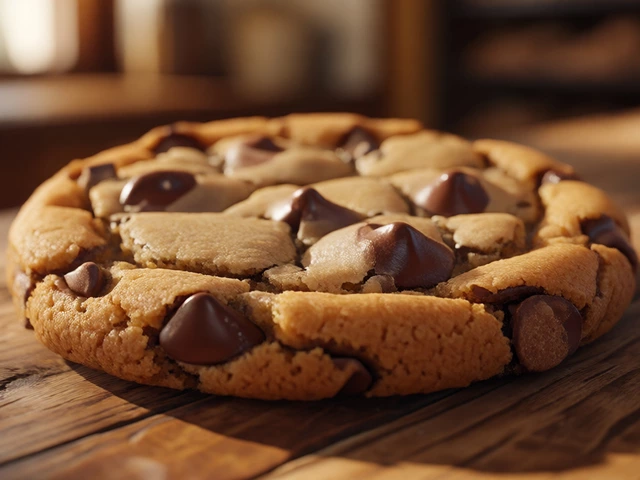
Is a macaron really worse than other sweets? Let’s compare it to common alternatives. A standard chocolate chip cookie weighs about 30-40 grams and contains 150-200 calories. So, one macaron is roughly half the calories of one cookie. However, people rarely eat just one macaron. They are designed to be eaten in multiples. Two macarons (160-200 calories) equal one cookie, but they feel lighter and less filling. This is the trap. You eat four macarons thinking you’ve had a light snack, but you’ve consumed 320-400 calories-the same as a large muffin.
Compare this to a brownie. A 50-gram fudgy brownie sits at around 250-300 calories. Here, the macaron wins on volume-to-calorie ratio if you stick to two pieces. But against a cupcake? A vanilla frosted cupcake is about 350 calories. Three macarons (approx. 250-300 calories) provide a similar satisfaction level with slightly fewer calories, but far less satiety. Macarons lack fiber and complex carbohydrates, so your hunger returns faster. If you’re snacking to stay full until dinner, a macaron won’t do the job. If you’re snacking for a quick dopamine hit, it’s efficient.
Tips for Mindful Consumption
If you love macarons but worry about the calorie impact, strategy helps. First, check the size. Artisan bakeries vary wildly. Some use piping bags that create massive 25-gram monsters, while others stick to petite 15-gram bites. Ask the staff or weigh one if possible. Second, pair your macaron with unsweetened tea or black coffee. Adding a latte or hot chocolate doubles the sugar load without adding nutritional value. Third, slow down. Eat one macaron slowly, savoring the texture. Eating four quickly leads to overconsumption before your brain registers fullness.
Another tactic is sharing. Buy a box of six and share with a friend. Splitting the portion cuts your intake in half instantly. Also, consider homemade versions. When you bake at home, you control the filling thickness. Many commercial bakers overfill macarons to mask imperfect shells. By using a thinner layer of fruit jam instead of rich ganache, you can shave 20-30 calories off each piece. Over six macarons, that’s a savings of 120-180 calories-equivalent to skipping a small candy bar.

Nutritional Context Beyond Calories
Calories aren’t the whole story. Macronutrient balance matters too. Macarons are low in protein relative to their calorie count. A single macaron has maybe 1-2 grams of protein, mostly from the almond flour and egg white. They are virtually devoid of fiber. This means they digest rapidly, causing a quicker insulin response compared to a nut or a piece of fruit. For diabetics or those managing blood sugar, this rapid spike is a bigger concern than the raw calorie number.
On the positive side, almond flour provides healthy monounsaturated fats and vitamin E. If you choose a macaron with dark chocolate filling, you get some flavonoids. But don’t mistake these traces for health food benefits. The amount of almond flour in one shell is small-perhaps 5-6 grams. That’s not enough to offset the negative effects of high sugar intake. Treat macarons as an occasional indulgence, not a functional snack. They offer pleasure, not sustenance.
Frequently Asked Questions
How many calories are in a mini macaron?
Mini macarons typically weigh between 8 and 12 grams. Depending on the filling, they contain approximately 35 to 50 calories each. These are easier to consume in larger quantities without hitting a high calorie threshold, but they also offer less satiety.
Are macarons gluten-free?
Yes, traditional French macarons are naturally gluten-free because they use almond flour instead of wheat flour. However, always check for cross-contamination in bakeries that also handle wheat products, especially if you have celiac disease.
Which macaron flavor has the fewest calories?
Fruit-flavored macarons with light jams or curds, such as lemon, raspberry, or passionfruit, generally have fewer calories than chocolate, caramel, or nut-butter varieties. The difference is usually 10-20 calories per piece, which adds up if you eat several.
Can I eat macarons on a keto diet?
Standard macarons are not keto-friendly due to the high sugar content in both the shells and fillings. However, sugar-free versions using erythritol or stevia exist. Even then, the carb count from almond flour remains, so strict keto dieters should calculate net carbs carefully.
Do macarons have a lot of sugar?
Yes, macarons are high in sugar. A single macaron can contain 10-15 grams of sugar. This represents about 40-60% of the daily recommended limit for added sugars for an average adult, making moderation essential.


Write a comment