

Gluten-Free Banana Safety Checker
Is Your Banana Safe for Gluten-Free Baking?
Check if your banana is safe for gluten-free baking based on its condition and how it was handled. Bananas are naturally gluten-free but can be contaminated during processing.
When you're baking a gluten-free cake, every ingredient matters. Even something as simple as a banana can raise questions. Is a banana gluten-free? The short answer is yes-but there’s more to it than that. If you’re making a gluten-free cake and wondering whether bananas are safe, you’re not alone. Many people assume fruits are automatically gluten-free, but in today’s world of processed foods and cross-contamination, it’s smart to double-check.
Why Bananas Are Naturally Gluten-Free
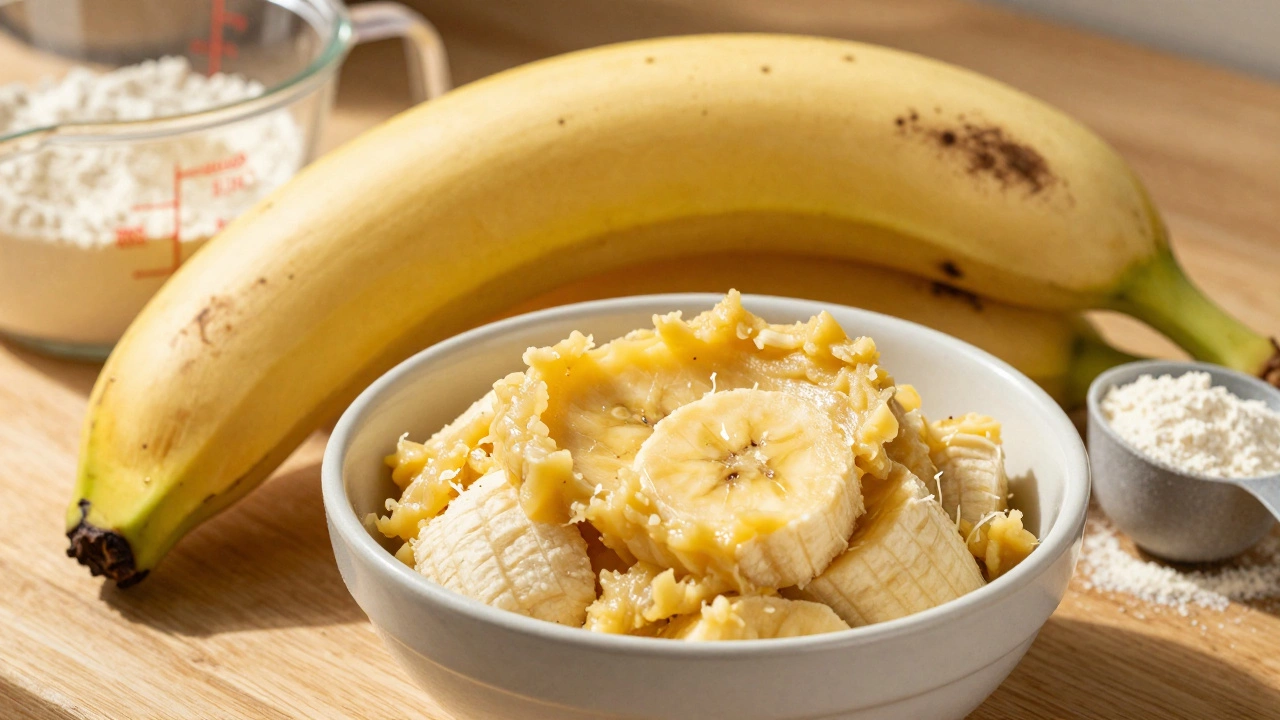
Bananas, in their raw, unprocessed form, contain no gluten. Gluten is a protein found in wheat, barley, and rye. Bananas don’t have any of those grains. They’re just a fruit-full of potassium, fiber, and natural sugars. That’s why they’re a go-to ingredient in gluten-free baking. Mashed banana adds moisture, sweetness, and structure to cakes, muffins, and breads without needing any flour that contains gluten.
Think about it: banana bread made with gluten-free flour blends is one of the most popular gluten-free desserts. Why? Because bananas work so well. They bind ingredients, help with rise, and give a soft texture. Many gluten-free cake recipes rely on bananas to replace the structure that gluten normally provides.
Can Bananas Be Contaminated With Gluten?
While bananas themselves are gluten-free, they can pick up gluten during handling or processing. This isn’t common, but it’s possible. For example:
- Some pre-sliced bananas in grocery stores are coated with a light dusting of flour to prevent sticking.
- Bananas sold in bulk bins might share scoops with products containing gluten, like granola or dried cereal.
- Processed banana products-like dried banana chips, banana puree in pouches, or banana-flavored snacks-may include gluten-containing additives or be made in facilities that also process wheat.
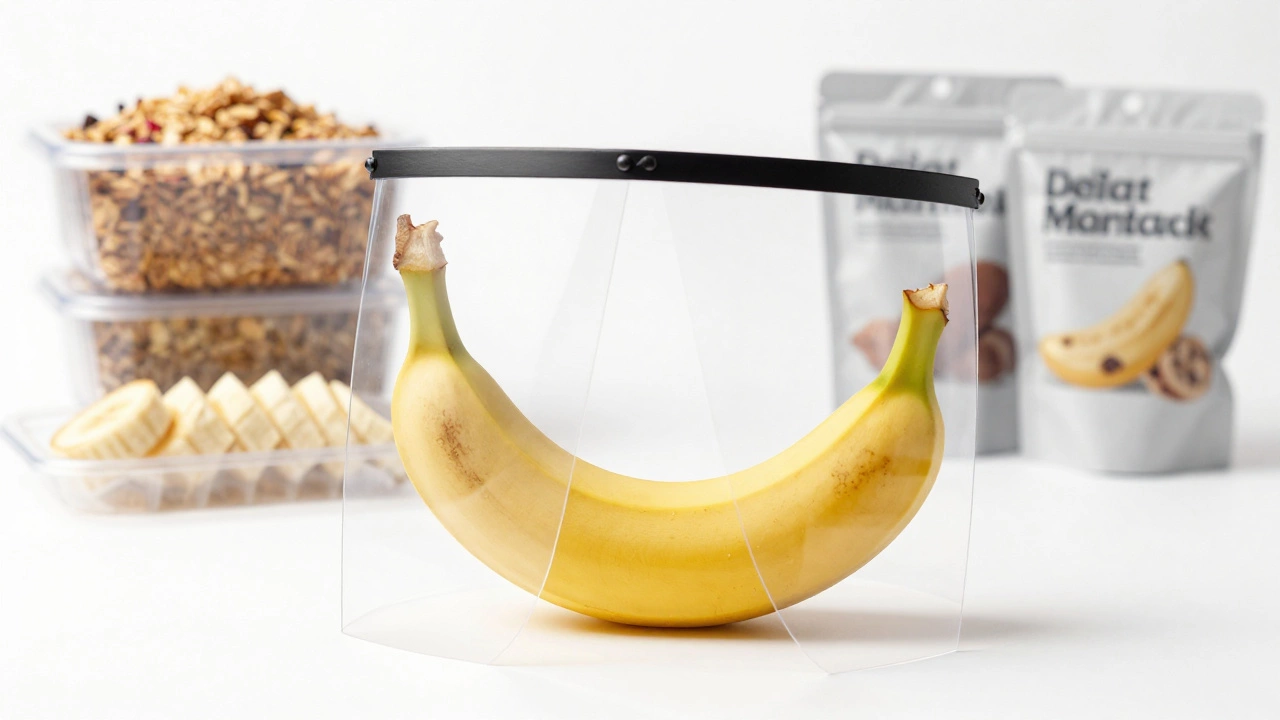
If you’re baking a cake for someone with celiac disease or a severe gluten sensitivity, you need to be extra careful. Stick to whole, fresh bananas. Buy them from the produce section, not pre-packaged or pre-sliced. Wash the peel before peeling, just in case any flour or dust got on it during shipping or storage.
How to Use Bananas in Gluten-Free Cakes
Using bananas in gluten-free cakes is easy, but there are a few tips to get the best results:
- Use ripe bananas. The darker the peel, the sweeter and more mashable the fruit. Ripe bananas have more natural sugars and break down into a smooth paste, which helps bind the batter.
- Mash them well. Use a fork or potato masher, not a blender. Over-blending can make the batter too watery.
- Measure accurately. One medium banana equals about 1/2 cup mashed. Most gluten-free cake recipes call for 1 to 2 bananas.
- Balance moisture. Bananas add a lot of liquid. If your batter feels too wet, add a tablespoon of gluten-free oat flour or almond flour to thicken it.
Many gluten-free cake recipes use bananas as the main wet ingredient instead of eggs or oil. For example, a simple gluten-free banana cake might use 2 mashed bananas, 1/4 cup melted coconut oil, 1 teaspoon baking soda, and a gluten-free flour blend. That’s it. No dairy, no eggs, no gluten.

Other Gluten-Free Fruits for Baking
Bananas aren’t the only fruit that works in gluten-free cakes. Other naturally gluten-free fruits include:
- Apples (use applesauce as a binder)
- Blueberries (fresh or frozen)
- Pears (mashed or pureed)
- Avocados (for rich, creamy texture)
- Dates (chopped or blended into a paste)
All of these are safe as long as they’re whole and unprocessed. Avoid canned fruits in syrup unless labeled gluten-free-some syrups contain malt flavoring, which comes from barley.
What to Avoid When Baking Gluten-Free
Even if you’re using gluten-free bananas, your cake can still be ruined by other ingredients. Watch out for:
- Flour blends with hidden gluten. Some brands add wheat starch or maltodextrin derived from wheat.
- Extracts and flavorings. Vanilla extract can sometimes contain gluten if it’s made with grain alcohol (though most distilled versions are safe).
- Pre-mixed cake mixes. Always check labels-even ones labeled "gluten-free" can have trace amounts if made in shared facilities.
- Decorations. Sprinkles, frosting, and edible glitter sometimes contain wheat flour or modified food starch.
The best rule? Read every label. Even if something seems harmless, it might not be.
Real-World Example: A Gluten-Free Banana Cake That Works
Here’s a real recipe that’s been tested in gluten-free households:
- 2 ripe bananas, mashed
- 1/3 cup maple syrup
- 1/4 cup coconut oil, melted
- 2 eggs (or flax eggs for vegan)
- 1 teaspoon baking soda
- 1/2 teaspoon salt
- 1 1/2 cups gluten-free flour blend (like Bob’s Red Mill 1-to-1)
- 1/2 cup chopped walnuts (optional)
Preheat oven to 350°F. Grease a loaf pan. Mix wet ingredients, then stir in dry. Fold in walnuts. Bake 50-55 minutes. Let cool before slicing. This cake is moist, naturally sweet, and safe for gluten-free diets. No one guesses it’s gluten-free.
Final Answer: Yes, Bananas Are Gluten-Free
Yes, bananas are gluten-free. But only if they’re whole, fresh, and handled carefully. For gluten-free baking, they’re one of the best ingredients you can use. They’re affordable, versatile, and work in almost every type of cake, muffin, or bread. Just make sure you’re not using processed banana products, and always check the rest of your ingredients. When you do, you’ll find that banana-based gluten-free cakes can be just as delicious-and sometimes even better-than traditional ones.
Are bananas safe for people with celiac disease?
Yes, bananas are safe for people with celiac disease as long as they’re fresh and not processed. Cross-contamination is rare but possible, so avoid pre-sliced bananas, bulk bins, or flavored banana snacks. Always choose whole, unpeeled bananas and wash the peel before peeling.
Can I use banana flour in gluten-free baking?
Banana flour is made from green bananas that are dried and ground into powder. It’s naturally gluten-free and often used in gluten-free baking as a thickener or flour substitute. Just make sure the label says "certified gluten-free," since some brands process it in facilities that handle wheat.
Do all gluten-free cake recipes need bananas?
No, bananas aren’t required in gluten-free cakes. Many recipes use applesauce, yogurt, or oil for moisture. But bananas are popular because they add natural sweetness and help bind ingredients without eggs or dairy. They’re especially useful in vegan and allergy-friendly recipes.
What’s the difference between ripe and unripe bananas in baking?
Ripe bananas are sweeter and easier to mash, making them ideal for cakes and quick breads. Unripe bananas are starchy and less sweet, which can make baked goods dry or bland. For gluten-free cakes, always use bananas with brown spots on the peel-they’re at peak flavor and texture.
Can I freeze bananas for later use in baking?
Yes, freezing bananas is a great way to save them for baking. Peel them first, then place them in a sealed bag. When you’re ready to use them, thaw at room temperature or microwave briefly. They’ll turn into a smooth puree that works perfectly in cake batter. Frozen bananas are actually easier to mash than fresh ones.





Write a comment