

Fudgy Brownie Predictor
Enter your recipe details below to see how your choices affect the final texture. Based on the article's principles of fat-to-flour ratios, sugar types, and mixing methods.
1. Ingredient Ratios
Enter your recipe values and click "Analyze Texture" to see your predicted outcome.
You pull the pan out of the oven, your kitchen smells like heaven, and you wait. You cut a square. It’s hard as a rock. Why does this happen? Most people blame the recipe. They don’t. They blame themselves. The truth is simpler: brownies are chemistry experiments that go wrong when you treat them like cake.
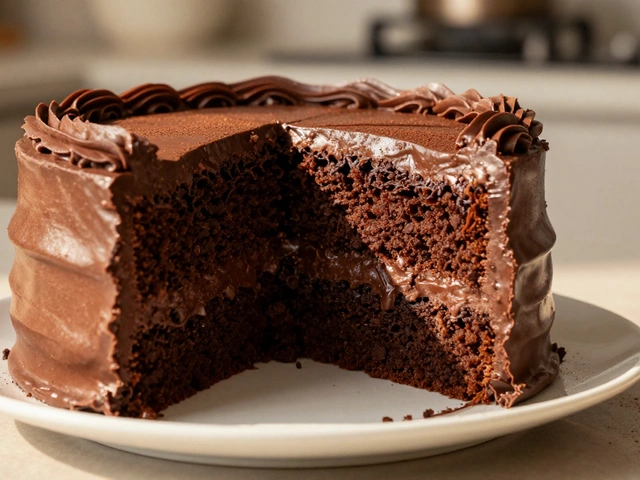
If you want those dense, chewy, fudgy squares that stick to your teeth, you need to stop following standard baking rules. Brownies aren't cakes. They don't need air. They need fat, sugar, and precise heat. Here is exactly how to fix dry, hard brownies every time.
The Fat-to-Flour Ratio Is Everything
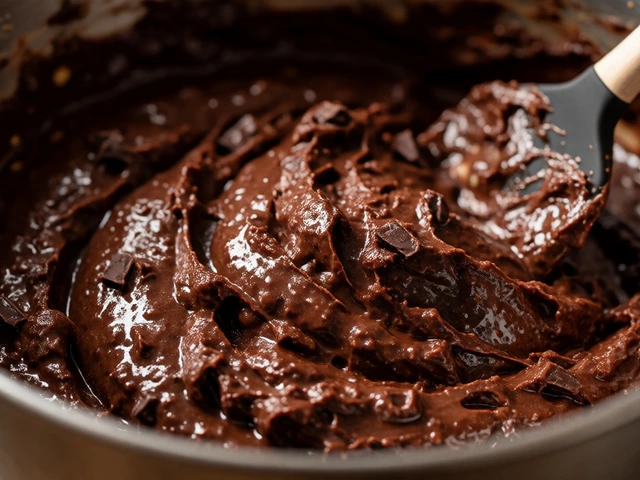
Dryness comes from structure. Structure comes from flour. If you have too much flour relative to the wet ingredients, you get bread. If you have too little, you get soup. The sweet spot for fudgy brownies is a high ratio of butter and chocolate to flour.
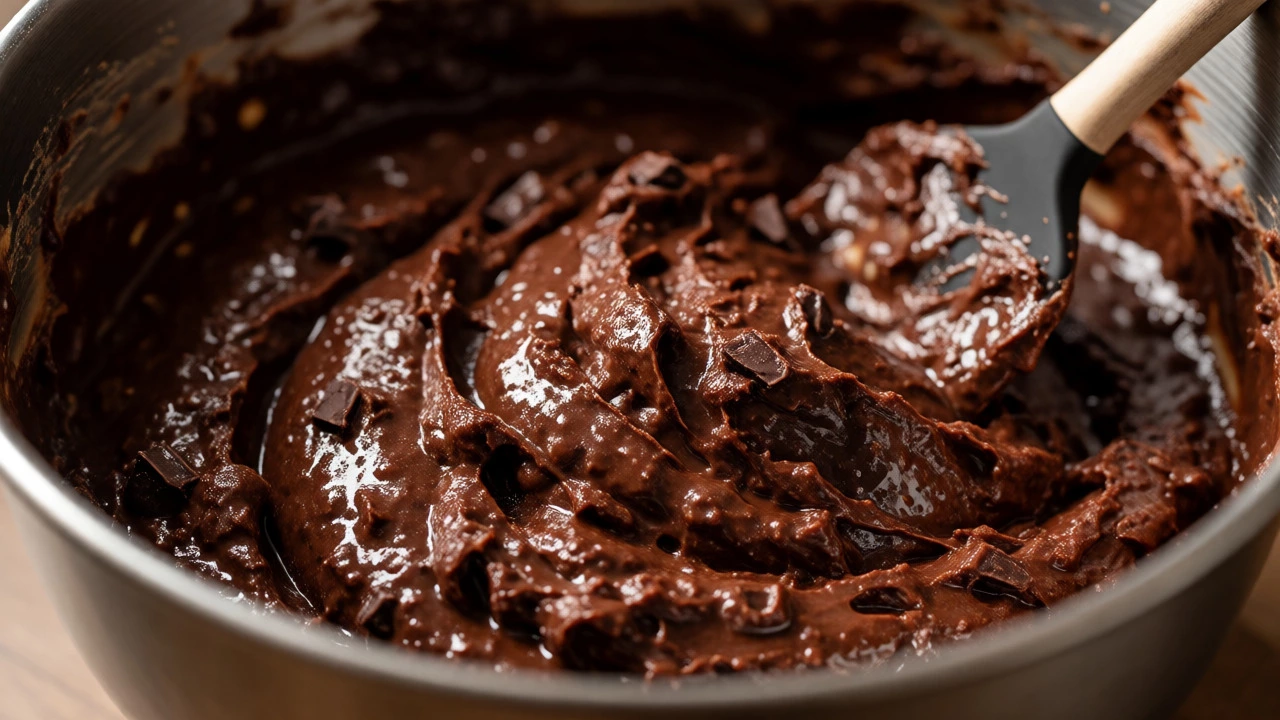
Look at your recipe. Count the cups of flour against the cups of butter and melted chocolate combined. For a fudgy result, you want roughly 1 part flour to 2 parts fat/sugar mix. Many "cake-like" recipes sneak in extra flour to make it easier to handle. Don't fall for it. Use less flour than you think you need. If the batter looks thick and glossy, you're on the right track. If it looks runny like pancake batter, add a tablespoon of flour. If it looks like cookie dough, you're good.
Unsalted Butter is the primary fat source that contributes to moisture retention and tender crumb structure. Unlike margarine or oil, butter solidifies as it cools, trapping moisture inside the starch network. This is why brownies made with butter stay soft longer than those made with vegetable oil.
Melt Your Chocolate, Don't Just Melt Butter
Many recipes call for cocoa powder. Cocoa powder is great for flavor, but it absorbs liquid. If you rely solely on cocoa powder, you risk drying out the final product. Using actual melted Dark Chocolate adds cocoa butter back into the mix. Cocoa butter is a fat, not a fiber. It coats the flour particles, preventing them from absorbing all the water in the eggs and sugar.
When you melt chocolate and butter together, do it gently. Double boiler or low power in the microwave. If you overheat the chocolate, you burn the sugars in the milk solids (if using semi-sweet) or separate the cocoa butter. Separated chocolate creates a greasy, gritty texture that feels dry in the mouth because the moisture isn't bound properly. Aim for a smooth, glossy emulsion before adding your eggs.
Stop Beating the Batter Like You're Making Cake
This is the most common mistake. In cake baking, we cream butter and sugar to trap air bubbles. Air makes things light and fluffy. Do you want light and fluffy brownies? No. You want dense and rich.
When you mix your wet ingredients, stir until just combined. When you fold in the flour, use a spatula, not an electric mixer. Overmixing develops gluten. Gluten is protein strands that form when flour gets wet and agitated. Strong gluten networks make bread chewy. In brownies, strong gluten makes them tough and rubbery. You want minimal gluten development. Mix until no dry streaks remain, then stop. Seriously, put the spoon down.
Oven Temperature and Pan Choice Matter More Than Time
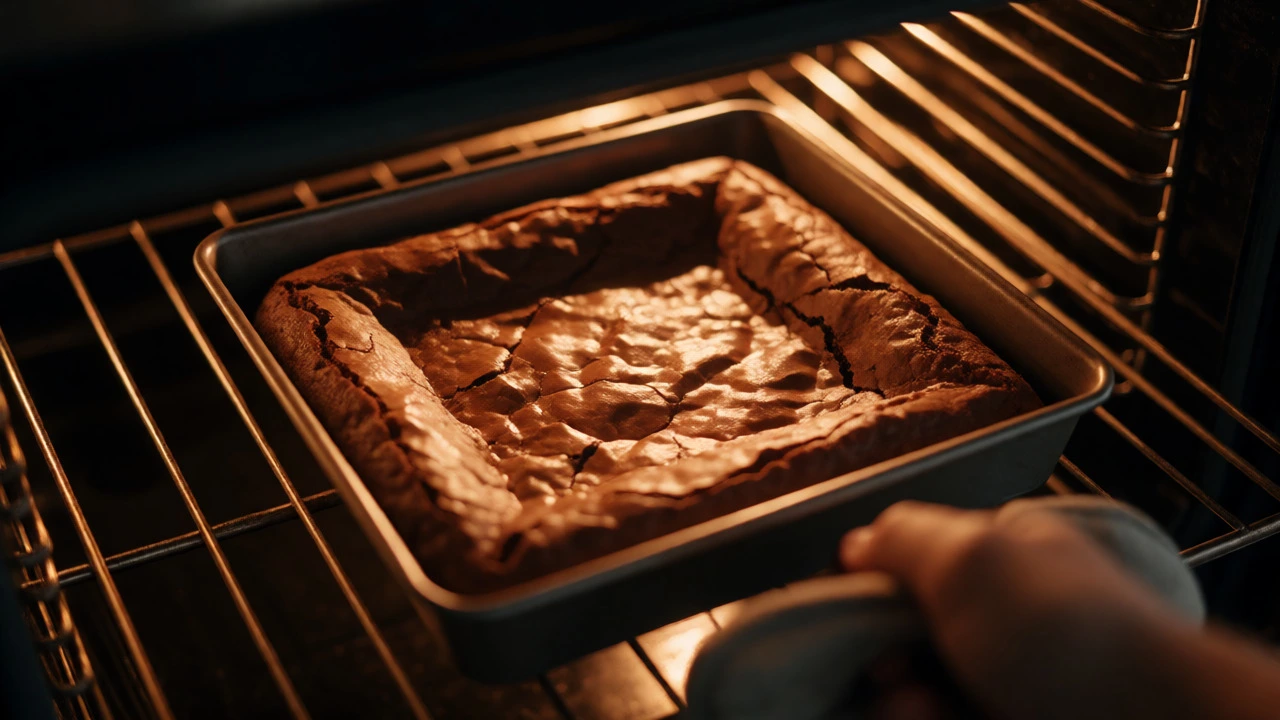
Home ovens lie. They run hot or cold by 25 degrees. If you bake at 350°F (175°C) for the exact time listed, you might overbake. Overbaked brownies lose moisture through evaporation. Once the moisture is gone, the sugars caramelize too much and harden as they cool.
Use an oven thermometer. Trust me, it's worth $10. Also, consider your pan material. Dark metal pans absorb more heat and can cause the edges to bake faster than the center. Glass pans insulate heat differently. For consistent results, use a light-colored aluminum pan. If you only have dark pans, lower your oven temperature by 25 degrees.
| Variable | Cake-Like Result | Fudgy Result |
|---|---|---|
| Fat Source | Oil or Margarine | Butter + Melted Chocolate |
| Flour Amount | Higher (1.5x fat) | Lower (0.5x fat) |
| Sugar Type | All Granulated | Brown Sugar + Granulated |
| Egg Whites | Included (whites added) | Excluded (yolks only) |
| Baking Time | Until toothpick is clean | Toothpick has wet crumbs |
Use Brown Sugar for Moisture Retention
White sugar dries out baked goods as it cools. Brown Sugar contains molasses, which is hygroscopic. Hygroscopic means it attracts and holds onto water molecules. By replacing half of your white sugar with brown sugar, you create a matrix that traps moisture inside the brownie even after it leaves the oven.
Molasses also lowers the pH slightly, which interferes with gluten formation. Less gluten means a more tender bite. Try a 50/50 split between white and brown sugar. If you go 100% brown sugar, the brownies can become too chewy and sticky, almost like caramel. Balance is key.
Pull Them Early, Let Them Finish Cooling
Here is the golden rule: Take brownies out of the oven when they look underdone. If you wait until the center looks set, you have already overbaked them. Residual heat continues to cook the brownies while they sit in the pan. This is called carryover cooking.
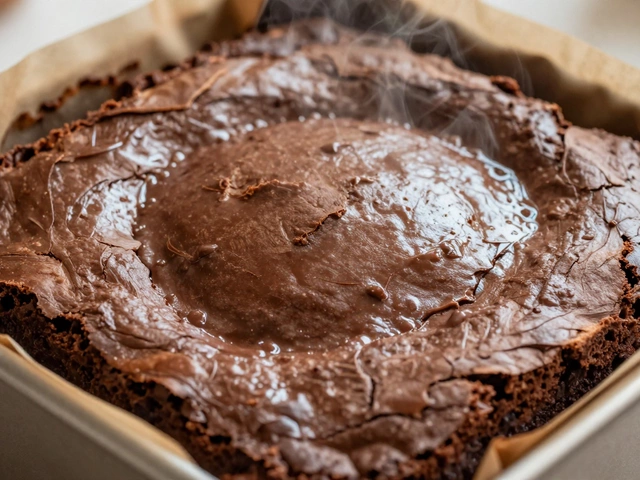
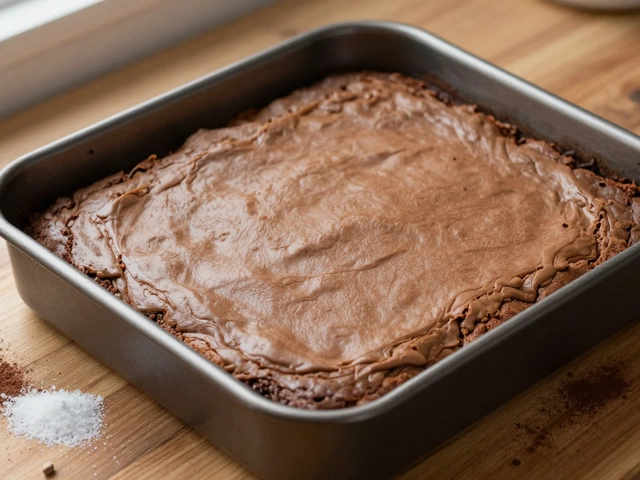
Check them 5 minutes before the timer goes off. Look for shiny cracks on top. The edges should be set, but the center should still jiggle slightly when you shake the pan. A toothpick inserted into the center should come out with a few moist crumbs attached, not clean, and not covered in raw batter. Wet crumbs are perfect. Clean means dry.
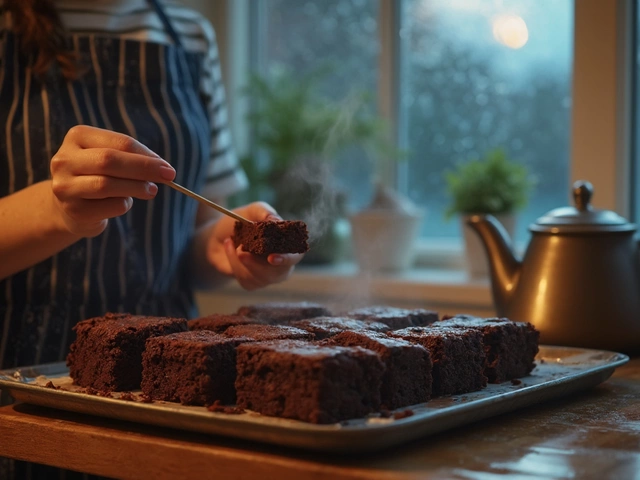
Let them cool completely in the pan. Cutting warm brownies breaks the delicate structure. The fats are still liquid. As they cool, the butter and chocolate solidify, setting the shape and locking in the moisture. Patience here prevents crumbling and hardness.
Storage Fixes Hardened Brownies
Even if you bake perfectly, storage can ruin texture. Air is the enemy of moisture. Leaving brownies on a counter uncovered for two days will turn them into bricks.
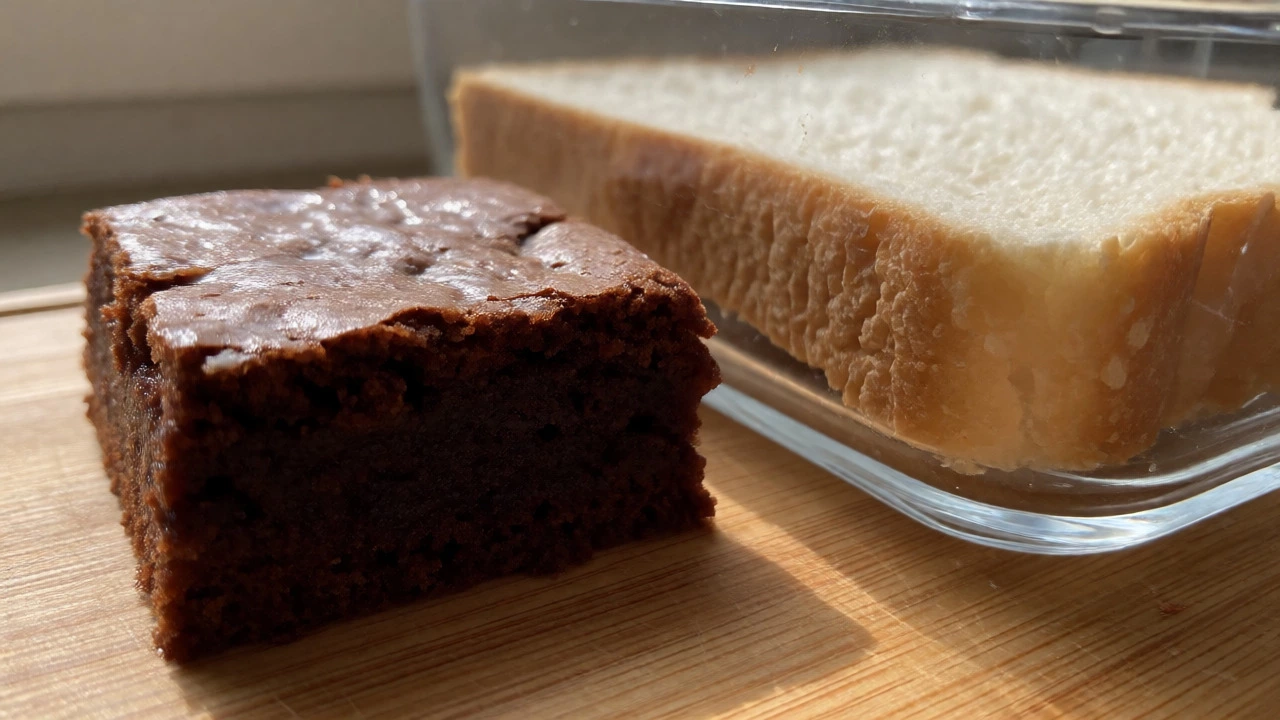
- Room Temperature: Store in an airtight container. Place a slice of white bread in the container with the brownies. The brownies will absorb moisture from the bread, keeping them soft. Replace the bread daily.
- Freezing: Wrap individual squares tightly in plastic wrap, then foil. Freeze for up to 3 months. Thaw at room temperature. Freezing stops the staling process (retrogradation of starch) entirely.
- Reheating: If they feel stiff, microwave a single square for 10 seconds. This re-melts the cocoa butter and releases trapped steam, making them taste fresh-baked again.
Troubleshooting Specific Textures
Not sure what went wrong? Match your symptom to the cause:
| Symptom | Likely Cause | Quick Fix |
|---|---|---|
| Hard/Crunchy Edges | Oven too hot or pan too dark | Lower temp by 25°F; use light pan |
| Cakey/Dry Interior | Too much flour or beaten eggs | Reduce flour; stop mixing early |
| Gummy/Wet Center | Underbaked or too much fat | Bake 2-3 mins longer; check temp |
| Greasy Surface | Chocolate separated during melting | Emulsify better; cool mixture before adding eggs |
Frequently Asked Questions
Why are my brownies hard after cooling?
Hardness usually results from overbaking or an incorrect flour-to-fat ratio. Overbaking evaporates moisture, leaving behind hardened sugar and starch structures. Using too much flour creates a cake-like crumb that dries out quickly. Ensure you pull the brownies out when the center still jiggles slightly.
Can I substitute oil for butter to keep brownies moist?
Yes, oil keeps brownies moister longer than butter because it remains liquid at room temperature. However, oil lacks the flavor complexity of butter. For the best balance of moisture and taste, use a blend of both or stick to butter but ensure you do not overbake.
Does adding extra egg yolks help prevent dryness?
Absolutely. Egg whites contain protein that sets firm and can make brownies cakey. Egg yolks are high in fat and lecithin, which acts as an emulsifier. Adding one extra yolk increases richness and tenderness without adding excess water that leads to steam and dryness.
How long do homemade brownies stay soft?
Stored in an airtight container at room temperature, well-made fudgy brownies stay soft for 3 to 4 days. After that, starch retrogradation occurs, causing them to harden. Refrigeration actually accelerates staling in many baked goods, so avoid the fridge unless necessary. Freezing extends shelf life to several months.
What is the ideal internal temperature for fudgy brownies?
For fudgy brownies, aim for an internal temperature of 180°F to 190°F (82°C to 88°C). Above 200°F (93°C), the proteins tighten significantly, squeezing out moisture and resulting in a cakey or dry texture. Use an instant-read thermometer for precision.

Write a comment