

Brownie Doneness Diagnostic Tool
Select the characteristics of your brownies to get a diagnosis and professional advice.
Pro Tip:
You’ve set the timer. The kitchen smells like melted chocolate and happiness. But when you open that oven door, panic sets in. Is it done? Did I underbake it? Is it a dry brick waiting to happen?
Knowing exactly how a brownie should look when it comes out of the oven is the single most important skill for mastering this dessert. Unlike a cake, which needs to be fully cooked throughout, a brownie relies on residual heat to finish cooking. If you wait until it looks "done" inside the oven, you will almost certainly overbake it.
Here is your visual and tactile guide to pulling perfect brownies from the oven every time.
The Golden Rule: Pull It Early
The biggest mistake home bakers make is treating brownies like cakes. A cake is done when a toothpick comes out clean. A brownie is done when a toothpick comes out with moist crumbs attached. Why? Because the center of a brownie continues to cook for about five to ten minutes after you remove it from the oven. This process is called carryover cooking.
If you bake them until they look solid and dry in the pan, the center will turn into a dense, dry puck by the time it cools. You want the interior to be slightly wet and shiny when it leaves the heat source. As it rests, that moisture redistributes, creating that signature fudgy texture we all crave.
Visual Cues: What to Look For
Your eyes are your best tool before you even touch the pan. Here is what a perfectly baked batch looks like through the glass:
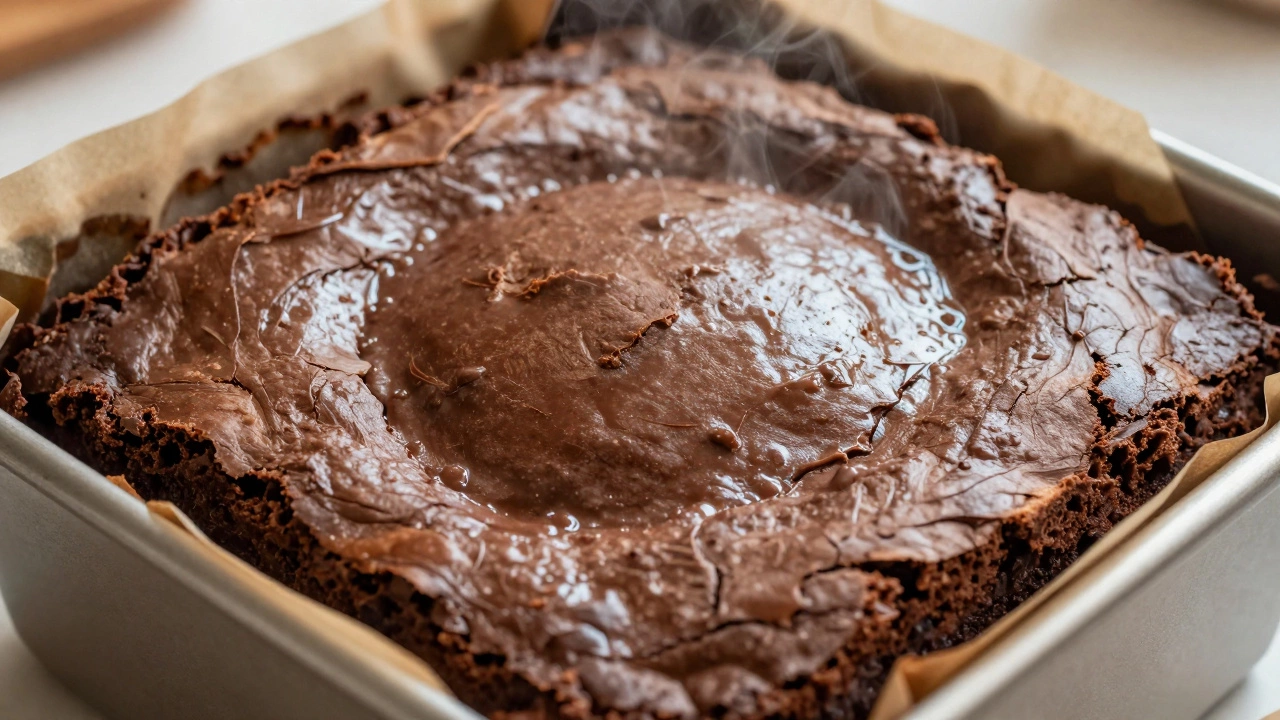
- The Edges: The sides of the brownies should have pulled away slightly from the parchment paper or the sides of the pan. They should look firm and set, not jiggly.
- The Crust: A thin, papery crust should form on top. This is normal and desirable. It shouldn’t be thick or cracked deeply (unless you’re making crackle-top brownies, but even then, the cracks shouldn’t go all the way down).
- The Center: The middle should still look slightly soft and glossy. It might even look a bit raw. Don’t panic. That sheen indicates moisture, which equals fudgeiness.
If the entire surface looks matte and dry, you’ve likely gone too far. If it looks completely liquid and sloshing around, give it another 3-5 minutes.
The Toothpick Test: Decoding the Results
Insert a wooden toothpick or skewer into the center of the pan. Watch closely as you pull it out. Here is how to interpret the three possible outcomes:
- Clean Toothpick: Bad news. Your brownies are overbaked. They will be cakey at best and dry at worst. Next time, take them out 5 minutes earlier.
- Wet Batter: Too soon. The batter is still raw. Return the pan to the oven for 3-5 more minutes and check again.
- Moist Crumbs: Jackpot. The toothpick should come out with a few sticky, moist crumbs clinging to it. No wet batter, but definitely not clean. This is the sweet spot for fudgy brownies.

Fudgy vs. Cakey: Different Goals Require Different Looks
Not all brownies are created equal. Your target appearance changes based on the texture you want.
| Feature | Fudgy Brownies | Cakey Brownies |
|---|---|---|
| Center Appearance | Glossy, slightly soft, moist | Matte, firm, springy back |
| Toothpick Result | Moist crumbs | Clean or very few dry crumbs |
| Edge Pull-Away | Slight separation | Clear separation from pan |
| Bounce Back | Minimal bounce; feels heavy | Springy; bounces back quickly |
If you prefer a lighter, airier texture, bake until the center springs back when lightly touched. For that dense, chewy experience, stop while the center still feels heavy and soft.
The Cooling Phase: Where the Magic Happens
Once the brownies are out of the oven, do not cut them immediately. I know it’s hard. The smell is intoxicating. But cutting hot brownies leads to mushy edges and broken squares.
Let them cool in the pan on a wire rack for at least 20 to 30 minutes. During this time, the structure sets. The residual heat finishes cooking the center gently without drying it out. The fats (butter and chocolate) begin to solidify, giving the brownie its shape and snap.
If you try to lift a square out of the pan while it’s hot, it will crumble. Patience is part of the recipe.
Troubleshooting Common Visual Issues
Sometimes things don’t go according to plan. Here is how to diagnose common problems based on how your brownies look:
- Sunken Center: This usually means the brownies were underbaked or the oven temperature was too low. The structure didn’t set before cooling. Next time, ensure your oven is preheated properly and bake a minute or two longer.
- Excessive Cracking: While some cracking is good, deep fissures can mean the oven was too hot or the batter was overmixed. Overmixing develops gluten, leading to a tougher texture. Mix just until combined.
- Sticking to Pan: If the brownies won’t release, they may have been underbaked (too much moisture) or the pan wasn’t lined correctly. Always use parchment paper with an overhang on the sides for easy lifting.
Pro Tips for Perfect Presentation
To get those bakery-style photos and perfect squares, follow these final steps:
- Line the Pan Properly: Use parchment paper that extends up the sides of the pan. This allows you to lift the entire slab out once cooled, ensuring clean cuts.
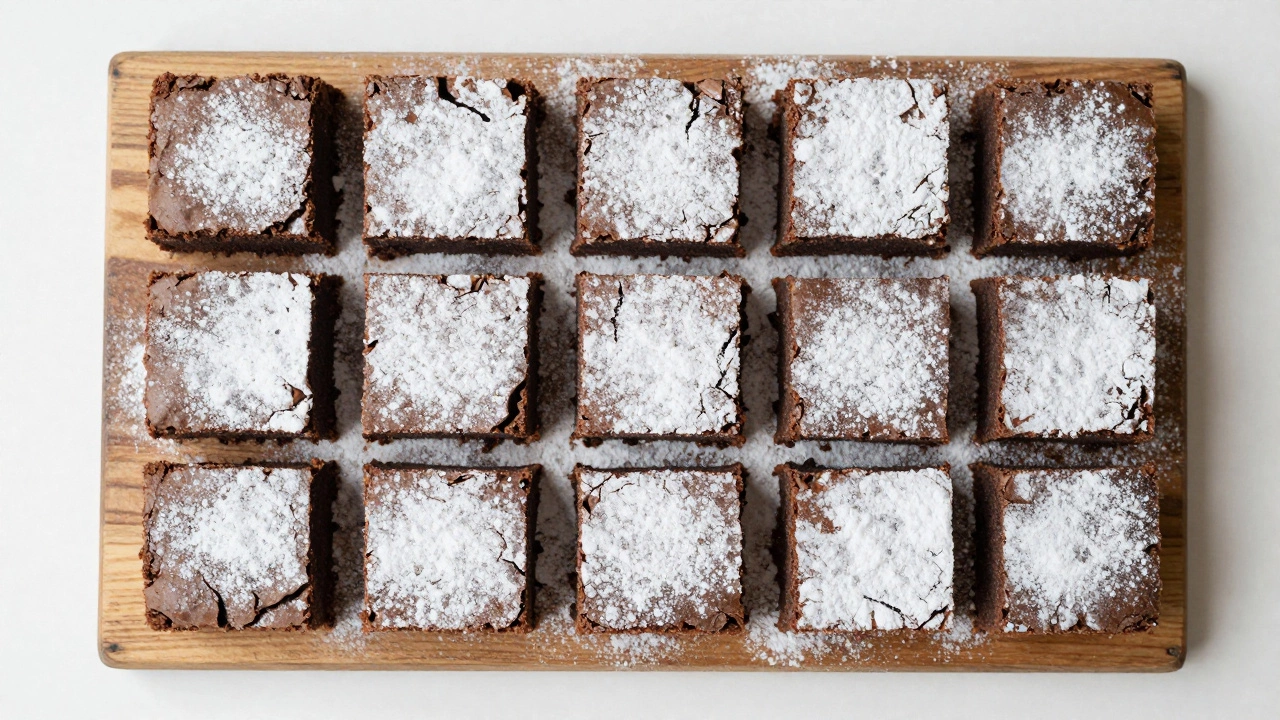
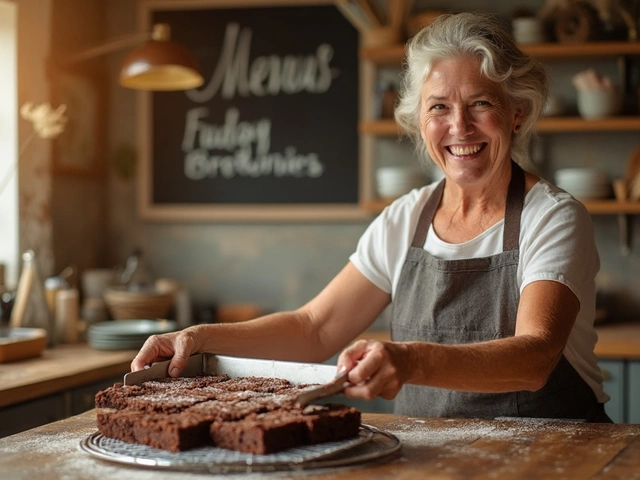
- Use a Hot Knife: Run your knife under hot water and wipe it dry between each cut. This prevents dragging and crumbling, giving you sharp, clean edges.
- Dust with Powdered Sugar: Just before serving, sift a light layer of powdered sugar over the top. It hides minor imperfections and adds a professional touch.
Mastering the look of a brownie as it exits the oven takes practice. Start by checking early. It’s easier to put them back in for two minutes than to fix a dry, overbaked batch. Trust your eyes, trust the toothpick, and let the cooling process do the rest.
Why do my brownies look raw in the middle but are done on the outside?
This is actually normal for fudgy brownies. The center should look slightly glossy and soft when it comes out of the oven. The residual heat will continue to cook the center as it cools. If it looks completely liquid and sloshes when you shake the pan, it needs more time. If it’s just shiny and soft, leave it alone and let it cool.
How long should brownies cool before cutting?
You should let brownies cool in the pan for at least 20 to 30 minutes. Cutting them while they are hot will result in messy, crumbly pieces because the structure hasn’t fully set. For the cleanest cuts, wait until they are completely cool to room temperature.
What does a clean toothpick mean for brownies?
A clean toothpick means your brownies are overbaked. Unlike cakes, brownies should have moist crumbs sticking to the toothpick. If it comes out clean, the center has dried out and will likely be tough or cakey rather than fudgy.
Why did my brownies sink in the middle?
A sunken center usually indicates underbaking or opening the oven door too frequently during baking. The structure needs enough heat to set before cooling. Ensure your oven is properly preheated and avoid peeking until the last few minutes of baking.
Should brownies be crispy on top?
Yes, a thin, papery crust on top is ideal. It provides a nice textural contrast to the fudgy interior. However, if the crust is thick, hard, or deeply cracked, the oven temperature may have been too high. Aim for a delicate, shiny film rather than a hard shell.


Write a comment