

Gluten-Free Cake Ingredient Analyzer
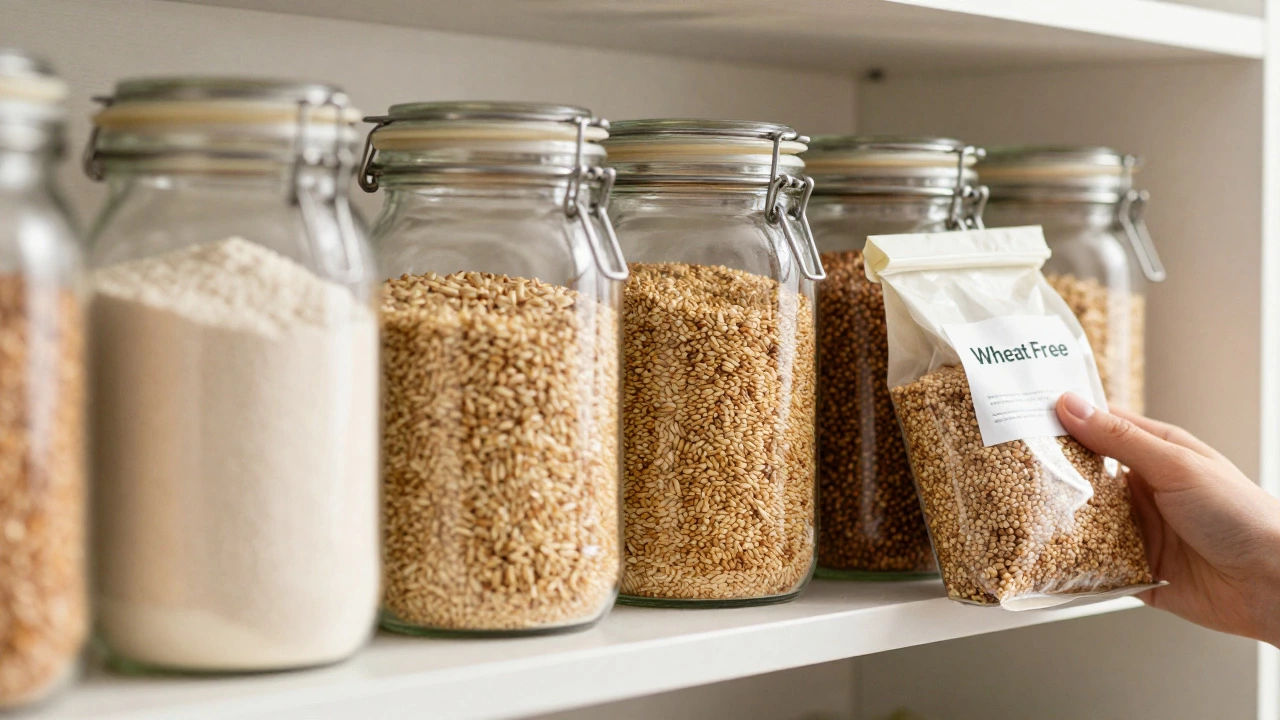
You stare at the pantry shelf, holding a bag of flour that promises "wheat-free" but leaves you wondering if it’s actually safe. If you are navigating a gluten-free lifestyle, whether for celiac disease, non-celiac gluten sensitivity, or personal preference, knowing what is truly safe is your first line of defense. It is not just about swapping one ingredient for another; it is about understanding which foods are naturally free from gluten and how to use them effectively, especially when you want to bake something delicious like a cake.
Gluten is a protein found in wheat, barley, and rye. It gives dough its elasticity and helps bread rise. For most people, it is harmless. For others, it triggers inflammation, digestive distress, and long-term health issues. The good news? You do not need to rely solely on expensive specialty flours to eat well. There are nine foundational foods that are naturally gluten-free, safe to eat, and perfect for building meals-or even desserts-without the worry.
The Grain Alternatives: Rice, Quinoa, and Buckwheat
When we think of carbs, we usually think of wheat. But several ancient grains have been around for thousands of years and contain zero gluten. These are not just side dishes; they are versatile bases for many recipes.
Rice is the most common and accessible gluten-free grain worldwide. Whether it is white jasmine rice, brown basmati, or wild black rice, pure rice is naturally safe. In baking, rice flour is a staple because it mimics the texture of wheat flour better than most alternatives. You can make rice milk, rice paper rolls, or simply cook it as a fluffy side dish. Just remember: cross-contamination happens. Always check labels on pre-packaged rice mixes to ensure they were processed in a gluten-free facility.
Quinoa is a pseudo-grain that is technically a seed, offering complete protein and a nutty flavor. Unlike rice, quinoa has a distinct taste and a slight crunch, making it excellent for salads or as a risotto alternative. For baking, quinoa flour adds moisture and density, which is great for dense cakes or muffins. It is rich in magnesium and iron, giving you nutritional value alongside safety.
Buckwheat is despite its name, completely unrelated to wheat and entirely gluten-free. This is a crucial distinction. Buckwheat groats (kasha) are hearty and earthy. Buckwheat flour is legendary in gluten-free baking because it has a strong structure, similar to wheat. If you are trying to make a gluten-free sourdough or a robust loaf, buckwheat is your best friend. It pairs beautifully with savory toppings or sweet additions like honey and berries.
The Starchy Powerhouses: Potatoes and Corn
Sometimes you need bulk without the grain texture. Starchy vegetables and corn provide that foundation.
Potatoes are versatile tubers that serve as both food and binding agents in gluten-free cooking. A baked potato is naturally gluten-free. But here is the pro tip: potato starch and potato flour are game-changers in baking. Potato starch makes cookies crisp on the outside and chewy on the inside. Potato flour adds moisture and density. When you buy a box mix labeled "gluten-free," potato starch is almost always in there. It is cheap, effective, and widely available in any supermarket in Auckland or beyond.
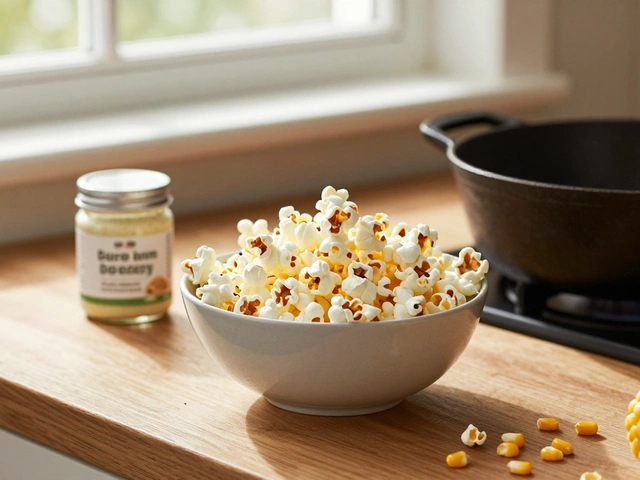
Corn is a natural gluten-free grain that comes in many forms, from fresh kernels to fine flour. Cornmeal is essential for making polenta or adding grits to a batter. Cornstarch is a thickening agent used in sauces and gravies instead of wheat flour. However, be careful with processed corn products. Some corn chips or flavored corn snacks might be dusted with wheat-based seasoning. Stick to plain cornmeal, cornstarch, and fresh corn on the cob to stay safe.
The Nut and Seed Flours: Almonds and Coconut
If you want to ditch grains entirely, nuts and seeds offer high-protein, low-carb alternatives that are naturally gluten-free.
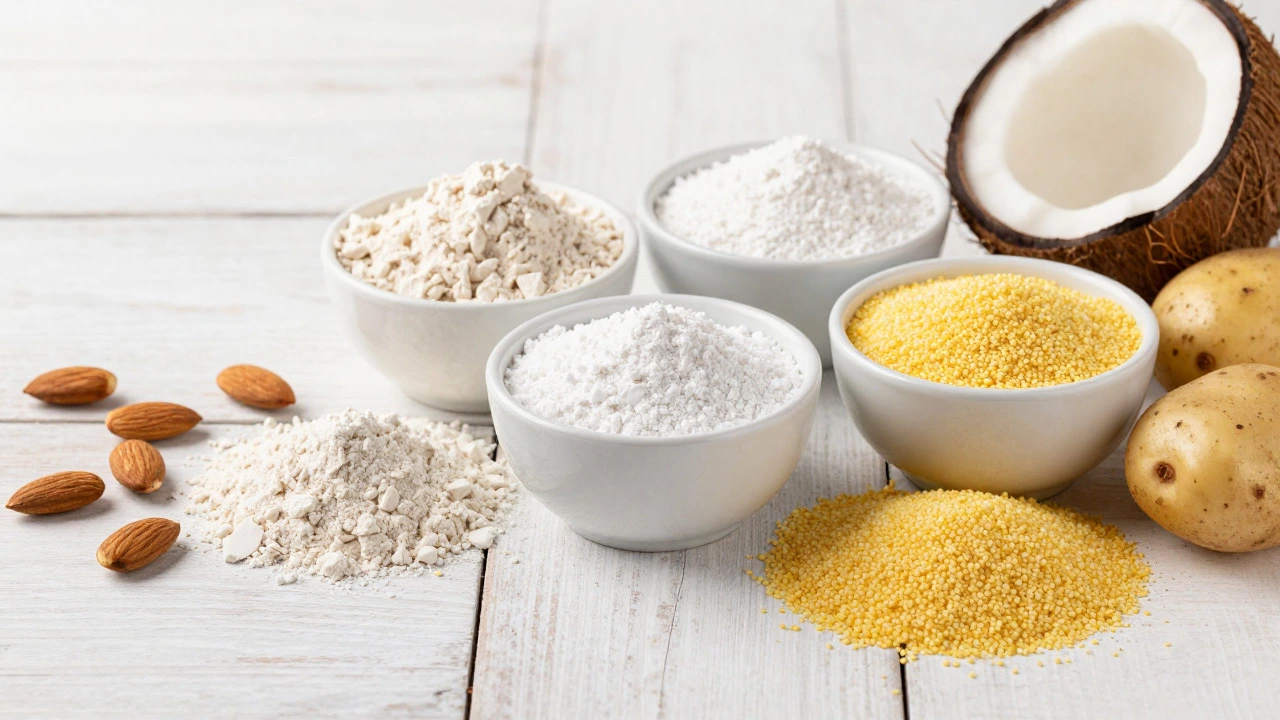
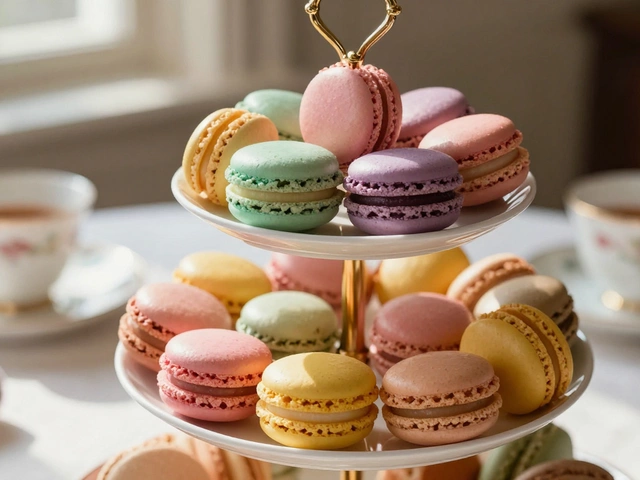
Almonds are rich in healthy fats and vitamin E, making almond flour a premium ingredient for gluten-free baking. Almond flour is made by grinding blanched almonds into a fine powder. It creates moist, tender crumb structures, which is why it is so popular in gluten-free cakes and macarons. Because it lacks gluten, it does not bind well on its own, so you often pair it with eggs or xanthan gum. It is more expensive than rice flour, but the flavor payoff is worth it.
Coconut refers to both coconut meat and coconut flour, which are highly absorbent and add a tropical sweetness. Coconut flour is made from dried, defatted coconut meat. It is incredibly thirsty-you need more liquid and eggs when using it. A little goes a long way. It is perfect for pancakes, brownies, and dense cakes. Like almonds, it is naturally gluten-free, but again, watch out for cross-contamination if it is processed in a facility that also handles wheat.
The Protein Sources: Meat, Eggs, and Dairy
Animal products are naturally gluten-free, but processing can introduce hidden dangers.
Eggs are essential binders in gluten-free baking since they replace the structural role of gluten. A whole egg provides fat and protein. Egg whites add lift. In a gluten-free cake recipe, you will often see extra eggs compared to a wheat-based version. They hold everything together. Plain eggs are safe, but avoid pre-made egg substitutes unless you verify they are gluten-free, as some contain fillers.
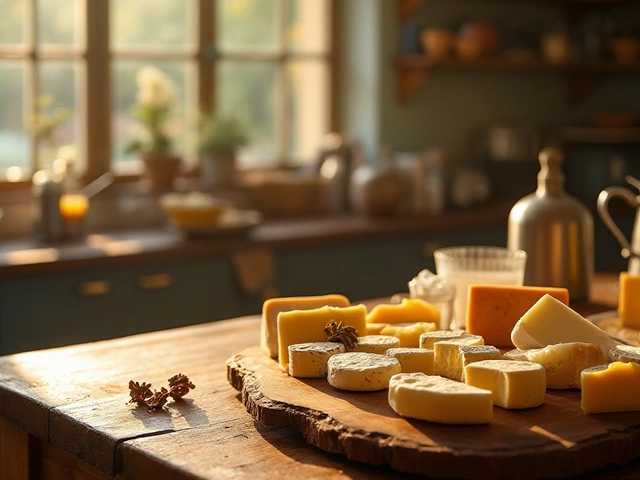
Dairy includes milk, butter, cheese, and yogurt, all of which are naturally gluten-free. Plain milk and cream are safe. Butter is safe. Cheese is generally safe, but beware of pre-shredded cheese, which sometimes uses wheat starch as an anti-caking agent. Stick to blocks of cheese and grate them yourself. Yogurt is safe, but flavored yogurts might have cookie pieces or thickeners derived from wheat. Read the label.
Fresh Meat and Poultry are naturally gluten-free proteins that require no modification to be safe. A chicken breast, a beef steak, or a salmon fillet contains no gluten. The danger lies in marinades, rubs, and breading. Soy sauce often contains wheat. Teriyaki sauce usually has wheat. BBQ sauce can have malt vinegar (from barley). If you stick to salt, pepper, herbs, and oil, your meat stays safe. Processed meats like sausages or deli slices often contain breadcrumbs or fillers, so treat them with caution.
The Fruit and Vegetable Base
Whole fruits and vegetables are the safest foods on the planet regarding gluten. They come in their own packaging-skin-and rarely get contaminated.
Fruits and Vegetables are naturally gluten-free whole foods that form the base of a healthy diet. Apples, bananas, berries, carrots, spinach-all safe. The only risk is preparation. Was the fruit washed in a sink that also held raw pasta water? Was the vegetable cut on a board that had bread crumbs? As long as you keep your prep area clean, these are your safest bets. They add volume, vitamins, and fiber to your meals without any gluten anxiety.
Comparison of Gluten-Free Staples
| Food Item | Primary Use | Texture/Flavor Profile | Baking Tip |
|---|---|---|---|
| Rice Flour | Base flour | Mild, light, slightly gritty | Blend with starches for softness |
| Almond Flour | Moisture/Fat source | Nutty, dense, moist | Use in cakes and cookies for richness |
| Buckwheat Flour | Structure builder | Earthy, robust, dark | Great for loaves and hearty breads |
| Coconut Flour | Absorbent thickener | Sweet, dry, fibrous | Requires extra liquid and eggs |
| Potato Starch | Tenderizer | Invisible, neutral | Adds crispness to cookies |
| Quinoa | Whole grain substitute | Nutty, crunchy | Use flour for dense baked goods |
| Cornstarch | Thickener | Neutral, smooth | Replace wheat flour in sauces 1:1 |
Hidden Dangers: What to Avoid Even If It Looks Safe
Knowing what is safe is half the battle. Knowing what looks safe but isn’t is the other half. Here are the traps:
- Oats: Pure oats are gluten-free, but they are almost always processed in facilities with wheat. Unless the package says "Certified Gluten-Free Oats," assume they are contaminated.
- Soy Sauce: Traditional soy sauce is made with wheat. Look for tamari, which is often gluten-free, but still check the label.
- Modified Food Starch: In the US and New Zealand, this can be derived from wheat. If the source isn't listed, avoid it or contact the manufacturer.
- Pre-packaged Salads: Croutons are obvious, but dressings often contain wheat-based thickeners or malt vinegar.
Putting It Together: A Simple Gluten-Free Cake Strategy
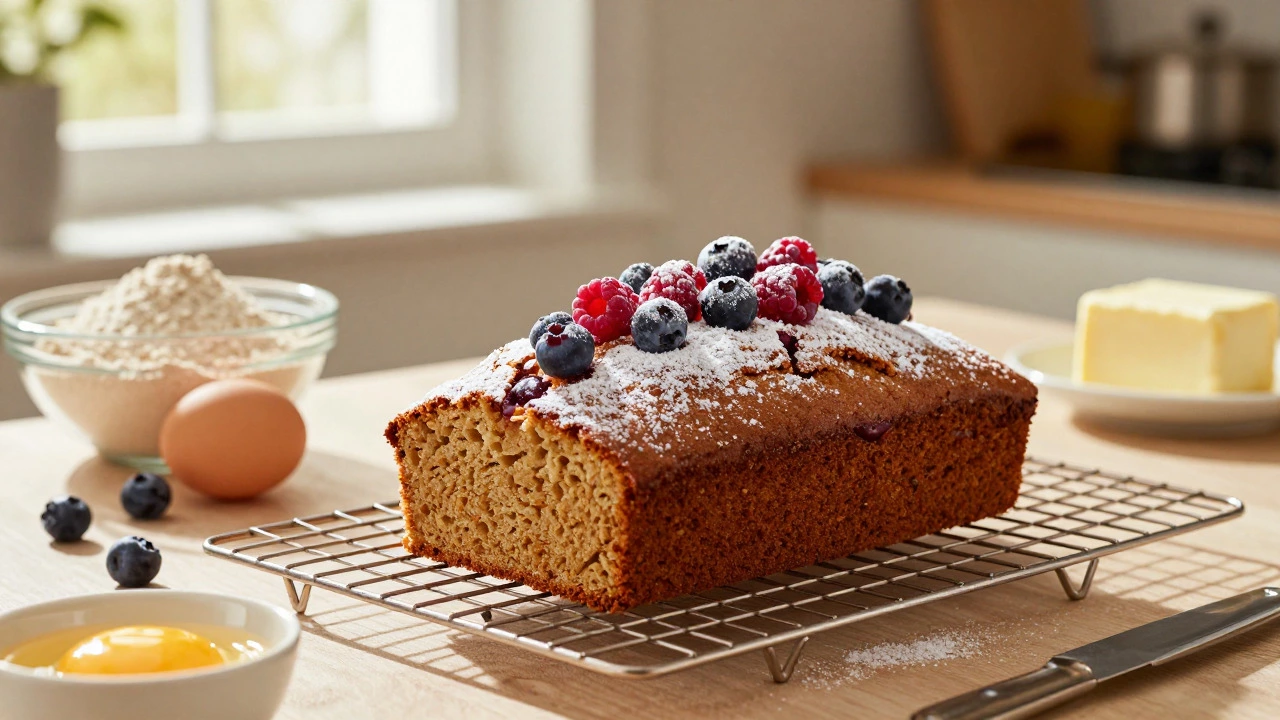
You now have nine safe foods. How do you make a cake? Let’s say you want a simple vanilla sponge. You cannot just swap wheat flour for rice flour 1-to-1. It will be crumbly. Instead, use a blend. A common ratio is 50% almond flour for moisture and 50% rice flour or potato starch for structure. Add extra eggs to bind. Use dairy butter for fat. Mix in fresh berries for flavor. Bake as usual. The result? A dense, moist, delicious cake that is safe for everyone.
Start with these nine foundations. Master them. Then expand. Your pantry becomes a place of confidence, not fear.
Is rice flour safe for someone with celiac disease?
Yes, pure rice flour is naturally gluten-free and safe for celiac disease. However, always check the packaging for a "certified gluten-free" label to ensure it was not processed in a facility that handles wheat, barley, or rye, which could cause cross-contamination.
Can I use regular oats in gluten-free baking?
Generally, no. While oats themselves do not contain gluten, they are frequently contaminated during harvesting and processing. For strict gluten-free diets, especially for celiac disease, you must use oats labeled "certified gluten-free."
Why does my gluten-free cake turn out dry?
Gluten-free flours like rice and almond absorb moisture differently than wheat flour. To prevent dryness, increase the fat content (use more butter or oil), add an extra egg, or incorporate ingredients like yogurt or applesauce. Also, avoid over-baking, as gluten-free cakes dry out faster.
Is cornstarch the same as corn flour?
No. Cornstarch is a fine powder extracted from the endosperm of the corn kernel, used primarily as a thickener. Corn flour (or cornmeal) is ground whole corn kernels. Both are gluten-free, but they serve different purposes in cooking and baking.
Are all vegetables naturally gluten-free?
Yes, all whole, fresh vegetables are naturally gluten-free. The risk comes from preparation methods, such as frying in shared oil with breaded foods, or added sauces and seasonings that may contain wheat-derived ingredients.
What is the best substitute for wheat flour in cakes?
There is no single best substitute. A blend works best. Combining almond flour (for moisture and fat) with rice flour or potato starch (for structure) creates a texture closest to traditional wheat cakes. Adding xanthan gum or psyllium husk can also help bind the ingredients.
Is soy sauce gluten-free?
Traditional soy sauce contains wheat and is not gluten-free. However, tamari is a Japanese soy sauce variant that is often gluten-free. Always check the label to confirm it is certified gluten-free, as formulations vary by brand.

Write a comment