

Vegan Marshmallow Label Checker
-
Gelatin (Pork/Beef) Non-VeganThe primary gelling agent in standard marshmallows.
-
Agar-Agar / Carrageenan VeganSeaweed-derived gelling agents used in vegan versions.
-
Honey Animal ProductDerived from bees; avoided by strict vegans.
-
Carmine / Cochineal / E120 Non-VeganRed pigment made from crushed insects.
-
Egg Whites Non-VeganSometimes used in artisanal or meringue-style treats.
-
Milk / Whey / Casein Non-VeganFound in flavored or chocolate-dipped varieties.
-
Tapioca / Potato Starch VeganPlant-based stabilizers for texture.
-
Sugar (Not Organic/Unrefined) Check SourceStandard sugar may be filtered with bone char.
Select ingredients from the left panel and click "Analyze Selection" to see if the marshmallow is vegan-friendly.
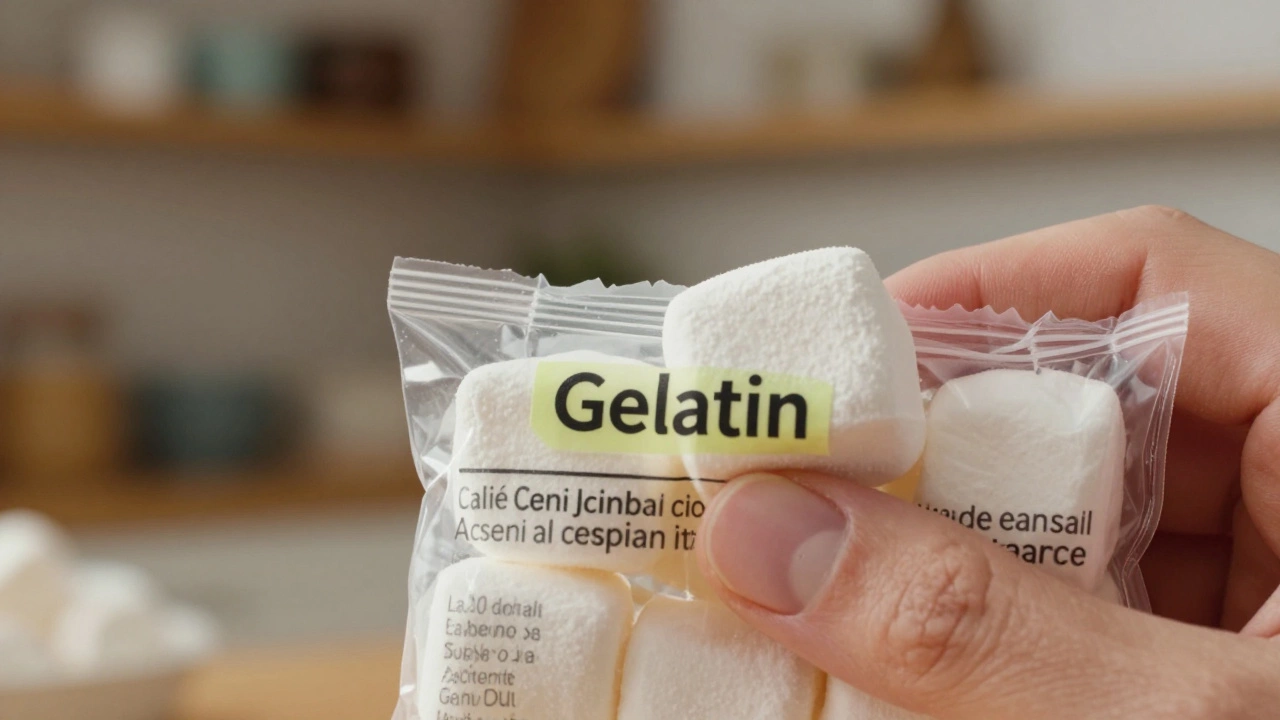
You pull a bag of classic marshmallows out of the pantry for your hot chocolate or s'mores night. You check the label, see "gelatin," and suddenly that fluffy treat looks less appealing if you follow a plant-based diet. It is a common question in any kitchen where dietary preferences vary. Are marshmallows vegan? The short answer is no. Traditional marshmallows are not vegan because they rely on an animal-derived ingredient to get their signature stretchy texture.
However, the landscape of sweet treats has changed significantly over the last decade. If you are looking for that same cloud-like experience without the animal products, you have options. Understanding why standard marshmallows fail the vegan test helps you navigate grocery aisles with confidence and find brands that actually align with your values.
The Problem With Traditional Marshmallows
To understand why most marshmallows are off-limits for vegans, we need to look at what gives them their structure. A standard marshmallow is essentially sugar, water, and corn syrup whipped into a foam. But a foam needs something to hold its shape; otherwise, it would just collapse back into liquid. That stabilizer is gelatin.
Gelatin is a protein obtained by boiling skin, tendons, ligaments, and bones of animals. In the commercial food industry, this almost always means pigs or cows. The process involves extracting collagen from these tissues and hydrolyzing it to create a gelling agent. Because it comes directly from animal slaughterhouses, it is strictly non-vegan.
| Ingredient Role | Standard Marshmallow Source | Vegan Marshmallow Alternative |
|---|---|---|
| Gelling Agent | Gelatin (Pork/Beef) | Agar-Agar, Carrageenan, or Starch |
| Sweetener | Corn Syrup / Sugar | Corn Syrup / Organic Sugar |
| Stabilizer | None (Gelatin acts as both) | Tapioca Starch or Potato Starch |
| Flavoring | Natural Vanilla | Natural Vanilla or Plant-Based Flavorings |
Beyond the ethical concern of animal exploitation, there is also the issue of hidden animal derivatives. Some sugars are processed using bone char, which is derived from cattle bones. While this does not make the sugar itself "meat," many strict vegans avoid it. When buying vegan marshmallows, look for brands that specify "organic sugar" or "unrefined sugar" to ensure no bone char was used in the refining process.
Hidden Non-Vegan Ingredients to Watch For
Gelatin is the obvious red flag, but it is not the only one. As you scan labels for vegan-friendly options, keep an eye out for other sneaky animal-derived ingredients that can appear in confectionery.
- Carmine: This is a deep red pigment made from crushed cochineal insects. It is sometimes used in colored marshmallows or drizzles. Look for "carmine," "cochineal extract," or "E120" on the label.
- Honey: While controversial among vegans due to bee exploitation, honey is technically an animal product. Most vegan marshmallows use agave nectar, maple syrup, or corn syrup instead.
- Egg Whites: Historically, meringue-based desserts used egg whites. Modern marshmallows rarely use eggs, but some artisanal versions might. Always check if the product is labeled "egg-free."
- Dairy: Pure marshmallows do not contain milk, but flavored varieties (like chocolate-dipped or strawberry cream) often include whey, casein, or milk powder.
If you are buying bulk marshmallows from a bakery or a festival stand, assume they are not vegan unless explicitly stated. Cross-contamination with gelatin or dairy is common in facilities that produce traditional sweets.
How Vegan Marshmallows Work
If you remove gelatin, how do you get that bounce? Vegan marshmallows rely on different hydrocolloids-substances that form viscous, gel-like solutions when mixed with water. The most popular substitutes are agar-agar, carrageenan, and various starches.
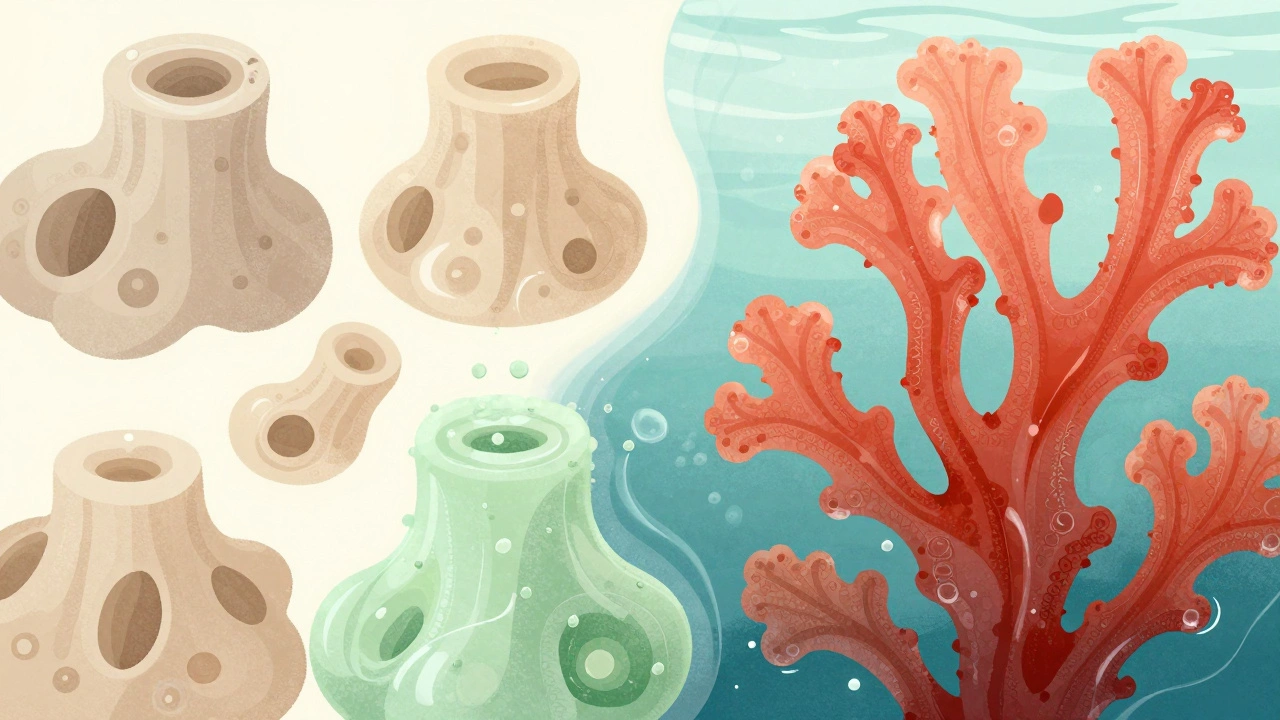
Agar-agar is extracted from red algae. It creates a firmer, more brittle set than gelatin. This means vegan marshmallows can sometimes feel slightly denser or chewier than their gelatin counterparts. To counteract this, manufacturers often blend agar with starches like tapioca or potato starch. These starches add softness and help mimic the melt-in-your-mouth quality of traditional marshmallows.
Carrageenan, derived from Irish moss seaweed, provides elasticity. It is excellent for creating that stretchy pull when you tear a marshmallow apart. Many high-quality vegan brands use a combination of agar and carrageenan to balance firmness and stretch.
The texture difference is noticeable but improving. Early vegan marshmallows were often too hard or crumbly. Today, thanks to better formulation techniques, brands like Dandies and Sweet Earth offer textures that are nearly indistinguishable from the original, especially when toasted.
Top Vegan Marshmallow Brands Available in 2026
Finding reliable vegan marshmallows used to require hunting down specialty health food stores. Now, you can find them in mainstream supermarkets across New Zealand, Australia, and North America. Here are some of the most trusted brands currently on the market.
Dandies is perhaps the most widely recognized brand. They use organic cane sugar and corn syrup, stabilized with agar-agar and modified food starch. Their marshmallows are known for holding up well under heat, making them ideal for s'mores. They come in plain white and various fruit flavors.
Sweet Earth offers a range of vegan marshmallows that are free from artificial colors and flavors. They use a blend of tapioca starch and carrageenan. Their texture is softer and more delicate, which makes them perfect for eating straight out of the bag or melting into hot cocoa.
YumEarth focuses on organic and non-GMO ingredients. Their marshmallows are smaller and often come in fun shapes. They are a great option for kids' parties because they are free from major allergens like nuts and soy.
In New Zealand, local brands and importers are increasingly stocking vegan options. Check the "free-from" sections in larger supermarkets like Woolworths or Pak'nSave. If you cannot find a dedicated brand, look for generic store-brand marshmallows labeled "plant-based" or "vegan certified."
Making Vegan Marshmallows at Home
If you want complete control over ingredients-or simply enjoy baking-making vegan marshmallows is easier than you might think. You do not need expensive equipment, just a candy thermometer and a bit of patience.
The basic recipe involves heating sugar, water, and corn syrup to the soft-ball stage (around 240°F or 115°C). Meanwhile, you hydrate agar powder in water. Once the sugar syrup reaches temperature, you slowly pour it into a standing mixer bowl containing the hydrated agar and vanilla extract. You whip the mixture on high speed until it cools and doubles in volume. Finally, you spread the fluff onto a parchment-lined tray dusted with cornstarch and let it set for several hours before cutting.
Homemade marshmallows allow you to customize flavors. Try adding matcha powder for a green tea twist, or swirl in raspberry puree for a fruity variation. Because you control the ratio of agar to starch, you can adjust the texture to be firmer for toasting or softer for snacking.
Vegan Marshmallows in Recipes
Vegan marshmallows behave differently under heat compared to gelatin-based ones. Gelatin melts smoothly and becomes gooey. Agar-based marshmallows can become watery if overheated because agar dissolves at higher temperatures but can release water when broken down.
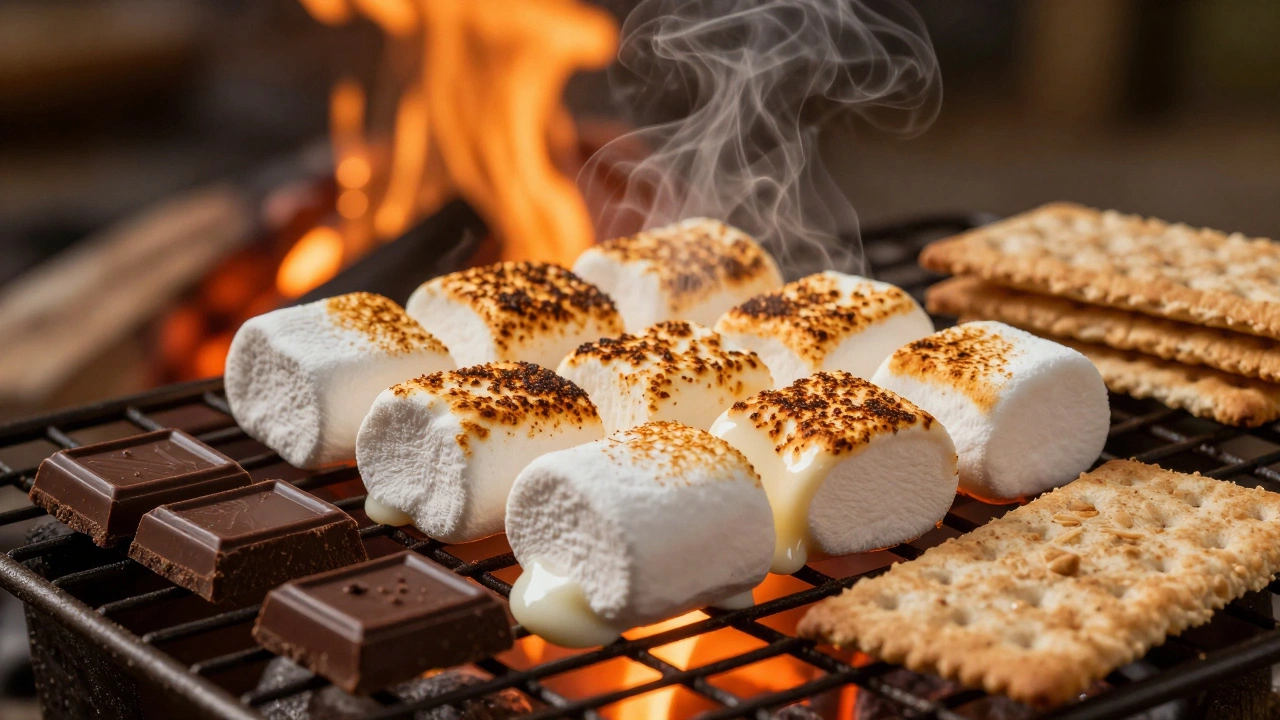
For s'mores, use a thicker, sturdier brand like Dandies. Toast them briefly over the fire or broiler. They will brown nicely and soften without turning into a puddle immediately. Pair them with vegan dark chocolate and gluten-free graham crackers for a complete plant-based campfire treat.
For hot chocolate, add the marshmallows at the very end. Let the hot liquid sit for a minute so the marshmallows melt gently. If you boil them, they may disintegrate. For a richer drink, use oat milk or almond milk, which complement the sweetness of the marshmallows.
In baking, such as macaroon cookies or rice crispy treats, vegan marshmallows work perfectly. Melt them gently in a microwave or double boiler, then mix with your dry ingredients. They provide the necessary stickiness to hold the treats together.
Is There a Difference in Taste?
Pure marshmallows are mostly sugar and air, so the taste difference between vegan and non-vegan versions is minimal. The primary distinction lies in texture rather than flavor. Some people report that agar-based marshmallows have a slight "sea vegetable" aftertaste, but this is rare in modern commercial products where the agar is highly refined and masked by vanilla.
If you are sensitive to texture, you might notice that vegan marshmallows are less elastic. They snap more cleanly when bitten rather than stretching indefinitely. This is a trade-off for avoiding animal products, but most consumers find the difference negligible once the marshmallow is melted or incorporated into a dessert.
Are mini marshmallows vegan?
Most standard mini marshmallows, such as those found in cereal boxes or hot chocolate kits, are NOT vegan. They typically contain gelatin derived from pork or beef. However, brands like Dandies and Sweet Earth offer vegan mini marshmallows. Always check the ingredient list for "gelatin" or look for a "vegan" certification logo.
Can I eat marshmallows if I am vegetarian?
This depends on your personal definition of vegetarianism. Since gelatin is made from animal bones and skin, it is not considered vegetarian by most standards, even though it does not involve direct bloodshed during processing. Many vegetarians avoid gelatin for ethical reasons. If you are unsure, opt for vegan marshmallows to be safe.
What is the best substitute for gelatin in marshmallows?
The best substitute for gelatin in marshmallows is a combination of agar-agar and starch (such as tapioca or potato starch). Agar provides the structural set, while starch adds softness and prevents the marshmallow from becoming too rubbery. Carrageenan is another effective alternative for adding elasticity.
Do vegan marshmallows melt the same way?
Vegan marshmallows melt similarly but can release more moisture. Gelatin creates a stable, gooey melt. Agar-based marshmallows may become slightly watery if exposed to high heat for too long. For s'mores, toast them quickly to achieve a golden brown exterior without breaking down the interior structure completely.
Are all white marshmallows vegan?
No, color is not an indicator of ingredients. White marshmallows traditionally contain gelatin. You must read the ingredient list to confirm if they are vegan. Look for terms like "plant-based," "agar-agar," or "starch-based" instead of "gelatin."



Write a comment