

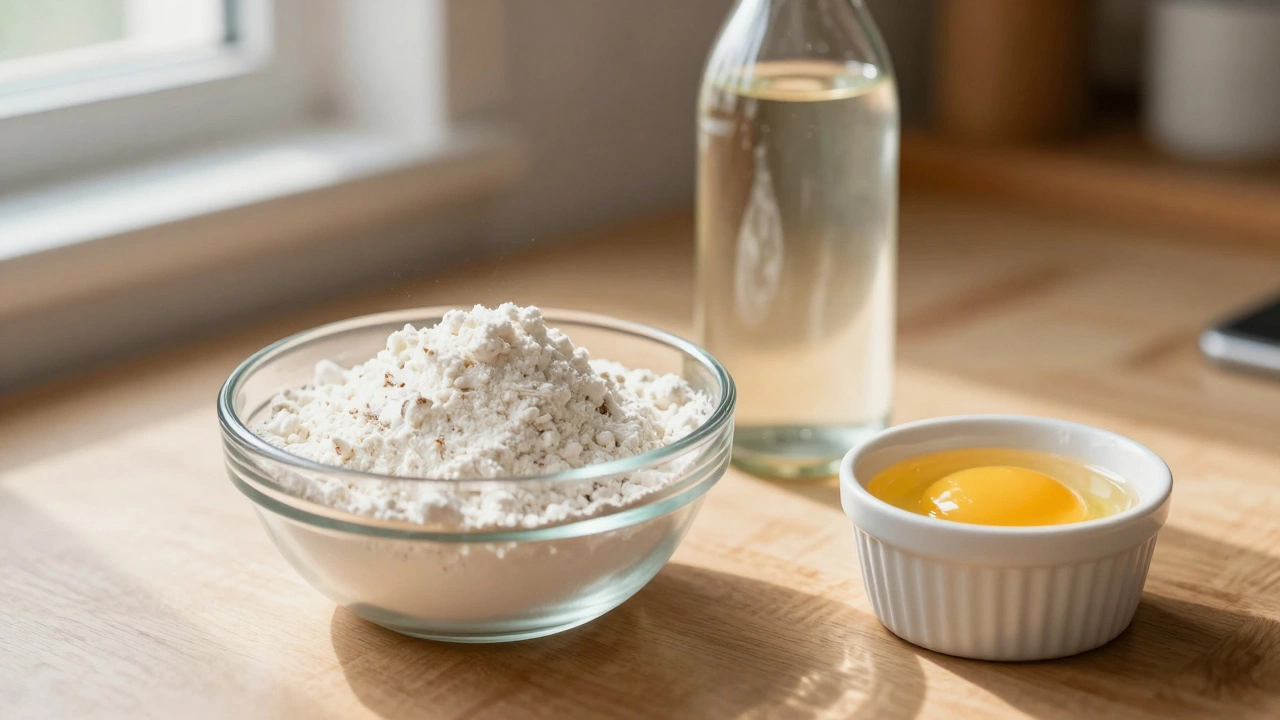
Pavlova Ingredient Calculator
Required Ingredients
-
Cornflour (Crispness)-- tbsp
-
White Vinegar (Structure)-- tsp
-
Caster Sugar (Sweetener)-- cups
You’ve whipped the egg whites until your arm aches. You’ve added sugar slowly, carefully. But when you pull that pavlova out of the oven, it’s collapsed into a sad, flat puddle or cracked open like an earthquake zone. If this sounds familiar, you’re not alone. The secret to a crisp shell and a marshmallow-soft center isn’t just patience-it’s chemistry. Specifically, two humble ingredients that seem out of place in a sweet dessert: cornflour (also known as cornstarch) and white vinegar.
It feels counterintuitive. Why add starch and acid to a dessert made entirely of eggs and sugar? The answer lies in how these ingredients interact with the protein structure of egg whites. They don’t just improve the texture; they fundamentally change how the meringue behaves under heat. Let’s break down exactly what each ingredient does and why skipping them is a risky move.
The Role of Cornflour: Drying Out the Meringue
Cornflour is a fine powder made from the starchy endosperm of maize. In the context of meringue, its job is simple but critical: it absorbs moisture.
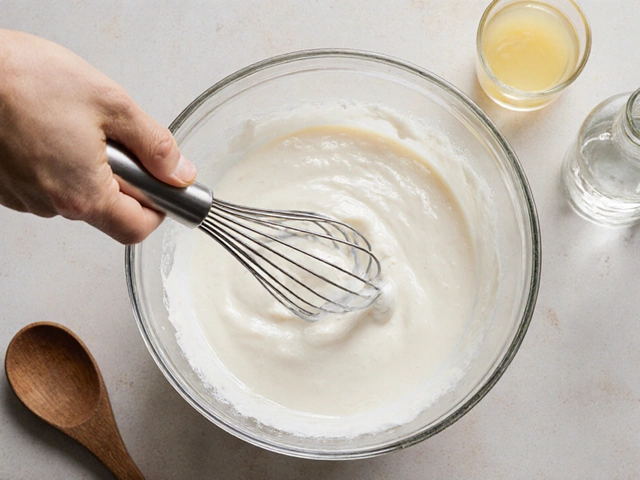
Egg whites are mostly water. When you whip them, you trap air bubbles within a network of proteins. Sugar stabilizes this foam, but it also attracts water (a property called hygroscopy). Without something to manage that excess moisture, the inside of your pavlova stays wet and chewy-sometimes unpleasantly so-or worse, the outside never gets that signature crisp crackle because the surface remains too damp.
Cornflour acts as a desiccant. It soaks up the free water in the egg white mixture. This has two major benefits:
- A Crisper Shell: By reducing the water content on the surface, the meringue dries out faster in the oven. This allows the exterior to form a thin, glass-like crust rather than staying soft and leathery.
- A Cleaner Cut: Have you ever tried slicing a pavlova only to have the filling ooze out because the base was soggy? Cornflour helps keep the interior firm enough to hold its shape while still remaining tender.
Most recipes call for about one tablespoon of cornflour per six egg whites. It’s folded in gently at the very end, after the sugar has fully dissolved. If you skip it, you might get away with it if your kitchen is very dry, but in humid climates (like Auckland, where I live), omitting cornflour is often the reason your pavlova turns into a sticky mess.
The Role of Vinegar: Strengthening the Protein Network
If cornflour manages moisture, vinegar manages structure. More specifically, acetic acid, the main component in vinegar, strengthens the bonds between egg proteins.
Egg whites contain proteins called albumins. When you whip them, these proteins unfold and link together, trapping air. However, this network can be fragile. Heat causes the proteins to tighten further, which can squeeze out the air bubbles, leading to shrinkage or collapse. Acid changes this dynamic.
Vinegar lowers the pH of the egg white mixture. In an acidic environment, the positive charges on the protein molecules repel each other less aggressively, allowing them to form a tighter, more cohesive mesh. Think of it like reinforcing the walls of a balloon. A stronger wall means the bubble can expand larger without popping.
This results in three key improvements:
- Better Volume: Your meringue will stand taller and hold its peaks better during baking.
- Reduced Shrinkage: Pavlovas naturally shrink slightly as they cool, but vinegar minimizes this effect, helping the cake maintain its impressive height.
- Whiter Color: Acid inhibits browning reactions. While we want a golden edge, the body of the pavlova should remain pure white. Vinegar helps prevent unwanted greyish tones.
You only need a teaspoon or two. White distilled vinegar is standard because it’s neutral in flavor, but lemon juice or cream of tartar can work similarly. Cream of tartar is actually more common in American meringue recipes, but vinegar is a pantry staple that many Kiwis reach for first.

How They Work Together
Individually, cornflour and vinegar solve specific problems. Together, they create a synergy that defines a classic New Zealand pavlova. Cornflour ensures the texture is right-crisp outside, soft inside. Vinegar ensures the structure is right-tall, stable, and intact.
Without cornflour, even a structurally sound meringue might feel gummy. Without vinegar, even a dry meringue might collapse under its own weight. Using both gives you the best chance of success, especially if you’re making a large pavlova that needs to support heavy toppings like whipped cream and fresh fruit.
| Ingredient | Primary Function | Effect on Texture | Typical Amount (for 6 egg whites) |
|---|---|---|---|
| Cornflour | Absorbs moisture | Crisper shell, less chewiness | 1 tablespoon |
| Vinegar | Stabilizes proteins | Taller volume, less shrinkage | 1-2 teaspoons |
| Sugar | Sweetens and stabilizes | Smooth, glossy finish | 1 cup (caster sugar) |
Common Mistakes to Avoid
Even with the right ingredients, technique matters. Here are a few pitfalls that undermine the benefits of cornflour and vinegar:
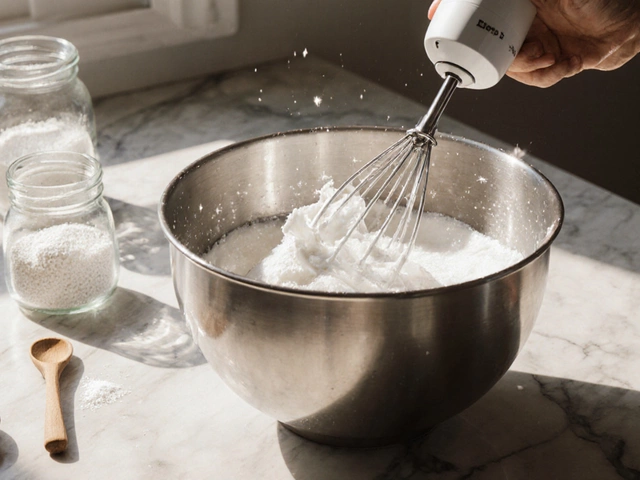
- Adding Sugar Too Fast: If you dump all the sugar in at once, it won’t dissolve properly. Undissolved sugar crystals make the meringue weep (release liquid) during baking, defeating the purpose of the cornflour. Add sugar one tablespoon at a time, waiting until each addition is fully incorporated before adding more.
- Overmixing After Adding Cornflour: Once you fold in the cornflour, stop mixing immediately. Overbeating at this stage can deflate the delicate air bubbles you’ve worked so hard to create.
- Opening the Oven Door: Sudden temperature drops cause the meringue to contract rapidly. Since vinegar helps stabilize the structure, it can withstand minor fluctuations, but opening the door mid-bake is a surefire way to crack your pavlova.
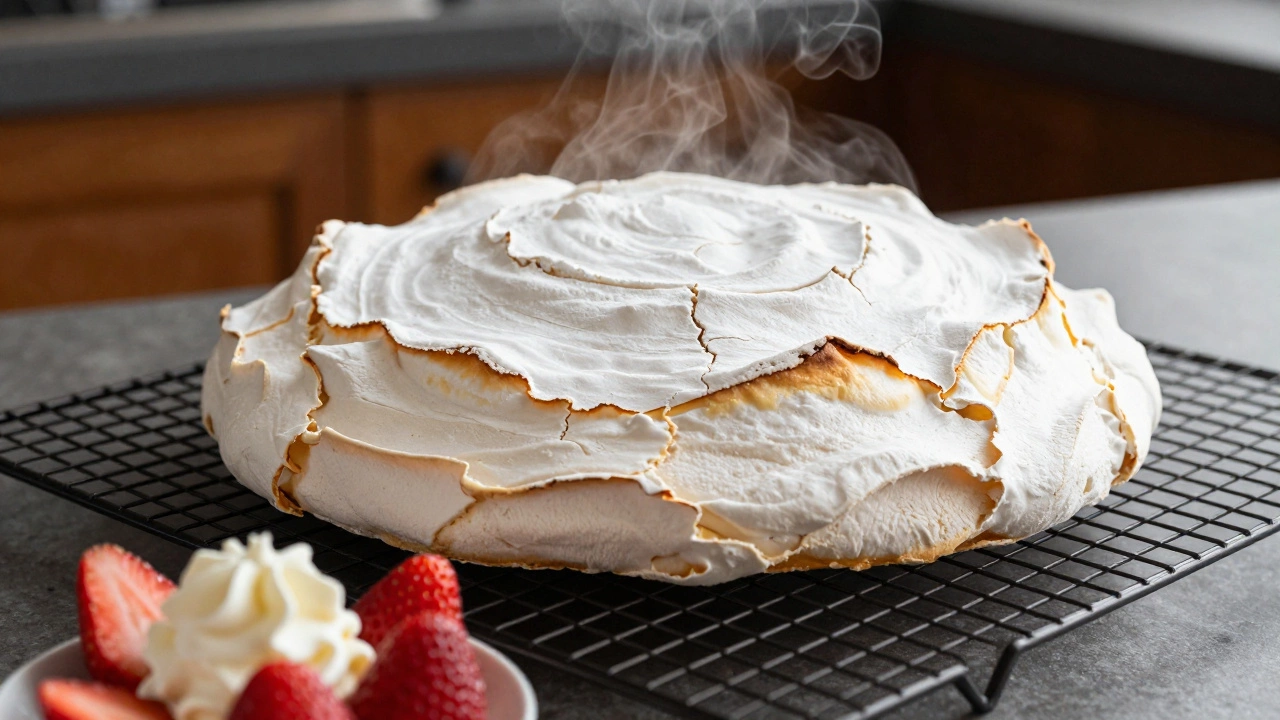
- Removing It Too Early: Pavlova needs to cool completely in the turned-off oven with the door slightly ajar. This slow drying process is essential for the cornflour to do its job. If you take it out while hot, the residual steam will soften the crust.
Substitutes and Variations
What if you don’t have cornflour or vinegar? Can you substitute?
For cornflour, you can use potato starch or arrowroot powder. These also absorb moisture effectively. However, avoid using wheat flour, as it contains gluten which can make the meringue tough and dense.
For vinegar, cream of tartar is the most direct substitute. Use half the amount of cream of tartar compared to vinegar (so if the recipe calls for 1 tsp vinegar, use ½ tsp cream of tartar). Lemon juice works too, but it may impart a slight citrus flavor, which some people enjoy.
If you’re making a smaller meringue cookie batch rather than a full pavlova, you might skip the cornflour since the surface-area-to-volume ratio is higher, allowing moisture to escape more easily. But for a traditional pavlova, stick to the formula.
Can I skip cornflour in my pavlova recipe?
You can, but your pavlova may be softer and chewier inside, with a less distinct crisp shell. In humid environments, skipping cornflour often leads to a soggy bottom that makes slicing difficult. For the classic texture, cornflour is recommended.
Does vinegar make pavlova taste sour?
No. The small amount used (1-2 teaspoons) evaporates during baking and doesn’t leave a noticeable sour taste. Its primary role is chemical stabilization, not flavoring.
Why does my pavlova crack on top?
Cracking is usually caused by rapid temperature changes, such as opening the oven door too soon or cooling the pavlova too quickly. Vinegar helps strengthen the structure to resist cracking, but gentle handling and slow cooling are still essential.
Can I use brown sugar instead of caster sugar?
Yes, but it will change the color and flavor. Brown sugar adds a caramel note and a darker hue. Because it contains molasses, it retains more moisture, so you might need to bake the pavlova slightly longer to ensure the center sets properly.
How long should I let the pavlova cool in the oven?
Ideally, leave it in the turned-off oven with the door ajar for at least 2-3 hours, or until completely cool. This slow drying process is crucial for developing the crisp outer layer and preventing condensation from softening the shell.

Write a comment