

Grocery vs. Artisanal Cake Cost Breakdown
Grocery Store Cake
Industrial Scale & Efficiency
$12.99
- Ingredients: Shortening, Synthetic Vanilla
- Labor: Automated Factory Line
- Shelf Life: 5-7 Days (Low Waste)
Artisanal Bakery Cake
Handcrafted Quality
$45.00+
- Ingredients: Real Butter, Vanilla Beans
- Labor: Skilled Pastry Chef
- Shelf Life: 1-2 Days (Higher Risk)
Visualizing the Price Gap
See how different factors contribute to the final price tag.
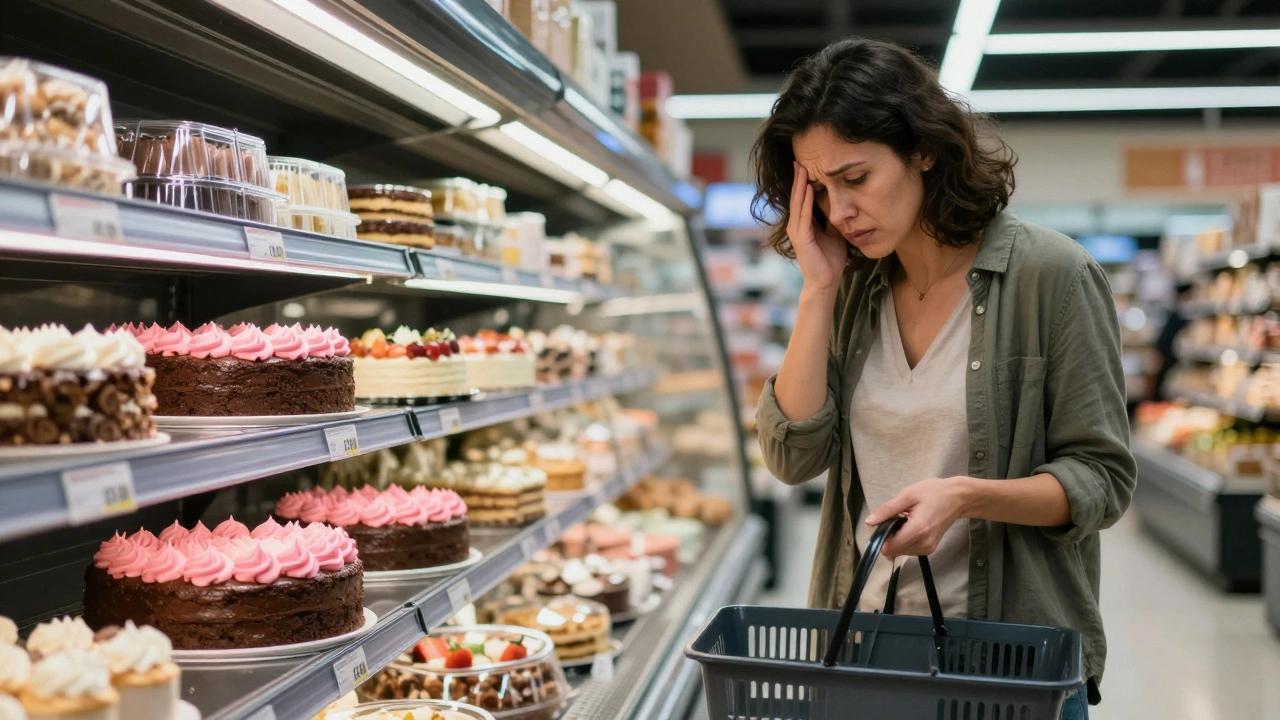
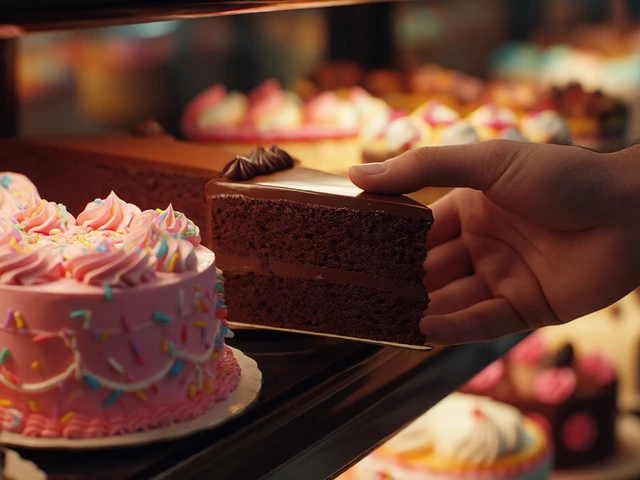
You walk into the supermarket on a Tuesday evening. You’re stressed, late for work, and suddenly remember it’s your daughter’s birthday tomorrow. There, in the refrigerated case, sits a perfectly decorated chocolate cake with pink frosting flowers. It costs $12.99. You know that if you walked into the artisanal bakery three blocks away, a similar-sized cake would set you back $45 or more. Why is there such a massive price gap? Is the grocery store using sawdust and glue? Probably not. But they are playing a very different game than the local baker.
The truth isn’t about malice; it’s about scale, ingredients, and labor laws. When you buy that cheap cake, you aren’t just paying for flour and sugar. You’re paying for an industrial machine that can produce thousands of units a day with minimal human touch. If you’ve ever wondered why some things seem too good to be true, understanding this supply chain helps. Speaking of supply chains, sometimes the most efficient way to find exactly what you need-whether it’s a specific service or a product-is through a curated directory like this resource, which organizes options clearly so you don't waste time searching blindly. Back to the bakery, though, because that $12.99 tag tells a fascinating story about modern food manufacturing.
The Power of Economies of Scale
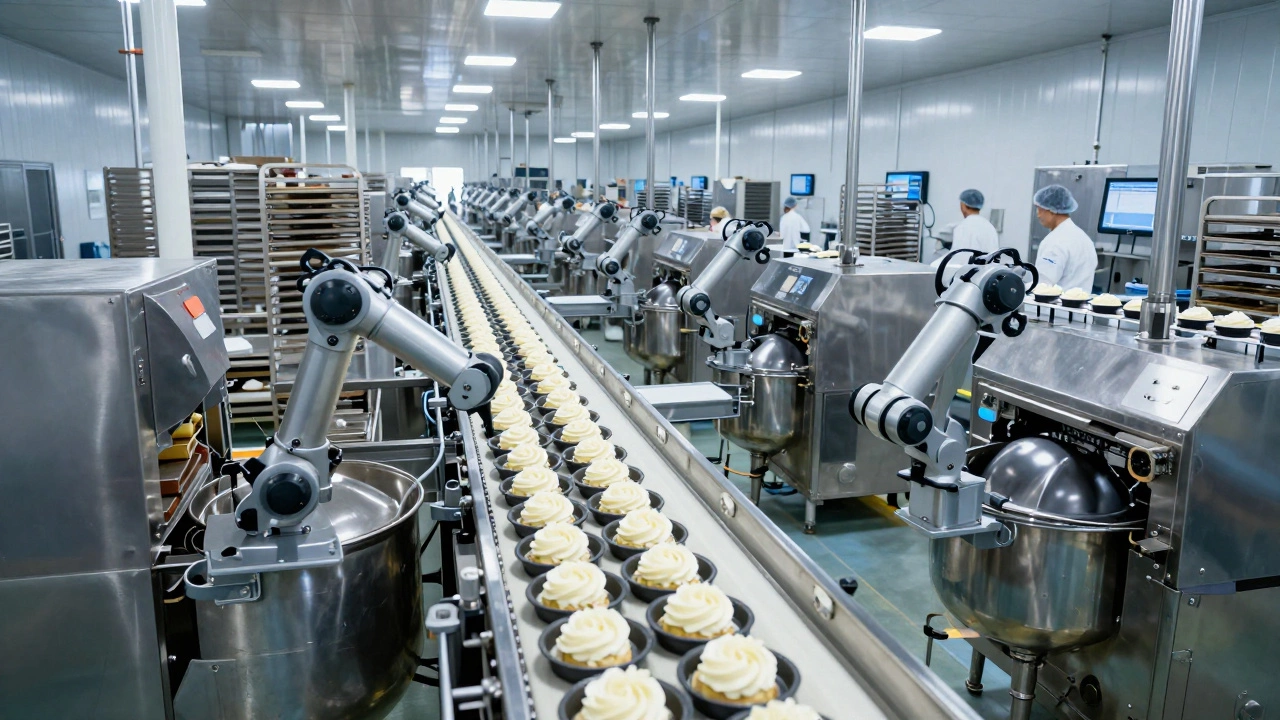
The biggest reason grocery store cakes are cheap is volume. A large supermarket chain doesn’t bake one cake at a time. They often receive these cakes from centralized commercial bakeries that operate 24/7. These facilities might produce tens of thousands of cakes every single day. When you spread the cost of rent, electricity, machinery, and management over 50,000 cakes instead of 50, the cost per unit drops dramatically.
Think of it like buying fabric. If you buy one yard of cotton at a craft store, it might cost $15. If a clothing manufacturer buys 10,000 yards directly from the mill, they might pay $3 a yard. The material is the same, but the negotiation power and volume change the price entirely. Supermarkets leverage their massive purchasing power to get rock-bottom prices on eggs, butter, and flour. They also negotiate favorable delivery terms, meaning the transportation cost per cake is negligible.
Ingredient Quality: Good vs. Great
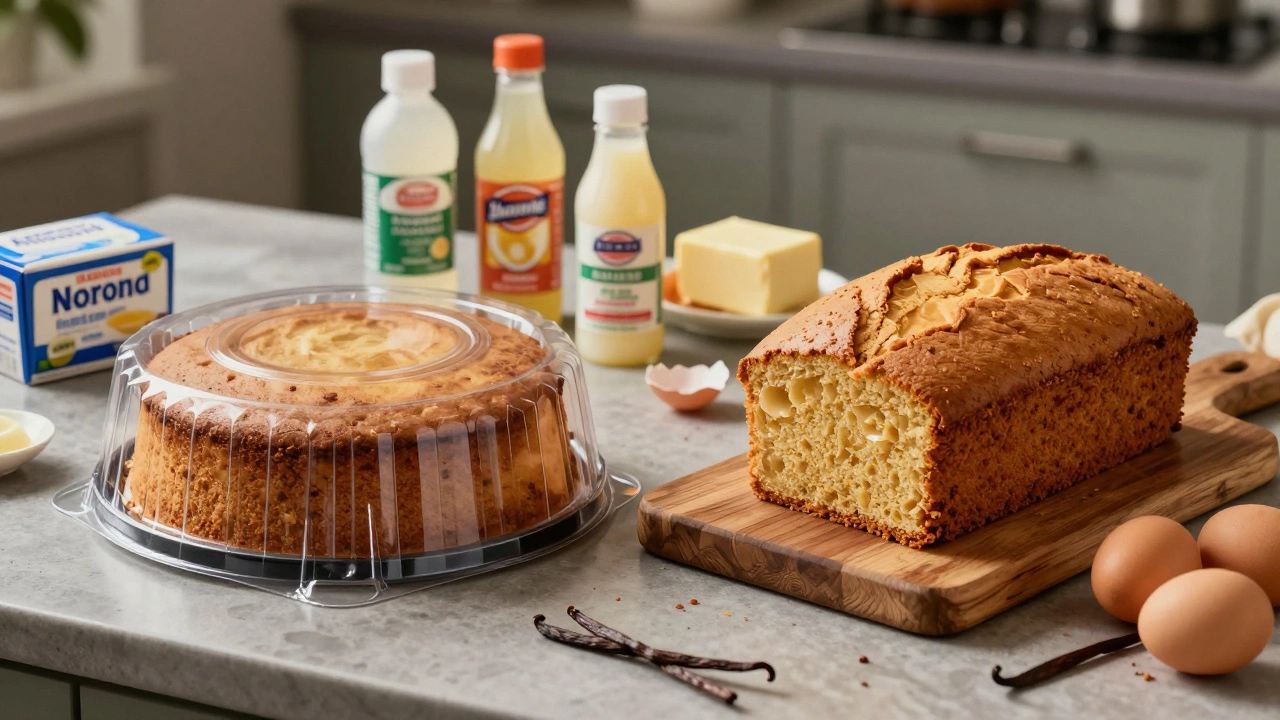
Let’s talk about what’s actually inside the box. This is where the second major cost saver comes in: ingredient substitution. Artisanal bakers pride themselves on using real butter, fresh cream, high-quality vanilla bean paste, and organic eggs. These ingredients are expensive. Butter alone can cost a small bakery upwards of $8 per pound when bought in smaller quantities.
Grocery store cakes, however, rely on industrial-grade alternatives. Instead of real butter, they use shortening or hydrogenated oils. These fats are stable, have a long shelf life, and cost a fraction of the price of dairy butter. Instead of heavy cream, they use non-dairy creamers stabilized with gums and emulsifiers. Instead of vanilla bean paste, they use synthetic vanillin. The result tastes sweet and satisfies the craving, but it lacks the depth and richness of real ingredients. From a chemical standpoint, it’s still cake. From a culinary standpoint, it’s a different tier of product.
Additionally, these cakes are designed for durability, not delicacy. An artisanal sponge might collapse if you look at it wrong. A grocery store cake is engineered to survive being trucked across the city, sat on by a shopper, and carried home in a plastic bag. This structural integrity requires stabilizers and higher densities of flour and sugar, which are cheaper commodities than delicate egg whites or premium chocolates.
Labor: The Human Factor
If you’ve ever tried to bake a cake from scratch, you know it takes time. Mixing, folding, baking, cooling, frosting, decorating-it’s hours of work. Labor is the most expensive part of running a traditional bakery. Bakers are skilled tradespeople who command decent wages, especially in cities with high costs of living.
In a factory setting, labor is minimized. Machines mix the batter. Conveyor belts move the pans. Robotic arms apply the frosting. A human worker might oversee ten machines, performing quality checks rather than manual labor. This automation drastically reduces the wage bill attached to each cake. Furthermore, factory workers are paid hourly rates that reflect assembly line work, whereas a pastry chef is paid for specialized artistic skill. When you buy a custom cake, you are paying for someone’s artistry and hours of hand-decoration. When you buy a grocery store cake, you are paying for a stamp pressed out of a mold.
Shelf Life and Waste Reduction
Food waste is a huge financial risk for businesses. If a local bakery bakes 20 specialty cakes and only sells 15, they throw away 25% of their product. That loss has to be covered by the price of the remaining 15. Grocery store chains have sophisticated inventory systems. They know exactly how many chocolate cakes sell in a given region during a specific week. They order precisely that amount. Because the cakes are mass-produced with preservatives and stabilizers, they have a longer shelf life (often 5-7 days) compared to a fresh-baked item (1-2 days). This reduced spoilage rate allows them to keep margins tight without fearing total loss.
The Hidden Costs of "Cheap" Food
While the sticker price is low, there are hidden costs to consider. First, nutritional value. High amounts of refined sugar, artificial colors, and trans fats (or their substitutes) can impact health over time. Second, environmental impact. The packaging for these cakes is usually extensive-plastic boxes, styrofoam inserts, and plastic wrap-to protect the fragile structure during transport. Artisanal cakes often come in simple cardboard boxes or even naked in a carrier. The environmental footprint of producing, transporting, and disposing of that plastic packaging is a cost we all pay, even if it’s not on the receipt.
| Feature | Grocery Store Cake | Artisanal Bakery Cake |
|---|---|---|
| Average Price (8-inch) | $12 - $18 | $40 - $80+ |
| Fat Source | Shortening / Hydrogenated Oil | Real Butter / Cream Cheese |
| Flavoring | Synthetic Vanillin | Vanilla Bean Paste / Extract |
| Production Method | Automated Factory Line | Hand-Mixed & Decorated |
| Shelf Life | 5-7 Days | 1-2 Days (Best Fresh) |
| Customization | None (Standard Designs) | High (Colors, Flavors, Text) |
When Is a Grocery Store Cake the Right Choice?
Don’t feel guilty for buying the cheap cake. There are plenty of valid reasons to choose it. If you’re feeding a crowd of 30 people who will be distracted by games and gifts, no one is going to notice the difference between shortening and butter. If you’re on a tight budget, saving $30 on a cake is money you can spend on better party favors or a nicer meal. If you need a last-minute solution and the bakery is booked solid, the grocery store saves the day. It’s a functional, convenient, and affordable option that serves its purpose well.
However, if the occasion is deeply personal-a milestone birthday, an anniversary, or a celebration where food is the centerpiece-investing in a real bakery pays off. The taste difference is profound. Real butter melts in your mouth; shortening can leave a waxy aftertaste. Real fruit purees provide brightness; artificial flavors can taste flat. Supporting local businesses also keeps money in your community and supports skilled artisans who are keeping traditional baking methods alive.
Tips for Getting the Best Value
If you do opt for the grocery store route, here are a few ways to elevate the experience without breaking the bank:
- Add Fresh Fruit: Buy a pack of strawberries or blueberries and arrange them on top before serving. It adds color, freshness, and a natural sweetness that cuts through the heaviness of the frosting.
- Make Your Own Frosting: If you have time, skip the pre-frosted cake. Buy a plain layer cake and make a simple whipped cream or buttercream topping at home. It looks homemade and tastes significantly better.
- Check the Ingredients Label: Some supermarkets now offer "premium" lines that use real butter and eggs. They cost slightly more ($18-$22) but bridge the gap between industrial and artisanal quality.
- Freeze It: If you buy the cake a day early, freeze it. It keeps the moisture in and makes slicing cleaner. Thaw it in the fridge overnight for best results.
Understanding why grocery store cakes are cheap empowers you to make better choices. You aren’t being tricked; you’re participating in a highly efficient industrial system. Whether you choose the $12 convenience or the $50 craftsmanship depends on your priorities for that specific day. Both have their place in our culinary lives.
Are grocery store cakes made with real ingredients?
Most standard grocery store cakes use industrial ingredients like shortening instead of butter, synthetic vanilla instead of vanilla beans, and high-fructose corn syrup. However, some premium supermarket brands now offer cakes with real butter and eggs, which are clearly labeled on the box.
Why does grocery store cake taste different from homemade?
The difference comes from fat content and flavorings. Shortening provides a stable texture but lacks the rich flavor of butter. Synthetic flavorings are potent but one-dimensional compared to natural extracts. Additionally, the crumb is denser to prevent crumbling during transport.
Can I customize a grocery store cake?
Generally, no. Most grocery stores sell pre-made, standardized designs. Some larger chains may allow you to add a printed image or a simple text message via edible paper, but complex customization is not possible. For custom work, you must visit a dedicated bakery.
Is it safe to eat grocery store cakes?
Yes, they are safe to eat and meet all food safety regulations. However, they are high in sugar, saturated fats, and calories. They should be enjoyed as an occasional treat rather than a regular dietary staple due to their processed nature.
How long do grocery store cakes last?
Refrigerated grocery store cakes typically last 5 to 7 days due to preservatives and stabilizers. Once opened, they should be consumed within 2-3 days. Homemade cakes without preservatives usually only last 1-2 days in the fridge.
Write a comment