

Brownie History & Etymology Quiz
Did you know that before it was a dessert, a "brownie" was a mythical house spirit? Or that the name relies on a linguistic diminutive suffix? Take this short quiz to uncover the true story behind your favorite chocolate square.
Loading question...
Quiz Complete!
You scored 0 out of 5
Keep reading to learn more about the folklore vs. food connection.
You bite into a square of dense, fudgy chocolate cake. It’s warm, slightly gooey in the middle, and perfectly sweet. But have you ever stopped chewing long enough to wonder: what does the name brownie actually mean?
It seems like a silly question at first glance. They’re brown, right? So they’re called brownies. Simple logic. But if you dig a little deeper, you’ll find that the story is way more interesting than just "it's the color." The name carries centuries of linguistic shifts, accidental inventions, and even a bit of folklore involving fairies. Let’s unpack the real history behind your favorite dessert.
The Obvious Answer (And Why It’s Only Half True)
Yes, the most direct explanation for the name is visual. A brownie is a baked good that turns a deep, rich brown color due to the caramelization of sugars and the presence of cocoa or melted chocolate. In English, we often name foods after their appearance-think green beans, white bread, or red velvet cake. So, calling a dark chocolate bar a "brownie" feels intuitive.
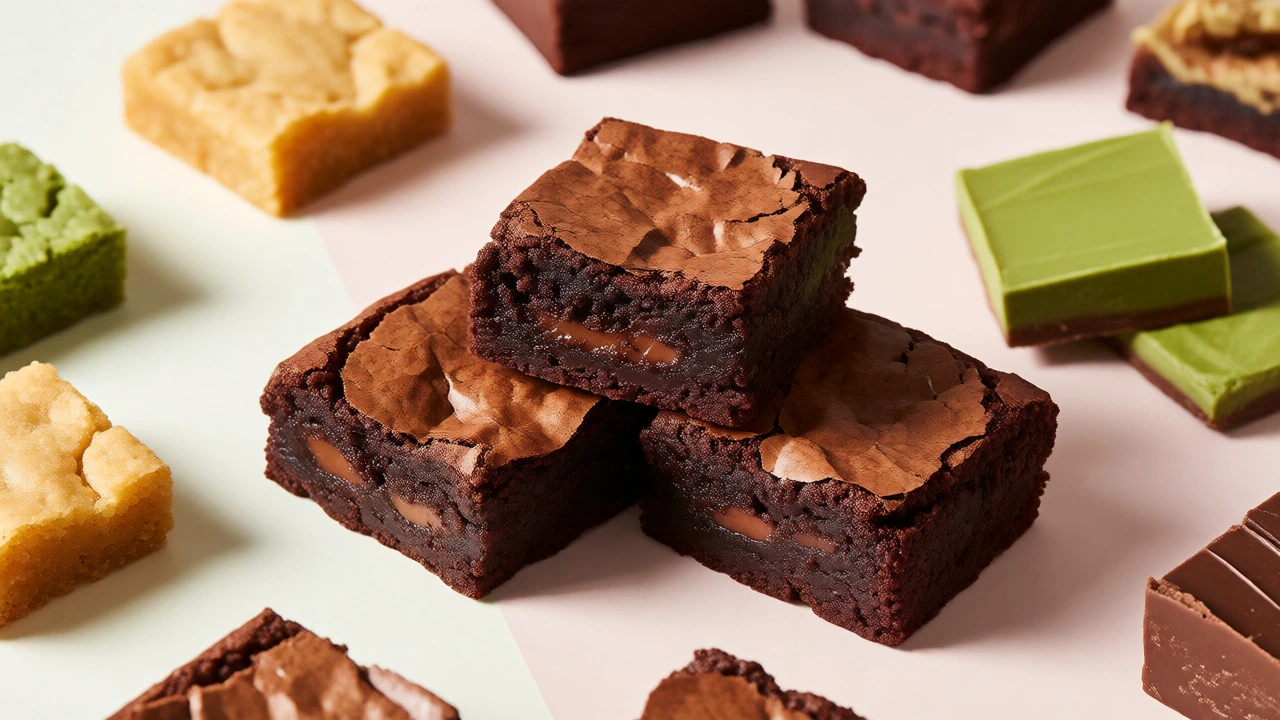
But here’s the catch: not all brownies are brown. If you make a blondie (which is essentially a brownie without cocoa), it’s golden. If you add matcha powder, it’s green. Yet, we still categorize them under the same family of dense, bar-style cakes. This suggests that the name isn’t just about color-it’s about texture, density, and form factor. The word "brownie" has become synonymous with a specific type of treat: small, rectangular, no-frosting-required, and intensely flavored.
Linguistic Roots: From "Brown" to "Brownie"
To understand the name, we have to look at the language itself. The suffix -ie (or -y) in English is a diminutive. It makes things smaller, cuter, or more familiar. Think of words like doggie, kitty, or sweetie. When you attach this suffix to brown, you get brownie, which literally translates to "small brown thing" or "little brown one."
This linguistic pattern was popular in the late 19th century. During this time, people loved adding cute endings to everyday objects. A small piece of coal might be called a "coaly," and a small bird a "birdie." So, when bakers started cutting large chocolate cakes into small squares, calling them "brownies" fit the cultural trend of naming small, pleasant items with affectionate terms.
| Component | Meaning | Function in Name |
|---|---|---|
| Brown | The color resulting from roasted cocoa and sugar | Describes the primary visual attribute |
| -ie / -y | Diminutive suffix indicating smallness or endearment | Indicates the portion size (small square) and approachability |
| Brownie | A small, brown, sweet food item | Combines description with affectionate tone |
Folklore vs. Food: The Fairy Connection
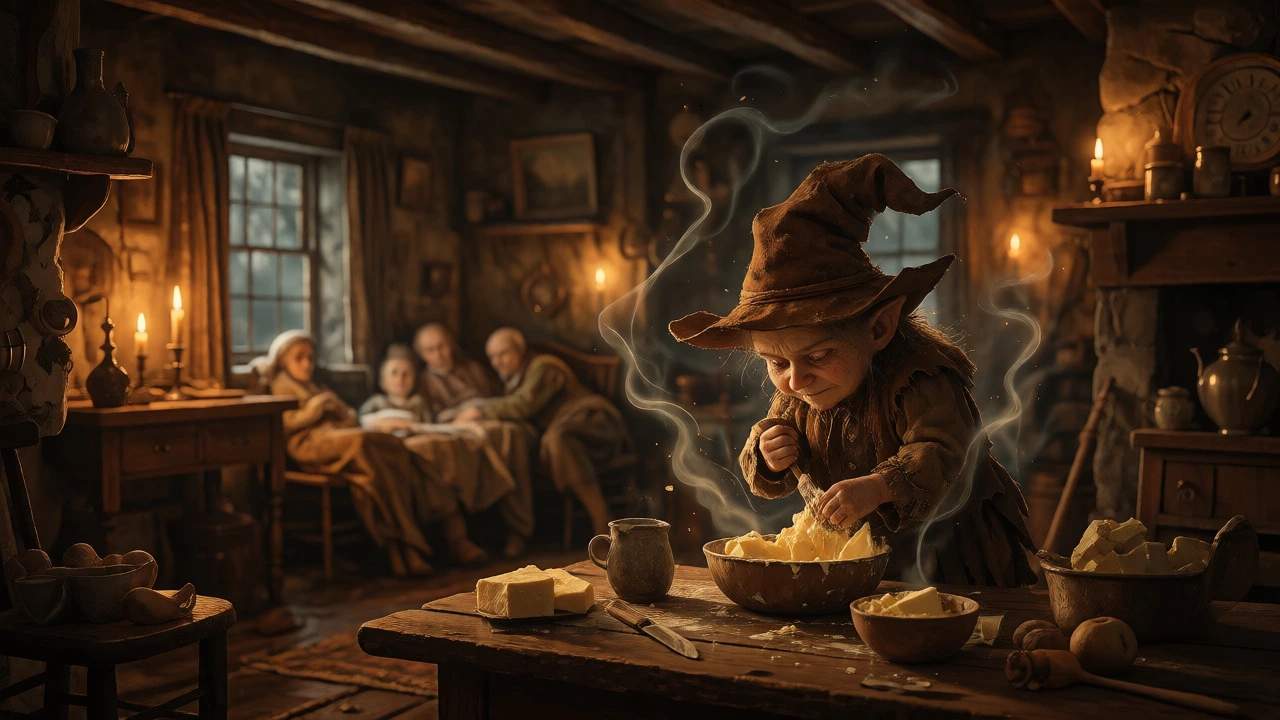
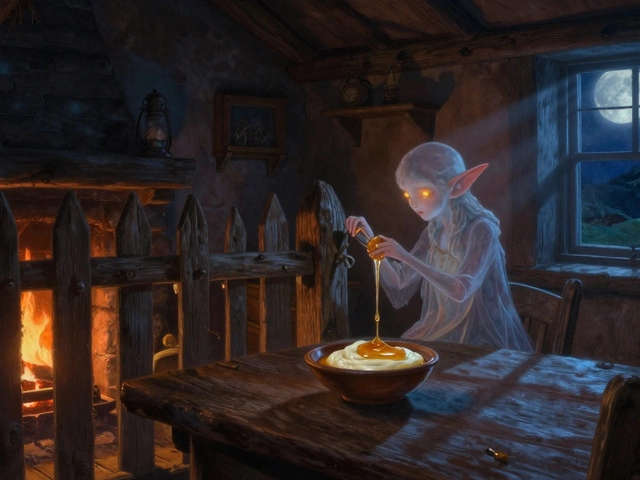
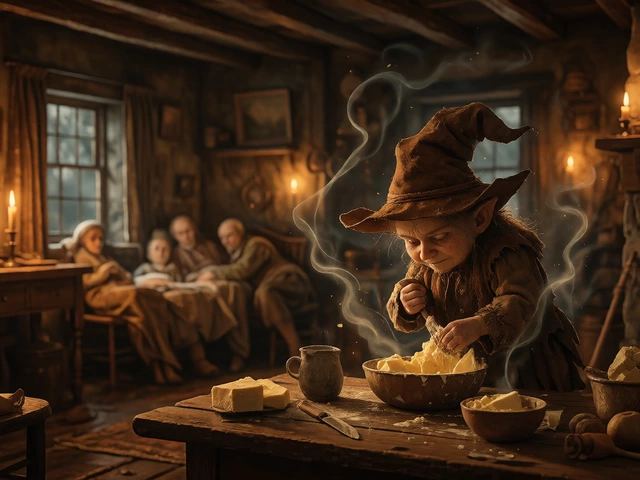
Here is where things get weird. Before the chocolate cake existed, the word "brownie" meant something entirely different. In Scottish and English folklore, a brownie was a household spirit or fairy who performed chores while the humans slept. These creatures were said to wear brown clothes (hence the name) and would clean the house, churn butter, and fix shoes in exchange for a bowl of cream left out at night.
If you offended a brownie-by offering them clothes instead of food, for example-they would leave forever. This myth dates back hundreds of years, long before chocolate became widely available in Europe. So, how did a mythical house elf become a dessert?
The transition likely happened because of the color association. Folklore brownies wore brown tunics. Early chocolate confections were also brown. As chocolate moved from luxury medicine to everyday treat in the Victorian era, the playful double meaning stuck. Bakers may have used the whimsical name to market their new, strange-looking chocolate bars as magical or delightful surprises.
The Accidental Invention That Named the Dessert
The culinary use of the term "brownie" appeared in print around the late 1890s. Most food historians agree on two competing origin stories, both rooted in America.
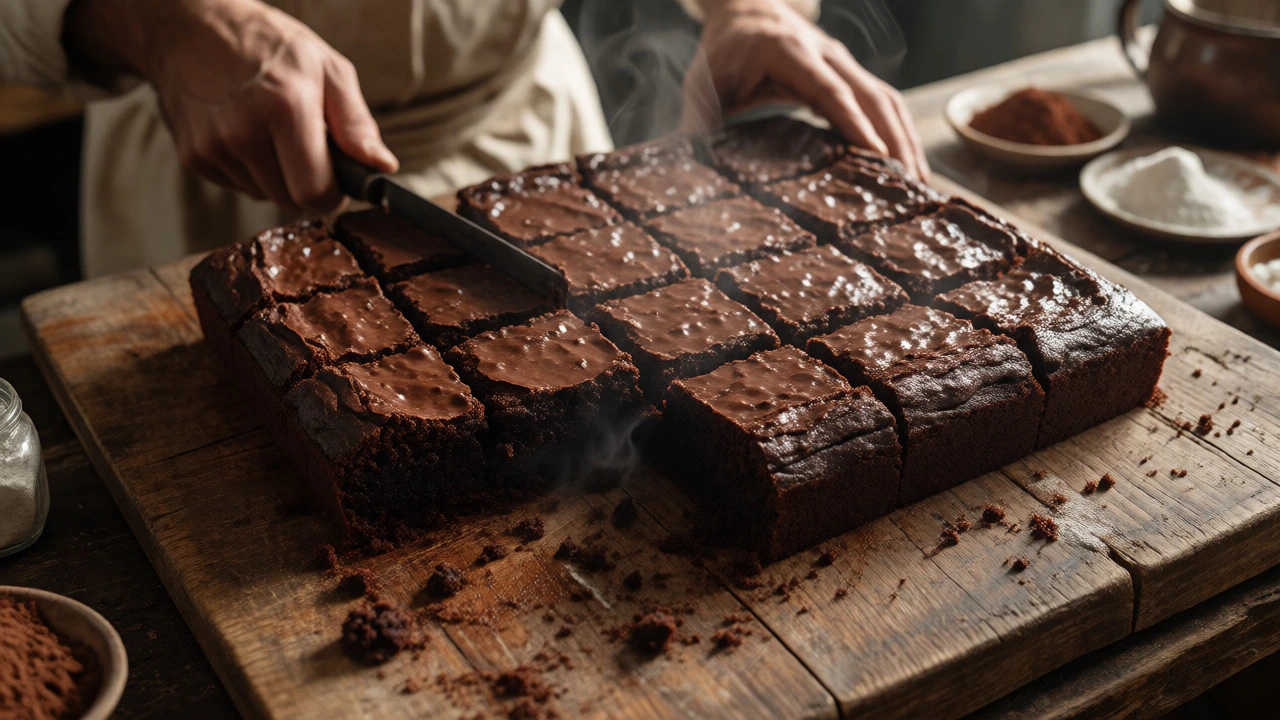
The first story involves a chef in Bangor, Maine, in the 1890s. He supposedly forgot to add baking powder to a chocolate cake batter. Instead of rising into a fluffy cake, the mixture stayed dense and flat. Rather than throwing it away, he cut it into squares and served it. The result was a hit. Because it was small and brown, the name "brownie" followed naturally.
The second story points to the World’s Columbian Exposition in Chicago in 1893. A woman named Bertha Palmer asked her hotel chef to create a dessert for women attending the fair. She wanted something that could be eaten easily while walking around the fairgrounds-no forks required. The chef created a chocolate cake with nuts, cut into neat squares. This portable, handheld nature reinforced the "small thing" aspect of the name brownie.
In both cases, the name wasn't chosen by a marketing team. It emerged organically from the product's physical traits: small, brown, and easy to eat.
Evolution of the Definition
Over the last century, the definition of what qualifies as a "brownie" has shifted. Originally, the term applied to any small, brown, baked good. You might see recipes for "gingerbread brownies" or even savory meatloaf squares called brownies in old cookbooks.
Today, however, the name has narrowed significantly. To be a true brownie, your creation usually needs three things:
- Density: It must be denser than cake but softer than fudge.
- Chocolate Base: Cocoa powder or melted chocolate must be the primary flavor profile.
- Portion Control: It is typically baked in a pan and cut into squares, not served as slices from a round cake.
This standardization helps us distinguish brownies from related entities like fudge, which is a soft candy made from sugar, milk, and butter without flour, or blondies, which are brownies made without cocoa, using only brown sugar for flavor.
Why the Name Matters for Bakers
You might think, "Who cares what it means? I just want to eat it." But understanding the name changes how you bake.
If you view a brownie merely as "brown cake," you’ll overbeat the eggs and add too much leavening agent. You’ll get a fluffy, airy crumb that looks like a cupcake top. But if you remember that "brownie" implies dense and rich, you’ll handle the batter gently. You’ll rely on the moisture of the fat and sugar rather than air bubbles for structure.
Think of it this way: A cake is designed to hold up layers of frosting. A brownie is designed to stand alone. The name reminds you that simplicity is key. No icing needed. Just pure, concentrated flavor in a small package.
Global Variations of the Name
While "brownie" is the standard term in the US, UK, and Australia, other countries have their own names for similar treats, though many have adopted the English term due to globalization.
In France, you might hear gâteau au chocolat (chocolate cake), but this usually refers to a larger, sliceable cake, not the square-cut brownie. In Germany, Schokoladenkuchen covers a wide range of chocolate desserts. However, in recent years, specialty cafes worldwide now explicitly label their products as "Brownies" to signal to customers that they are getting the specific American-style dense square, not a European-style airy sponge.
This global adoption proves that the name "brownie" describes a unique category of dessert that didn't exist in traditional European pastry lists until the late 19th century. It filled a gap between candy and cake.
Common Misconceptions About the Name
Let’s clear up a few myths.
Misconception 1: Brownies are named after the color of burnt cake. Some people joke that they are called brownies because they are always slightly burnt. While overbaking is common, the name predates the widespread habit of burning them. The color comes from intentional Maillard reaction and caramelization, not mistakes.
Misconception 2: All brown-colored sweets are brownies. A chocolate chip cookie is brown. A gingerbread man is brown. Neither is a brownie. The texture and preparation method define the entity, not just the hue.
Misconception 3: The name is trademarked. No single company owns the word "brownie." It is a generic term for the food category, unlike brand-specific names such as "Oreo" or "KitKat." This allows anyone to bake and sell them freely.
Final Thoughts: More Than Just Color
So, next time you pull a pan of brownies out of the oven, take a moment to appreciate the journey of the word. It started as a mythical fairy in Scotland, evolved into a linguistic shorthand for "small cute thing," and eventually became the definitive name for the world’s most beloved chocolate square.
The name "brownie" promises comfort. It signals something homemade, accessible, and satisfying. Whether you prefer yours fudgy or cakey, the label tells you exactly what to expect: a small, sweet escape from the ordinary.
Is a brownie technically a cake or a cookie?
A brownie is technically a bar cookie, but it shares characteristics with both cakes and cookies. Unlike cookies, which are dropped individually onto a sheet, brownies are baked in a single pan and then cut. Unlike cakes, which rely heavily on leavening agents like baking powder to rise, brownies often have less leavening, resulting in a denser texture closer to fudge or a dense cookie.
Why are blondies called blondies if they aren't blonde?
The term "blondie" is a playful extension of the word "brownie." Since brownies are defined by their brown color from cocoa, removing the cocoa results in a lighter, golden-brown treat. The name "blondie" mirrors the racial terminology used in the early 20th century (blonde vs. brunette/brown) to describe hair color, applying it humorously to the color of the dessert. It signifies a brownie variant made with brown sugar and vanilla instead of chocolate.
Did brownies exist before chocolate was invented?
No. Chocolate as a solid ingredient in baking became widely available in Europe and America during the 19th century. Before that, chocolate was primarily consumed as a drink. Therefore, the modern chocolate brownie could not exist before the industrial processing of cacao allowed for affordable baking chocolate. Earlier "brown" sweets existed, such as molasses-based gingerbread, but they were distinct entities.
Can I call a vegan brownie a brownie?
Absolutely. The name "brownie" refers to the style, texture, and flavor profile of the dessert, not necessarily the specific ingredients. A vegan brownie uses plant-based fats (like coconut oil or vegan butter) and eggs (like flax eggs or aquafaba) to achieve the same dense, fudgy consistency. As long as it meets the structural criteria of being a small, dense, chocolate-flavored square, it retains the identity of a brownie.
What is the difference between fudge and a brownie?
The main difference lies in the ingredients and cooking process. Fudge is a candy made by boiling sugar, milk, and butter to a specific temperature, then beating it until smooth; it contains no flour. Brownies are baked goods that contain flour, eggs, and leavening agents. While both can be dense and sweet, fudge melts quickly and is chewy, whereas a brownie has a baked crumb structure.

Write a comment