

Tiramisu Authenticity Checker
Select the details of your Tiramisu to see if it meets the criteria for an authentic Italian classic.
You probably think you know tiramisu is a layered Italian dessert made with coffee-soaked ladyfingers and mascarpone cheese. But here is the twist that surprises most foodies: it’s one of the youngest desserts in Italian culinary history. While pasta dates back centuries, this creamy, boozy treat didn’t exist until the 1960s or 70s. If you’re wondering which specific region claimed the invention, the answer isn’t as simple as picking a single city. It’s a story of rivalry, regional pride, and a few very stubborn chefs.
The Great Tiramisu Debate: Where Did It Actually Start?
If you ask an Italian from Treviso, they’ll swear on their grandmother’s life that Tiramisu originated in their town. For decades, the official narrative pointed to Le Beccherie, a restaurant in Treviso, Veneto. Chef Roberto Linguanotto claimed he created it in 1969 after seeing a similar dessert called "Sbatudin" (a raw egg and sugar mixture) at a pharmacy. He added mascarpone and coffee-soaked savoiardi (ladyfingers), and the rest is history.
But wait. Just north of Treviso, in Friuli-Venezia Giulia, people are equally convinced the credit belongs to them. In 1983, a chef named Mario Cosolo from the Vetturino Restaurant in Pieris registered a trademark for "Tirimesù." Even earlier, some records suggest a version existed in Tolmezzo in the 1950s. So, who really invented it? Honestly, no one can prove it definitively. The dish likely evolved simultaneously across Northeast Italy, where mascarpone and strong espresso were staples. The name itself gives a clue about its purpose: "tira mi su" translates to "pick me up," referring to the caffeine and sugar kick.
Why Mascarpone Is Non-Negotiable
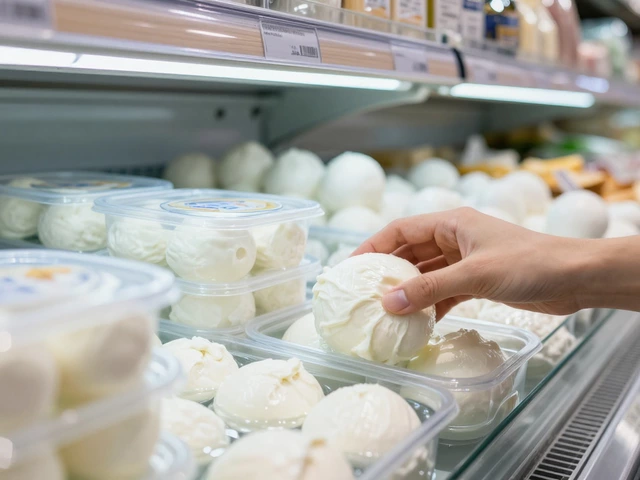
You might be tempted to swap mascarpone for cream cheese or whipped cream if you’re in a pinch. Don’t do it. Mascarpone is a fresh Italian cream cheese with a fat content between 60% and 75%. This high fat content creates a silky, dense texture that doesn’t weep or separate when mixed with eggs. Cream cheese is too salty and tangy; it clashes with the sweet cocoa and bitter coffee. Whipped cream is too airy and lacks the richness needed to balance the soaked biscuits.
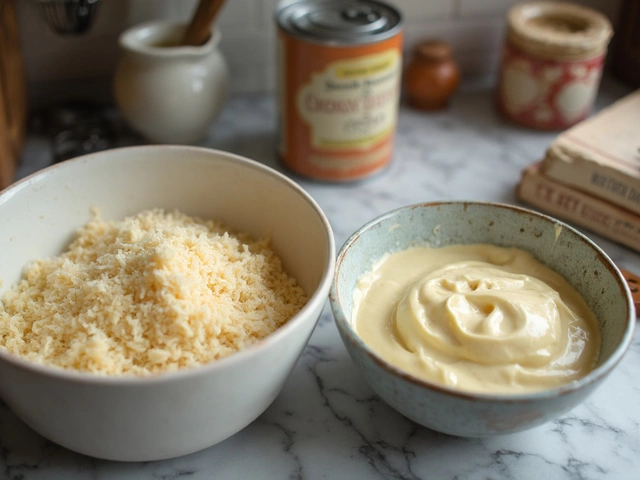
The magic happens when you whip mascarpone with egg yolks and sugar. The yolks emulsify the fat, creating a stable, mousse-like consistency. If you skip the yolks, you get a heavy, greasy layer. If you use only whites, it becomes too light and foamy, collapsing under the weight of the cookies. Authentic tiramisu relies on this precise chemical balance. Some modern recipes use pasteurized eggs to avoid salmonella risks, but traditionalists insist on raw, fresh farm eggs for that distinct flavor profile.
The Structure: More Than Just Layers
A proper tiramisu isn’t just a pile of ingredients. It’s a structural engineering feat. You need three distinct components working together:
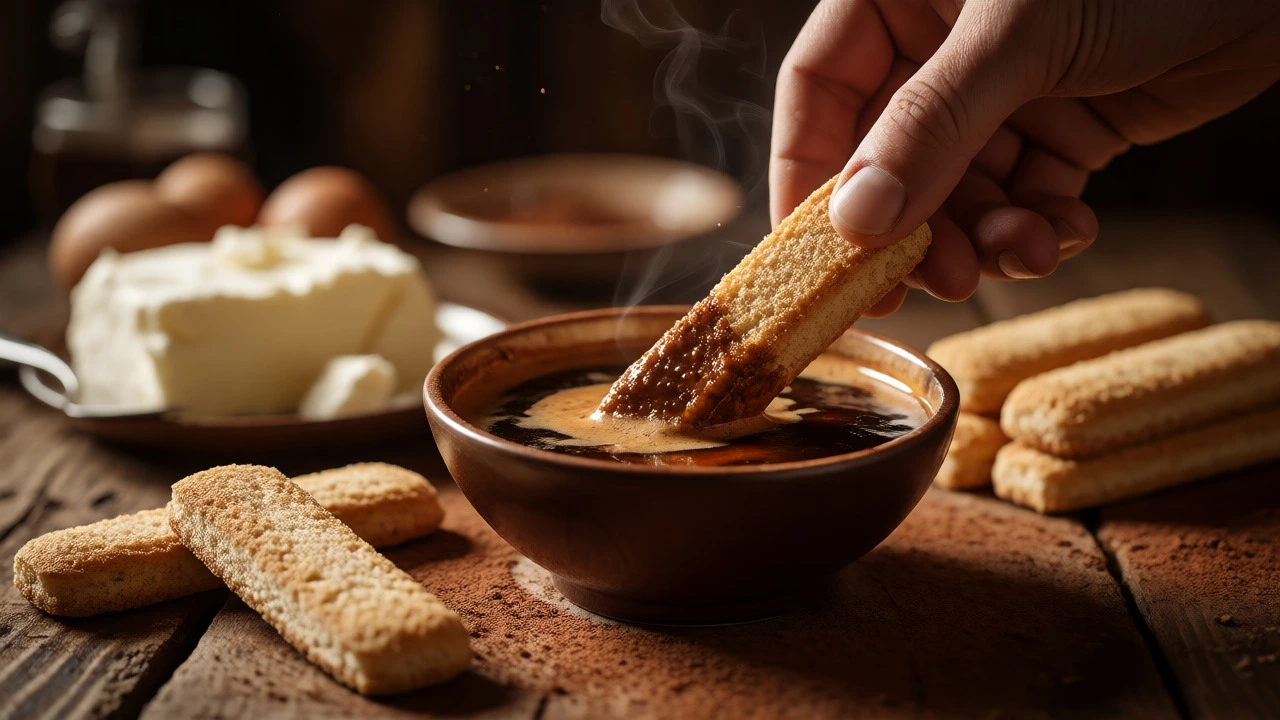
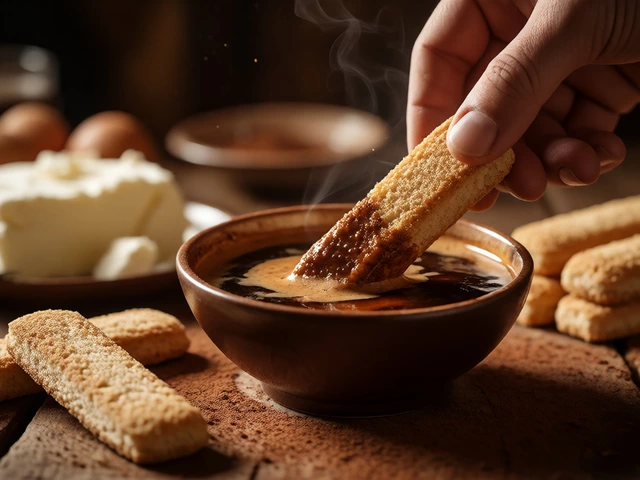
- The Base: Savoiardi (Italian ladyfingers). These aren’t your dry American ladyfingers. They are crisp, sponge-like biscuits designed to absorb liquid without disintegrating into mush.
- The Soak: Strong espresso, often cooled, sometimes spiked with Marsala wine, rum, or Amaretto. The soak must be quick-dip, don’t drown. Over-soaking turns the base into soup.
- The Cream: The mascarpone-egg mixture mentioned above.
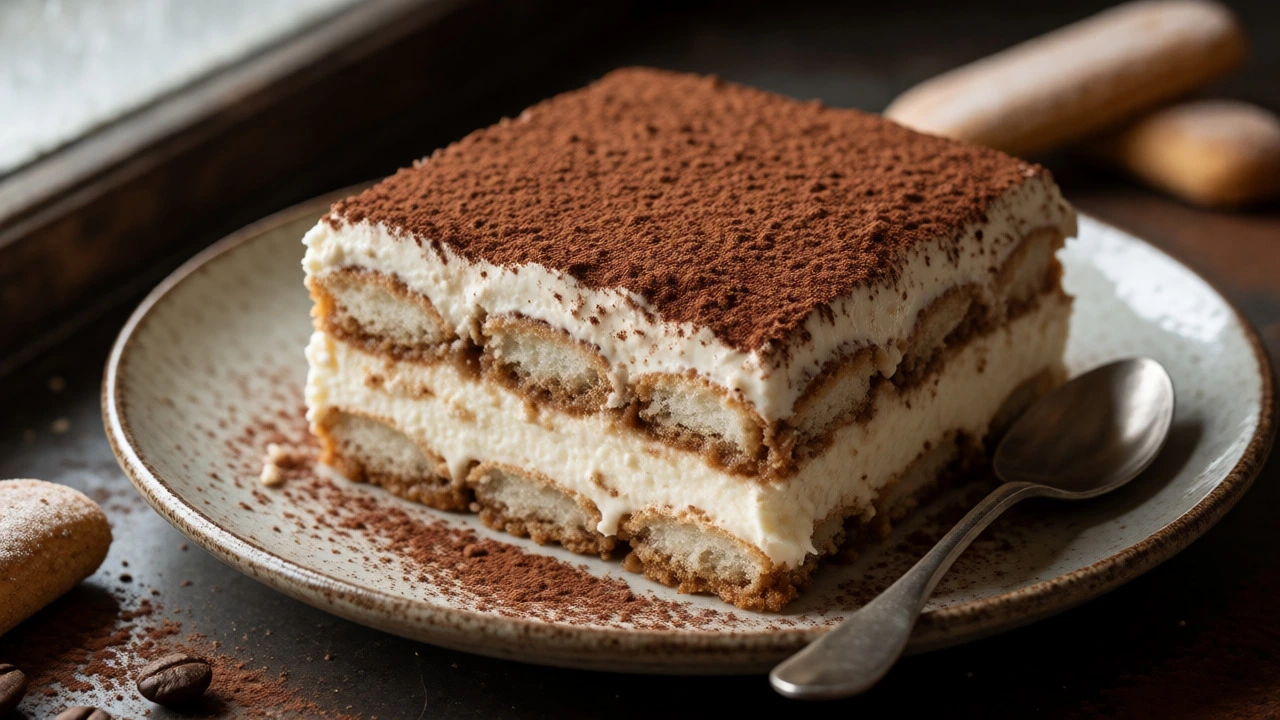
Layering matters too. A thin layer of cream on the bottom prevents the biscuits from sticking to the dish. Then biscuits, then cream, then biscuits, then a final thick layer of cream. Dust the top generously with unsweetened cocoa powder right before serving. If you dust it too early, the humidity from the cream will turn the cocoa into wet clumps.
How to Spot Fake Tiramisu
Walk into any non-Italian café worldwide, and you’ll likely see "tiramisu" on the menu. Most of it fails the authenticity test. Here is how to spot the fakes versus the real deal:
| Feature | Authentic Italian Tiramisu | Common Imposter |
|---|---|---|
| Cheese | Mascarpone only | Ricotta, cream cheese, or whipped topping |
| Eggs | Raw or lightly cooked yolks/whites | No eggs or pudding mix |
| Liquid | Espresso + alcohol (optional) | Milk, chocolate syrup, or flavored coffee |
| Biscuit | Savoiardi (ladyfingers) | Chocolate cake layers or graham crackers |
| Texture | Dense, creamy, holds shape when cut | Loose, watery, or overly solidified |
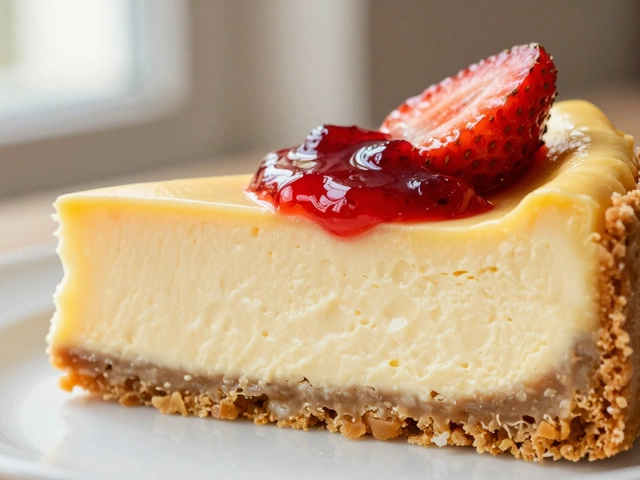
One major red flag is gelatin. Traditional tiramisu sets because the cold hardens the fat in the mascarpone and the starch in the biscuits absorbs the moisture. Gelatin makes it bouncy like Jell-O, which is wrong. Another sign of a fake is fruit. Strawberries or raspberries on top? That’s a fusion twist, not tradition. Stick to cocoa powder or dark chocolate shavings.
Regional Variations Worth Trying
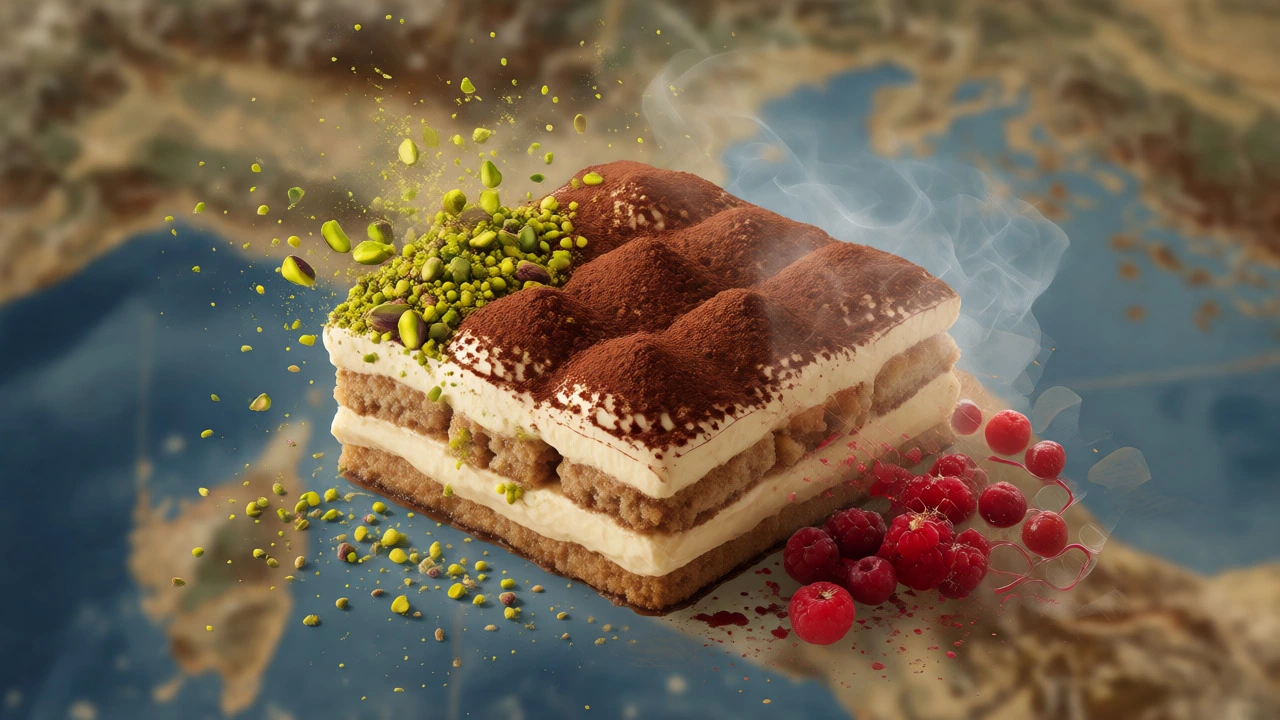
While the classic recipe dominates, Italians love tweaking traditions. In Sicily, you might find Tiramisu al Pistacchio, which replaces cocoa with crushed pistachios. It’s sweeter and nuttier, playing off the island’s famous green nuts. In Rome, some chefs add a splash of limoncello to the coffee soak, giving the dessert a citrusy brightness that cuts through the richness.
Then there’s the "Frutta di Bosco" version, popular in Northern Italy during summer. Instead of cocoa, they layer berries between the cream and biscuits. It’s lighter, less intense, and visually striking. However, purists argue this dilutes the core identity of the dish. If you want to experiment, try adding a teaspoon of instant espresso powder directly into the mascarpone mixture. It intensifies the coffee flavor without making the structure soggy.
Tips for Making Perfect Tiramisu at Home
Making tiramisu is easy, but getting it perfect requires patience. Here are the critical steps people usually mess up:
- Chill Everything: Mascarpone should be fridge-cold. If it’s warm, it turns runny when whipped. Eggs should also be cold to maintain stability.
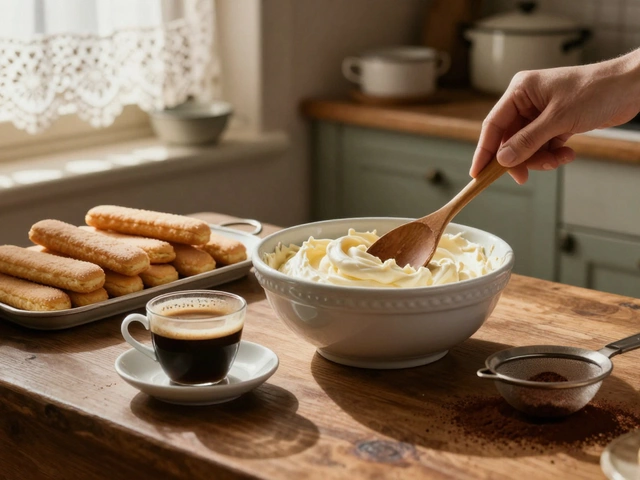
- Whip Whites Separately: Beat egg whites to stiff peaks before folding them gently into the yolk-mascarpone mixture. Do not stir vigorously, or you’ll deflate the air bubbles.
- Quick Dips: Dip each ladyfinger for one second per side. No more. Lift and shake off excess liquid immediately.
- Wait Time: Refrigerate for at least 4 hours, preferably overnight. This allows the flavors to meld and the texture to firm up. Cutting it too early results in a slide-off-the-plate disaster.
If you’re worried about raw eggs, use pasteurized ones available in most supermarkets. Or, make a zabaglione by whisking yolks and sugar over simmering water until thick. Let it cool completely before mixing with mascarpone. This method yields a slightly denser, richer cream but eliminates food safety concerns.
Why Tiramisu Conquered the World
Tiramisu spread globally in the 1980s and 90s, largely due to Italian diaspora and tourism. Its success lies in its simplicity and familiarity. Coffee and chocolate are universal favorites. The combination feels indulgent yet approachable. Unlike complex French patisserie requiring precision tempering or lamination, tiramisu is forgiving. You can assemble it in ten minutes. It scales easily for large parties. And it looks impressive without trying too hard.
Today, variations abound. Matcha tiramisu in Japan, coconut tiramisu in Thailand, and even savory versions using beetroot puree instead of cocoa. Yet, nothing beats the original. There is something deeply satisfying about biting into cold, creamy mascarpone, tasting the sharp bite of espresso, and feeling the soft yield of a perfectly soaked biscuit. It’s comfort food elevated to art.
Is tiramisu always alcoholic?
No, while traditional recipes often include Marsala, rum, or Amaretto in the coffee soak, many modern and family-friendly versions omit alcohol entirely. The flavor remains rich and complex thanks to the espresso and mascarpone.
Can I make tiramisu ahead of time?
Yes, tiramisu actually tastes better after sitting in the refrigerator for 12 to 24 hours. This allows the biscuits to fully soften and the flavors to integrate. Just keep it covered to prevent it from absorbing other fridge odors.
What is the best substitute for ladyfingers?
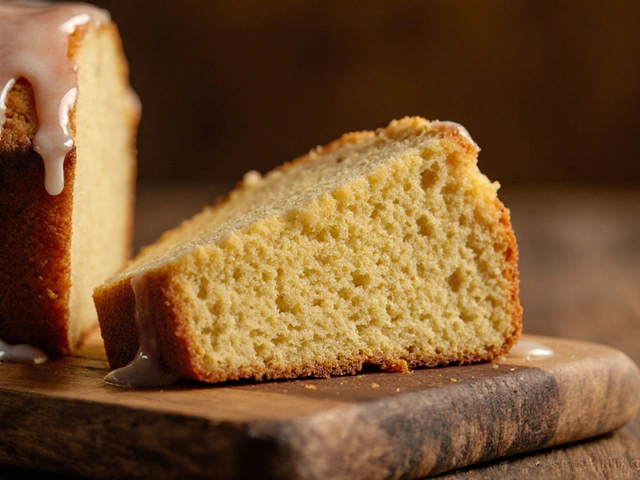
If you cannot find authentic Italian savoiardi, plain pound cake cubes or sponge cake slices work well. Avoid dry vanilla wafers, as they become gritty. Ensure any substitute is sturdy enough to hold up against the liquid soak without dissolving completely.
Why does my tiramisu taste eggy?
A strong egg taste usually comes from using old eggs or not whipping the mixture long enough to incorporate air and mellow the flavor. Using fresh, high-quality eggs and ensuring thorough blending helps mask the raw egg scent. Adding a drop of vanilla extract can also help neutralize any sulfurous notes.
Is tiramisu gluten-free?
Traditional tiramisu is not gluten-free because ladyfingers contain wheat flour. However, you can make a gluten-free version by using GF-certified ladyfingers or replacing them with almond-based sponge cake pieces. Check all labels carefully, as some commercial mascarpone brands may have cross-contamination warnings.
Write a comment