

Brownie Translation & Cultural Context Tool
Select your scenario below to get the most appropriate Spanish term and cultural notes.
--
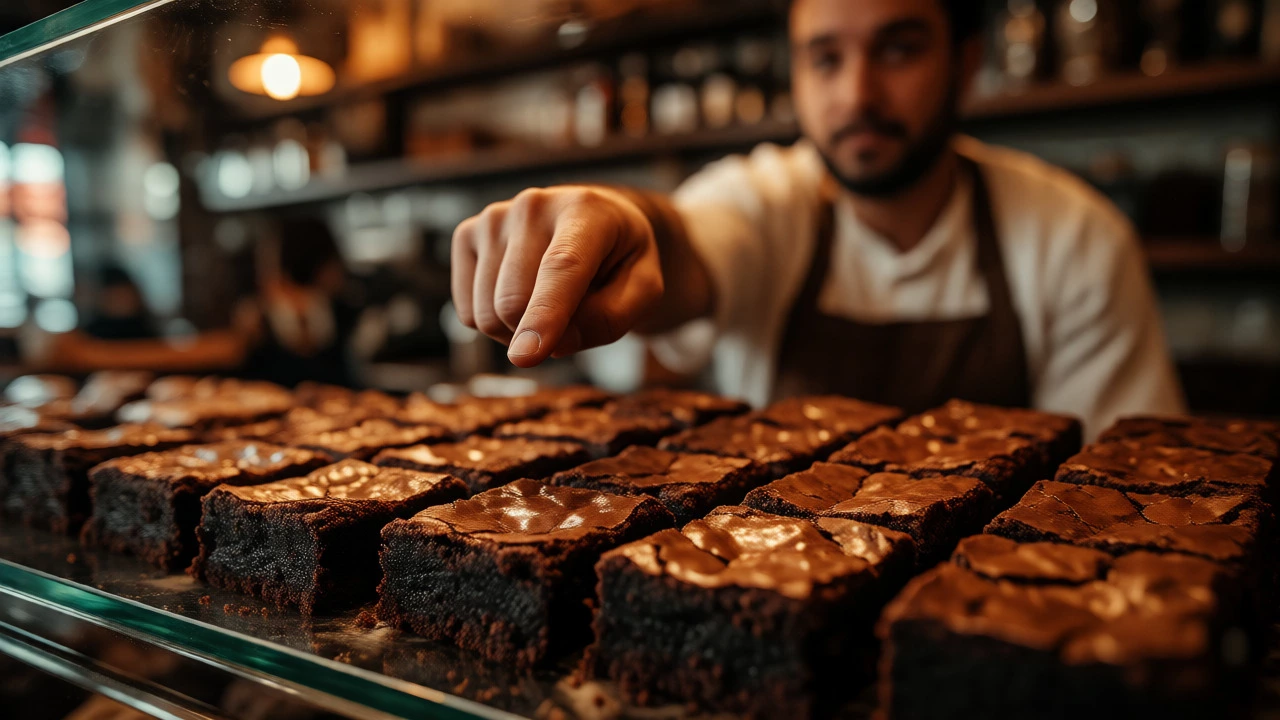
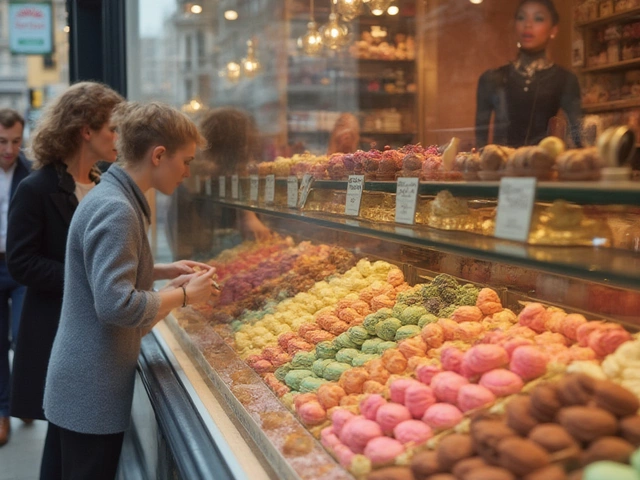
You’re standing in a bakery in Madrid or Mexico City, looking at the display case. You see those dense, chocolatey squares you love. You point to them and ask for brownies in Spanish, but the baker looks confused. Or maybe they nod, but then correct your pronunciation. What’s going on? The short answer is that "brownies" doesn’t have a direct, one-word equivalent in Spanish that functions exactly like the English noun. It’s a borrowed term, often adapted phonetically, but its usage varies wildly depending on whether you’re in Spain, Latin America, or trying to read a recipe.
This isn’t just about vocabulary; it’s about culinary identity. When we talk about brownies in Spanish, we are navigating a mix of loanwords, descriptive phrases, and regional preferences. If you’re a home baker translating a cookbook, a traveler ordering dessert, or a marketer localizing a brand, getting this right matters. Let’s break down exactly how to say it, what else people call them, and why context changes everything.
The Direct Translation: Brownie vs. Bizcocho
First, let’s clear up the biggest misconception. Many learners assume there is a pure Spanish word for brownie. There isn’t. In most Spanish-speaking countries, the word brownie is used as-is. It’s an anglicism. You will hear it pronounced with a Spanish accent-often dropping the final 's' sound if the speaker is from certain regions, or keeping it crisp in others-but the root remains English.
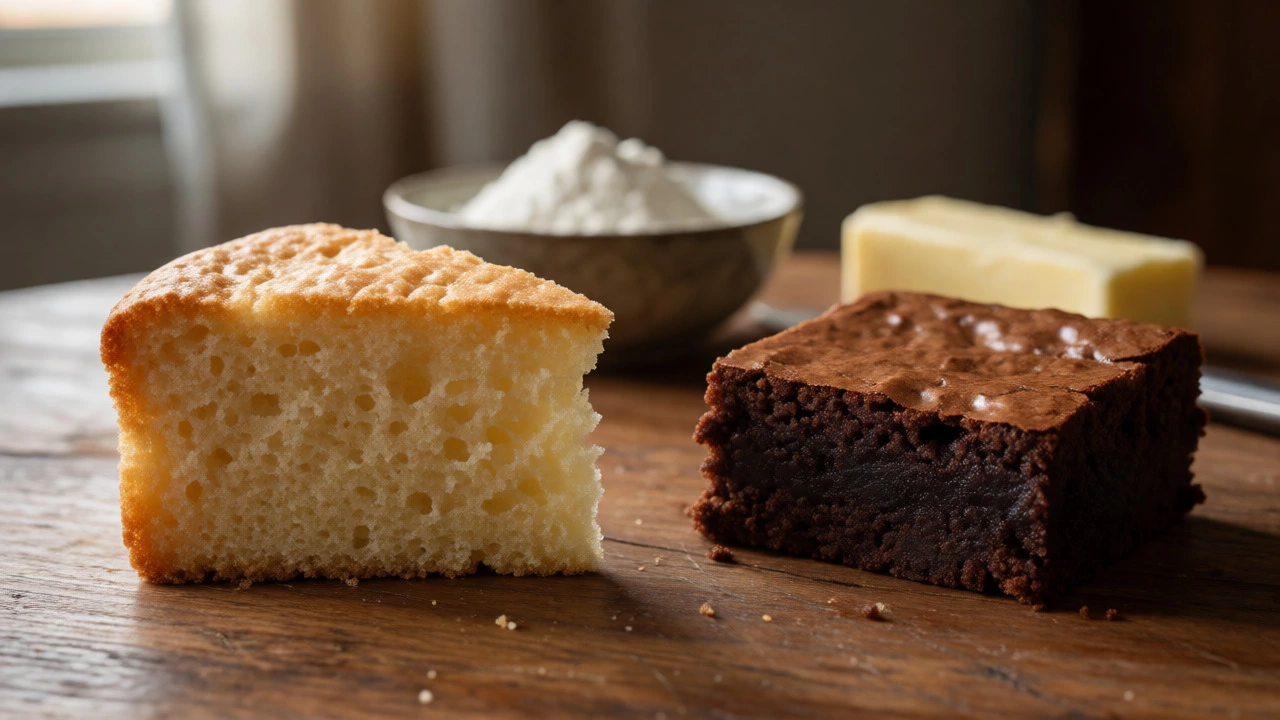
However, if you try to force a literal translation using native words, you might run into trouble. A common attempt is bizcocho de chocolate. While bizcocho means sponge cake or biscuit, it implies a light, airy texture. A brownie is dense, fudgy, and moist. Calling a brownie a bizcocho is like calling a steak a salad because both are food. It’s technically incorrect in terms of texture and expectation. If you order a bizcocho, you expect something fluffy. If you want the heavy, rich square, stick to the loanword.
In some contexts, particularly in older recipes or more traditional households, you might hear torta de chocolate. But again, torta usually refers to a layered cake or a flatbread (in Mexico). Using it for a brownie creates ambiguity. Are you getting a slice of layer cake or a square of fudge-like goodness? The lack of a precise native term forces speakers to borrow, which tells us something interesting: the brownie itself is a cultural import that hasn’t been fully linguistically domesticated.
Regional Variations: Spain vs. Latin America
Spanish is not a monolith. How you say "brownie" depends heavily on where you are. This is crucial if you’re writing content for a specific audience.
In Spain, the term brownie is widely accepted and understood. It’s trendy, modern, and associated with cafes and international chains. You’ll see signs saying Brownies caseros (homemade brownies). There is little resistance to the English term here. However, you might also encounter pastel de chocolate denso (dense chocolate cake) in very formal or non-urban settings, though this is rare among younger demographics.
Mexico presents a different picture. Here, brownie is extremely common, especially in urban centers like Mexico City or Monterrey. But Mexican cuisine has its own dense chocolate desserts, such as cajeta-based treats or fudge-like sweets. Sometimes, brownies are conflated with flan or pudding in casual conversation if the visual cue is missing, but visually, they are distinct. In Argentina, the influence of Italian immigration means dessert culture is huge. Brownie is standard, but you might also hear cuadraditos de chocolate (chocolate squares) as a descriptive alternative. This phrase is useful because it describes the shape and ingredient without relying on an English loanword, making it accessible to older generations who might resist anglicisms.
| Region | Common Term | Alternative Descriptive Term | Context Notes |
|---|---|---|---|
| Spain | Brownie | Pastel de chocolate | Loanword is dominant; seen in cafes and supermarkets. |
| Mexico | Brownie | Cuadradito de chocolate | Widely used; sometimes confused with fudge textures. |
| Argentina | Brownie | Torta húmeda de chocolate | Descriptive terms used in home baking circles. |
| Colombia | Brownie | Dulce de chocolate | Often served with coffee; term is universally recognized. |
Describing Texture: Fudgy vs. Cakey
If you’re translating a recipe or describing a product, simply saying "brownie" isn’t enough. You need to specify the texture. In English, we distinguish between "fudgy" and "cakey" brownies. How do you convey that nuance in Spanish?
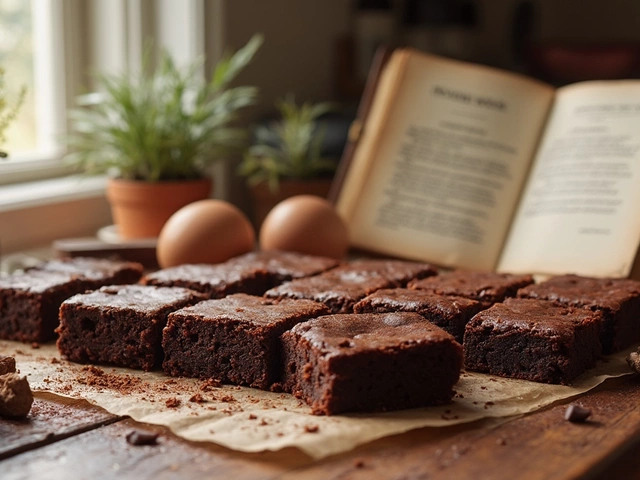
For fudgy brownies, use the term denso or húmedo. Denso means dense. Húmedo means moist. So, brownie denso y húmedo clearly communicates that gooey, rich interior. Avoid using esponjoso (spongy) unless you specifically mean a cakey version.
For cakey brownies, you would say tipo bizcocho or esponjoso. Adding tipo (type of) helps clarify that it’s a brownie that leans toward cake. For example: Este brownie es tipo bizcocho (This brownie is cake-like). This distinction is vital for bakers. If you promise a brownie denso and deliver a dry, crumbly bizcocho, customers will be disappointed.
Another key descriptor is corteza (crust). A hallmark of a good brownie is the shiny, crackled top. In Spanish, you’d describe this as corteza brillante or piel crujiente (crispy skin). If you’re selling premium brownies, highlighting the corteza adds perceived value.
Menu and Recipe Localization Tips
Are you putting brownies on a restaurant menu? Or adapting a blog post? Here’s how to handle the language naturally.
On menus, simplicity wins. Just write Brownies de Chocolate. If you offer variations, add descriptors: Brownies con nueces (with walnuts), Brownies sin gluten (gluten-free), or Brownies veganos. Don’t overcomplicate it. People know what a brownie is. They don’t need a paragraph explaining that it’s a baked chocolate bar.
In recipes, watch out for false friends. The word harina means flour. Azúcar is sugar. Mantequilla is butter. These are straightforward. But be careful with levadura. Brownies typically use baking powder (polvo para hornear) rather than yeast (levadura). Using levadura by mistake can confuse readers who think you mean active dry yeast for bread. Always specify polvo para hornear for clarity.
Also, consider the unit of measurement. If you’re targeting a US-based Hispanic audience, cups and ounces are fine. For Spain or much of Latin America, grams are preferred. Converting accurately matters. A "stick of butter" doesn’t exist in metric systems. Specify 113 gramos de mantequilla instead of vague references.
Cultural Perception: Is it a Dessert or a Snack?
In the US, brownies straddle the line between dessert and snack. You eat them at parties, but also after school. In many Spanish-speaking cultures, sweets are strictly desserts, eaten after a meal. Calling a brownie a "snack" might feel odd to some.
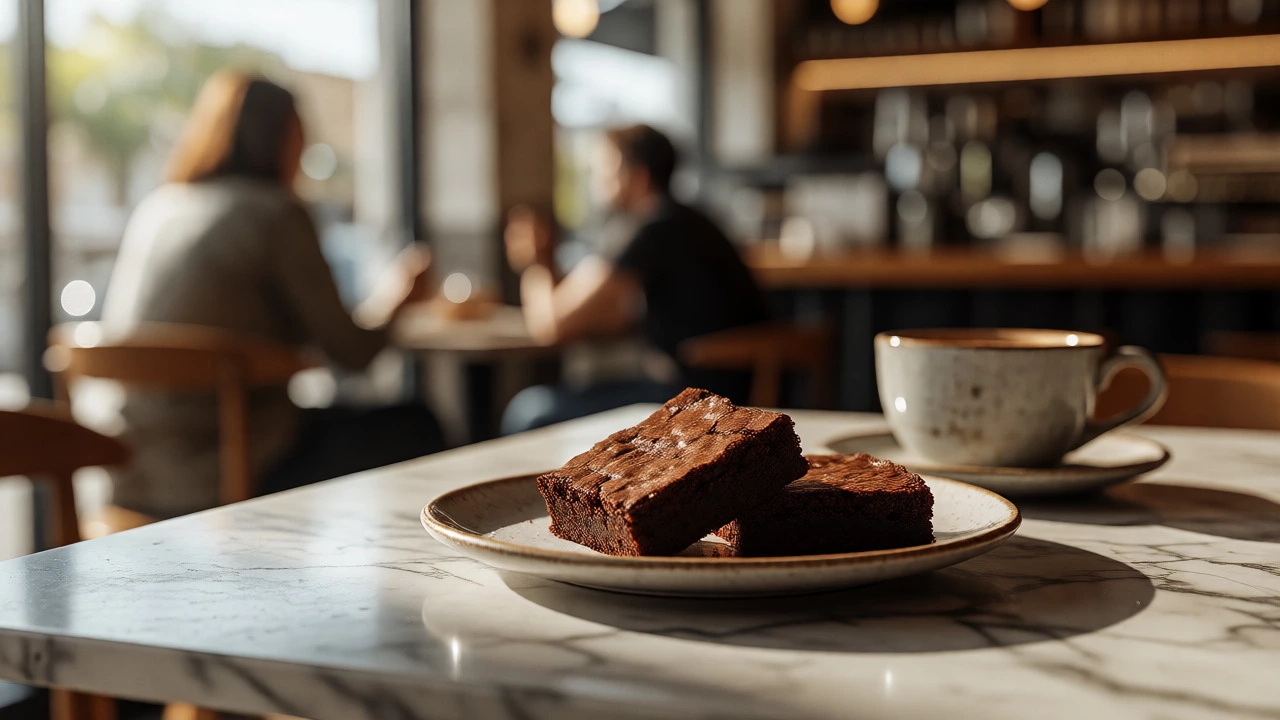
However, this is changing. With the rise of global cafe culture, merienda (afternoon snack) now frequently includes brownies. If you’re marketing brownies for afternoon consumption, use the term merienda. "Perfecto para la merienda" (Perfect for the afternoon snack) resonates well. Conversely, if you’re positioning them as a special treat, associate them with postre (dessert) or celebración (celebration).
There’s also the issue of sweetness. Traditional American brownies are very sweet. Some Latin American palates prefer less sugary desserts. If you’re adapting a recipe, you might note that reducing sugar makes it more suitable for local tastes. Mentioning menos azúcar (less sugar) can be a selling point in markets where intense sweetness is less favored.
Common Mistakes to Avoid
Don’t pluralize incorrectly. In Spanish, nouns ending in vowels add an 's' for plural, but foreign words vary. Brownies is the accepted plural. Don’t say brownie for multiple pieces. And don’t try to make it browni-the 'e' at the end is silent in English, but in Spanish, spelling often dictates pronunciation. Keeping the 'e' visible helps readers pronounce it correctly as /brow-ni/ or /brow-nee/, depending on region.
Another mistake is confusing brownies with galletas (cookies). While both are baked goods, they are structurally different. Cookies are individual units; brownies are cut from a pan. If you label a box of brownies as galletas, customers might expect handheld cookies and be surprised by the need for a plate and fork. Clarity prevents disappointment.
Finally, avoid overly literal translations like pan marrón (brown bread). This sounds bizarre and unappetizing. Stick to the loanword or descriptive phrases like cuadrados de chocolate.
Is "brownie" a Spanish word?
No, it is an English loanword. However, it is widely accepted and used in everyday Spanish across most Spanish-speaking countries. It has not been replaced by a native term because no single word captures its specific texture and preparation method.
How do you say "fudgy brownie" in Spanish?
You would say brownie denso or brownie húmedo. These terms effectively communicate the dense, moist texture that distinguishes fudgy brownies from cakey ones.
Can I call a brownie a "torta" in Spanish?
You can, but it’s imprecise. Torta usually refers to a layered cake or a sandwich (in Mexico). While some might understand you, brownie or cuadradito de chocolate is clearer and avoids confusion with other types of cakes.
What is the plural of brownie in Spanish?
The plural is brownies. Like many English loanwords ending in a vowel, it takes an 's' to become plural in Spanish usage.
Do people in Spain understand "brownie"?
Yes, absolutely. The term is commonly used in cafes, bakeries, and supermarkets throughout Spain. It is considered a standard part of modern culinary vocabulary.

Write a comment