Fudge Not Setting: Why It Happens and How to Fix It
When your fudge, a dense, creamy candy made from sugar, butter, and milk or cream. Also known as soft candy, it should firm up at room temperature after cooling doesn’t set, it’s not magic—it’s chemistry. Fudge is simple in ingredients but picky in process. Too little heat? Too much stirring? Wrong sugar ratio? Any of these can turn your batch into a sticky mess instead of a sliceable treat. The key isn’t just following a recipe—it’s understanding how sugar behaves when heated and cooled.
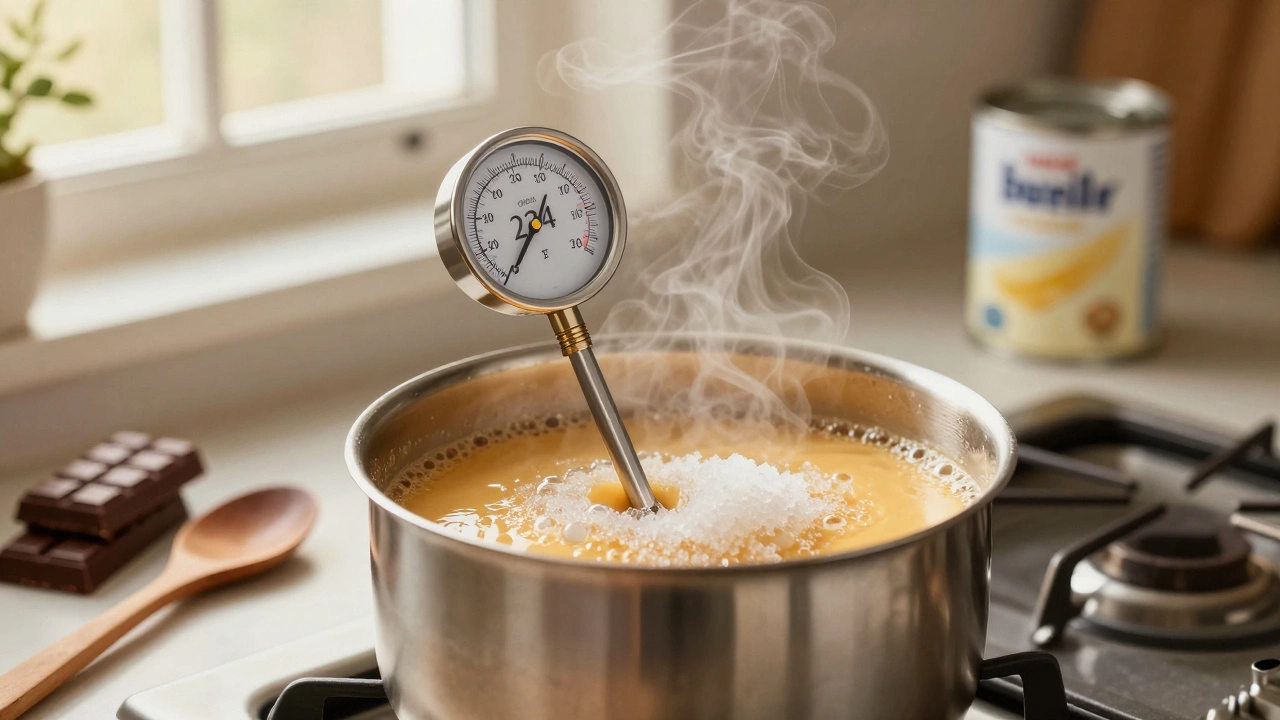
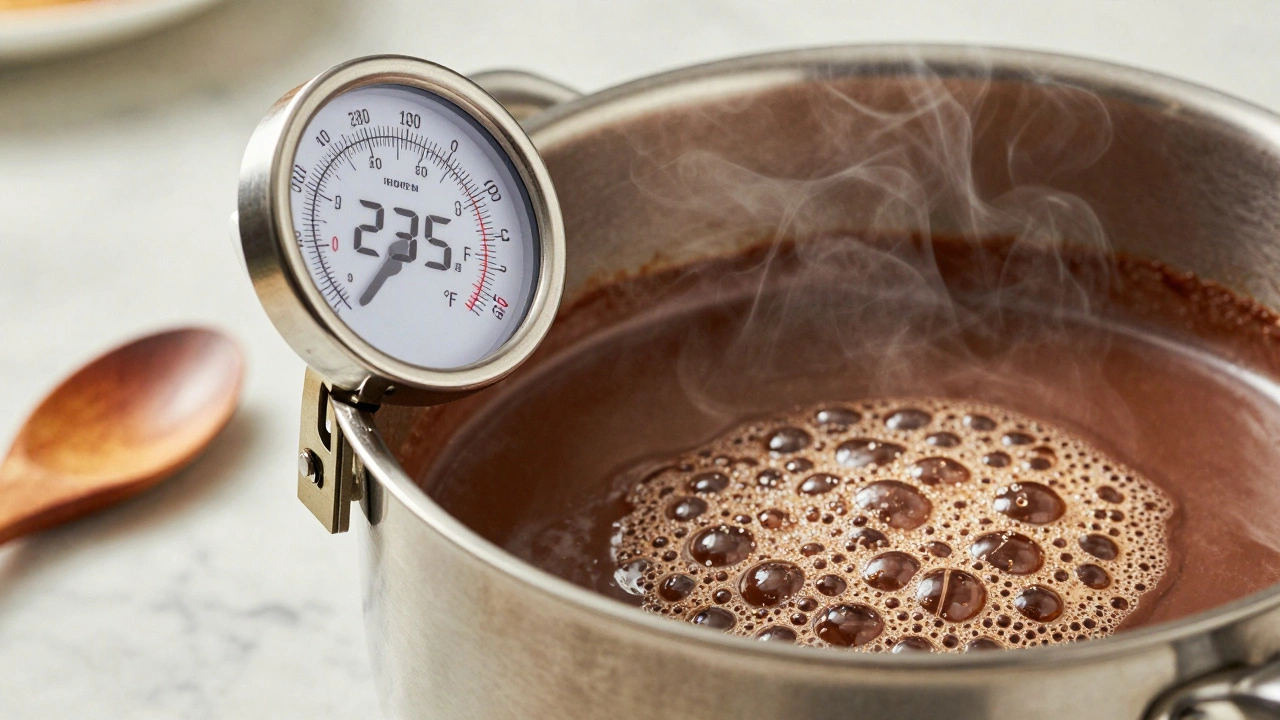
One major reason fudge won’t set is temperature, the exact point at which sugar syrup reaches the right consistency for crystallization. Most recipes aim for the soft-ball stage—234°F to 240°F. If you skip the candy thermometer and guess, you’re rolling the dice. Undercooked syrup won’t crystallize properly. Overcooked? It turns grainy or hard. And if you stir while it’s cooling? That’s a classic mistake. Stirring too early forces crystals to form unevenly, leaving you with chewy, not smooth, fudge. You don’t need fancy tools—just a reliable thermometer and patience.
Another common culprit is condensed milk, a sweetened, thickened milk product often used in no-cook or simplified fudge recipes. Fudge made with condensed milk is easier but less forgiving. It doesn’t need boiling, but it still needs time to set. If you rush it into the fridge before it’s cooled to room temperature, the fat and sugar won’t bind right. That’s why some batches stay soft even after hours in the fridge. It’s not broken—it’s just out of sync with the cooling process.
And don’t forget humidity, the invisible enemy of candy-making. On rainy days or in steamy kitchens, sugar pulls moisture from the air, preventing proper setting. If your fudge turns sticky after a few hours, humidity is likely the silent saboteur. Store it in an airtight container with parchment between layers—never in a plastic bag left on the counter.
There’s also the issue of ingredients. Cheap chocolate, margarine instead of butter, or fake vanilla extract can throw off the fat-to-sugar balance. Real butter and real chocolate make a difference. So does letting your fudge cool slowly on the counter before cutting. Cutting it too soon? You’ll pull it apart instead of slicing it clean.
What you’ll find in the posts below are real fixes from people who’ve been there—batches that turned to goo, thermometers that lied, and kitchens that were too warm. You’ll learn how to test fudge without a thermometer, why some recipes call for corn syrup and others don’t, and how to save a failed batch instead of tossing it. Whether you’re using condensed milk, evaporated milk, or old-school sugar boiling, the solutions are simple. You just need to know what’s going wrong—and how to fix it before the next batch.