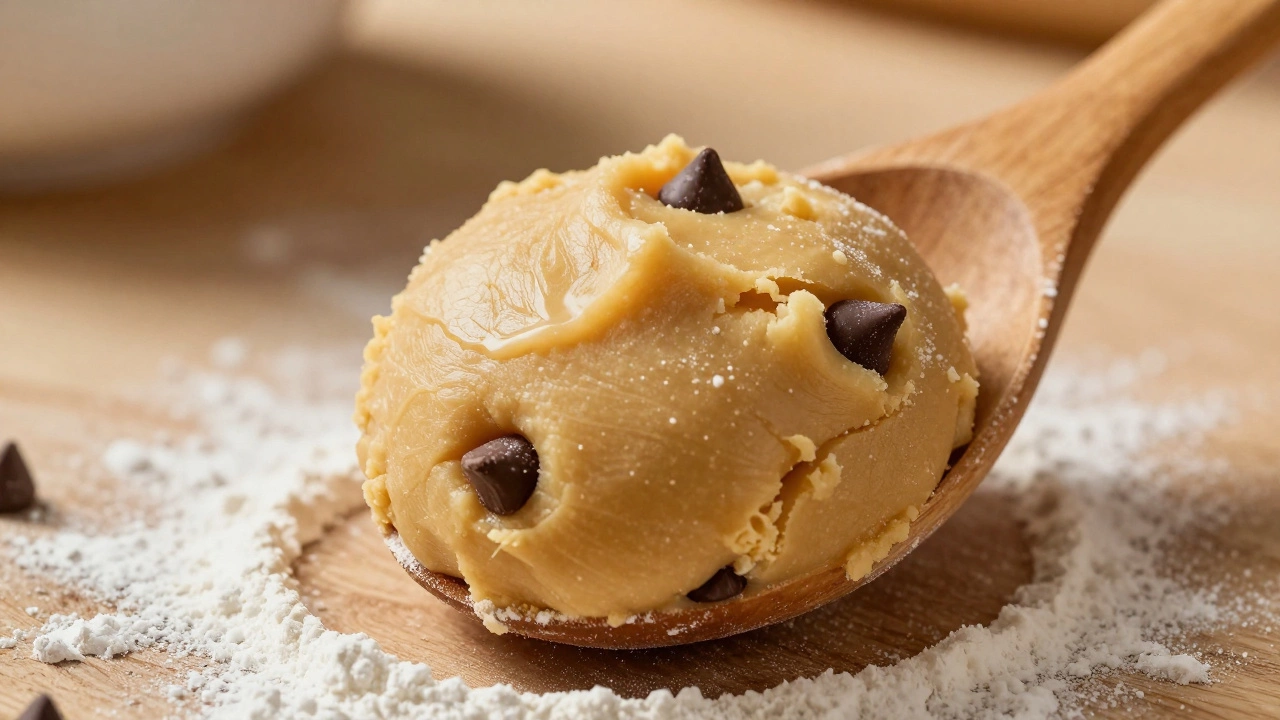
Are Cookies Made from Dough or Batter? The Simple Truth Behind the Texture
Most cookies are made from dough, not batter. Learn the key differences in texture, ingredients, and baking results so your homemade cookies turn out perfect every time.

When you're baking cookies, the process of mixing, shaping, and baking small sweet dough portions into golden treats, it’s not just about following a recipe—it’s about understanding how ingredients behave. The difference between a flat, greasy disc and a soft, chewy cookie isn’t luck. It’s science. And that science starts with butter temperature, sugar type, and how much air you whip into the dough. Many people think cookies are simple, but even small changes—like using brown sugar instead of white, or chilling the dough overnight—can completely change the outcome.
fluffy cookies, cookies with a light, airy crumb that rise slightly and stay tender aren’t just a trend—they’re the result of precise technique. Baking soda reacts with acids in the dough to create gas bubbles, which lift the cookie as it bakes. Too little, and it stays dense. Too much, and it tastes bitter. Then there’s butter: softened but not melted. If you melt it, the cookies spread too much. Chill the dough, and the fat solidifies, giving the cookie time to set before it flattens. These aren’t tricks—they’re fundamentals. And if you’ve ever made fudge that turned chewy or a pavlova that wept, you know: baking is full of small details that make or break the result.
People often blame their oven or their recipe, but the real issue is usually timing or ingredient handling. Overmixing the dough develops gluten, making cookies tough. Skipping the chill step? You’ll get paper-thin cookies. Using old baking soda? No rise at all. The posts below cover exactly these problems—why your cookies don’t puff up, how to fix grainy fudge, what happens when you skip sugar substitutions, and how to make sure your next batch isn’t just edible but unforgettable. Whether you’re new to baking or you’ve been at it for years, the fixes here aren’t complicated. They’re practical. And they work.
Below, you’ll find real answers to real baking problems: how to make cookies stay soft, what happens when you use melted butter, why chilling matters, and how baking soda changes everything. No fluff. No guesswork. Just what actually works.
Most cookies are made from dough, not batter. Learn the key differences in texture, ingredients, and baking results so your homemade cookies turn out perfect every time.
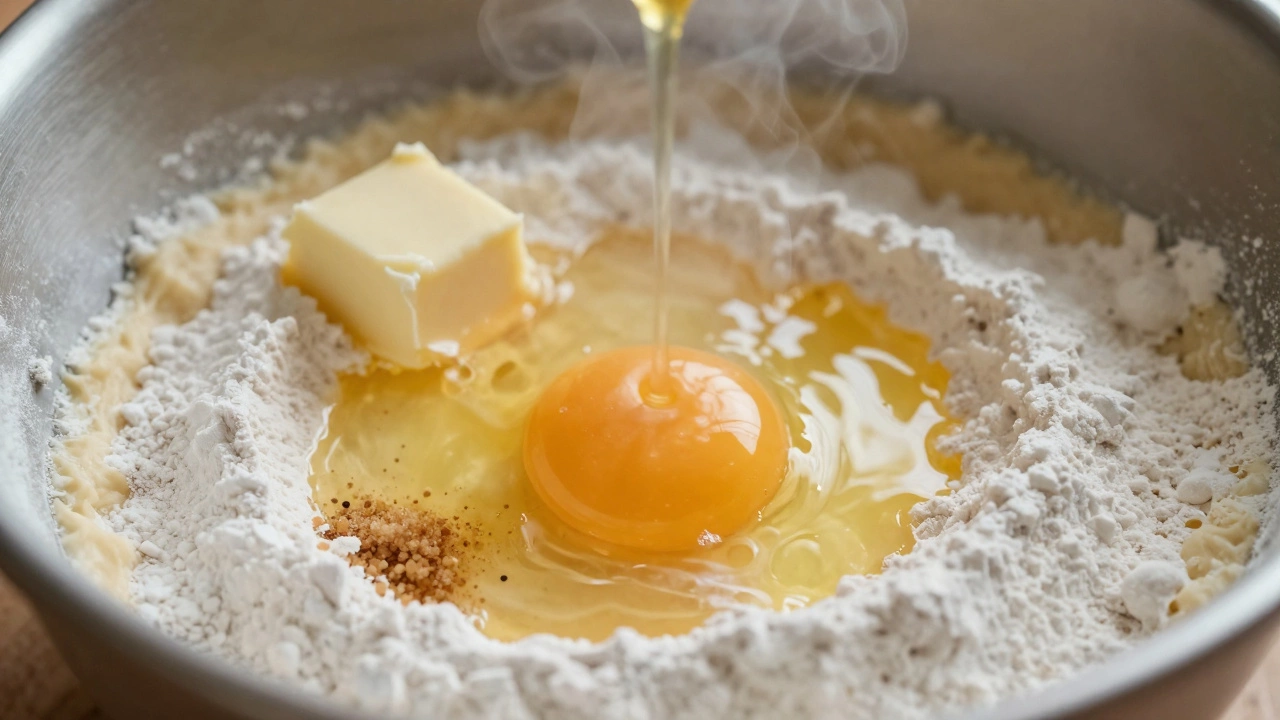
Discover the science behind why homemade cookies turn out crunchy or soft. Learn how sugar, fat, flour, and baking temperature control texture for perfect results every time.