

Brownie Doneness Checker
Check Your Brownies
-
✓
Surface is Matte
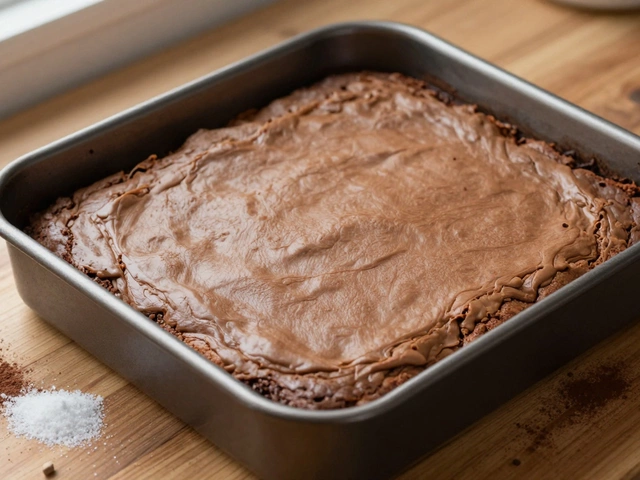
The top has lost its shine and looks slightly cracked.
-
✓
Edges Pulling Away
The edges have shrunk slightly from the pan sides.
-
✓
Toothpick Has Wet Crumbs
Not liquid goop, not clean—just moist chocolate strands.
-
✓
Center Springs Back
It feels resilient like a ripe peach, not liquid or hard.
Start Checking
Click the boxes on the left as you observe your brownies.
There is a specific kind of panic that sets in when you pull a tray of Brownies a dense, rich chocolate bar cookie made with flour, sugar, eggs, and butter or oil out of the oven. They look dark, maybe a bit undercooked, and you are terrified that taking them out now will result in raw batter, while leaving them in longer will turn your dessert into dry, cake-like bricks. You are not alone in this struggle. Baking brownies is less about following a clock and more about reading the subtle signals the batter gives you.
The difference between a perfect, gooey center and a disaster zone is often just two minutes. But how do you know those two minutes have passed? It comes down to understanding the science of heat transfer, protein coagulation, and starch gelatinization. Let’s break down exactly what to look for so you can stop guessing and start baking with confidence.
The Toothpick Test: Why It Is Often Misleading
If you grew up with a parent who baked, they probably told you to stick a toothpick into the center. If it comes out clean, it is done. This rule works beautifully for cakes, muffins, and quick breads. For brownies, however, it is dangerous advice. A clean toothpick usually means your brownies are overbaked. By the time no moisture remains on that wooden stick, the crumb has likely dried out completely.
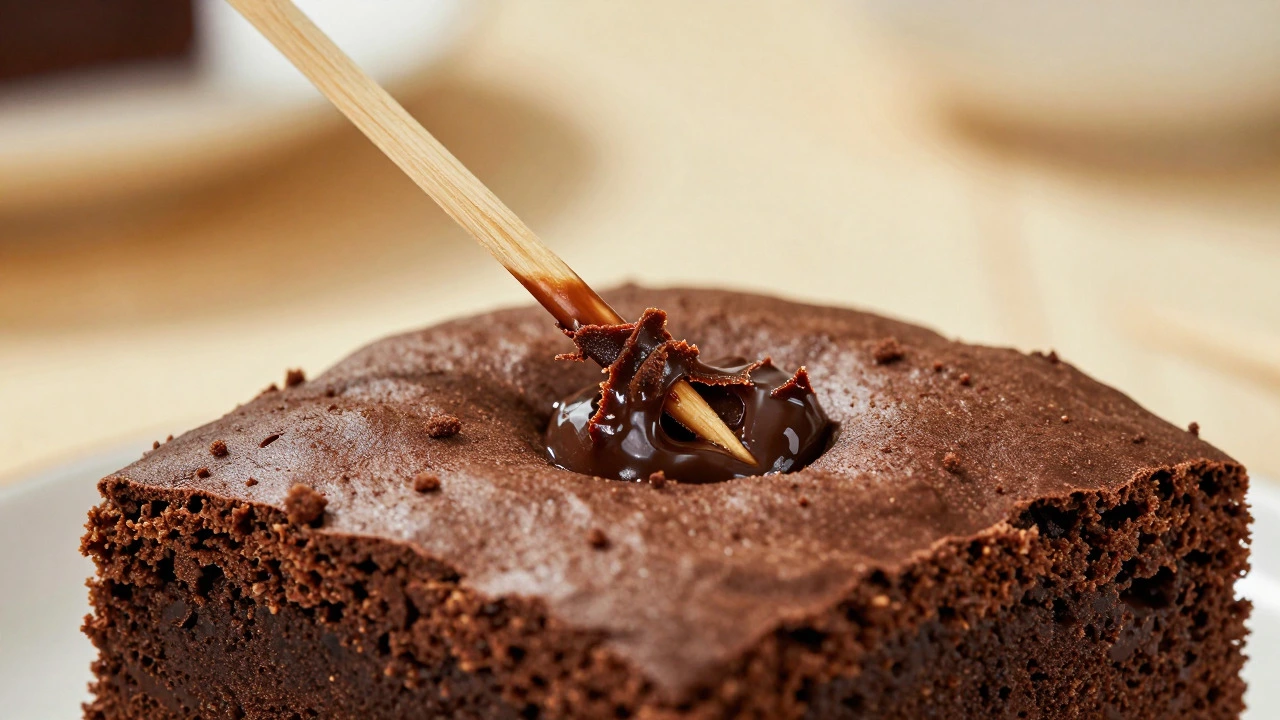
Instead, you want a toothpick that comes out with wet crumbs attached. These should be moist, sticky strands of chocolate batter, not liquid runny goop. If you see liquid dripping off the toothpick, the center hasn't set yet, and you need to give it another 3-5 minutes. If the toothpick is completely dry, you have already crossed the line into cake territory. Aim for that middle ground where the structure holds together, but the interior remains soft and fudgy.
Visual Cues: Reading the Surface
Your eyes are actually better tools than any thermometer or utensil. As brownies bake, the surface undergoes significant changes. When they are ready, the top will look matte rather than shiny. Freshly poured batter glistens because of the fat content (butter or oil). As the water evaporates and the proteins set, that shine disappears, replaced by a dull, slightly cracked finish.
Look closely at the edges. They should be pulling away from the sides of the pan. This shrinkage happens as the structure firms up. If the edges are still stuck firmly to the metal, they aren't done. Additionally, the edges themselves should look firm and set, contrasting with the softer, jigglier center. The center might still wobble slightly when you shake the pan gently, but it should move as one solid mass, not like liquid sloshing around.
The Touch Test: Feeling the Structure
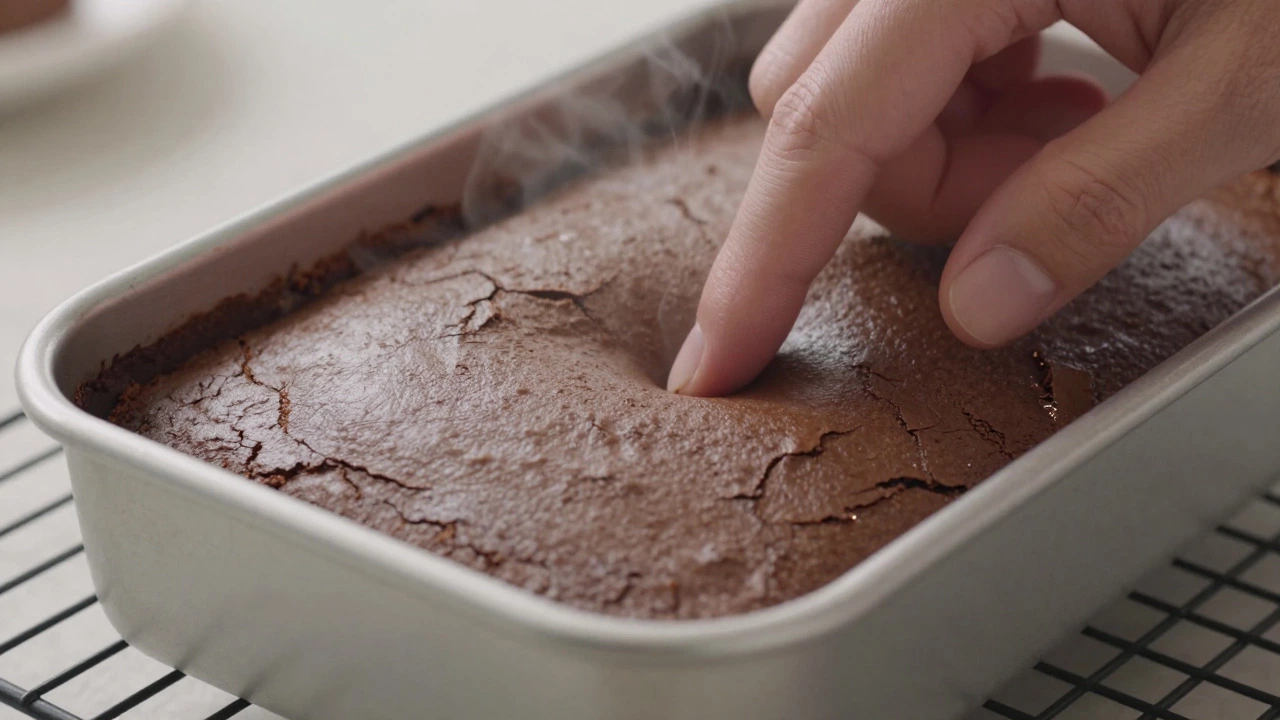
This is my favorite method because it requires no tools and gives immediate feedback. Lightly press the center of the brownie with your finger. Be careful not to burn yourself, and make sure your hand is clean. A properly baked fudgy brownie will feel springy to the touch. It should bounce back slightly when pressed, indicating that the gluten network and egg proteins have set enough to hold their shape.
If your finger sinks in and leaves an indentation, it is underbaked. The structure hasn't formed yet. If it feels hard and rigid, pushing back against your finger with resistance, it is overbaked. You are looking for that sweet spot of resilience-soft, but supportive. Think of it like touching a ripe peach; it yields slightly but doesn't collapse.
Internal Temperature: The Scientific Approach
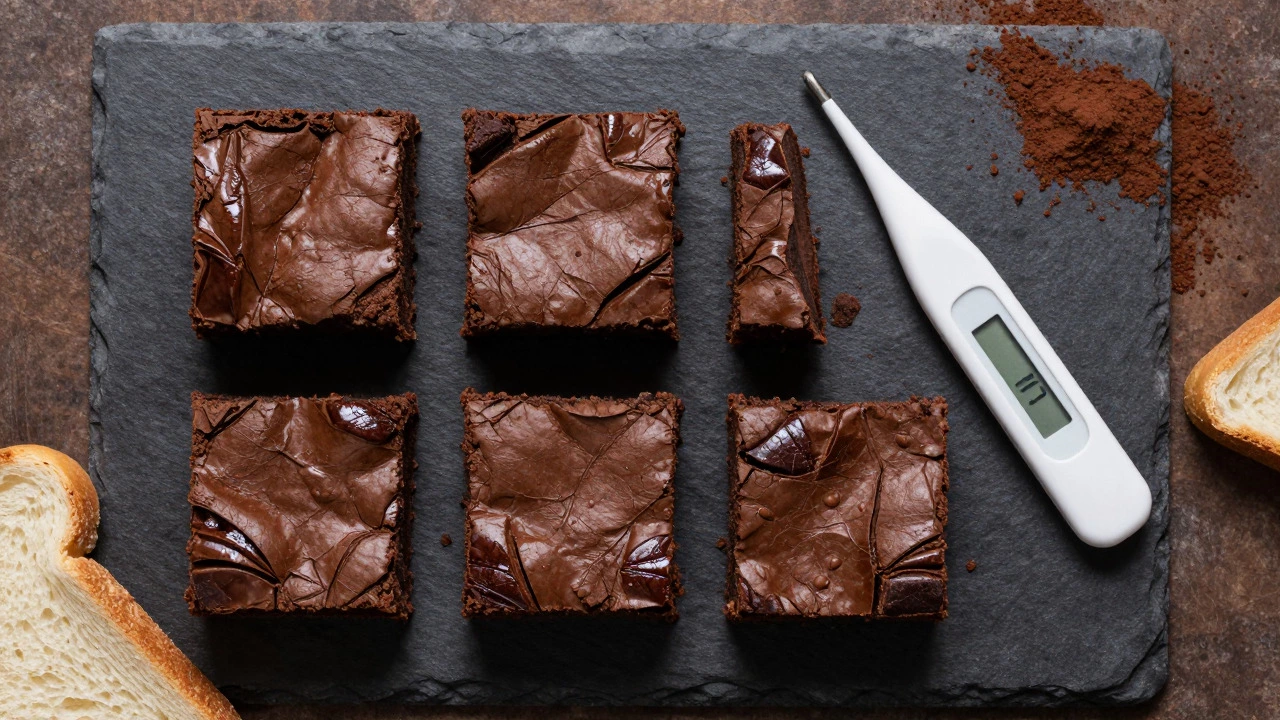
If visual cues and touch tests still leave you anxious, grab an instant-read thermometer. This removes all subjectivity from the equation. Unlike meat, where you aim for a specific safe temperature, brownies are about texture ranges. However, knowing these numbers helps you understand what is happening inside the pan.
| Texture Type | Target Temperature (°F) | Target Temperature (°C) | Characteristics |
|---|---|---|---|
| Fudgy | 170°F - 175°F | 77°C - 79°C | Dense, moist, chewy center |
| Cakey | 180°F - 185°F | 82°C - 85°C | Lighter, airier, drier crumb |
| Underbaked | Below 165°F | Below 74°C | Liquid center, unsafe to eat |
Aim for 175°F (79°C) for that classic fudgy texture. At this temperature, the eggs are fully cooked (eliminating salmonella risk), but the moisture content is still high. If you hit 180°F, the extra heat drives off more water, resulting in a cakier texture. Remember that carryover cooking is real. The brownies will continue to cook for a few minutes after you remove them from the oven due to residual heat. Pulling them at 170°F allows them to reach 175°F while resting on the counter.
Why Carryover Cooking Matters
One of the biggest mistakes bakers make is ignoring carryover cooking. When you take a hot metal pan out of a 350°F (175°C) oven, the pan retains immense heat. This heat continues to radiate into the brownies, cooking the center even though the external heat source is gone. This process can raise the internal temperature by 5-10 degrees.
This is why timing is critical. If your recipe says 25 minutes, start checking at 20 minutes. Every oven runs differently. Some ovens run hot, some run cold. Your oven's thermostat might say 350°F, but it could actually be 365°F. By starting your checks early, you account for these variables. Once you pull the pan, let it sit on a wire rack. Do not cut into it immediately. Cutting releases steam and disrupts the setting structure. Waiting 10-15 minutes allows the center to finish setting and makes slicing much cleaner.
Pan Material and Size: Hidden Variables
The type of pan you use drastically affects baking time and doneness. Metal pans conduct heat quickly and evenly. Glass or ceramic dishes retain heat longer but heat up slower. If you are using a glass dish, you often need to reduce the oven temperature by 25°F (about 15°C) to prevent the edges from burning before the center cooks.
Size matters too. A standard 8x8 inch pan is the gold standard for most recipes. If you use a 9x13 inch pan, the brownies will be thinner and bake faster. Conversely, a smaller 6x6 pan will result in thicker bars that take longer to cook through. Always adjust your baking time based on depth. Thicker brownies require lower temperatures and longer times to ensure the center cooks without the edges drying out.
Troubleshooting Common Issues
Even with the best intentions, things can go wrong. Here is how to fix common problems related to doneness.
- Soggy Bottom: If the bottom is wet but the top looks done, your oven might be running too hot, causing the top to set before the heat penetrates down. Next time, try placing the rack in the lower third of the oven or lowering the temperature by 25°F.
- Cracked Top: While cracks are normal and often desirable for aesthetic appeal, excessive cracking can indicate overmixing the batter or opening the oven door too frequently. Opening the door lets cold air in, shocking the structure and causing uneven rising and collapsing.
- Dry Texture: If your brownies are consistently dry, you are likely overbaking them. Trust the toothpick with wet crumbs rule. Also, check your measuring techniques. Too much flour is a common culprit. Spoon flour into your measuring cup and level it off; do not scoop directly from the bag, which packs the flour down.
Storing and Reheating Leftovers
Once your brownies are perfectly baked, storage plays a role in maintaining that texture. Store them in an airtight container at room temperature for up to four days. To keep them moist, you can place a slice of white bread in the container. The brownies will absorb moisture from the bread, keeping them soft. If you prefer a warm treat, microwave a single square for 10-15 seconds. The microwaves excite the water molecules, creating steam that softens the crumb instantly. Just be careful not to overheat, or they will become tough and rubbery.
Baking brownies is a balance of art and science. By combining visual inspection, the touch test, and temperature monitoring, you remove the guesswork. You learn to read your batter and your oven. With practice, you will develop an intuition that tells you exactly when to pull that tray out, every single time.
Should I let brownies cool completely before cutting?
Yes, it is highly recommended. Hot brownies are fragile and prone to crumbling. Allowing them to cool in the pan for at least 15-20 minutes helps the structure set, making them easier to slice cleanly. If you wait until they are completely cool, they will be even firmer, though some people prefer them slightly warm for a softer texture.
What if my brownies are still liquid in the middle?
If the center is liquid, they are underbaked. Return the pan to the oven for 3-5 minute intervals, checking each time. Ensure your oven is preheated correctly. Sometimes, an oven that isn't hot enough causes the outside to set before the heat reaches the center. You may also need to rotate the pan halfway through baking for even heat distribution.
Can I freeze brownies?
Absolutely. Brownies freeze very well. Wrap individual squares tightly in plastic wrap, then place them in a freezer-safe bag or container. They can last for up to three months. Thaw them at room temperature for about an hour before eating. Freezing does not significantly alter the texture if done correctly.
Why did my brownies turn out cakey instead of fudgy?
Cakey brownies usually result from too much flour, too many eggs, or overmixing the batter. Fudgy brownies rely on a higher ratio of fat and sugar to flour. If you used a recipe designed for fudgy brownies but they turned out cakey, you may have scooped your flour measure, packing it down. Use the spoon-and-level method for measuring flour to avoid this.
Is it safe to eat brownies with a gooey center?
As long as the internal temperature has reached at least 160°F (71°C), the eggs are pasteurized and safe to eat. The "gooeyness" in properly baked fudgy brownies comes from melted chocolate and retained moisture, not raw batter. Using the thermometer method ensures safety while maintaining that desirable texture.


Write a comment