


Nothing kills a pavlova faster than a puddle forming underneath it. You’ve spent hours whipping egg whites to stiff peaks, carefully piping that cloud-like mound, baking it slow and low-and then, just as you’re about to add the cream and berries, you see it: a sticky, wet ring pooling at the base. Your pavlova is weeping. It’s not ruined. It’s just misunderstood.
Why Does Pavlova Weep?
Pavlova weeps because moisture is escaping from the meringue. That’s not a flaw in your technique-it’s a sign something went wrong during the baking or cooling process. The sugar in the meringue didn’t fully dissolve, the oven temperature was too high, or the pavlova cooled too fast. It’s not about being clumsy. It’s about physics.When egg whites are whipped, they trap air. Sugar stabilizes that structure. But if the sugar crystals aren’t fully dissolved before baking, they pull moisture out of the egg whites as they melt during baking. That moisture can’t escape fast enough, so it collects at the bottom. The same thing happens if you open the oven door too early or take the pavlova out while it’s still warm. The crust forms too quickly, trapping steam inside.
In Auckland, where humidity hangs in the air even on crisp mornings, this problem shows up more often than you’d think. I’ve had pavlovas weep on me in December and in July. It’s not about the season-it’s about control.
Step-by-Step Fixes for a Weeping Pavlova
If your pavlova is already weeping, don’t panic. Here’s how to fix it-or at least save it.
- Let it dry out. Put the weeping pavlova back in the turned-off oven with the door slightly ajar. Leave it for 1-2 hours. The residual heat will slowly draw out the moisture without collapsing the structure. This works because pavlova needs to dry, not just bake.
- Blot gently. Use a clean paper towel to lightly press the wet areas. Don’t rub. Just dab. You’re removing surface moisture, not trying to scrub the meringue.
- Wait to add toppings. Don’t put cream or fruit on until the base is completely dry. Even if it looks fine, wait another hour. Condensation from cold cream or juicy berries can make it worse.
- Re-bake if needed. If the bottom is still sticky after drying, turn the oven to 100°C (212°F), put the pavlova back in for 30 minutes, then turn it off and leave it inside overnight. This is the most reliable fix for stubborn weeping.
Once it’s dry, it’ll taste fine. The texture might be a little less crisp, but the flavor? Still sweet, light, and perfect with whipped cream and passionfruit.
How to Prevent Weeping in the First Place
Fixing a weeping pavlova is good. Preventing it is better. Here’s what actually works.
- Use caster sugar. Regular granulated sugar doesn’t dissolve easily. Caster sugar (superfine) melts faster. If you only have granulated, pulse it in a food processor for 10 seconds. You’ll see the difference.
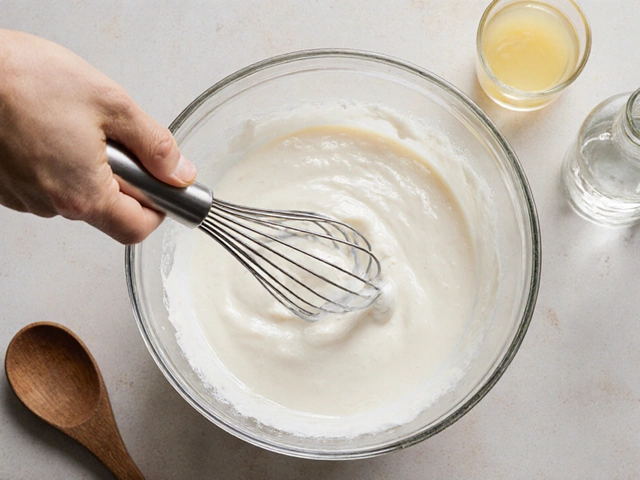
- Add sugar slowly. Don’t dump it in. Add it one tablespoon at a time while the mixer runs. Wait until each addition is fully dissolved before adding the next. Test it: rub a bit between your fingers. If it feels gritty, keep whipping.
- Use room-temperature egg whites. Cold egg whites don’t whip as well. Take them out of the fridge 2 hours before you start. Or place the bowl in warm water for 5 minutes.
- Don’t skip the vinegar or cornstarch. A teaspoon of white vinegar or 1 teaspoon of cornstarch helps stabilize the meringue. Vinegar lowers the pH, making the proteins bond tighter. Cornstarch absorbs extra moisture. Both are secret weapons.
- Bake low and slow. 120°C (250°F) for 1.5 to 2 hours is ideal. If your oven runs hot, go lower. A pavlova isn’t supposed to brown. It’s supposed to dry.
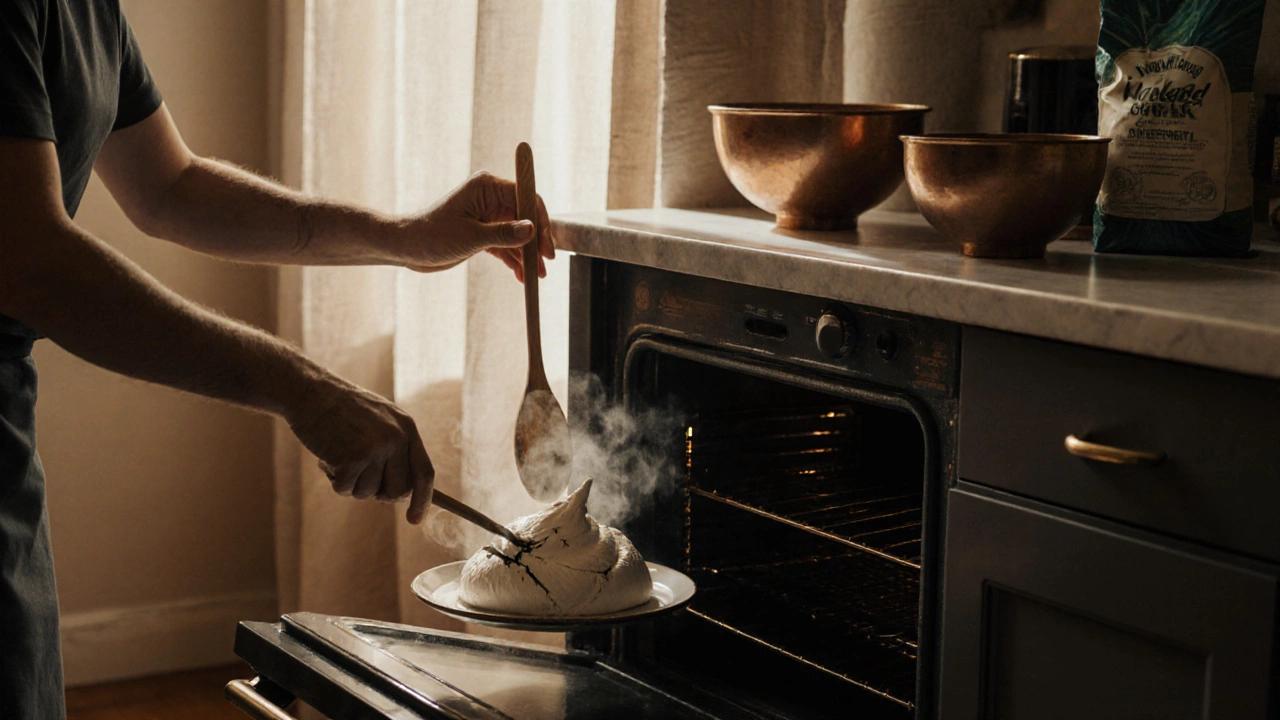
- Cool it inside the oven. Turn off the oven, crack the door open with a wooden spoon, and leave it for 4-6 hours. Or overnight. This slow cooldown prevents steam from getting trapped.
What Not to Do
Some fixes make things worse. Here’s what to avoid:
- Don’t increase the oven temperature. Higher heat will make the outside crisp too fast and trap even more moisture inside.
- Don’t open the oven door in the first hour. Even a quick peek can cause a temperature drop that collapses the structure.
- Don’t refrigerate the pavlova. Cold air forces moisture out of the meringue. Store it at room temperature in an airtight container if you’re not serving it right away.
- Don’t use a mixer that’s too small. If your bowl is too small, the egg whites won’t get enough air. Use a large, clean, grease-free bowl. A tiny whisk attachment won’t cut it.
Real-Life Example: My Worst Pavlova
Last Christmas, I made a pavlova for 12 people. I used granulated sugar because I was out of caster. I added it all at once. I opened the oven at 45 minutes to check. I took it out when it looked white and dry. I added cream and kiwi. By 8 p.m., the whole thing was a soggy mess.
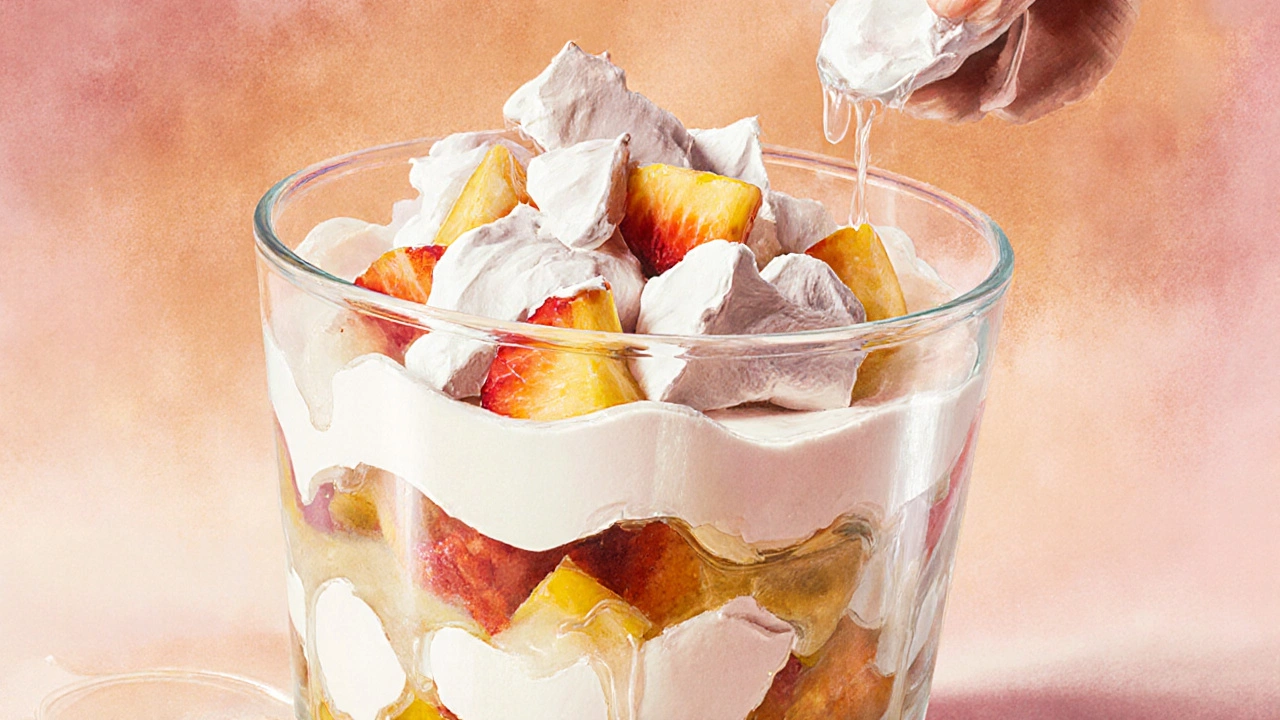
I didn’t throw it out. I broke it into pieces, layered it with cream and fruit in a trifle bowl, and called it a pavlova trifle. It was a hit. People didn’t care that it didn’t look perfect. They cared that it tasted like summer.
That’s the thing about pavlova. It’s not about perfection. It’s about effort. And sometimes, a weeping pavlova is just a different kind of success.
When to Accept It’s Not Coming Back
There are times when you can’t save it. If the pavlova has collapsed completely, smells sour, or the inside is slimy instead of chewy, it’s spoiled. That’s not weeping-that’s fermentation. Egg whites can go bad if left too long before baking, especially in warm weather. If you’re unsure, toss it. No dessert is worth getting sick over.
But if it’s just wet at the bottom? You’ve got options. Dry it out. Re-bake it. Turn it into something else. You’re not a failure. You’re a baker who learned something.
Pro Tip: Make It a Tradition
In New Zealand, pavlova is more than dessert. It’s a ritual. We make it for birthdays, holidays, and just because. And we’ve all had one weep. The best bakers I know don’t avoid mistakes-they talk about them. They keep a notebook: “Used granulated sugar-weeping. Next time: caster, vinegar, overnight dry.”
Keep notes. Try one change at a time. Your next pavlova won’t weep. And when it doesn’t, you’ll know why.
Why does my pavlova weep even when I follow the recipe?
Most recipes don’t mention how crucial it is to dissolve the sugar completely. Even if you use caster sugar, adding it too fast or using a weak mixer can leave crystals behind. Always test by rubbing the mixture between your fingers-no grit means it’s ready. Also, cooling the pavlova too quickly in a cold kitchen or fridge can cause condensation. Always let it cool slowly in the oven.
Can I fix a weeping pavlova after adding cream and fruit?
Once cream and fruit are on top, you can’t fully reverse the weeping. But you can still salvage it. Gently lift off the toppings, blot the base with paper towels, and return the pavlova to the oven at 100°C for 30 minutes to dry out. Then reassemble. The texture won’t be perfect, but the flavor will still be good.
Is cornstarch necessary in pavlova?
Not strictly necessary, but it helps. One teaspoon of cornstarch absorbs excess moisture and gives the meringue a slightly chewy center-exactly what you want. If you skip it, make sure your oven stays low and your cooling time is long. Cornstarch is insurance against humidity, which is why it’s common in New Zealand and Australian recipes.
Why does my pavlova crack on top?
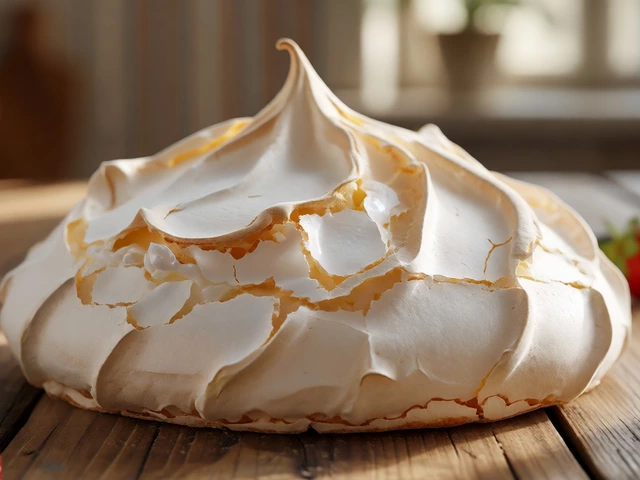
Cracking usually means the oven was too hot or the meringue was whipped too stiff. Overbeaten egg whites lose their elasticity and can’t expand evenly as they bake. Aim for stiff but glossy peaks-not rock-hard. If the top cracks but the bottom doesn’t weep, it’s still fine. Cracks are cosmetic. Weeping is structural.
How long can I store a pavlova before serving?
A fully cooled, dry pavlova can be stored in an airtight container at room temperature for up to 2 days. Don’t refrigerate it. Add cream and fruit only right before serving. If it’s been more than 2 days, the texture will soften too much-even if it doesn’t weep.
Next Steps: Try This Simple Test
Next time you make pavlova, do this: write down your sugar type, your oven temp, your cooling method, and whether it wept. After three tries, you’ll see the pattern. Most people fix it after the second attempt.
And if you still have trouble? Try this: make a mini pavlova. Use just two egg whites. It’s faster, cheaper, and easier to control. Master the small one, and the big one will follow.




Write a comment