

Pavlova Doneness Diagnostic Tool
Select options above to diagnose your pavlova.
You pull your pavlova out of the oven, expecting that signature crackle. Instead, you get a dull thud or a sticky mess. It happens to the best of us. The question isn't just "can pavlova be overcooked?" but rather, "what does an overcooked pavlova actually look like, and can I save it?" The short answer is yes, you absolutely can ruin this delicate dessert by leaving it in too long or at the wrong temperature. But unlike a burnt cake, the damage is often subtle, turning a marshmallowy cloud into a brittle, dry shard.
What Actually Happens When You Overcook Pavlova
To fix the problem, you need to understand the chemistry. A perfect pavlova relies on egg whites being whipped into a foam and stabilized with caster sugar. The goal is to dehydrate the outside while keeping the inside soft and moist. If you leave it in the oven too long, you strip away all the moisture from the interior. The result is a dessert that tastes more like a sweet cookie than a creamy cloud. The structure collapses because the protein matrix becomes too rigid and brittle.
Heat plays a massive role here. Most recipes call for a low temperature, usually around 120°C (250°F), to slowly dry out the meringue without browning it. If you crank up the heat to speed things up, the outside sets before the inside dries. This traps steam, which then expands and cracks the shell violently. Conversely, if you bake it for hours beyond the recommended time, the sugar begins to caramelize excessively, leading to a tough, chewy texture that sticks to your teeth.
Visual and Textural Red Flags
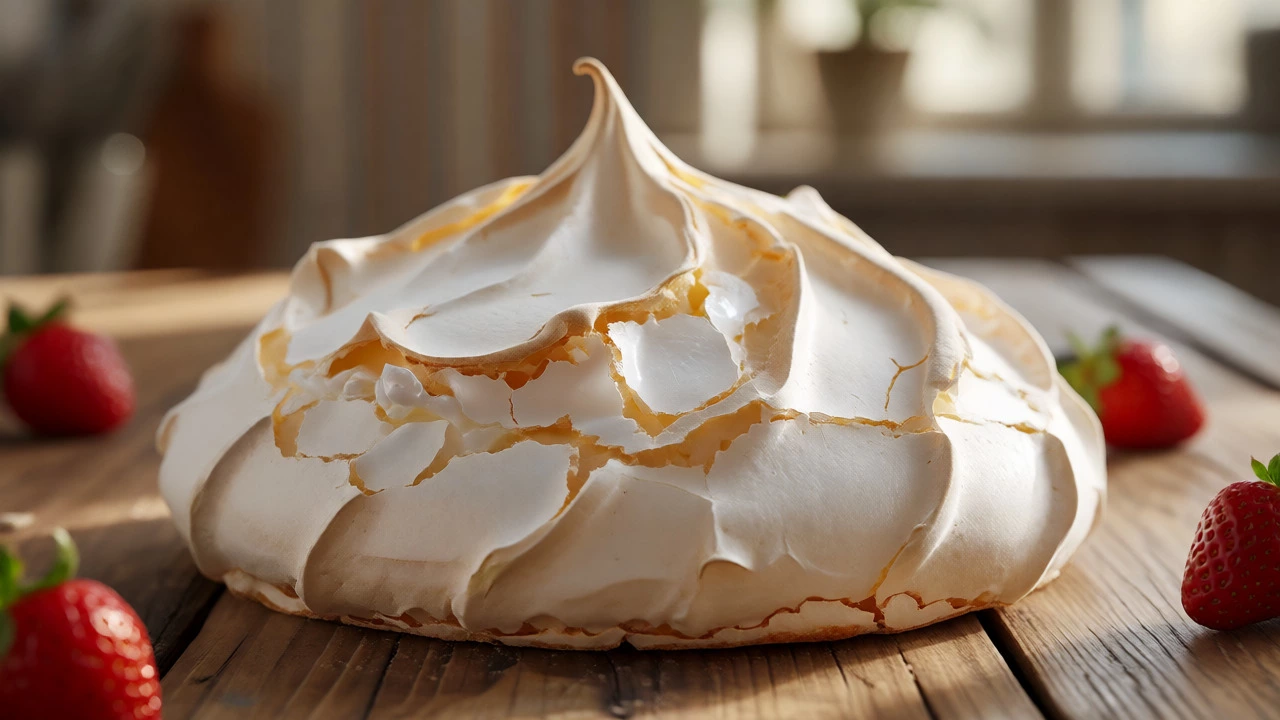
How do you know if you've crossed the line? Your eyes and hands are your best judges. A properly baked pavlova should have a crisp, matte exterior that makes a hollow sound when tapped gently. If the surface looks glossy or wet, it's undercooked. If it looks dark brown or yellowed, you've gone too far. Color change is a primary indicator of overcooking because the Maillard reaction and caramelization kick in when temperatures rise above what the delicate egg proteins can handle gracefully.
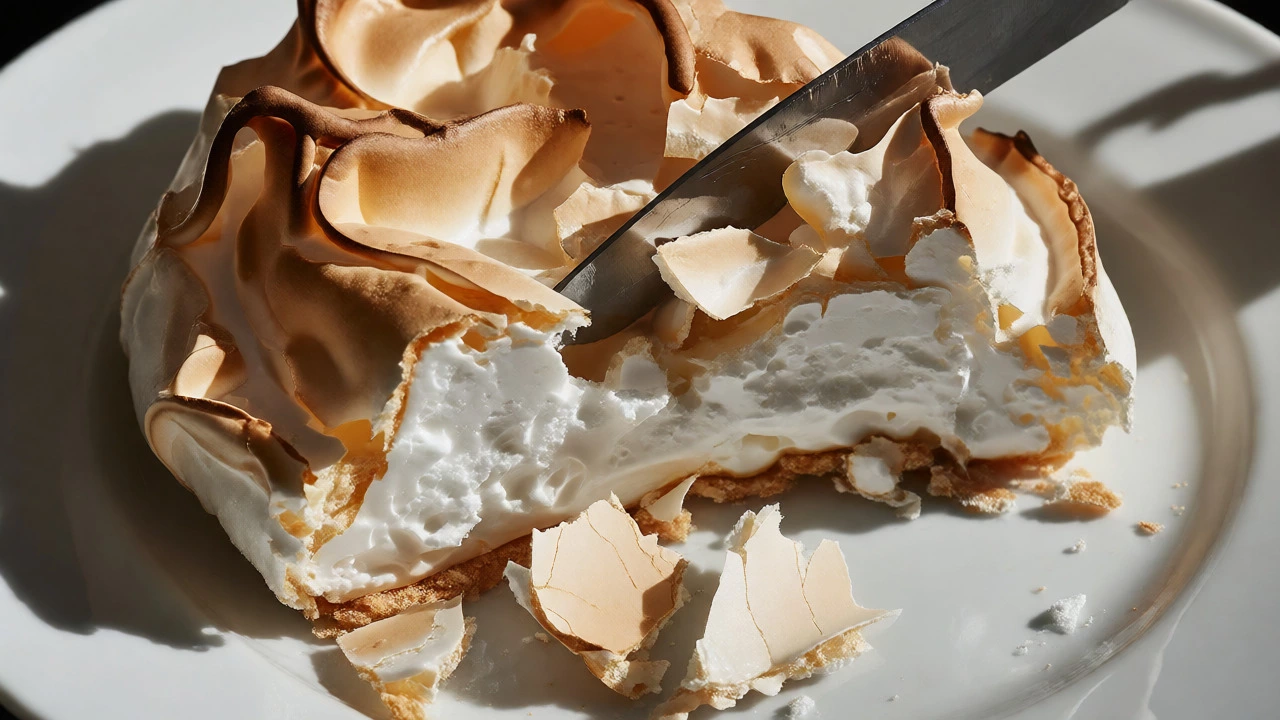
Texture tells the rest of the story. Cut into your pavlova after it has cooled completely. If the center is dense, rubbery, or chalky, you've lost the marshmallow effect. Ideally, the interior should be soft, almost like a thick meringue cream. If it shatters into sharp pieces rather than breaking cleanly, the structural integrity has failed due to excessive dehydration. Sticky residue on the cutting board is another sign; it means the sugar didn't fully set or reabsorbed moisture because the outer shell was compromised by heat damage.
The Difference Between Overcooked and Undercooked
It’s easy to confuse the two failures because both result in a disappointing texture. However, the symptoms are distinct. An undercooked pavlova will feel soft all the way through and might weep liquid sugar syrup onto the plate. It lacks structural support. An overcooked one feels rock-hard on the outside and dry or crumbly on the inside. There is no moisture left to balance the sweetness.
| Indicator | Undercooked | Perfect | Overcooked |
|---|---|---|---|
| Exterior Texture | Soft, tacky, no crackle | Crisp, matte, hollow sound | Brittle, hard, potentially browned |
| Interior Texture | Wet, runny, dense | Soft, marshmallow-like | Dry, chalky, rubbery |
| Color | Pale white, glossy | Off-white or cream | Yellow, tan, or dark brown spots |
| Taste Profile | Egg-heavy, raw sugar taste | Balanced sweetness, vanilla notes | Caramelized, overly sweet, flat flavor |
Common Causes of Ruined Meringue
Why does this happen so often? Usually, it's a mismatch between your oven reality and the recipe instructions. Home ovens rarely maintain exact temperatures. Your thermostat might fluctuate by 10-15 degrees, causing hot spots that burn parts of the meringue while others remain soft. Another culprit is humidity. On a rainy day, ambient moisture prevents the pavlova from drying out properly, tempting you to leave it in longer. But adding time doesn't always solve humidity issues; it often just cooks the sugars harder.
Using the wrong type of sugar can also lead to trouble. Icing sugar often contains cornstarch, which helps stabilize the foam. If you substitute granulated sugar without dissolving it properly, the grains can melt unevenly, creating pockets of liquid that disrupt the cooking process. Furthermore, opening the oven door too early causes a sudden drop in temperature, collapsing the air bubbles trapped in the egg whites. Once those bubbles pop, the structure weakens, and you might try to compensate by baking longer, leading directly to overcooking.
Can You Fix an Overcooked Pavlova?
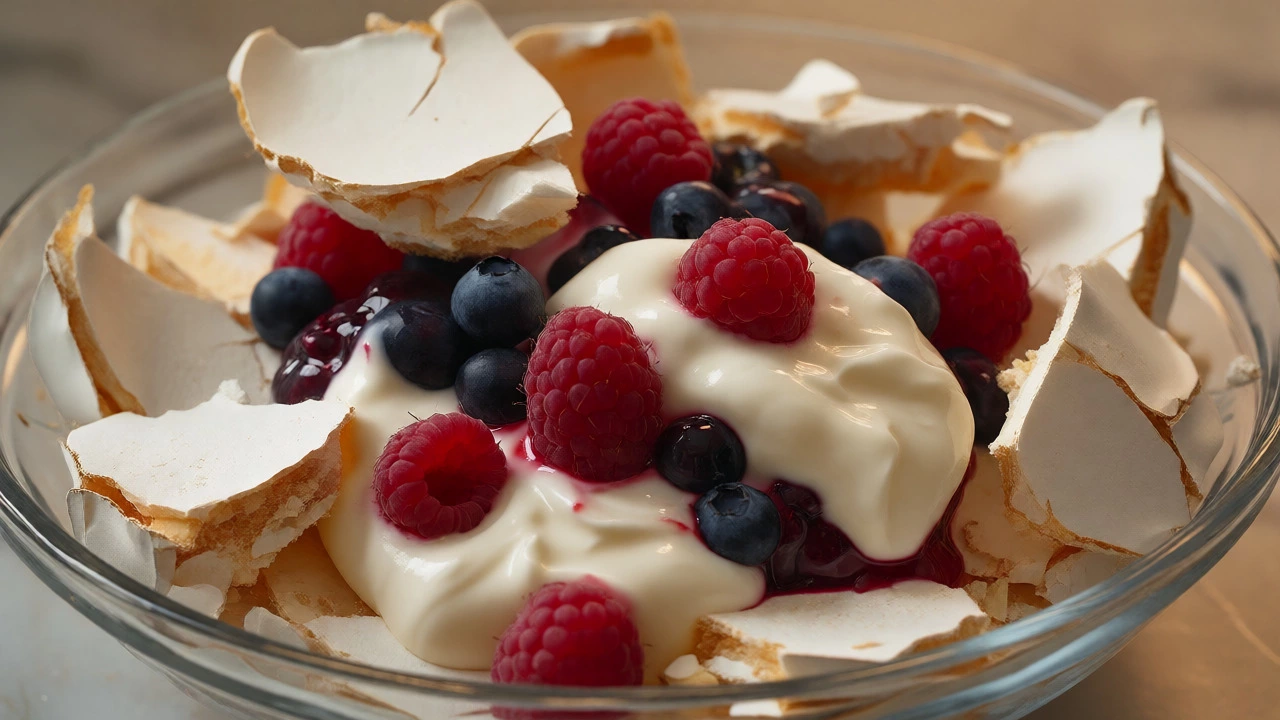
So, you've pulled out a brick. Is it trash? Not necessarily. While you can't reverse the chemical changes that dried out the interior, you can repurpose the dessert. If the shell is intact but the inside is dry, serve it with generous amounts of fresh fruit and heavy cream. The added moisture from the toppings masks the dryness effectively. Think of it as a crunchy base for a trifle rather than a standalone star.
If the pavlova is shattered into pieces, don't panic. Break it down further into shards. Layer these shards with mascarpone, berries, and chocolate ganache to create a parfait. The crunch of the overcooked meringue provides a pleasant contrast to the creamy layers. In some cases, you can even blend the broken pieces into ice cream for a rocky road variation. The key is to add moisture back into the eating experience since you can't put it back into the baked good itself.
Pro Tips for Perfect Results Every Time
Avoiding the overcooked trap comes down to precision and patience. First, ensure your bowl and whisk are completely free of grease. Even a trace of yolk or oil prevents egg whites from whipping to stiff peaks. Use room-temperature eggs for better volume. When adding sugar, do it one tablespoon at a time, allowing each addition to dissolve fully before adding the next. This ensures a smooth, stable foam that bakes evenly.
Temperature control is non-negotiable. Use an oven thermometer to verify your actual temperature. Bake at the lowest possible setting, ideally between 100°C and 120°C (200°F - 250°F). Turn off the oven after the recommended baking time (usually 60-90 minutes) and let the pavlova cool inside with the door slightly ajar. This residual heat finishes the drying process gently without burning. Never rush the cooling phase; moving it to a wire rack too quickly can cause thermal shock and cracking.
Frequently Asked Questions
Why did my pavlova turn yellow?
A yellow tint usually indicates that the oven temperature was too high, causing the sugar to caramelize prematurely. It can also happen if the meringue was exposed to direct heat elements for too long. To prevent this, lower your oven temperature and consider placing the tray on a lower rack to avoid top-browning.
Is it safe to eat overcooked pavlova?
Yes, it is perfectly safe to eat. Overcooking affects the texture and flavor, making it dry or brittle, but it does not make the dessert harmful. The egg whites are fully cooked, and the sugar is simply more concentrated or caramelized. It might not be pleasant to eat plain, but it works well with toppings.
How long should pavlova stay in the oven?
Typically, pavlovas need 60 to 90 minutes at a low temperature (around 120°C/250°F). However, this varies by size and oven accuracy. The best test is the tap test: the exterior should feel firm and make a hollow sound. Always allow it to cool completely in the turned-off oven to finish setting without burning.
Can I rebake an undercooked pavlova?
You can return an undercooked pavlova to the oven for another 10-15 minutes at a low temperature. However, you cannot easily fix an overcooked one by baking it again, as it will only become drier and harder. Rebaking is a rescue strategy for soft centers, not for brittle shells.
Does humidity affect pavlova baking?
Absolutely. High humidity introduces extra moisture into the kitchen environment, making it harder for the meringue to dry out. On humid days, you might need to extend the drying time slightly or use a fan-assisted oven setting to circulate air. Avoid making pavlova on extremely rainy days if you want the crispiest results.
Write a comment