


Oreo Vegan Compatibility Checker
Answer these three questions to see if Oreos align with your personal definition of a vegan lifestyle.
Your Verdict
Recommendation:
Grab a pack of Oreos, twist them apart, and dip one half in your favorite milk. It’s a ritual known worldwide. But if you follow a strict plant-based diet, that simple act might come with a side of anxiety. Are Oreos actually vegan? The short answer is complicated. While the ingredient list looks clean on paper, the reality of how they are made introduces gray areas that many vegans choose to avoid.
If you are looking for a definitive yes or no, you need to look beyond the box. This guide breaks down the ingredients, the manufacturing process, and the ethical considerations so you can decide if this classic cookie fits into your lifestyle.
The Ingredient Breakdown: What Is Actually Inside?
To understand if Oreos are vegan, we first have to look at what goes into them. The standard Oreo cookie consists of two chocolate-flavored wafers sandwiching a sweet cream filling. Let's dissect the components based on the standard formulation used in the United States and many other markets.
The primary ingredients include unbleached enriched flour, sugar, palm oil, cocoa, high fructose corn syrup, and leavening agents. At first glance, none of these are animal-derived. There is no honey, no gelatin, and no obvious dairy like butter or whey listed in the main components. This is why many casual observers assume Oreos are automatically vegan-friendly.
However, closer inspection reveals potential issues. Palm oil is a common point of contention among vegans, not because it contains animal products, but due to its environmental impact and association with habitat destruction. From a strict dietary definition, though, palm oil is plant-based. The more significant concern lies in the additives and processing aids that don't always make the final label but influence the product's status.
The Dairy Dilemma: Why "Dairy-Free" Isn't Always "Vegan"
Here is where things get tricky. You might notice that Oreos are labeled as "dairy-free." In the food industry, "dairy-free" usually means the product does not contain significant amounts of milk proteins or lactose. It is a label designed for people with lactose intolerance or mild dairy allergies, not necessarily for vegans.
Nabisco, the manufacturer of Oreos, states that their cookies do not contain any milk ingredients. However, the absence of intentional milk does not guarantee the absence of cross-contamination. The facilities where Oreos are produced also handle other products that contain milk. This leads to the risk of trace amounts of dairy ending up in the cookies during the manufacturing process.
For someone with a severe milk allergy, this is a critical health warning. For a vegan, it is an ethical and philosophical decision. Some vegans accept the risk of trace cross-contamination because no animals were intentionally harmed in the recipe. Others adhere to a stricter standard, avoiding any product that shares machinery with animal-derived goods. This distinction is crucial when determining if Oreos fit your personal definition of veganism.
Cross-Contamination and Manufacturing Risks
Let's talk about the factory floor. Large-scale cookie production involves massive conveyor belts, mixing vats, and packaging lines. If a facility produces both Oreos and a chocolate chip cookie loaded with real milk chocolate, there is a possibility of residue transfer. Even with rigorous cleaning protocols, absolute zero contamination is nearly impossible to guarantee in shared environments.
This concept is known as cross-contact. It doesn't mean the cookie is "dirty," but it does mean it isn't pure from a strict vegan perspective. Many major food manufacturers, including Mondelez International (the parent company of Nabisco), include disclaimers on their websites acknowledging that their products may be processed on equipment that also processes milk, eggs, wheat, soy, tree nuts, or peanuts.
So, while the recipe itself is plant-based, the supply chain introduces variables. If you are sensitive to even microscopic traces of dairy, or if your veganism requires complete separation from animal product infrastructure, Oreos might not pass your test.

Regional Differences: Where You Live Matters
Another factor that complicates the "are Oreos vegan" question is geography. Food formulations change depending on the country. A cookie bought in New York might have a slightly different ingredient profile than one bought in London or Sydney.
In some regions, Oreos contain artificial flavors or colorings that could potentially be derived from animal sources, although this is rare in mass-produced candies. More commonly, the type of sugar used varies. In the past, some sugars were processed using bone char (a substance made from cattle bones) to achieve a white color. While many large suppliers have moved away from bone char, it remains a concern for strict vegans who research the source of every sugar crystal.
Additionally, some international versions of Oreos use different oils or emulsifiers. For instance, certain European varieties might use sunflower oil instead of palm oil, which changes the environmental footprint but not necessarily the vegan status. Always check the local packaging, as global brands often tweak recipes to meet regional taste preferences and regulatory standards.
Ethical Considerations Beyond Ingredients
Veganism is often described as more than just a diet; it's a lifestyle choice aimed at reducing animal exploitation. When evaluating Oreos, you might consider factors beyond the immediate ingredient list. Does the company support animal testing? Do they invest in sustainable farming practices that protect wildlife?
Mondelez International has made public commitments to sustainability, particularly regarding palm oil sourcing. They aim to source 100% certified sustainable palm oil to minimize deforestation and habitat loss. For eco-conscious vegans, this effort might make Oreos a more acceptable choice compared to competitors with less transparent supply chains. However, critics argue that corporate promises often lag behind actual impact, and palm oil production continues to drive biodiversity loss in Southeast Asia.
Furthermore, the broader context of industrial food production raises questions about labor practices and environmental degradation. While these issues don't directly involve animal ingredients, they align with the holistic values many vegans hold. Choosing whether to buy Oreos becomes a balance between convenience, dietary purity, and ethical alignment.
Comparison: Oreos vs. Certified Vegan Cookies
If you want to avoid the ambiguity of cross-contamination, there are plenty of cookies that are explicitly certified vegan. These products are manufactured in dedicated facilities or undergo third-party verification to ensure no animal products or cross-contamination risks exist.
| Feature | Standard Oreos | Certified Vegan Cookies (e.g., MadeGood, Enjoy Life) |
|---|---|---|
| Animal Ingredients | None listed | None |
| Dairy Cross-Contamination Risk | High (shared equipment) | Low to None (dedicated facilities) |
| Palm Oil Usage | Yes (in most variants) | Varies (often uses sunflower or coconut oil) |
| Sugar Source Transparency | Unclear (potential bone char) | Usually clear (beet sugar or non-char cane) |
| Price Point | Affordable | Premium |
| Availability | Everywhere | Grocery stores, online retailers |
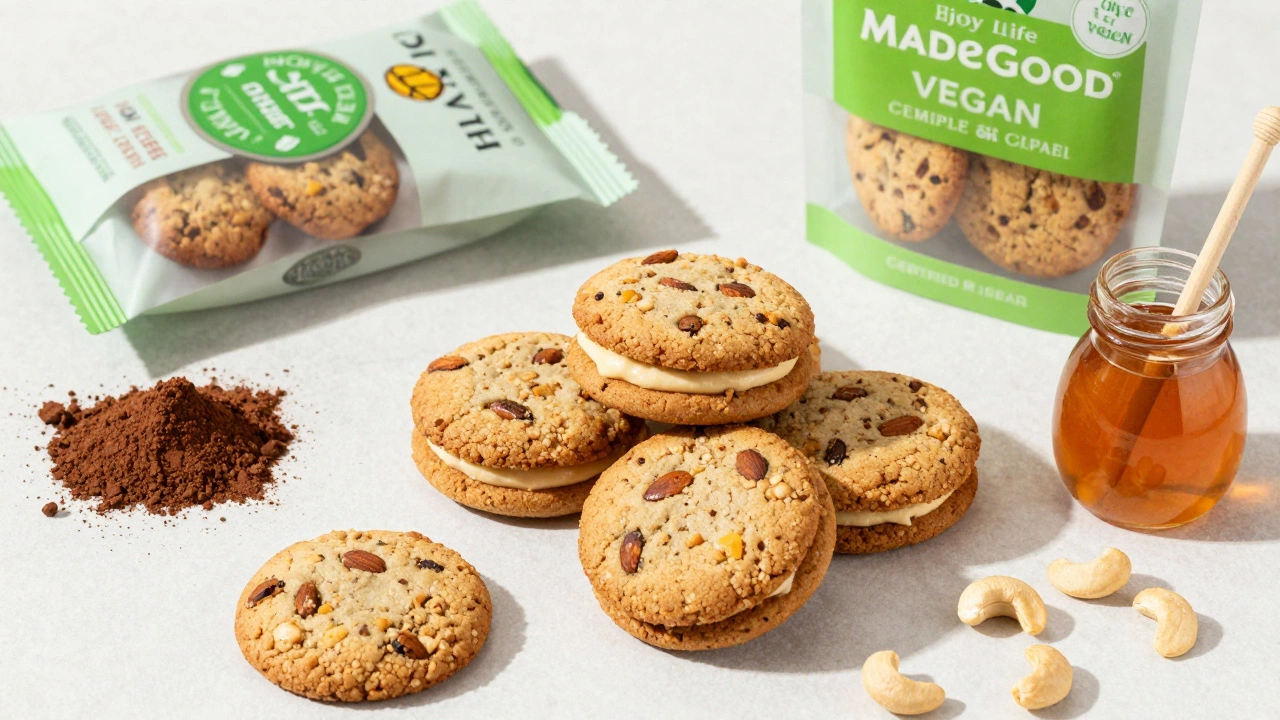
As the table shows, Oreos win on convenience and price. But if purity is your priority, certified vegan brands offer peace of mind. Brands like Enjoy Life Foods or MadeGood specialize in allergen-free, vegan treats that are safe for those with strict dietary needs.
Best Vegan Cookie Alternatives to Try
If you decide that Oreos don't meet your standards, don't despair. The market for plant-based snacks has exploded in recent years. Here are some excellent alternatives that satisfy the same craving without the ethical compromises:
- Clif Bar Crunchy Bars: While technically bars, they offer a similar crunch and sweetness profile. Many flavors are vegan and free from major allergens.
- Back to Nature Chocolate Chip Cookies: These are widely available and clearly labeled as containing no artificial colors or preservatives. Check the specific package, as formulations can change.
- Homemade Vegan Oreos: Making your own version is surprisingly easy. Use almond flour or oat flour for the wafers, and blend cashews with maple syrup for the filling. You control every ingredient, ensuring zero cross-contamination.
- Lenny & Larry's Complete Cookies: These are high-protein, vegan-friendly cookies that come in various flavors, including dark chocolate peanut butter, which mimics the rich taste of Oreos.
Each of these options provides a cleaner slate. You know exactly what you are eating, and you aren't worrying about shared machinery or ambiguous sugar sources.
How to Make Your Own Vegan Oreo-Style Cookies
Want total control? Baking your own vegan sandwich cookies is a rewarding project. Here is a simple approach to replicate that iconic texture and flavor.
- Prepare the Wafers: Mix 1 cup of all-purpose flour (or gluten-free blend), 1/4 cup cocoa powder, 1/2 teaspoon baking soda, and a pinch of salt. Add 1/3 cup of melted coconut oil or vegan butter and 1/3 cup of maple syrup. Stir until a dough forms.
- Shape and Bake: Roll the dough out thin and cut into circles. Bake at 350°F (175°C) for about 8-10 minutes. Let them cool completely-they will crisp up as they cool.
- Make the Filling: Blend 1/2 cup of raw cashews (soaked overnight) with 1/4 cup of powdered sugar, 1 tablespoon of vanilla extract, and enough almond milk to reach a spreadable consistency.
- Assemble: Spread the filling on one wafer and sandwich it with another. Dip the edges in melted dark chocolate for that authentic look.
This method ensures your cookies are 100% vegan, free from palm oil, and made with love. Plus, you can customize the sweetness level to your liking.
Frequently Asked Questions
Are Oreos considered vegan by strict standards?
Strictly speaking, no. While Oreos do not contain intentional animal ingredients, they are produced in facilities that also process milk. This creates a risk of cross-contamination, which many strict vegans choose to avoid. Additionally, the use of palm oil and potentially bone-char-filtered sugar raises further ethical concerns.
Do Oreos contain any hidden dairy ingredients?
No, Oreos do not list any dairy ingredients such as milk, butter, whey, or casein in their standard recipe. However, the manufacturer warns that they may contain traces of milk due to shared production equipment.
Is the sugar in Oreos processed with bone char?
It is unclear. Many large sugar processors in the United States use bone char to bleach cane sugar. Since Nabisco does not specify the source of their sugar, vegans concerned about bone char often assume it is possible. In countries where beet sugar is common, this issue is less prevalent.
What is the best vegan alternative to Oreos?
Some popular vegan alternatives include MadeGood cookies, Enjoy Life soft-baked cookies, and Lenny & Larry's Complete Cookies. For a homemade option, you can easily make vegan sandwich cookies using oat flour and cashew cream filling.
Are Golden Oreos vegan?
Golden Oreos face the same scrutiny as regular Oreos. They are dairy-free by ingredient but carry the same cross-contamination warnings regarding milk. The filling is vanilla-flavored rather than chocolate, but the manufacturing risks remain identical.
Why do some vegans still eat Oreos?
Many vegans prioritize avoiding intentional animal exploitation over trace cross-contamination. Since no animals are directly harmed in the creation of the Oreo recipe itself, some individuals feel comfortable consuming them, viewing the cross-contamination risk as negligible in the context of a larger plant-based lifestyle.





Write a comment