

Kiwi Vegan & Culinary Compatibility Checker
Check if your kiwi preparation is truly vegan and safe for your specific recipe base.
Analysis Result
Checking...Culinary Behavior:
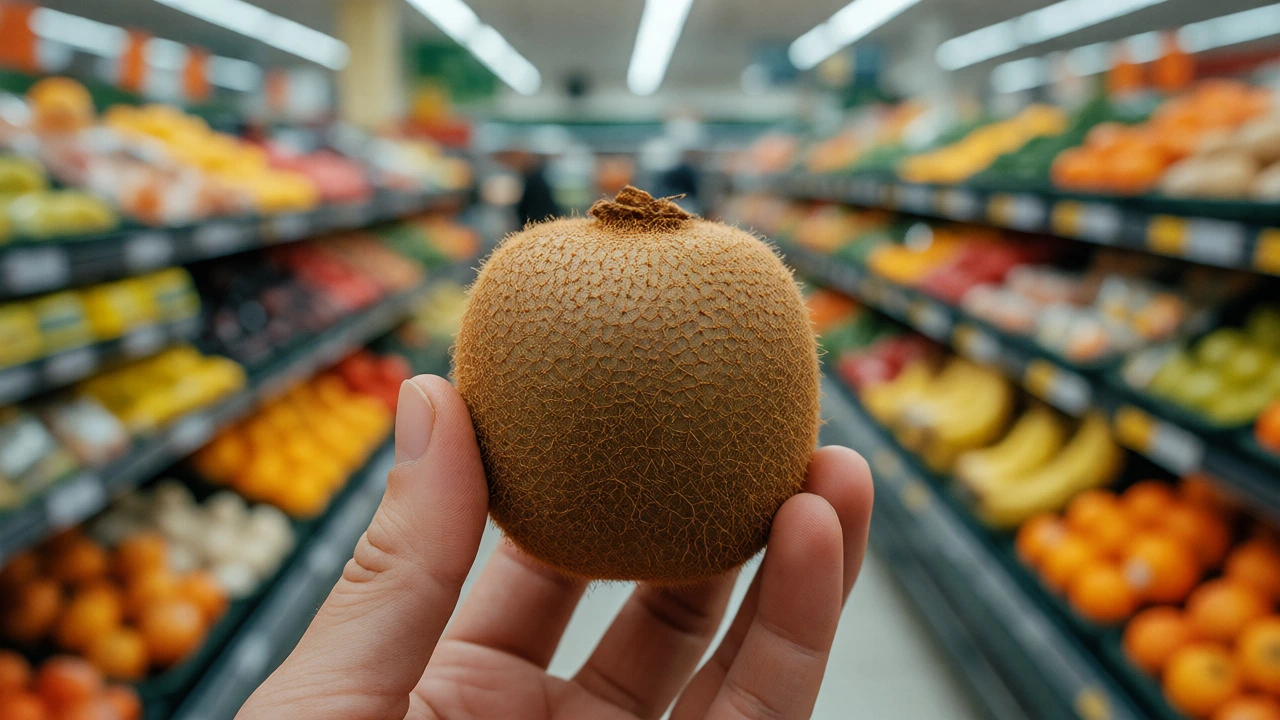
You’re standing in the produce aisle, holding a fuzzy brown fruit, and suddenly you freeze. Is this kiwifruit actually vegan? It’s a question that pops up more often than you’d think, especially among those new to plant-based eating or anyone who’s ever tried to use kiwi as a gelatin substitute. The short answer is yes, a plain kiwi is 100% vegan. But the reason people ask isn’t just about the fruit itself-it’s about what kiwis do to other ingredients, specifically dairy and proteins.
The confusion stems from kiwi’s powerful biological properties. Unlike apples or bananas, which sit quietly on your tongue, kiwi actively changes its environment. This makes it a tricky ingredient for vegans who are trying to replicate traditional textures in desserts. If you’ve ever wondered why your coconut milk curdled when you added fresh kiwi, or why store-bought kiwi yogurt might have hidden animal derivatives, this guide breaks down exactly what’s happening at the molecular level.
The Enzyme That Changes Everything: Actinidin
Actinidin is a proteolytic enzyme found naturally in kiwifruit (Actinidia deliciosa). In simple terms, it breaks down proteins into smaller peptides and amino acids. This is fantastic if you’re trying to tenderize tough meat, but it’s a nightmare if you’re making a creamy dessert with plant-based milks that contain significant protein, like soy or pea protein isolates.
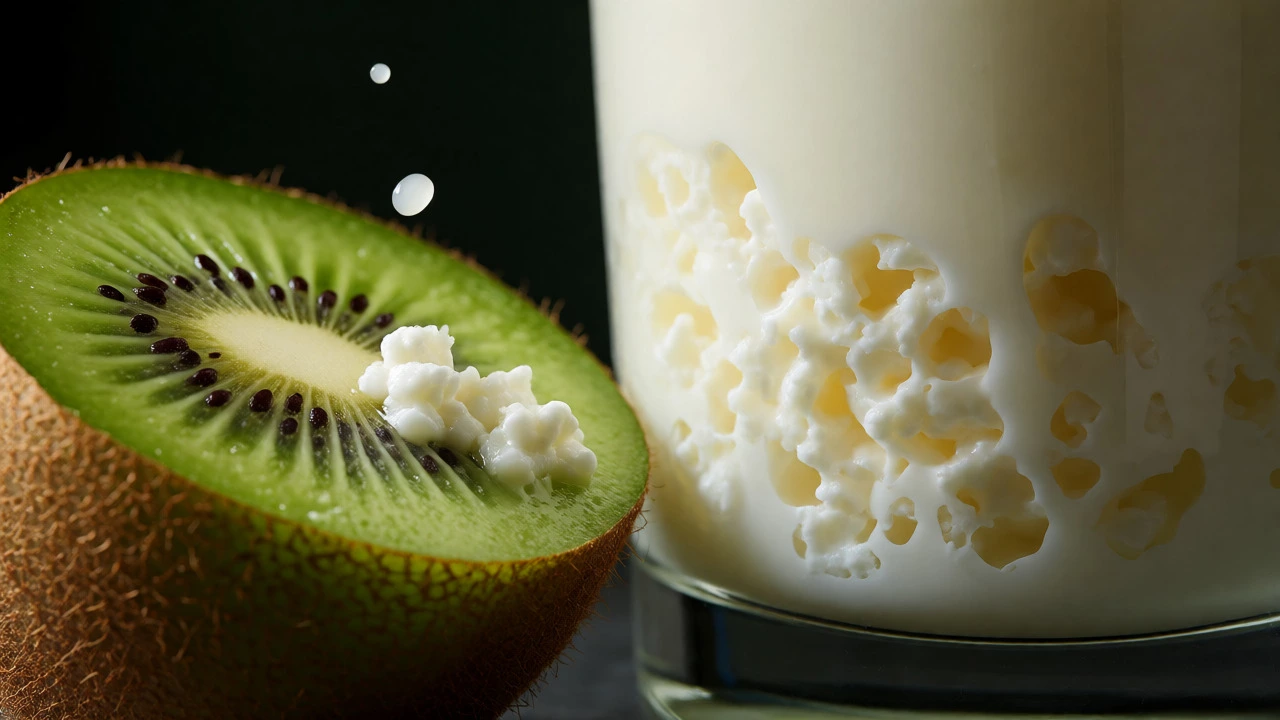
When you mix raw kiwi with dairy, the actinidin attacks the casein proteins, causing them to coagulate and break down. Vegans often assume that because they aren’t using cow’s milk, they’re safe. However, many high-protein plant milks behave similarly under enzymatic attack. If you blend fresh kiwi into a smoothie made with almond milk (which is low in protein), it stays stable. Blend it into a soy latte, and you might get a gritty, separated mess within minutes.
This enzymatic activity is also why kiwi can cause a tingling sensation on your lips and tongue. It’s literally digesting the surface proteins of your mouth tissue slightly. While not harmful, it’s a sensory cue that something potent is happening. For vegans crafting delicate mousse or panna cotta alternatives using agar-agar or carrageenan, adding raw kiwi can ruin the set because the enzymes interfere with the gelling process if the mixture isn’t heated first to denature the actinidin.
Hidden Animal Derivatives in Processed Kiwi Products
If you’re buying fresh kiwi from the grocery store, you don’t need to worry. The skin is edible (though usually discarded due to texture), and the flesh is pure plant matter. The real issue arises when you look at processed foods labeled "kiwi flavored" or "kiwi jam." Here, the definition of vegan gets murkier due to processing aids and additives.
Some commercial kiwi jams and preserves use gelatin as a thickener. Gelatin is derived from collagen found in animal bones and skin, making it strictly non-vegan. While most modern jams use pectin (a plant-based fiber), budget brands or traditional recipes may still rely on animal-derived thickeners. Always check the label for gelatin, shellac, or beeswax, which are sometimes used as glazing agents on dried fruit products.
Another sneaky culprit is shellac (also known as confectioner's glaze). Derived from the lac insect, shellac gives candy-coated kiwi pieces or certain dried fruits their shiny appearance. A quick glance at the ingredient list might miss "resinous glaze" or "E904," both of which indicate insect secretions. If you’re picking up dried kiwi chips for hiking, verify that they are certified vegan or explicitly state no shellac.
Kiwi in Vegan Desserts: Successes and Pitfalls
So, how do you safely incorporate kiwi into your vegan dessert repertoire? The key lies in temperature control and understanding the chemistry of your base ingredients.
- Heat Treatment: Cooking or baking kiwi deactivates actinidin. If you’re making a kiwi tart or compote, simmering the fruit for at least five minutes stops the enzyme from breaking down your crust fats or any protein-rich fillings.
- Low-Protein Bases: Coconut cream, cashew cream, and oat milk are excellent partners for raw kiwi because they lack the specific proteins that actinidin targets aggressively. A raw kiwi sorbet made with coconut water will hold its texture perfectly.
- Acid Balance: Kiwi is highly acidic (pH around 3.1-3.9). When combined with alkaline ingredients like baking soda in cakes, it creates carbon dioxide bubbles, helping the cake rise. This is actually a benefit, allowing you to create fluffy vegan sponges without eggs.
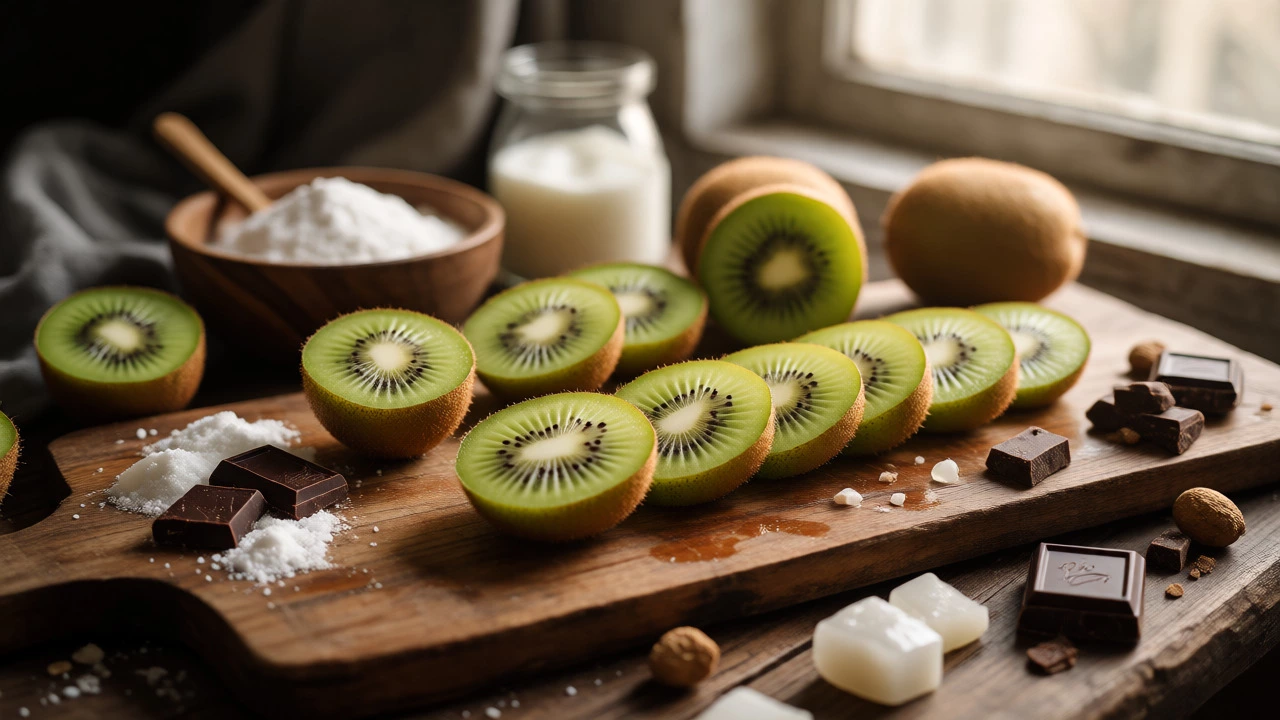
One common mistake is adding raw kiwi directly to chocolate ganache. The moisture and acidity can seize the chocolate, while the enzyme struggles against the cocoa butter matrix. Instead, layer the kiwi as a fresh topping right before serving, or cook it into a coulis first.
Nutritional Profile: Why Vegans Should Keep Kiwi
Despite the culinary headaches, kiwi is a nutritional powerhouse for vegans. It is one of the few fruits that provides a complete profile of essential vitamins and minerals without relying on fortified foods.
| Nutrient | Amount | % Daily Value (Approx.) |
|---|---|---|
| Vitamin C | 64 mg | 71% |
| Vitamin K | 31 mcg | 24% |
| Vitamin E | 1.5 mg | 8% |
| Folate | 18 mcg | 5% |
| Potassium | 215 mg | 5% |
The high Vitamin C content enhances iron absorption from plant sources like lentils and spinach, which is crucial for maintaining energy levels on a vegan diet. Additionally, kiwi contains serotonin and dopamine precursors, which some studies suggest may aid sleep quality-a common concern for those adjusting to dietary changes.
Alternatives to Kiwi for Texture and Flavor
If the enzymatic behavior of kiwi is too unpredictable for your current recipe, consider these vegan-friendly substitutes that offer similar flavor profiles without the protein-breaking chaos.
- Papaya: Also contains a proteolytic enzyme (papain), so treat it similarly to kiwi. Great for marinades, risky for raw dairy-free creams.
- Mango: Offers tropical sweetness and acidity but lacks strong proteolytic enzymes. Safe for all vegan bases, including high-protein soy yogurts.
- Passion Fruit: Provides intense tartness and aroma. Like mango, it doesn’t curdle plant milks, making it ideal for drizzling over cheesecakes.
- Strawberries: Mildly acidic and sweet, strawberries pair well with almost any vegan base and require no special handling regarding enzymes.
Final Verdict: Is Kiwi Vegan-Friendly?
Yes, kiwi is vegan. The myth that it isn’t comes from misunderstanding its chemical interaction with other ingredients, particularly proteins. As long as you avoid processed kiwi products containing gelatin or shellac, and you manage its enzyme activity through cooking or careful pairing, kiwi remains a vibrant, nutritious addition to any plant-based kitchen.
Can I eat kiwi skin on a vegan diet?
Yes, kiwi skin is entirely plant-based and edible. It contains extra fiber and antioxidants. However, some people find the fuzz unpleasant. Washing it thoroughly removes dirt and potential pesticide residues, making it safe to consume.
Does kiwi curdle almond milk?
Rarely. Almond milk has very low protein content compared to cow’s milk or soy milk. The actinidin enzyme in kiwi needs protein to react with. Since almond milk lacks sufficient casein-like proteins, it typically remains stable even when blended with fresh kiwi.
Are all green kiwis the same as gold kiwis for vegans?
Both are vegan. Gold kiwis (like Zespri SunGold) are sweeter and less acidic than green kiwis (Hayward). They contain slightly less actinidin, making them gentler on sensitive mouths and less likely to irritate the tongue, but the fundamental vegan status remains identical.
Why does my kiwi jelly not set?
If you’re using agar-agar or gelatin alternatives, raw kiwi’s enzymes can prevent setting by breaking down the structural proteins or interfering with the gelling network. To fix this, boil the kiwi juice for at least 5-10 minutes to denature the actinidin before mixing it with your gelling agent.
Is kiwi allergy related to being non-vegan?
No. Kiwi allergies are caused by proteins in the fruit itself, such as Act d 1. This is an immune response to plant proteins, unrelated to animal products. Some people with latex allergies experience cross-reactivity with kiwi, but this is a botanical issue, not a dietary ethics one.








Write a comment