

Vegan Potato Dish Checker
Potatoes are inherently vegan, but how they are cooked matters. Select the preparation method and any toppings below to check its vegan status.
Select Options
Choose a preparation method and check any applicable additives to see if the dish is vegan-friendly.
You might have heard a friend whisper that potatoes are secretly not vegan. It sounds absurd, right? A potato is a tuber. It grows in dirt. It doesn't moo, it doesn't cluck, and it certainly doesn't lay eggs. Yet, this confusion persists in online forums and dinner party chats. The truth is simple: a raw potato is 100% plant-based and inherently vegan. If you are biting into a plain baked spud, you are safe. So why does the rumor exist? And more importantly, how do we keep our favorite root vegetable dishes truly vegan when we start adding toppings?
This guide clears up the fog around one of the most misunderstood vegetables in the plant-based world. We will look at where the myth comes from, what actually makes a potato dish non-vegan, and how to navigate menus without anxiety. Whether you are new to veganism or just tired of arguing with omnivores about starches, this breakdown has you covered.
The Short Answer: Yes, Potatoes Are Vegan
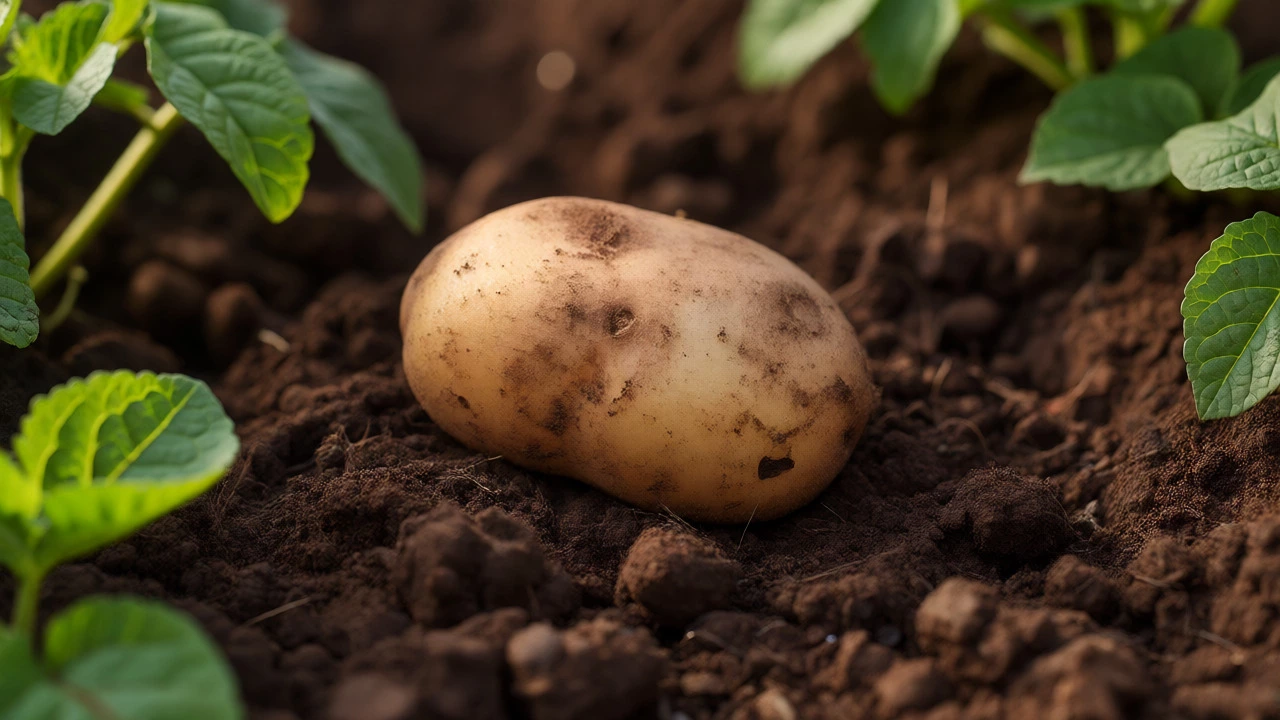
Let’s kill the rumor right now. A potato is a starchy tuber produced by the plant Solanum tuberosum. It contains no animal flesh, no bone meal, and no insect derivatives in its natural state. From a biological and ethical standpoint, eating a potato causes no harm to animals. Period.
If someone tells you otherwise, they are likely confusing the ingredient itself with common preparation methods. Think of it like bread. Bread is often vegan, but some recipes use milk or eggs. That doesn’t make wheat non-vegan; it makes that specific loaf non-vegan. The same logic applies here. The potato is innocent. The chef is the variable.
| Preparation Method | Vegan Status | Common Non-Vegan Additives |
|---|---|---|
| Baked (Plain) | Yes | None |
| Mashed | Depends | Butter, Milk, Cream |
| Fried (Restaurant) | Depends | Beef Tallow, Shared Fryer Oil |
| Scalloped/Au Gratin | No (Usually) | Cheese, Heavy Cream, Bacon |
Where Did the Myth Come From?
Confusion usually stems from three specific sources: cross-contamination, hidden additives, and historical farming practices. Let’s unpack each one so you can spot them instantly.
Cross-Contamination in Frying
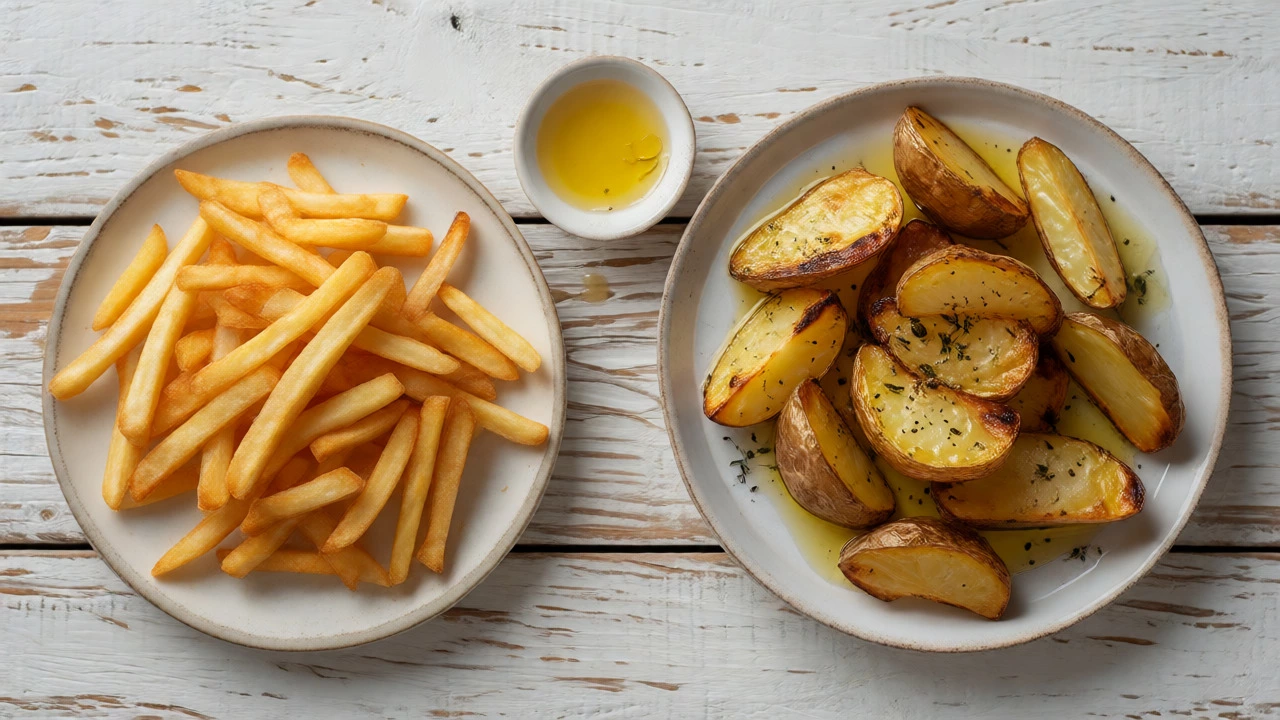
This is the biggest culprit. In many traditional diners and fast-food chains, french fries are cooked in oil that also fries chicken nuggets or fish sticks. Even worse, some establishments use beef tallow for frying. McDonald’s, for example, used beef flavoring in their fries for decades (though formulations vary by region and year). If your fries share a vat with animal products, they aren’t strictly vegan for those who avoid cross-contact. This isn’t because the potato changed; it’s because the cooking medium did.
Hidden Additives in Processing
When you buy frozen hash browns or instant mashed flakes, check the label. Manufacturers sometimes add milk powder, whey, or casein to improve texture or shelf life. These are dairy derivatives. They don’t come from the potato; they come from the factory. Always read the ingredient list on packaged goods. If you see "milk solids" or "natural flavors" without clarification, call the manufacturer. Natural flavors can sometimes hide animal-derived enzymes.
The Bone Meal Debate
A smaller group of strict vegans avoids crops fertilized with bone meal or blood meal. These are animal byproducts used as fertilizer. However, most mainstream vegan organizations, including The Vegan Society, agree that using animal-derived fertilizers does not disqualify a crop from being vegan. The plant absorbs nutrients, not the animal parts themselves. Unless you follow an ultra-strict interpretation involving soil management, this shouldn’t stop you from eating potatoes.
How to Keep Your Potato Dishes Vegan
Now that we know potatoes are fine, let’s focus on making sure your plate stays clean. You don’t need to eat dry, boiled chunks forever. Here’s how to upgrade your game without breaking the rules.
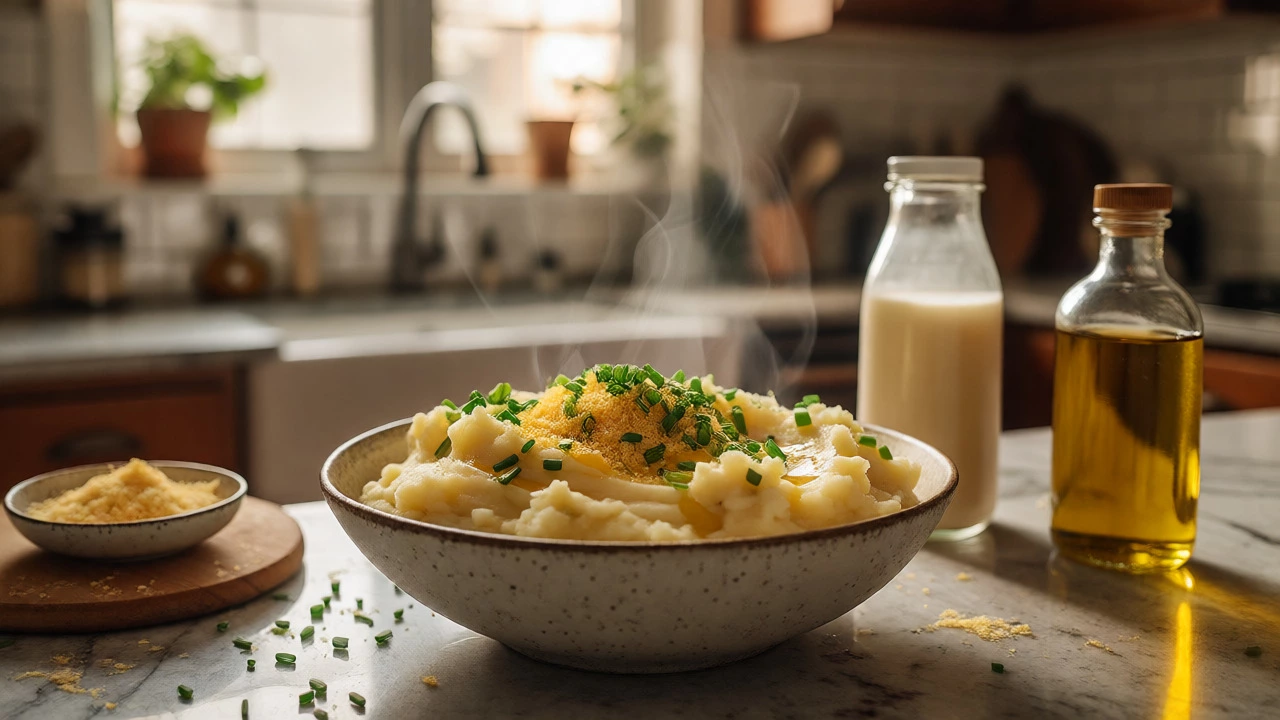
Swapping Dairy in Mashed Potatoes
Traditional mash relies heavily on butter and whole milk. Try these swaps instead:
- Olive Oil & Garlic: Roast garlic cloves until soft, mash them into the potatoes with extra virgin olive oil. It adds richness without creaminess.
- Plant-Based Butter: Brands like Miyoko’s or Earth Balance work perfectly. Look for ones with high fat content for better mouthfeel.
- Unsweetened Almond or Oat Milk: Oat milk creates a creamier texture than almond due to its higher protein and fat structure. Warm it slightly before mixing to prevent lumps.
- Nutritional Yeast: Sprinkle this for a cheesy, umami kick that mimics parmesan.
Navigating Restaurant Menus
Ordering out requires a bit of detective work. Don’t assume "vegetarian" means vegan. Ask these specific questions:
- "Do you fry your potatoes in shared oil or dedicated vegetable oil?"
- "Are there any dairy or animal fats in the mashed potatoes?"
- "Is the gravy made with meat stock or vegetable broth?"
In Auckland, many cafes now offer clearly labeled vegan options. But if you’re at a classic pub, be prepared to customize. Order a side salad instead of chips if the fryer situation is unclear. It’s better to miss out on crispy edges than to accidentally consume animal fat.
Potato Varieties and Their Best Uses
Not all potatoes are created equal. Choosing the right type helps you achieve the desired texture without relying on heavy sauces. Understanding the starch content of different varieties is key to successful vegan cooking.
| Potato Type | Starch Level | Best For | Vegan Tip |
|---|---|---|---|
| Russet | High | Baking, Frying | Fluffs up nicely without added moisture. |
| Yukon Gold | Medium | Mashing, Roasting | Naturally creamy; needs less fat. |
| Red Bliss | Low | Salads, Soups | Holds shape well; great for cold dishes. |
| Sweet Potato | Medium-High | Roasting, Pies | Adds natural sweetness; pairs with spices. |
For example, if you want fluffy baked potatoes, Russets are your best bet. Their high starch content means they separate easily when fluffed. If you’re making a potato salad for a picnic, Red Bliss won’t turn to mush when mixed with vinaigrette. Sweet potatoes, while technically different species, follow similar rules. They are naturally vegan and pair beautifully with coconut milk or maple syrup instead of brown sugar and butter.
Common Pitfalls to Avoid
Even experienced vegans slip up occasionally. Here are the traps to watch out for when dealing with potatoes.
Assuming "Natural Flavors" Are Safe
As mentioned earlier, processed potato snacks often contain "natural flavors." While usually plant-derived, they can include castoreum (from beavers) or other obscure animal extracts. Rare, yes, but possible. Stick to brands that explicitly state "vegan certified" if you want zero doubt.
Ignoring the Gravy
Loaded baked potatoes are a trap. The cheese sauce might be vegan, but the gravy almost always uses chicken or beef stock. Make your own gravy using mushroom broth and cornstarch. It tastes earthy and rich, and you control every ingredient.
Overlooking Toppings
Bacon bits are often textured soy protein, which is vegan. But real bacon is obviously not. Sour cream is another hurdle. Use cashew cream or store-bought vegan sour cream. Chives and green onions are safe and add freshness. Guacamole is generally vegan, but check for milk additions in commercial jars.
Why This Matters for Desserts Too
Since you’re interested in vegan desserts, you might wonder if potatoes appear in sweets. Surprisingly, yes. Some traditional cakes use mashed potato for moisture. When baking, ensure the recipe specifies vegan butter and plant milk. Potato flour is also a gluten-free alternative in some pastry crusts. Just remember: the potato itself is neutral. It takes on the character of what you mix it with.
Experiment with sweet potato pies using silken tofu and coconut cream. The result is dense, fudgy, and completely plant-based. No eggs needed. The potato provides the body; the spices provide the soul.
Final Thoughts: Eat Your Spuds Without Fear
Stop worrying about whether potatoes are vegan. They are. The complexity lies in preparation, not production. By staying mindful of frying oils, dairy additives, and shared cookware, you can enjoy potatoes in all their forms guilt-free. Whether you prefer them crispy, creamy, or roasted, the tuber remains a staple of ethical eating.
Next time someone challenges you, smile and explain the difference between the ingredient and the method. Knowledge is power, especially in the kitchen. Now go boil, bake, or fry responsibly.
Are all french fries vegan?
No. While the potatoes themselves are vegan, many restaurants fry them in animal fat (like beef tallow) or share oil with non-vegan items. Always ask about the frying medium.
Do potatoes contain animal products?
Raw potatoes do not contain animal products. They are plant tubers. Any animal-derived ingredients come from additives during processing or cooking.
Is bone meal fertilizer a dealbreaker for vegans?
Most mainstream vegans accept crops grown with bone meal. The plant absorbs minerals, not the animal tissue. Only very strict interpretations exclude these crops.
Can I eat instant mashed potatoes?
Check the label. Many brands include milk powder or whey. Look for versions labeled vegan or make your own from scratch for guaranteed results.
Are sweet potatoes vegan?
Yes, sweet potatoes are vegan. Like regular potatoes, they become non-vegan only if prepared with butter, marshmallows (which contain gelatin), or cream.

Write a comment