

Mythical vs. Culinary Brownie Matcher
The name "Brownie" has a dual legacy. Read the clues below and decide if they refer to the ancient Scottish Household Spirit or the Chocolate Dessert.
Loading...
Correct!
Explanation goes here.
Quiz Complete!
You scored 0 out of 0.
When you hear the word "brownie," your mind probably jumps to chocolate. You think of dense, fudgy squares, maybe topped with nuts or drizzled with caramel. But before this dessert became a global obsession, the word had a very different life. In fact, for centuries, a "brownie" wasn't something you ate; it was something that might have eaten *you*-or at least helped you clean the house while you slept.
The question "what does the name brownie mean?" touches on two distinct worlds: culinary history and Celtic mythology. To understand the full picture, we have to look back at where the word comes from, how these mythical creatures behaved, and how a Scottish legend eventually turned into one of America’s most popular desserts. It’s a story about magic, milk, and marketing.
The Mythical Roots: Who Were the Original Brownies?
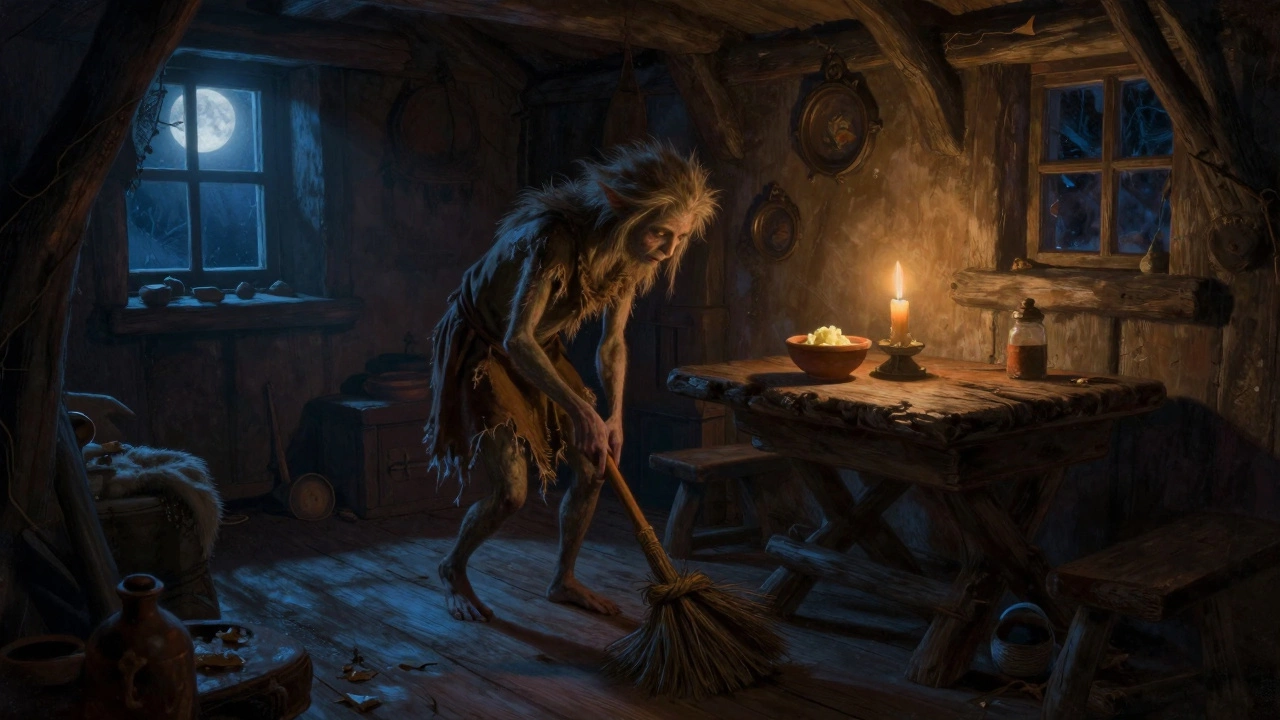
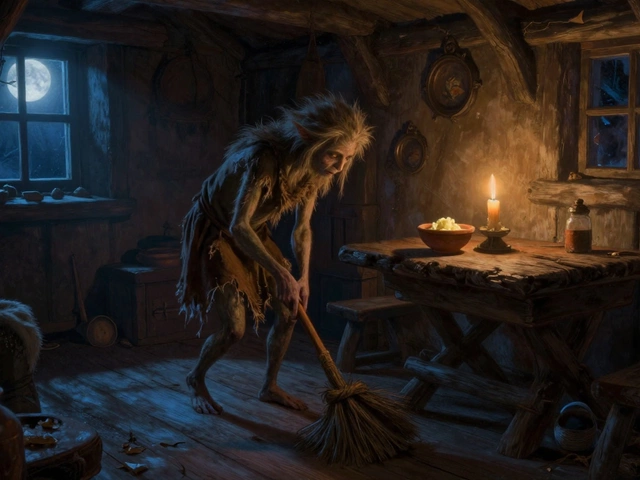
Long before baking soda existed, Brownies were small, humanoid spirits from Celtic folklore, particularly in Scotland and England. These weren’t the cute, cookie-shaped characters from modern cartoons. They were mysterious, often mischievous beings tied to the land and the home.
In Scottish tradition, a brownie was a type of household spirit. Think of them as supernatural roommates who didn’t pay rent but did chores. They would appear at night to help with farming tasks, cleaning, or spinning wool. The catch? They were notoriously sensitive. If you thanked them too loudly, gave them clothes, or tried to bribe them with gold, they would leave-and never come back. The proper way to appease a brownie was simple: leave out a bowl of cream or porridge with a bit of butter in it.
This connection to food is crucial. The original brownie wasn’t named after its color (though they were often described as wearing brown rags). They were named after their nature. The word likely stems from the Old English or Gaelic roots related to "brun," meaning brown, referring to their earthy, rustic appearance. But more importantly, their identity was bound up in the ritual of feeding them dairy products.
- Origin: Celtic mythology, specifically Scottish and Northern English folklore.
- Role: Household helpers who worked overnight.
- Offerings: Milk, cream, butter, or porridge.
- Taboos: Never give them clothes or monetary gifts.
If you’ve ever heard the phrase "leave a light on for the brownies," it comes from this era. People believed these spirits needed a welcoming environment to do their work. This cultural background sets the stage for the next big twist: how a myth became a menu item.
From Myth to Menu: The Birth of the Dessert
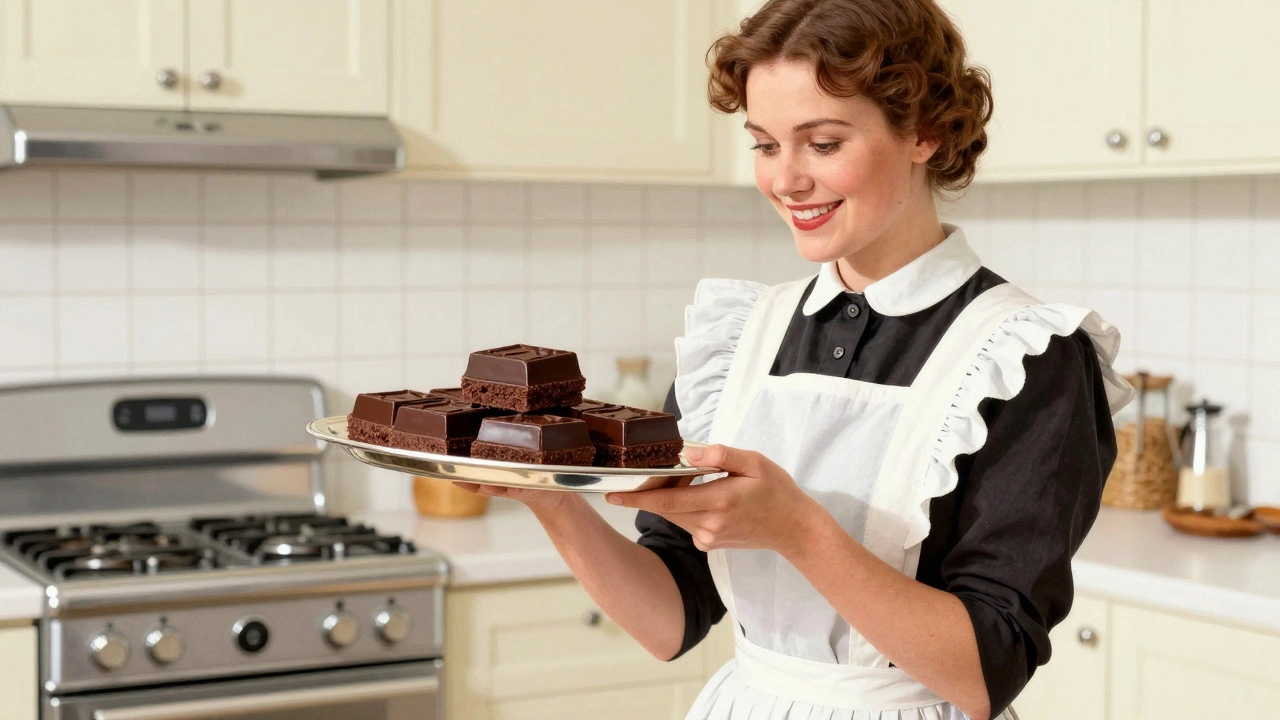
So, how did a spooky household spirit become a sweet treat? The answer lies in early 20th-century America and a clever piece of marketing. The first written recipe for "brownies" appeared in the 1891 edition of Fads and Feasts, a cookbook by Berkeley poet and journalist Bertha Hollander. However, these early versions were quite different from today’s gooey squares. They were lighter, cake-like, and often included almonds.
The real breakthrough happened in 1915. At the Panama-Pacific International Exposition in San Francisco, a woman named Bertha Palmer, wife of the president of the Chicago Railroad, challenged the executive chef of the Palmer House Hotel. She wanted a dessert that could be easily served to guests during cocktail hour. No forks, no knives, just something handheld and sweet.
The chef created a bar cookie using chocolate, eggs, flour, sugar, and butter. He called them "brownies." Why that name? There are two main theories:
- The Color Theory: The bars were dark brown due to the high concentration of unsweetened chocolate.
- The Mythology Theory: The name was chosen to evoke the idea of small, friendly, helpful creatures-perhaps suggesting the treat was "good for you" or simply charming and whimsical.
Most food historians lean toward the color explanation, but the folklore connection couldn’t be ignored. By naming the treat after a beloved (if slightly eerie) folk character, the hotel made the dessert memorable. It stuck. Within decades, brownies were a staple in American homes, schools, and bake sales.
| Feature | Mythical Brownie | Culinary Brownie |
|---|---|---|
| Origin | Celtic/Scottish Folklore | Early 20th Century USA |
| Appearance | Small, ragged, human-like | Dense, square, dark brown |
| Preferred Offering | Milk, cream, butter | Chocolate, sugar, eggs |
| Behavior | Helpful if treated well | Delicious if baked right |
Etymology: Breaking Down the Word
Let’s get technical for a moment. What does the word "brownie" actually mean linguistically? The term is a diminutive form of "brown." In English, adding the suffix "-ie" or "-y" often makes a word sound smaller, cuter, or more affectionate. Think of "dog" becoming "doggy" or "cat" becoming "kitty."
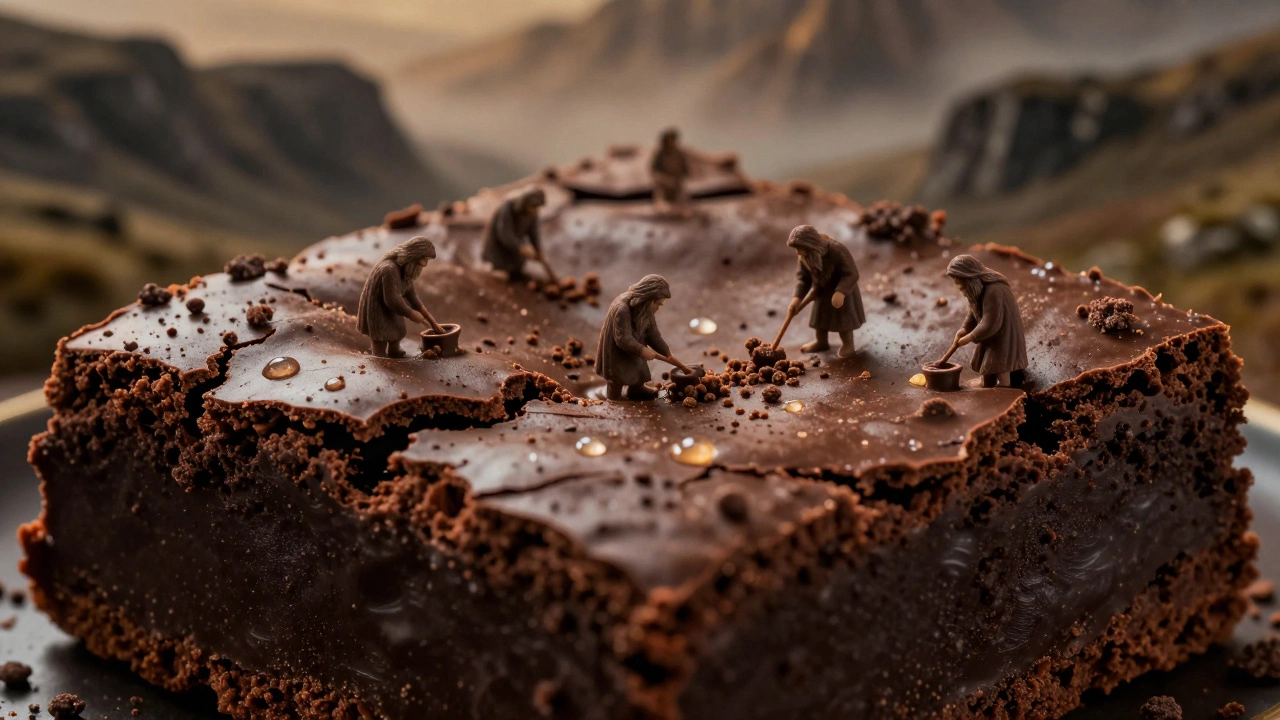
So, literally, a brownie is a "little brown thing." This fits both the mythical creature (a small, earth-toned spirit) and the dessert (a small, brown square). The Oxford English Dictionary traces the first use of "brownie" as a noun for a fairy-like being to the late 17th century, derived from the Scottish dialect. The culinary usage followed much later, cementing the link between the color and the object.
It’s also worth noting that the word "brownie" has been used in other contexts. For example, the "Brownie Girl" movement, founded by Juliette Gordon Low in 1918, took its name from the Scottish folklore. The goal was to teach girls helpfulness and community service-traits associated with the mythical brownie. This reinforces the idea that the core meaning of the word revolves around small, helpful, and humble entities.
Why the Name Stuck: Cultural Resonance
Names matter. A lot. If the Palmer House Hotel had called the dessert "chocolate squares" or "dark bars," it might not have caught on. "Brownie" had personality. It sounded friendly. It evoked images of childhood, fantasy, and comfort.
In the mid-20th century, as supermarkets expanded and packaged mixes became popular, brands like Betty Crocker leaned into this wholesome image. Ads featured happy families eating brownies, often linking them to school lunches and scout meetings. The name "brownie" bridged the gap between the mystical past and the domestic present. It suggested that this treat was approachable, safe, and satisfying.
Today, when someone asks "what does the name brownie mean?" they might be looking for a recipe tip or a historical fact. But the deeper answer is about transformation. The word survived because it adapted. It moved from the misty hills of Scotland to the bustling kitchens of America, changing form but keeping its essence: something small, sweet, and deeply comforting.
Modern Variations and the Evolution of Meaning
Fast forward to 2026, and the definition of a brownie has expanded again. We now have vegan brownies, gluten-free brownies, protein-packed brownies, and even savory brownies (yes, really). Each variation challenges the traditional "meaning" of the dessert. Is it still a brownie if it doesn’t have eggs? If it’s green with matcha? If it’s made from black beans?
Chefs and home bakers argue over texture. Some say a true brownie must be fudgy, with a crackly top and a dense center. Others prefer cakey brownies, which are lighter and airier. This debate shows that the name "brownie" is no longer just a label; it’s a category with strict rules for some and loose guidelines for others.
Despite these changes, the core ingredients remain largely the same: chocolate, fat, sugar, and flour. The name persists because it describes a specific experience. When you bite into a brownie, you expect richness. You expect indulgence. The word itself promises that satisfaction.
Common Misconceptions About Brownies
There are plenty of myths surrounding brownies, both the mythical and the edible kind. Let’s clear up a few common misconceptions:
- Myth: Brownies are cookies.
Fact: While similar, brownies are denser and have a higher ratio of fat to flour than most cookies. They are technically bar cookies, but their texture distinguishes them. - Myth: The dessert was invented by the Brownie Girl scouts.
Fact: The scouts were named after the folklore, not the other way around. The dessert predates the widespread popularity of the scout organization. - Myth: All brownies should be chewy.
Fact: Texture is subjective. Fudgy, cakey, and chewy are all valid styles depending on the recipe’s ingredient ratios.
Understanding these distinctions helps us appreciate why the name is so enduring. It’s flexible enough to cover many textures but specific enough to convey a clear idea.
Conclusion: The Dual Legacy of the Name
So, what does the name brownie mean? It means a little brown helper, whether that’s a spirit leaving milk in your kitchen or a square of chocolate leaving joy in your mouth. The word carries a dual legacy: one rooted in ancient superstition and the other in modern culinary innovation.
Next time you enjoy a brownie, take a second to think about its journey. From the Scottish Highlands to the San Francisco exposition, the name has traveled far. It reminds us that language is alive, shifting and adapting to fit our needs. And honestly, isn’t that pretty magical?
Where did the word brownie originally come from?
The word "brownie" originates from Celtic folklore, specifically Scottish and Northern English traditions. It referred to small, humanoid household spirits that helped with chores overnight. The term is a diminutive of "brown," reflecting their earthy appearance.
Why are the chocolate desserts called brownies?
The chocolate dessert was named "brownie" primarily because of its dark brown color. However, some historians believe the name was also chosen to evoke the friendly, helpful nature of the mythical brownies, making the treat seem more appealing and wholesome.
Who invented the brownie dessert?
While early recipes appeared in the 1890s, the modern brownie is credited to the Palmer House Hotel in Chicago in 1915. Chef Elizabeth Gregory created it for Bertha Palmer to serve at the Panama-Pacific International Exposition in San Francisco.
Are brownies considered cookies or cakes?
Brownies are technically classified as bar cookies. However, they share characteristics with both cookies and cakes. Their texture can range from dense and fudgy (like a cookie) to light and airy (like a cake), depending on the recipe.
What is the difference between a brownie and a blondie?
The main difference is the presence of chocolate. Brownies contain cocoa powder or melted chocolate, giving them a dark color and rich flavor. Blondies are made with brown sugar and butter but no chocolate, resulting in a lighter, caramel-like taste and appearance.
Write a comment